 Back to news
Knowing the difference
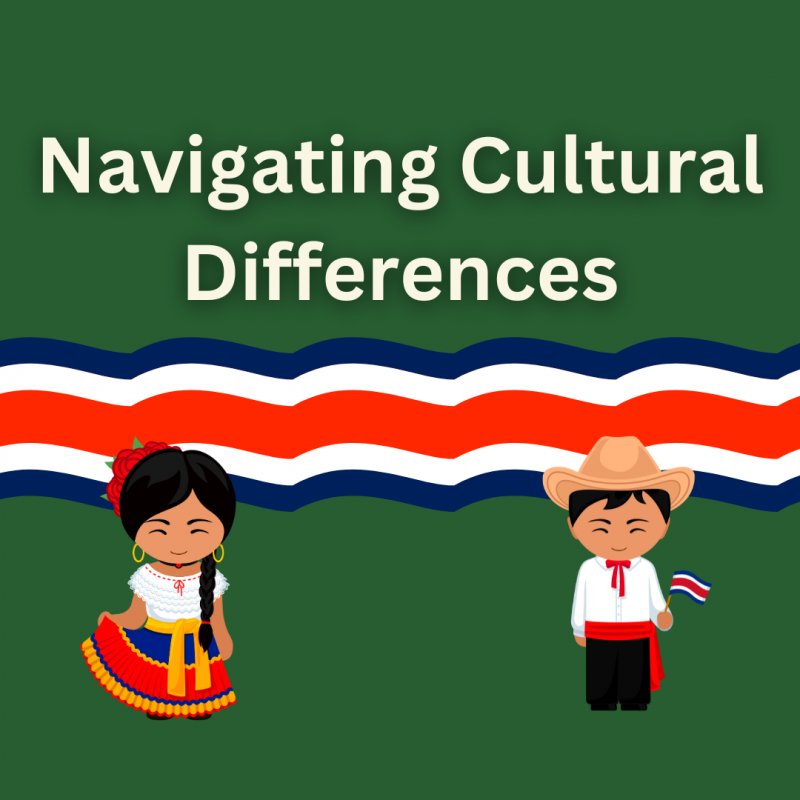
Moving abroad can be an exciting yet challenging experience, especially when it comes to adapting to new customs and cultural norms. For Americans considering living abroad in Costa Rica, understanding the nuances between the two cultures is essential for a smooth international relocation. This guide will delve into the key differences in customs between the United States and Costa Rica, helping you navigate your new life as an expat.
Embracing the Pura Vida Lifestyle
One of the most significant cultural differences is the Costa Rican concept of "Pura Vida", which translates to "pure life." This phrase encapsulates the national ethos of living life slowly, appreciating nature, and valuing well-being over material success. Unlike the fast-paced lifestyle often found in the United States, Costa Ricans prioritize relaxation and enjoying the moment.
Impact on Daily Life
- Time Perception: In Costa Rica, punctuality is more relaxed. Social events may start later than scheduled, reflecting a more flexible approach to time.
- Work-Life Balance: There's a stronger emphasis on family and leisure, influencing work schedules and business operations.
Communication Styles
Language and Etiquette
- Language Learning: While English is spoken in tourist areas and within some expat communities, Spanish is the official language. Making an effort to learn Spanish is highly appreciated and can ease your transition.
- Politeness: Costa Ricans are known for their polite and indirect communication. They often avoid confrontations and may use subtle hints rather than direct statements.
Greetings
- Personal Greetings: It's customary to greet others with a handshake or a light kiss on the cheek, especially among women or between men and women.
- Formalities: Titles like "Don" and "Doña" followed by the first name are used as signs of respect, particularly with older individuals.
Social Customs and Relationships
Family Values
- Family-Centric Society: Families in Costa Rica are tight-knit, often including extended relatives in daily life and decisions.
- Respect for Elders: There's a strong cultural emphasis on respecting and caring for older family members.
Community Interaction
- Community Engagement: Participating in local events and festivals is a great way to integrate into the community.
- Expat Forums and Guides: Connecting with other expats through forums and expat guides can provide valuable insights into social norms.
Dining Etiquette
Mealtime Customs
- Leisurely Meals: Meals are social occasions to be enjoyed slowly, without the rush that might be typical in the U.S.
- Tipping: A 10% service charge is usually included in restaurant bills, but leaving an extra tip for exceptional service is appreciated.
Food Preferences
- Local Cuisine: Embrace traditional dishes like "gallo pinto" and "casado" to fully experience the local culture.
- Dietary Considerations: Vegetarian and vegan options may be less common outside major cities, so plan accordingly.
Work Culture
Business Etiquette
- Building Relationships: Personal relationships are crucial in business. Taking time to get to know your colleagues can facilitate smoother professional interactions.
- Hierarchy and Titles: Formal titles are used, and there's a respect for organizational hierarchy.
Work Permits and Visas
- Work Permits for Costa Rica: If you're considering employment, understand the immigration process and secure the necessary visas for Costa Rica.
- Investor Visa Costa Rica: Investing in a local business or buying property overseas can provide residency options.
Attitudes Toward Safety and Law
Law Enforcement
- Police Presence: Law enforcement may be less visible in some areas compared to the U.S., impacting perceptions of safety.
- Legal System: Understanding local laws and customs is essential, especially regarding property ownership and business practices.
Safety Considerations
- Safety in Costa Rica: While generally safe, it's important to stay aware of your surroundings and take common-sense precautions.
Celebrations and Holidays
Festivals and Public Holidays
- Local Festivals: Events like Carnaval and Día de los Muertos are significant cultural experiences.
- National Holidays: Expect businesses to close on public holidays, as family and celebration take precedence.
Participation
- Community Involvement: Joining in local celebrations is a great way to integrate and understand cultural values.
Transportation and Infrastructure
Public Transportation
- Public Transportation in Costa Rica: Buses are the most common form of public transport, and schedules may not be as strict as in the U.S.
- Driving Habits: Road conditions and driving styles differ, so exercise caution if you plan to drive.
Healthcare and Wellness
Healthcare System
- Healthcare in Costa Rica: The country offers a robust healthcare system, but attitudes toward medical treatment and preventive care may differ.
- Health Insurance for Expats: Securing appropriate insurance is crucial; understand the options available to you.
Wellness Practices
- Natural Remedies: There's a strong tradition of using natural remedies and holistic practices.
Environmental Attitudes
Conservation Efforts
- Eco-Friendly Practices: Costa Rica is a global leader in environmental conservation, and sustainable practices are integrated into daily life.
- Wildlife Respect: There's a cultural emphasis on protecting wildlife and natural habitats.
Financial Transactions
Currency and Banking
- Foreign Exchange Rates: Familiarize yourself with the Costa Rican colón and stay updated on exchange rates.
- Opening a Bank Account in Costa Rica: Procedures may differ, requiring specific documentation and patience.
Taxation
- Tax Implications of Moving Abroad: Consult with a financial advisor for expatriate tax advice to understand obligations in both countries.
Education and Schools
Educational Approach
- Schools in Costa Rica: The education system may have different teaching styles and curricula.
- International Schools: Options are available for those seeking education similar to the U.S. system.
Conclusion
Understanding and respecting the cultural differences between the United States and Costa Rica is key to a successful international relocation. Embracing these differences enriches your experience and helps you integrate more fully into your new home. From the relaxed pace of life embodied in the Pura Vida philosophy to the importance of family and community, Costa Rica offers a unique and fulfilling lifestyle for those willing to adapt.