
Is Costa Rica Still Cheap? An Honest 2026 Answer
The strong colón changed the math, so here is what really costs more and what still costs less.
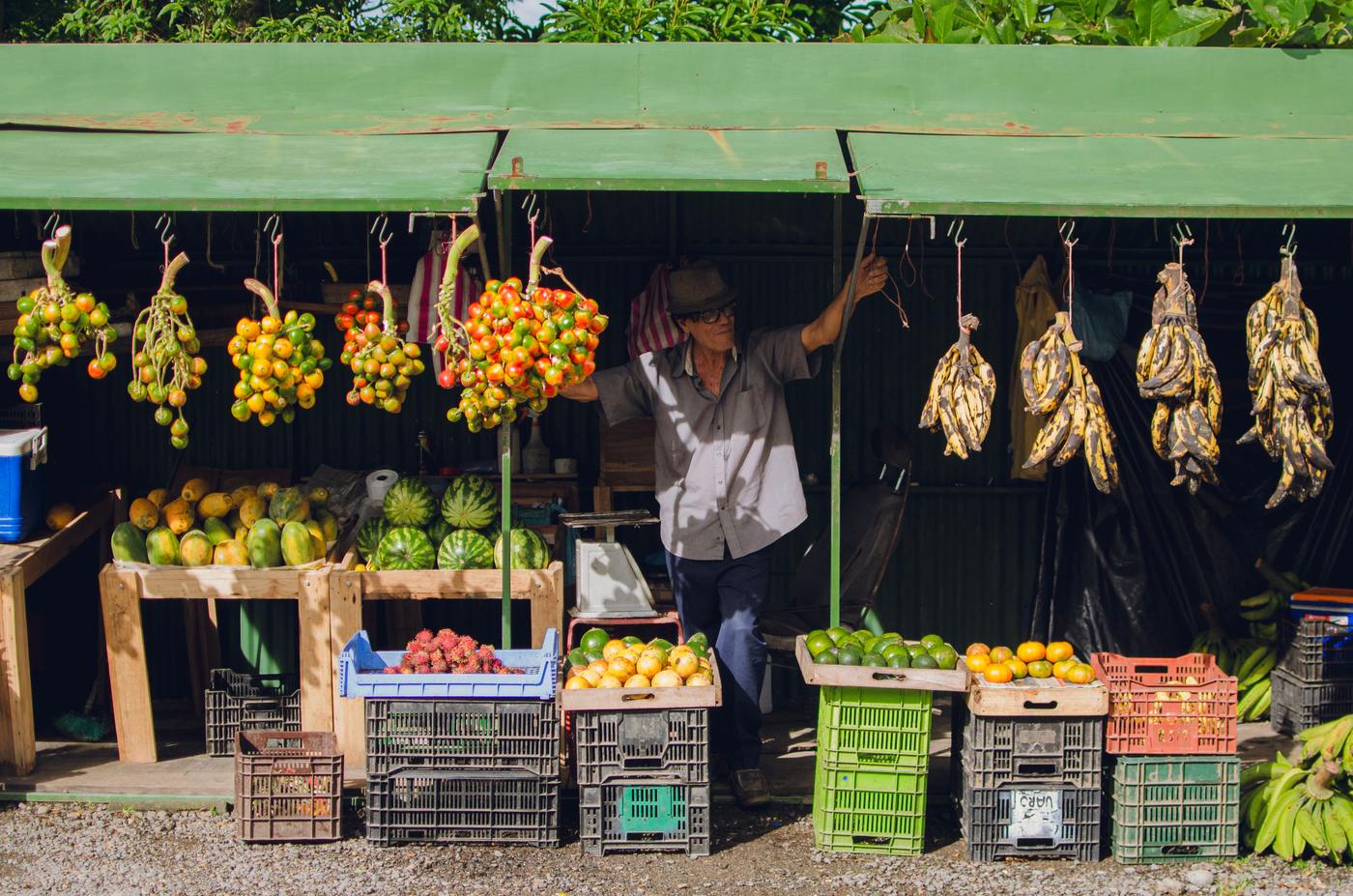
Costa Rica is no longer a bargain, but it is not as expensive as the United States either. So, is Costa Rica expensive? Consumer prices here run about 19 percent below US levels, and rent about 43 percent below. The catch: groceries, cars, and gasoline cost more here, while housing, eating out, and everyday services cost less.
We live and work in Playas del Coco, and we manage around 40 vacation rentals here and in Ocotal. We see the bills every month: electricity, groceries, gardeners, pool techs, property taxes. So this is not a postcard answer. Costa Rica in 2026 is cheaper than the US in some ways, pricier in others, and the difference depends almost entirely on how you choose to live.
What does living in Costa Rica actually cost in 2026?
Start with the broad numbers. According to Numbeo's Costa Rica versus United States comparison, updated in August 2026, consumer prices excluding rent are about 23 percent higher in the United States than in Costa Rica, and average US rents are about 76 percent higher. Numbeo pegs monthly costs at roughly $960 for a single person and about $3,570 for a family of four, both before rent.
A few everyday prices from that same dataset, converted at the official exchange rate of about 452 colones per dollar: an inexpensive restaurant meal, think a casado at a local soda, runs about 5,000 colones, or roughly $11. Basic utilities for a mid-size apartment average about 44,000 colones a month, close to $97. Home internet runs about 27,000 colones, around $60.
Averages hide a lot, though. They blend San José with beach towns, and local lifestyles with expat lifestyles. The rest of this post pulls those apart.
Why does Costa Rica feel more expensive than it used to?
Two words: the colón. On August 13, 2026, the official sell rate published through Ministerio de Hacienda and Banco Central data was about 452 colones per US dollar. In June 2022 the rate peaked at almost 692, an all-time high. A dollar now buys roughly a third fewer colones than it did four years ago. If your income is in dollars, every colón-priced bill, from utilities to labor to local food, effectively became about 35 percent more expensive even when the sticker price never moved.
Here is the part that surprises people: local inflation is not the culprit. Costa Rica's consumer prices actually fell about 0.3 percent year over year as of July 2026, according to Trading Economics tracking of official INEC data. Prices in colones have been flat to slightly down for months. The squeeze American and Canadian expats feel comes mostly from the exchange rate, not from runaway prices at the register.
The second factor is dollar pricing. In Guanacaste beach towns, long-term rents, real estate, tours, and plenty of restaurant menus are quoted in US dollars, and those prices have climbed with demand since 2020. The exchange rate does not protect you from a rent bill that was set in dollars to begin with.
What is still genuinely cheap in Costa Rica?
- Housing. Rents average about 43 percent below US levels nationwide. A two-bedroom condo a short walk from the beach in Coco still costs far less than anything comparable in coastal Florida or California. If you are weighing options, our guide to renting versus buying in Costa Rica walks through the math.
- Eating like a local. An $11 casado with fish, rice, beans, and plantains is real. Numbeo shows inexpensive restaurant meals costing about 82 percent more in the US than here.
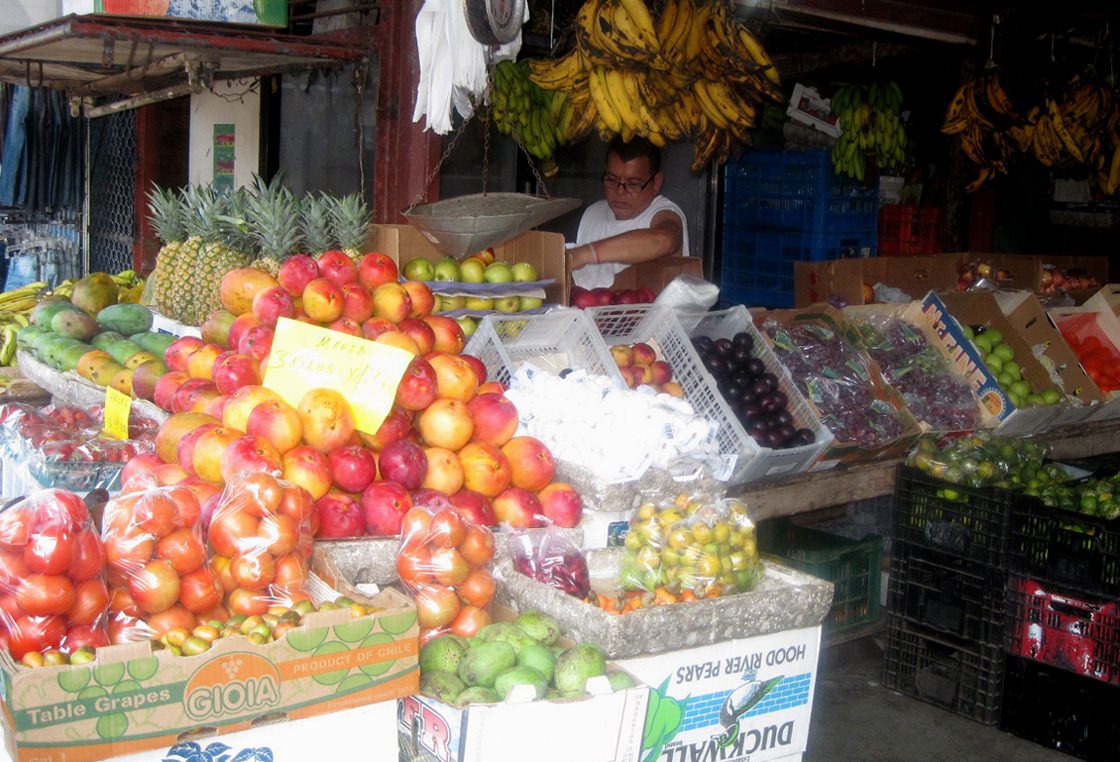
- Fresh produce. Weekly farmers markets, called ferias, sell pineapple, mango, papaya, and vegetables for a fraction of supermarket prices. Shopping the feria is the single best habit a new expat can build.
- Services and labor. Housekeeping, gardening, pool care, and repairs cost far less than in the US. This is a big reason vacation rental ownership pencils out here.
- No winter. No heating bill, no snow tires, no winter wardrobe. It sounds small until you add up what a northern winter actually costs.
What costs more in Costa Rica than back home?
This is where the honest answer lives, because plenty of things cost more here, and nobody should move without knowing it.
- Groceries, especially imports. Numbeo's August 2026 data shows milk costing about 55 percent more than in the US. Imported cheese, wine, cereal, and snacks carry duties plus Costa Rica's 13 percent value added tax. Buying national brands cuts the bill dramatically.
- Cars. Import taxes make vehicles expensive. Numbeo puts a mid-size new car about 30 percent above US prices, and used cars hold their value stubbornly.
- Gasoline. About 715 colones per liter, which works out to roughly six dollars a gallon at the current exchange rate, around 36 percent above US prices.
- Electricity with air conditioning. The utility averages above assume modest AC use. Guanacaste is hot, and in the rentals we manage, electricity is almost always the largest utility line when guests run AC all day. Budget for it honestly.
- Electronics and appliances. Duties and the small market push prices up. Many expats buy laptops and phones on trips back home.
Is Guanacaste more expensive than the rest of Costa Rica?
Yes, and we would rather tell you that now than have you discover it at the checkout. Beach towns run above the national averages: dollar-priced rents, imported goods in the specialty supermarkets, and high-season restaurant pricing aimed at tourists. Within the beach towns, Playas del Coco remains one of the more reasonably priced options, with real local commerce, a public beach town core, and everyday shopping that towns built purely around tourism lack. Inland towns like Sardinal and Liberia, a short drive away, cost noticeably less again.
So is Costa Rica still cheap? Our honest verdict
No. Costa Rica stopped being cheap years ago, and anyone telling you otherwise is selling something. What it remains is moderately priced with an exceptional quality of life. If you earn in dollars, live mostly like a local, shop the feria, right-size your car, and respect the AC bill, a comfortable life here still costs meaningfully less than in most of the US or Canada. If you import your entire North American lifestyle, expect to pay North American prices or worse.
Budget with the current exchange rate, not the one from old blog posts. For line-by-line numbers, start with our cost of living breakdown, and balance the enthusiasm with our list of 10 reasons to reconsider moving to Costa Rica. Paradise has tradeoffs, and we would rather you know all of them.
If you want real numbers for a specific lifestyle, say a couple in a Coco condo versus a family in a house in Ocotal, ask us. We will tell you what our owners and neighbors actually pay. Browse our current listings or send us a message and we will give you the honest version, as always.
Frequently asked questions
Is Costa Rica cheaper than the United States?
Overall, yes. As of August 2026, consumer prices excluding rent are about 23 percent higher in the United States than in Costa Rica, and average US rents are about 76 percent higher. But groceries, cars, gasoline, and electronics typically cost more in Costa Rica, so your actual savings depend heavily on lifestyle.
How much money do I need to live in Costa Rica in 2026?
Numbeo's August 2026 estimates run about $960 a month for a single person and $3,570 for a family of four, before rent. In Guanacaste beach towns, add dollar-priced rent that varies widely by location and season. Couples living simply spend less, while imported tastes push totals well above these averages.
Why are groceries so expensive in Costa Rica?
Import duties, a 13 percent value added tax, and a strong colón all raise shelf prices, especially on imported brands. Numbeo data shows milk costing about 55 percent more than in the US. Locals cut the bill by buying national brands and shopping the weekly feria, and we suggest expats do the same.
Cover photo: Armando Belsoj, Pexels · Photo: Roger W, CC BY-SA 2.0, via Wikimedia Commons