Guanacaste is Costa Rica's dry northwest: long beaches, cattle country, volcanoes on the horizon, and an international airport in Liberia that puts much of the coast within an hour of a direct flight home. For anyone researching Costa Rica real estate, Guanacaste is also the most active beach property market in the country. Here is how the region fits together, which towns suit which buyers, and how our team covers it from our base in Playas del Coco.
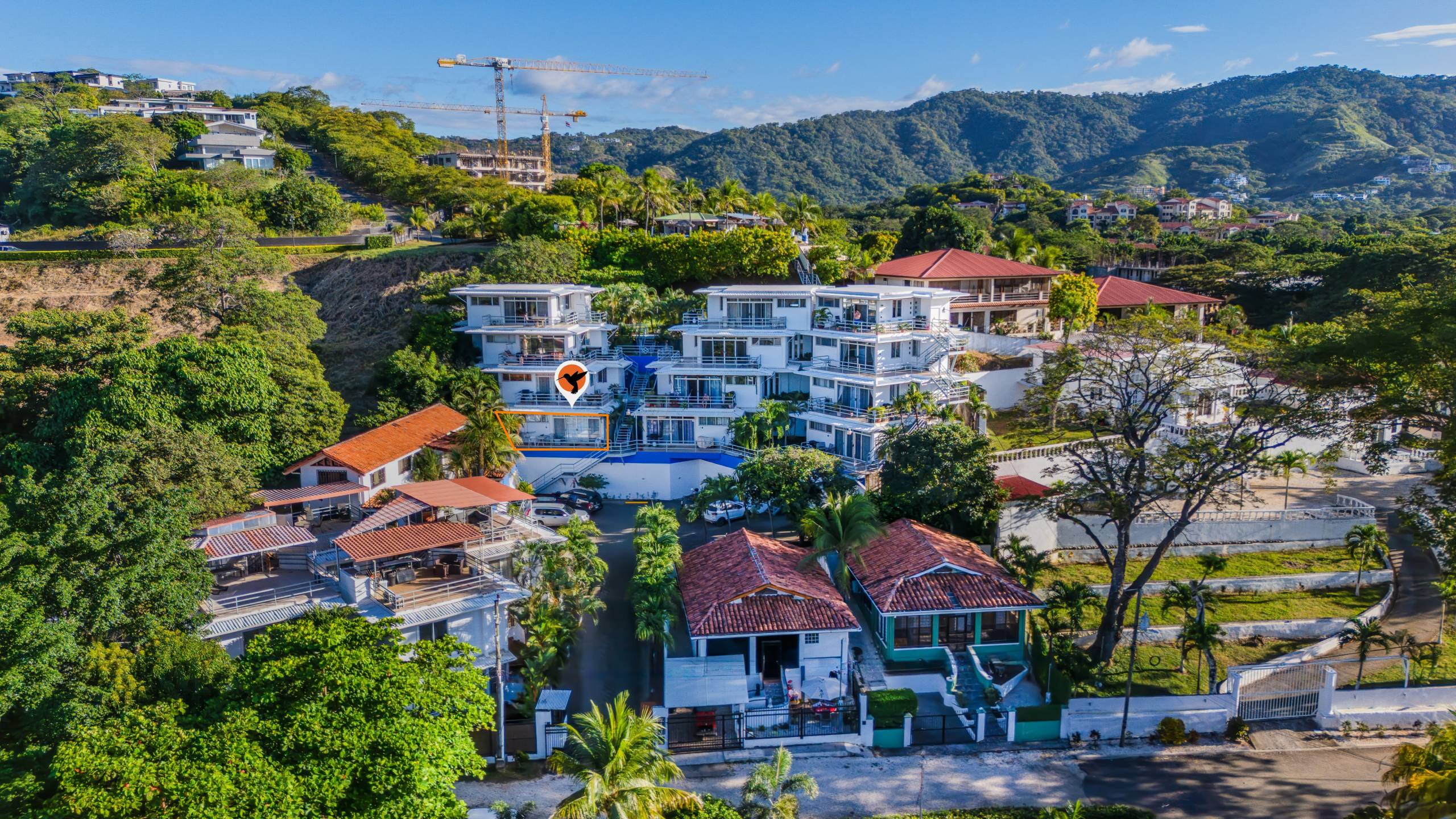
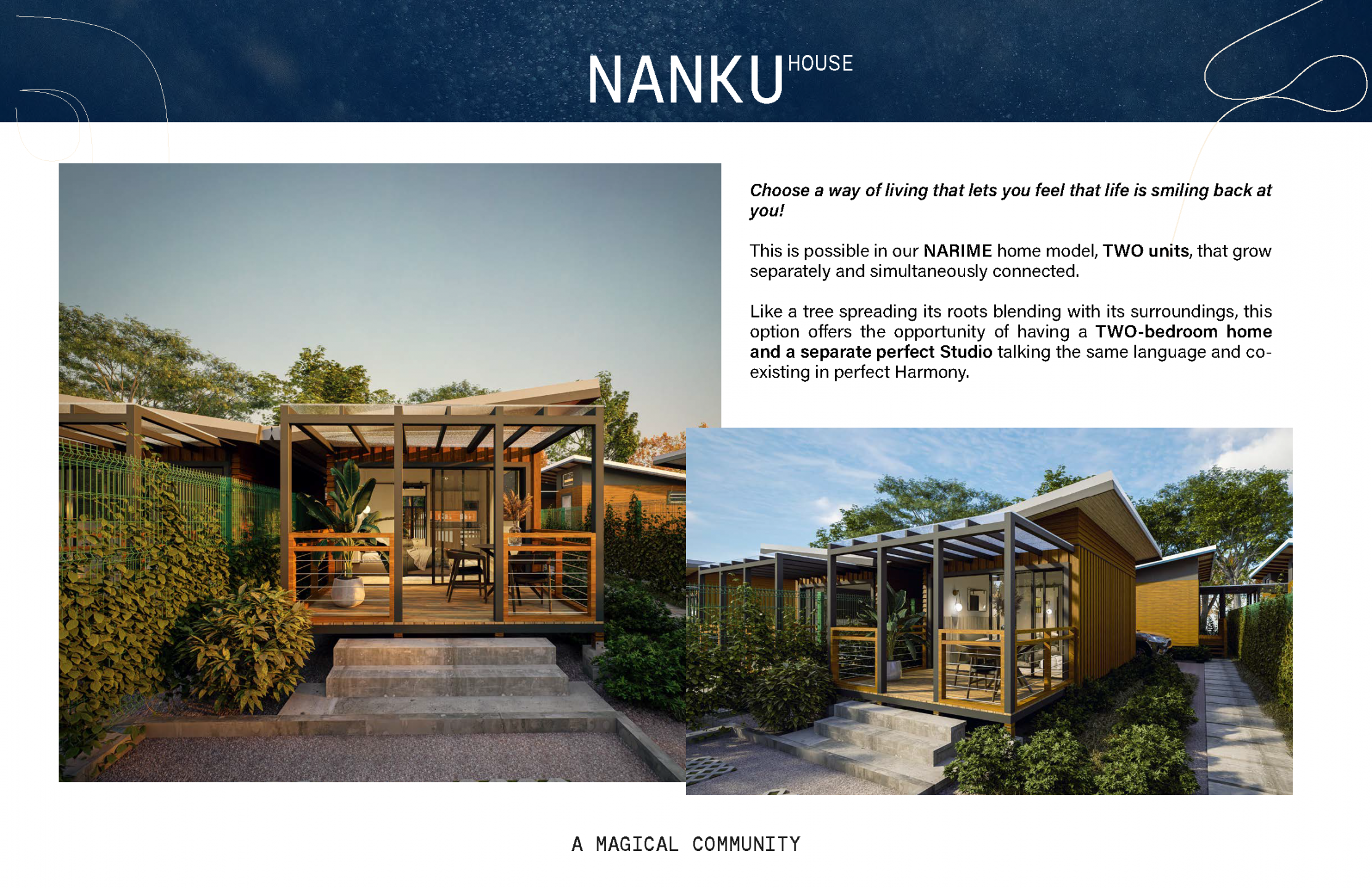
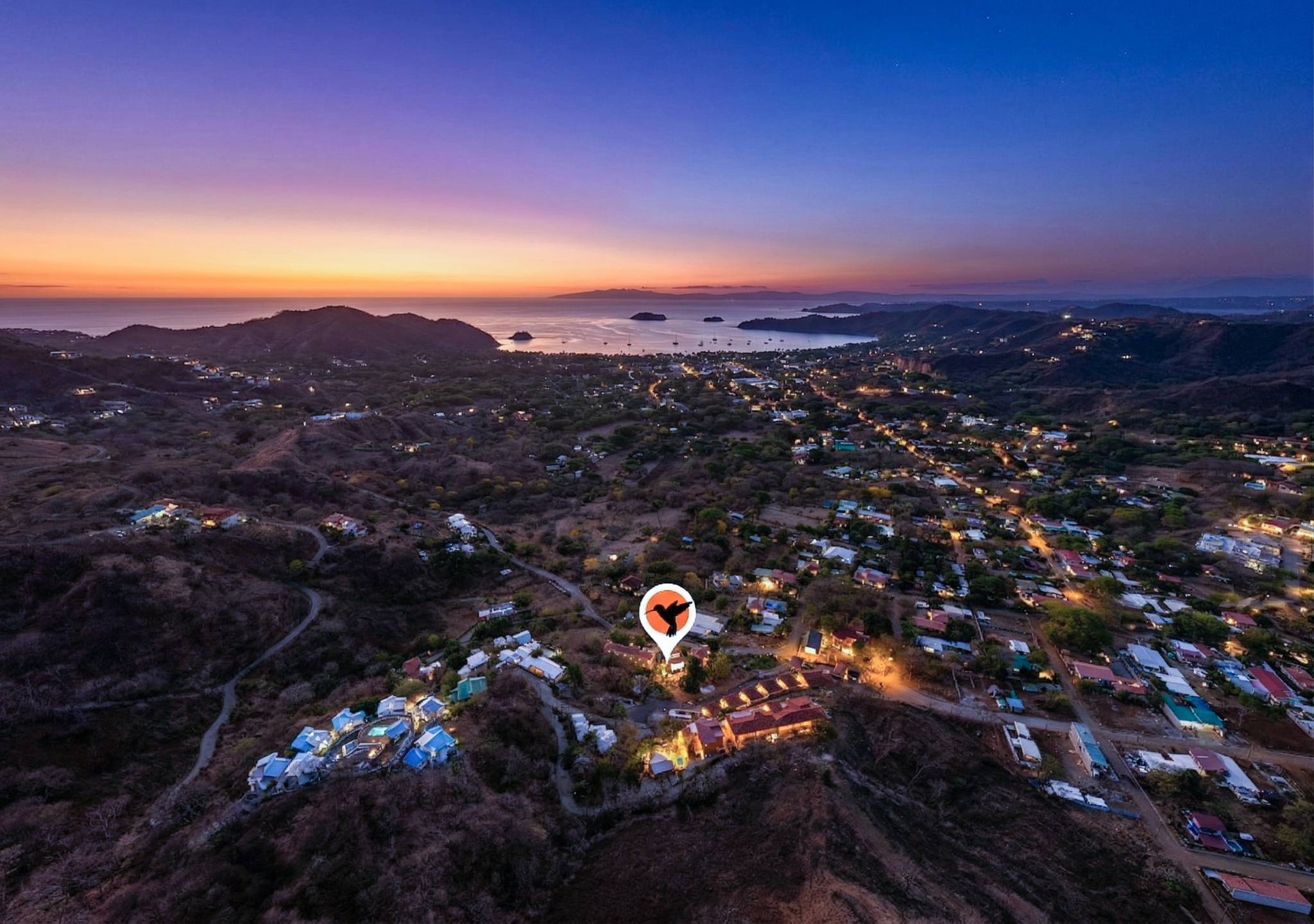
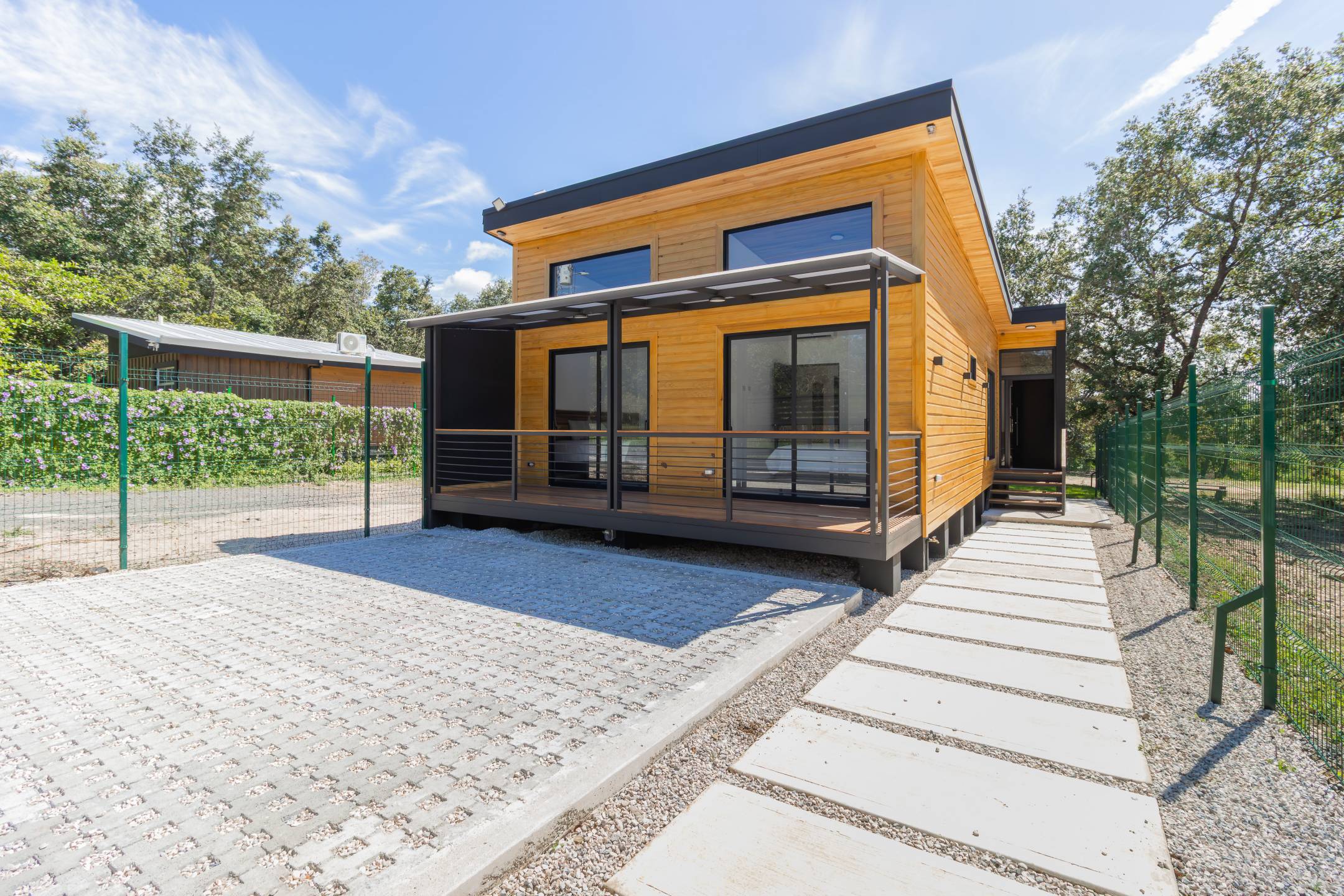
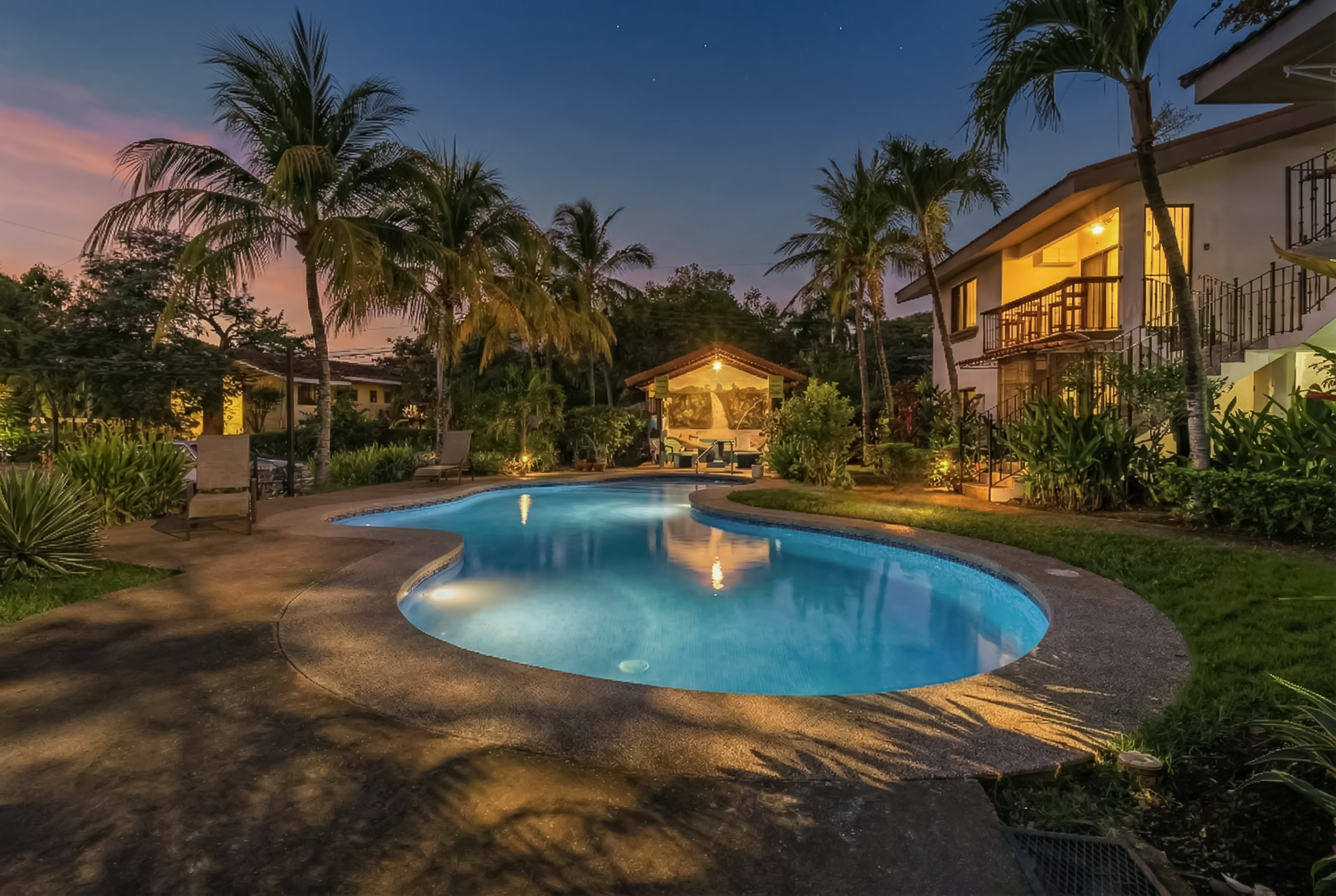
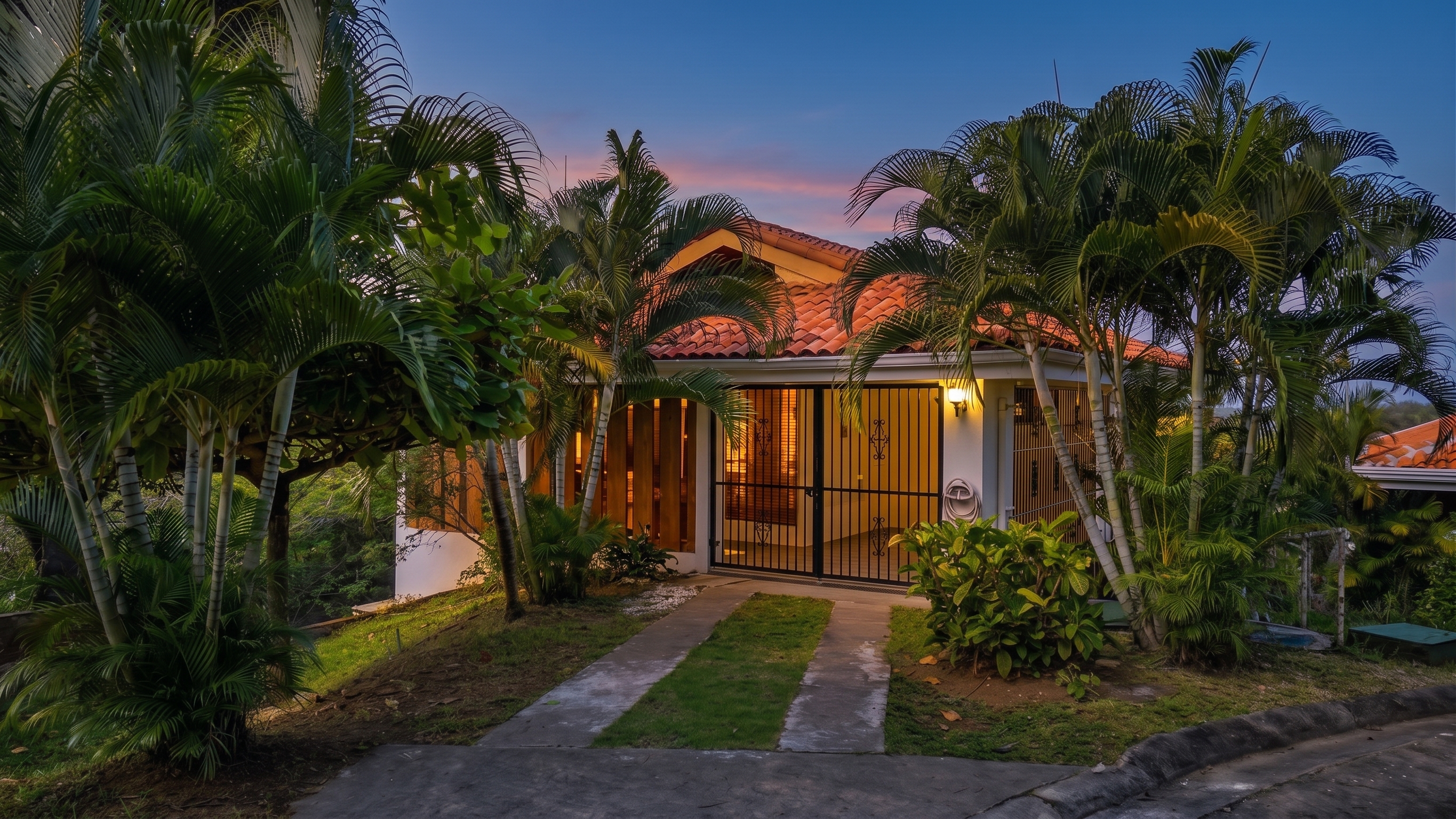
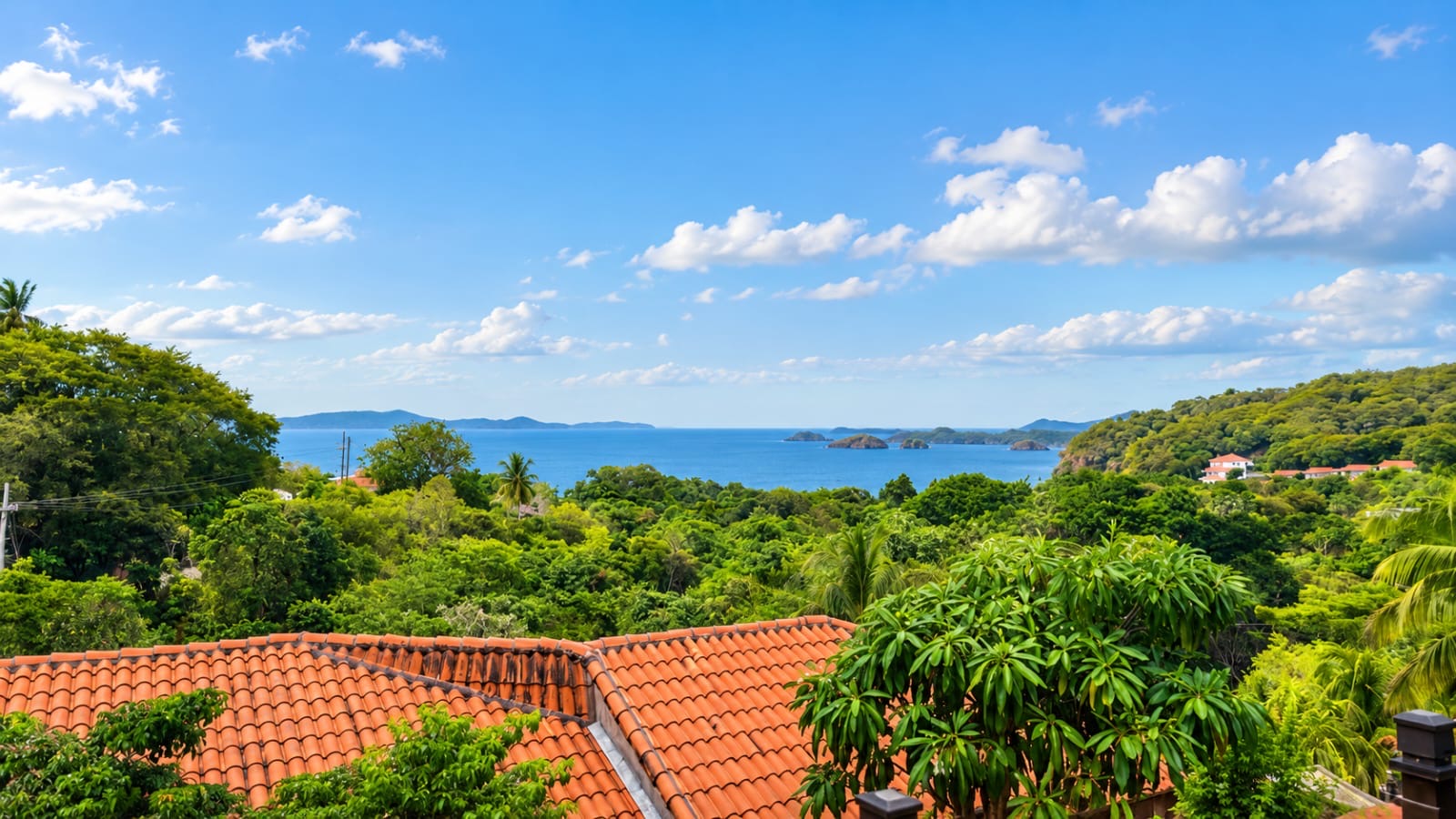
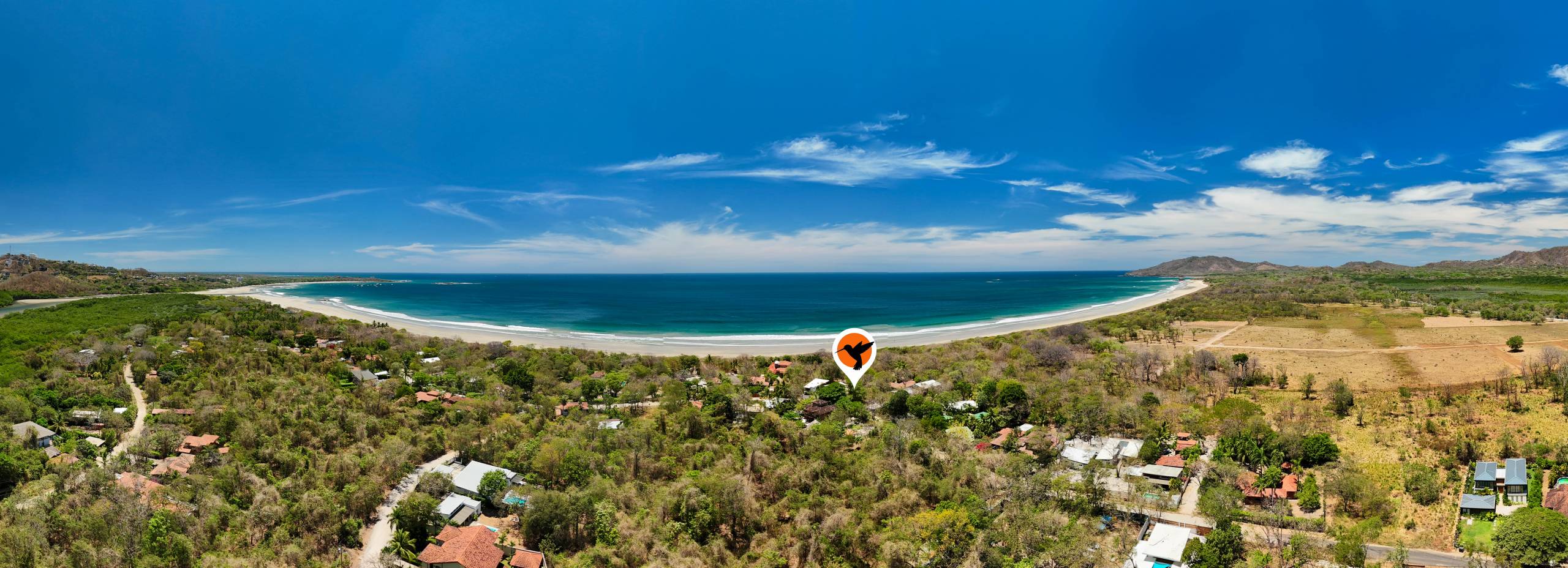
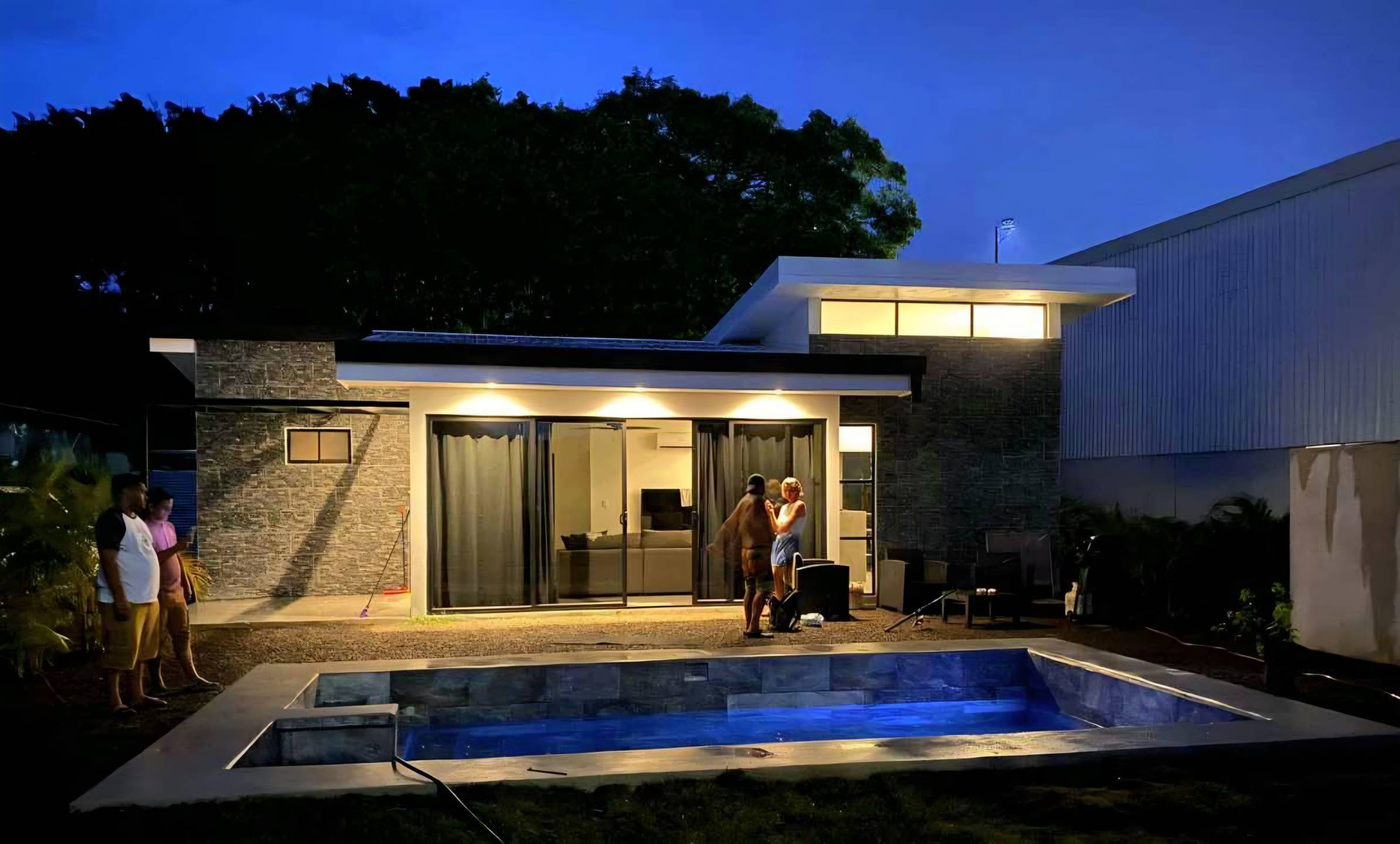
The northern end of the coast is the Gulf of Papagayo, the calmest water in the region and the closest beaches to the airport. Playa Hermosa is a gentle bay of villas and small condo projects. Just south, Playas del Coco is the largest and most complete beach town in the area, and five minutes further, Ocotal is its quiet residential cove. Inland, Sardinal is the district seat Coco belongs to, with more land and value a few minutes from the beach.
Heading south, the coast opens up into the Flamingo area. Playa Potrero has a relaxed neighborhood feel on a swimmable bay, and Las Catalinas is a planned, car-free town built for walking. Inland, Tempate offers land priced well below the coast within a short drive of several beaches.
Further south again is the Tamarindo area. Tamarindo is the busiest town on the coast, with surf, nightlife and a large international community. Across the estuary, Playa Grande is a low-density surf beach inside a national marine park. Hacienda Pinilla is a large gated golf and beach community, and Playa Avellanas is a rural surf beach with room to breathe. Our post on the Gold Coast from Papagayo to Tamarindo goes deeper.
The biggest practical difference is distance from Liberia airport. Coco, Hermosa and Ocotal are roughly half an hour away, the Flamingo and Potrero area closer to 45 minutes to an hour, and Tamarindo more than an hour. If you plan to come and go often, or you want rental guests arriving the same afternoon they land, that gap matters more than people expect.
Character is the other difference. Coco is a real Costa Rican town with full services and the widest price range. Tamarindo has more energy and a younger, surf-driven crowd. Las Catalinas and Hacienda Pinilla sit at the premium end, with architecture, amenities and management built in. Playa Grande and Avellanas suit buyers who want nature and space and are happy to drive for groceries.
Inland, the market changes again. Curubandé, on the slopes of Rincón de la Vieja volcano near Liberia, offers new construction, cooler evenings and real yards. Liberia, the provincial capital, is mainly a commercial and services hub. In the northern lowlands, Dos Ríos de Upala is farm country for buyers looking for working land or a large private estate.
Condos are the most common entry point, especially in Coco, Ocotal and Tamarindo, where gated communities with pools make ownership from abroad simple and short-term rental straightforward. Single-family homes range from modest houses in Costa Rican neighborhoods to ocean-view estates in gated communities, with the most inventory around Coco. Building lots and larger parcels are the most affordable way in and the most document-sensitive, and inland areas such as Sardinal, Tempate and Curubandé offer the most land for the money.
Beyond residential, the region also has income properties, boutique hotels, commercial property around Liberia, and working farms in the north. You can browse everything we currently list under homes, condos and land, or look at new developments.
New construction deserves its own caution. Pre-construction can offer attractive pricing and a modern design, but it depends on the developer, the permits and how payments are protected. Our guides to buying pre-construction and building a home in Guanacaste cover the questions to ask before you commit.
Foreigners can own titled property anywhere in Costa Rica with the same rights as citizens, and no residency is needed. The important exception is the Maritime Zone along the beach, the first 200 meters inland from the high tide line, which is held by municipal concession rather than titled ownership and comes with extra restrictions for foreign buyers. Our explainer on the Maritime Zone covers the details.
A typical purchase runs from written offer to purchase agreement, then a deposit into a SUGEF-regulated escrow account, due diligence by your own Costa Rican attorney, and closing before a notary. Closing costs typically add a few percent to the price, and most clean transactions take one to two months. Start with our guide to buying property in Costa Rica as an American or, for Canadians, buying Costa Rica real estate from Canada.
Two decisions are worth making early. First, whether to hold the property in your own name or through a Costa Rican company, which our post on holding property in a corporation explains. Second, if you are buying land, whether the lot already has its water letter and land-use certificate, because without them a building permit can be a long wait.
Vacation rental demand is not the same everywhere. Towns close to the airport, like Coco, Ocotal and Hermosa, benefit from short travel times and a mix of North American visitors, Costa Rican weekenders, and divers and anglers. Tamarindo draws surfers and a younger crowd. Premium communities such as Las Catalinas and Hacienda Pinilla lean on resort-style amenities and on-site rental programs. Rural beaches have smaller, more seasonal markets.
What rents well also varies by property. Condos with pools tend to be steady, while larger homes with private pools earn higher nightly rates but book more seasonally. Our post on buying for rental income near Liberia airport explains why proximity matters, and the guide to investment property and rental yields covers how to evaluate a rental honestly.
Before you count on rental income anywhere in the region, confirm the community's bylaws allow short stays, and plan for local registration and taxes, which we cover in our guide to Airbnb rules in Costa Rica. A good manager close to the property matters as much as the property itself.
We are based in Playas del Coco, at Plaza Dos Palos on Avenida Tortugas, and the Papagayo side of the coast is home. We live here. We manage here. Our team manages 60+ vacation rental units in Coco and Ocotal, which gives us real performance data and a daily view of how properties hold up after closing.
For the rest of Guanacaste, from Tamarindo and Hacienda Pinilla down to Avellanas, we work alongside trusted agents and partners who know those communities as well as we know Coco, so you get local knowledge wherever you buy. We are a bilingual team, we work with independent attorneys and regulated escrow on every deal, and we will tell you honestly when a town is not the right fit. Get in touch and tell us what you are looking for.
It depends on how you want to live. Playas del Coco, Ocotal and Hermosa are closest to Liberia airport and offer the widest price range. Tamarindo has the most energy and surf. Las Catalinas and Hacienda Pinilla are premium, amenity-rich communities. Inland areas like Sardinal and Curubandé offer more land and new construction for the money.
Yes. Foreigners can own titled property outright with the same rights as Costa Rican citizens and no residency requirement. Beachfront land inside the Maritime Zone is held by concession, which has different rules, so your attorney should confirm title status before you commit.
Playas del Coco, Ocotal and Playa Hermosa are roughly 25 to 30 minutes away. The Potrero and Las Catalinas area is about 45 minutes to an hour, and Tamarindo a little over an hour. Curubandé is around 35 minutes inland.
Both. Our office and our rental management are in Playas del Coco and Ocotal, and we list and show property across Guanacaste, working with trusted local agents and partners in areas such as Tamarindo. Tell us where you are looking and we will connect you with the right people.
It is one of Costa Rica's strongest rental regions, helped by the international airport in Liberia and a long dry season. Results depend heavily on the town, the property and the management, so ask for real booking history from comparable units rather than relying on generic projections.