Understanding the Cost of Living in Costa Rica
Real 2026 numbers for housing, groceries, healthcare, and residency from a team that lives in Guanacaste.
The cost of living in Costa Rica in 2026 runs about $1,600 to $2,200 a month for a single person in inland towns, and $3,000 to $5,000 for a couple on the Guanacaste coast. Housing is the biggest variable. Groceries, healthcare, and everyday services cost less than in the US, while cars and imported goods cost more.
We are Expat Properties | CR, and we live and work in Playas del Coco, Guanacaste. We first published this guide in 2024, and prices have moved since then. The numbers below reflect what we see on the ground in 2026, checked against current published data, so you can build a real budget instead of a hopeful one.
What does housing cost in Costa Rica in 2026?
Rent depends almost entirely on where you land. According to a 2026 cost breakdown from The Tico Times, a two-bedroom home in inland towns like Atenas, Grecia, or San Ramón rents for roughly $500 to $900 a month. In the upscale Central Valley suburbs of Escazú and Santa Ana, the same size apartment runs $1,000 to $2,000. In beach towns, expect $1,200 to more than $2,500 a month for a two-bedroom near the sand, and prices swing with the season because long-term tenants compete with vacation renters.
Playas del Coco sits in a useful middle ground. It is a real town with local supermarkets, banks, and clinics, not just a tourist strip, so day-to-day living tends to cost less than in beach towns that exist mainly for visitors. Condos here span a wide range depending on age, amenities, and distance to the beach, and the market moves, so we will not quote a number that could be stale next quarter. You can see current asking prices anytime on our listings page.
If you are weighing whether to rent first or buy right away, we wrote a separate guide on renting vs. buying in Costa Rica. Short version: rent for at least one full green season before you buy.
What do utilities and internet actually cost?
Basic utilities (electricity, water, garbage) for an apartment average about $98 a month in the San José area. On the coast, air conditioning is the wildcard. Guanacaste is hot most of the year, and a household that runs AC all day can double or triple its electricity bill compared to one that uses fans and runs AC only at night. Water is usually a small line item.
Internet has improved a lot. Fiber is available in Playas del Coco and most expat areas, and broadband plans average around $65 a month. Speeds are solid enough that plenty of our owners and neighbors work remotely full time.
How much are groceries and eating out?
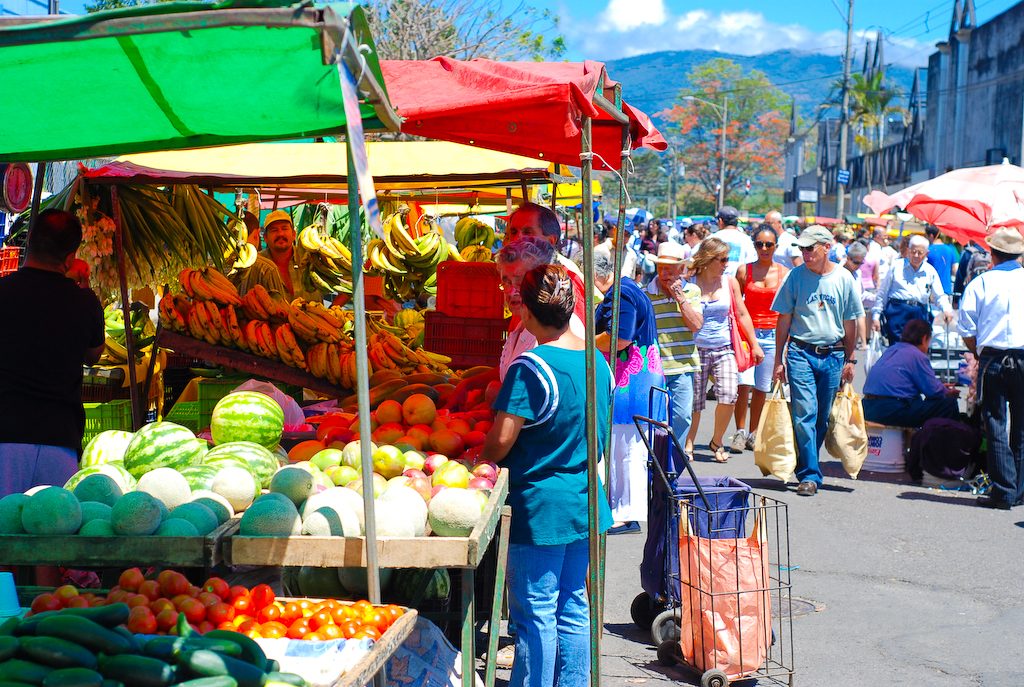
Shop like a local and food is reasonable. Current sample prices: a liter of milk about $2.24, a dozen eggs about $3.06, a kilo of chicken about $9.64, and a kilo of bananas about $1.65. The weekly feria (farmers market) is the cheapest place for produce. The premium shows up when you fill the cart with imported brands from home; those often cost 50 to 100 percent more than you are used to paying.
Eating out follows the same pattern. A meal at an inexpensive local restaurant, called a soda, runs around $10. A three-course dinner for two at a mid-range restaurant averages about $62 before drinks. Coco has both ends of that spectrum within a five-minute walk.

What does it cost to get around?
Gasoline is regulated nationally and priced by the liter. As of 2026 it sits around $1.34 per liter, which works out to roughly $5 a gallon (GlobalPetrolPrices tracks the current rate). Cars themselves are the bigger expense: import taxes make both new and used vehicles noticeably more expensive than in the US or Canada, so budget more for the purchase and keep the car longer.
Public buses are inexpensive and reach most of the country, and taxis and rideshare apps operate in Coco and other towns. Many retirees here get by with one car per household plus the occasional taxi, which keeps transport costs modest.
What does healthcare cost for expats?
Legal residents must join the public system, the Caja, and contributions are income-based, generally 7 to 11 percent of your declared monthly income. A pensionado declaring $1,000 a month typically pays somewhere around $70 to $110. The Caja covers care with no extra premiums, though wait times for non-urgent specialists can be long.
Most expats we know pair the Caja with private care. A private doctor visit costs about $40 to $80 and a specialist $80 to $150, cheap enough that many people simply pay cash. Private insurance ranges from roughly $80 to $150 a month for local INS plans to $200 to $500 for international coverage at age 50 and up. Confirm current Caja rates and plan pricing with a licensed professional before you commit; the rules are income-specific.
How much does residency cost, and what income do you need?
The three common temporary residency routes in 2026 are: pensionado, which requires a lifetime pension of at least $1,000 a month; rentista, which requires $2,500 a month in stable income for two years or a $60,000 deposit in a Costa Rican bank; and inversionista, which requires a $150,000 investment in property or a business. Real estate purchases count toward the inversionista threshold, which is one reason buyers often pair a home purchase with a residency application.
Budget $5,000 to $6,000 all-in for a straightforward application, including legal help and government fees, and expect roughly six months to a year for approval. After three years of temporary residency you can apply for permanent residency. These rules change, so verify the current requirements with an immigration attorney before filing. Our posts on visas in Costa Rica and retiring in Costa Rica cover the options in more detail.
What does a realistic budget look like in Playas del Coco?
Honest answer: the cost of living in Costa Rica is lowest inland, and the Guanacaste coast is not the cheapest part of the country. Couples living comfortably in coastal towns typically spend $4,000 to $5,000 a month, while a single person can manage on $3,000 or so. Inland towns cost meaningfully less. What the coast gives you in exchange is the beach, the weather, and, in Coco's case, a functioning town where you do not pay resort prices for eggs.
You control more of the budget than you might think. Shop at the feria, manage the AC, drive a modest car, and eat at sodas more often than at tourist restaurants, and your spending lands at the low end of those ranges. Import your lifestyle wholesale from back home and it lands at the high end.
If you are trying to figure out what the cost of living in Costa Rica means for your own plans, we can help. Browse our current listings, read up on life in Playas del Coco, or send us a message. We will give you straight numbers, including the ones that argue against buying yet.
Frequently asked questions
Can a couple live in Costa Rica on $2,500 a month?
Yes, in inland towns like Atenas or Grecia, where two-bedroom rentals run $500 to $900 a month, a careful couple can live well on $2,500. On the Guanacaste coast it is tight; most couples living comfortably in beach towns spend $4,000 to $5,000 a month once rent, AC, and a car are included.
Is Costa Rica cheaper than the United States?
For most expats, yes, but not dramatically. Local produce, healthcare, rent outside prime beach areas, and services cost noticeably less than in the US. Cars, electronics, and imported groceries cost more because of import taxes. Your total depends on lifestyle: live like a local and you save; replicate your US life exactly and the gap shrinks.
How much income do I need to get residency in Costa Rica?
As of 2026, the pensionado category requires a lifetime pension of at least $1,000 a month. Rentista requires $2,500 a month in stable income or a $60,000 Costa Rican bank deposit. Inversionista requires a $150,000 investment, and real estate qualifies. Requirements change, so confirm current rules with an immigration attorney before applying.
Cover photo: Everjean, CC BY 2.0, via Wikimedia Commons · Photo: David Berkowitz, CC BY 2.0, via Openverse