How to Buy a Home in Costa Rica
A step-by-step guide for expat buyers, updated for 2026 with current taxes and closing costs.
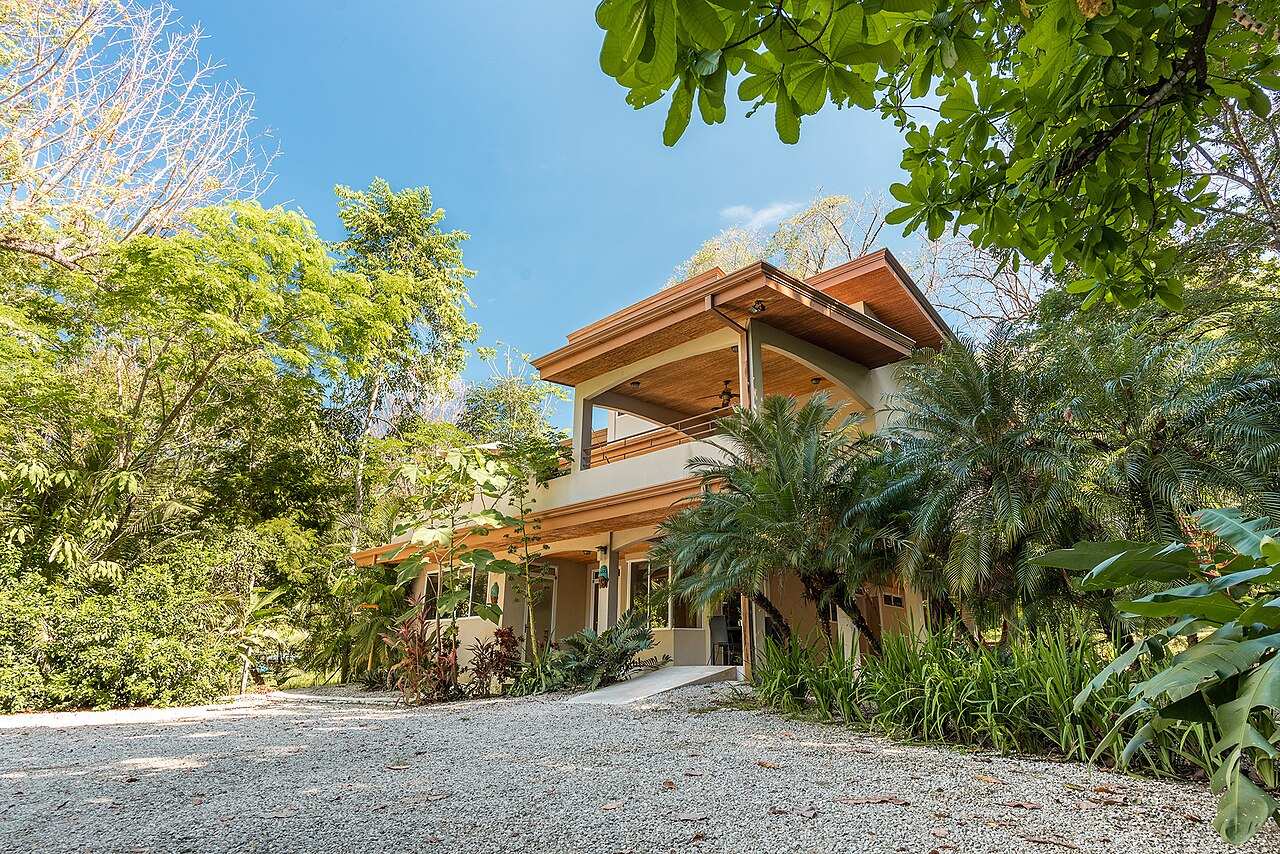
Foreigners can buy a home in Costa Rica with the same ownership rights as citizens, no residency required. The process runs offer, purchase agreement, attorney due diligence, then closing before a notary. Budget roughly 3.5 to 4 percent of the purchase price for closing costs, and plan on one to two months from accepted offer to keys.
We are Expat Properties | CR, a sales and vacation rental brokerage based in Playas del Coco, Guanacaste. We have walked a lot of buyers through this process, and we refreshed this guide in August 2026 so the numbers reflect current law. Here is how it actually works, in the order it happens.
Can foreigners really own property in Costa Rica?
Yes. Titled property in Costa Rica is registered in the National Registry, and foreign buyers hold it with exactly the same rights as Costa Ricans. You can own in your personal name or through a corporation, and you do not need residency, citizenship, or a local partner. Plenty of our clients closed their purchase while still on a tourist entry.
The big exception is the first 200 meters inland from the high tide line, known as the Maritime Zone. As the Tico Times explains in its overview of the Maritime Zone law, the first 50 meters are public land that cannot be built on, and the next 150 meters are restricted zone land that the state grants through concessions, a form of long term lease. Foreigners need at least five years of legal residency to hold a concession, and a corporation holding one must be majority Costa Rican owned. We break down the difference in our guide to concession vs. titled properties.
The practical takeaway for our area: most homes and condos in Playas del Coco and Ocotal sit on fully titled land. If a listing is marketed as beachfront, ask early whether it is titled or concession, because the rules, the risks, and the resale market are different.
What does buying a home in Costa Rica cost beyond the price?
Closing costs typically add about 3.5 to 4 percent of the purchase price. The main pieces:
- Transfer tax: 1.5 percent of the sale price or the registered fiscal value, whichever is higher.
- National Registry stamps: roughly another 0.5 percent.
- Notary and legal fees: usually 1 to 1.5 percent, following the Costa Rican Bar Association fee schedule.
- Escrow and due diligence costs: these vary by deal, so ask your attorney for a written quote up front.
Once you own, the annual municipal property tax is 0.25 percent of the registered value. Separately, Costa Rica charges a solidarity tax on higher value homes, usually called the luxury home tax. For 2026, the Ministry of Finance set the threshold at 143 million colones of construction value, with progressive rates from 0.25 to 0.55 percent and a filing deadline of January 15. The threshold is updated each year, the calculation has technical rules, and the exemption covers most homes in our market, so confirm your specific situation with a licensed accountant.
How does the purchase process work, step by step?
- Pick your area and your team. Costa Rica has no centralized, regulated MLS, so the same property can appear at different prices on different sites. Work with an established local brokerage that knows the inventory and the sellers, and browse current listings to calibrate real asking prices.
- Make a written offer. Your agent presents a letter of intent or an offer to purchase covering price, payment terms, timeline, and contingencies such as inspection. Sellers here expect negotiation, so a reasonable offer below asking is normal, not rude.
- Sign the purchase agreement and fund escrow. Your deposit goes to an escrow company supervised by SUGEF, Costa Rica's financial regulator. It should never sit with the seller or the agent.
- Due diligence. Your attorney investigates the property, usually over two to four weeks. The next section covers what they check.
- Closing. A notary public, who in Costa Rica is an attorney with additional credentials, drafts the transfer deed. You sign, escrow releases the funds, and the notary submits the deed for registration.
- Registration. The National Registry records you, or your corporation, as the new owner, normally within a few weeks of closing.
In our experience, most cash purchases go from accepted offer to closing in 30 to 60 days. Corporate structures, concession property, or financing add time.
What does your attorney check during due diligence?
Hiring your own independent attorney is the single most important protection you have in this process. A proper due diligence normally covers:
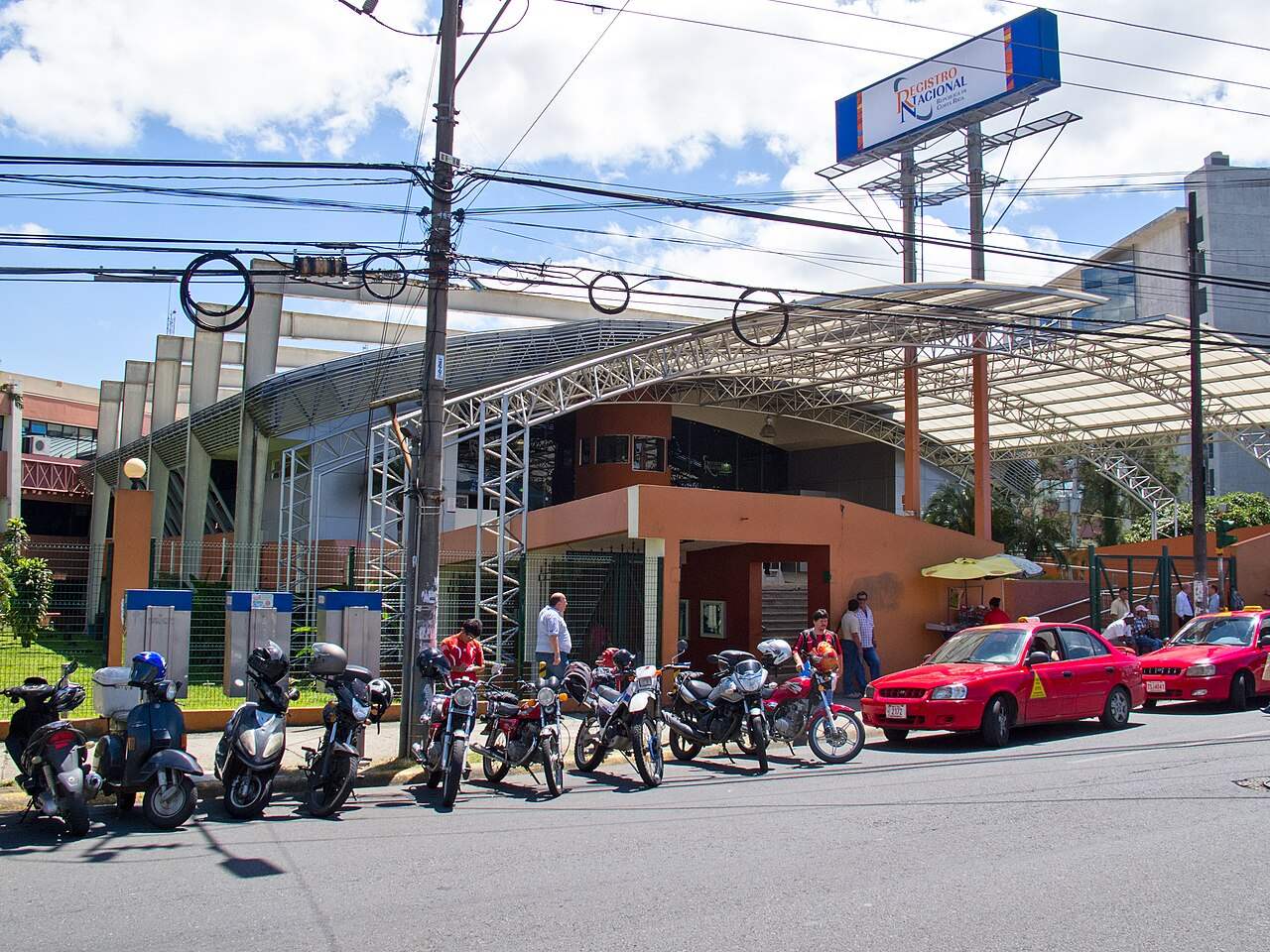
- A title study in the National Registry: liens, mortgages, annotations, and easements.
- The survey plan (plano catastrado) and whether it matches what is actually on the ground.
- Zoning, water availability letters, and building permits for the structure.
- For condos, the HOA's finances, bylaws, and any pending special assessments.
- For corporation purchases, the company's debts, tax standing, and shareholder history.
We wrote more about choosing counsel in why hiring a good lawyer in Costa Rica is essential. Use any licensed attorney you trust. If you would like referrals, we are glad to share the firms our clients have worked with for years, and you remain free to pick your own.
Can you get a mortgage in Costa Rica?
Usually not on terms most North Americans would accept. Local banks rarely lend to non-residents, and when they do, the rates and down payment requirements are far heavier than what you are used to at home. That is why the majority of expat purchases here are cash: savings, the proceeds of a home sale, or a home equity line on a property back in the US or Canada. Seller financing shows up on some listings, typically with a large down payment and a short term. If your plan depends on financing, tell your agent on day one, so you only tour options that can actually work.
Should you buy in your own name or through a corporation?
Both are common. Personal ownership is simpler and cheaper to maintain. A Costa Rican corporation, usually an S.A. or an S.R.L., can make estate planning, shared ownership, and rental operations easier, but it brings an annual corporate tax plus bookkeeping and filing obligations. This is a legal and tax decision, not a real estate one. Get advice from your attorney and accountant before closing, because restructuring ownership afterward costs real money in transfer taxes and fees.
What happens after closing?
A few practical items make the handover smooth:
- Move utilities (electricity, water, internet) into the new owner's name or corporation.
- Calendar the taxes: municipal property tax, payable at your municipality, and the solidarity tax each January if your home is over the threshold.
- Get the home insured, and price coverage for earthquakes, which standard policies do not always include.
- If you will rent the home out or leave it empty part of the year, line up local property management for guest care, maintenance, and regular inspections.
It also pays to decide early whether the home is for personal use, rental income, or both, because that choice shapes which properties make sense. Our honest take on the tradeoffs is in renting vs. buying property in Costa Rica.
Ready to start looking?
Buying a home in Costa Rica is a manageable process when you keep the order of operations straight: verify title, use regulated escrow, and never skip due diligence. If you are thinking about Playas del Coco, Ocotal, or anywhere on Guanacaste's coast, send us a message or browse our current listings. We live here, and we will give you a straight answer, including when a property is not the right buy.
Frequently asked questions
Can Americans buy property in Costa Rica without being residents?
Yes. Costa Rica gives foreign buyers the same ownership rights as citizens for titled property, and no visa or residency status is required. Many buyers complete a purchase while visiting on a tourist entry, or sign remotely through a power of attorney. The exception is Maritime Zone concession land, which carries residency and ownership restrictions for foreigners.
How long does it take to buy a home in Costa Rica?
For cash purchases, plan on roughly 30 to 60 days from accepted offer to closing. Attorney due diligence usually takes two to four weeks, and the National Registry records the new deed within a few weeks after closing. Corporate structures, concession property, or financing all add time, so build some slack into your travel plans.
What taxes do you pay when buying and owning a home in Costa Rica?
At closing, expect about 3.5 to 4 percent of the price in total costs, including a 1.5 percent transfer tax, registry stamps, and notary fees. Ongoing, the municipal property tax is 0.25 percent of registered value per year, plus the solidarity (luxury home) tax if your construction value exceeds the threshold Hacienda sets annually.
Cover photo: Pacific-Azure-Malpais, CC BY-SA 4.0, via Wikimedia Commons · Photo: Ll1324, CC0, via Wikimedia Commons