Concession vs. Titled Properties in Costa Rica
What the maritime zone means for beach buyers, and why most homes in Coco are titled anyway.
In Costa Rica, titled property gives you full, registered ownership, the same rights a citizen has. Concession property sits in the maritime zone, the first 200 meters inland from the high tide line, where the state owns the land and you lease the right to use it, usually for 20 years at a time.
What is a titled property in Costa Rica?
A titled property (propiedad titulada) is land recorded in the National Registry with a full ownership deed. When you buy it, your attorney transfers the title into your name or your corporation's name, and the registry entry is the proof. You can sell it, rent it, mortgage it, pass it to your heirs, or build on it within local zoning rules.
Foreigners can own titled property outright. There is no residency requirement, no citizenship requirement, and no local partner needed. A tourist on a 90 day stamp can close on a titled home with the same rights as a Tico buyer. If you want the longer version of that story, we wrote about it in Can Americans Buy Property in Costa Rica?
Almost everything we sell around Playas del Coco is titled: the condos, the hillside homes, the building lots. Titled land is the default once you step back from the sand.
What is a concession property?
A concession property sits inside the Maritime Terrestrial Zone (Zona Marítimo Terrestre, or ZMT), the strip of coast regulated by Law 6043, the Maritime Zone Law. The state owns that land. Nobody can buy it. What you can acquire is a concession: a long term lease granted by the local municipality, with oversight from the Costa Rican Tourism Institute (ICT), that lets you occupy and build on a specific parcel for a set period.
A concession is a real, registrable right. It can be sold, inherited, and renewed. But it is not ownership, and that difference drives everything else: the approval process, the restrictions on who can hold it, the financing, and the risk.
How does the maritime zone actually work?
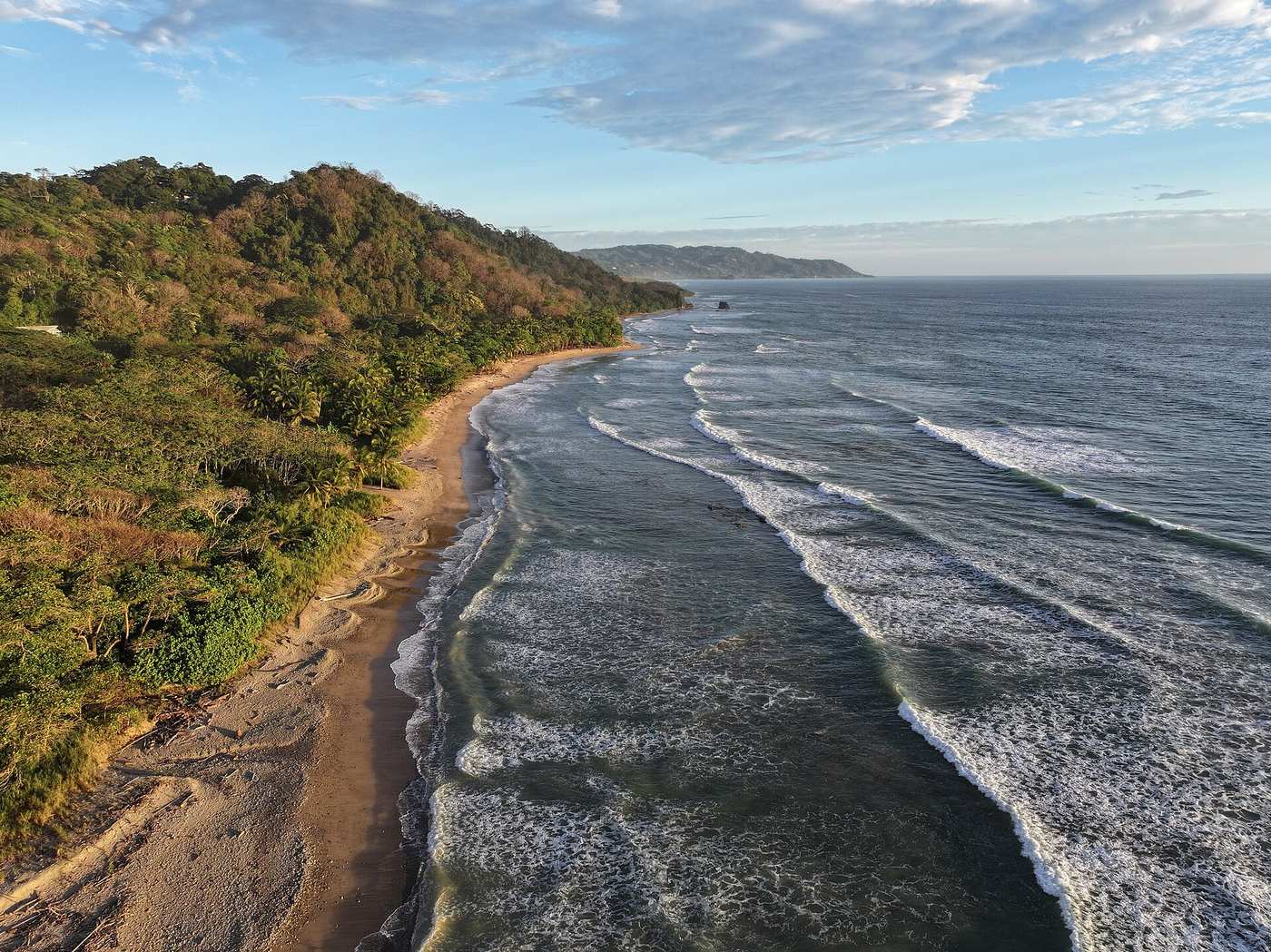
The ZMT covers the first 200 meters inland from the mean high tide line, split into two very different bands:
- The public zone: the first 50 meters. This belongs to everyone. No private ownership, no concessions, no permanent construction. It is why every beach in Costa Rica is public, and why nobody can legally fence you off the sand.
- The restricted zone: the next 150 meters. This is where concessions live. The municipality can grant use rights here, but only where an approved coastal zoning plan (plan regulador) exists. No zoning plan, no valid concession.
Concessions are typically granted for terms of up to 20 years and are renewable. The holder pays an annual fee to the municipality, called a canon, based on the appraised value of the parcel. Stop paying the canon or breach the terms, and the concession can be cancelled. Renewal is the norm in practice, but it is a request, not an automatic right, which is exactly the kind of detail your attorney should walk you through before you commit.
One footnote worth knowing: a small number of beachfront lots were titled before the law took effect and remain fully titled today. They are rare, they are grandfathered, and they usually carry a price to match.
Who can hold a concession?
This is where many foreign buyers get a surprise. Under Law 6043's restrictions, foreigners who have not been legal residents of Costa Rica for at least five years cannot hold a concession in their own name. And if a corporation holds the concession, Costa Rican nationals must own more than half of it. A foreigner can participate, but cannot control the majority.
You will hear about structures designed to work around those limits. Be careful. Share transfers that put majority control in foreign hands can be declared void, and a concession obtained through a structure that violates the law is a concession at risk. This is not a corner to cut with a template corporation. Hire a good independent lawyer, one who represents you and not the seller. We wrote about why the right lawyer matters because we have seen what happens without one.
Which is the better buy, titled or concession?
For most of the buyers we work with, titled property wins, and it is not close. Here is the honest comparison:
- Security. Titled land is yours in perpetuity, protected by the National Registry. A concession is a lease with a clock on it and conditions attached.
- Eligibility. Anyone can buy titled land. Concessions exclude most foreign buyers from direct majority control until they have five years of residency.
- Financing. Lenders treat titled land as normal collateral. Financing against a concession is difficult and largely limited to Costa Rica's national banking system.
- Resale. A titled home sells to the whole market. A concession property sells only to buyers who qualify and who accept the structure, which shrinks your pool.
- Location. This is the concession's one real card. If you want to build within 150 meters of the sand, in most beach towns a concession is the only way.
Concessions are not bad investments by definition. Hotels, beach clubs, and restaurants operate on them successfully all along this coast. But they are a different product with a different risk profile, and the price should reflect that.
What does this mean in Playas del Coco and Ocotal?
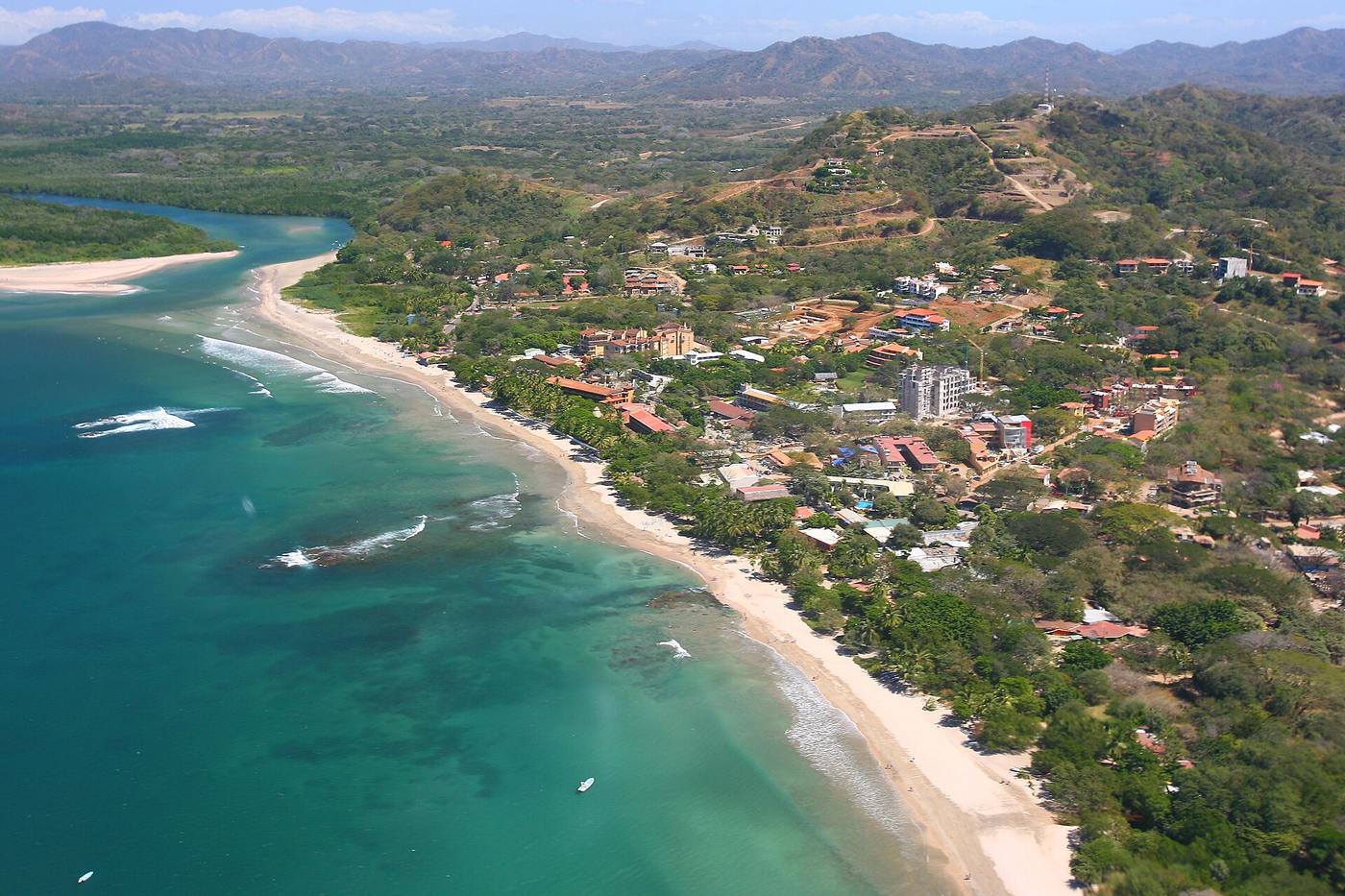
Walk from the sand in Coco toward the hills and you cross the whole spectrum in ten minutes. The beachfront strip and the land right behind it fall under the maritime zone. Step past the 200 meter line and you are on titled ground: the town core, the condo communities, the view homes above the bay in Playas del Coco and Ocotal are overwhelmingly titled properties.
That is one of the quiet advantages of buying here. You can live five minutes from the beach with full, clean, registered ownership and never think about a canon payment or a renewal date. The ocean view homes we list on the hillsides give up direct beachfront, and in exchange you get simpler ownership, easier resale, and usually a better view than the flat land by the sand.
How do you check before you buy?
Due diligence looks different for each type. For titled property, your attorney pulls the registry report (informe registral) to confirm the seller owns it and to check for liens, easements, and annotations, then matches the survey plan (plano catastrado) to what is on the ground.
For a concession, the checklist is longer: confirm the concession is current and properly registered, read the term and expiry date, verify the canon is paid up, confirm the zoning plan allows your intended use, and confirm that you, or your structure, can legally hold it. Any gap in that chain is a real problem, not a paperwork detail.
Either way, the process is manageable with the right team. Our step by step guide to buying a home in Costa Rica covers how a normal closing works.
The short version
Titled property is full ownership, open to anyone, and covers nearly everything for sale in our area. Concession property is a state lease on the first 200 meters of coast, with real restrictions on foreigners and a renewal cycle to manage. Both can make sense. You just need to know which one you are looking at before you fall in love with it.
If you are weighing a specific property and want a straight answer on how it is held, ask us. We live here, we sell here, and we are happy to point you to the right attorney. Browse our current listings, all clearly identified by type, or send us a message and we will get back to you quickly.
Frequently asked questions
Can a foreigner own beachfront property in Costa Rica?
Not in the usual sense. The first 200 meters from the high tide line is state land under the Maritime Zone Law. The first 50 meters is fully public, and the next 150 meters is held through municipal concessions, which foreigners without five years of legal residency cannot hold directly. Beyond 200 meters, foreigners can own titled property outright.
How long does a Costa Rica concession last, and can it be renewed?
Concessions are typically granted for terms of up to 20 years and are renewable through the municipality. Renewal is common in practice but not automatic: the holder must apply, stay current on the annual canon fee, and comply with the concession terms and the local coastal zoning plan. An attorney should confirm the status of any concession before you buy.
Is titled property safer than concession property in Costa Rica?
Generally, yes. Titled property is full ownership registered in the National Registry, open to any buyer, easier to finance, and easier to resell. A concession is a lease with a term, an annual fee, and eligibility rules. Concessions can work well for tourism businesses, but for most home buyers titled land is the simpler, lower risk choice.
Cover photo: Tamarindowiki, CC BY-SA 3.0, via Wikimedia Commons · Photo: Quintin Soloviev, CC BY 4.0, via Wikimedia Commons