Shipping Your Household to Costa Rica: Container, Costs, Customs
What a container really costs, how import taxes work, and what we would leave behind after years of helping people move to Guanacaste.
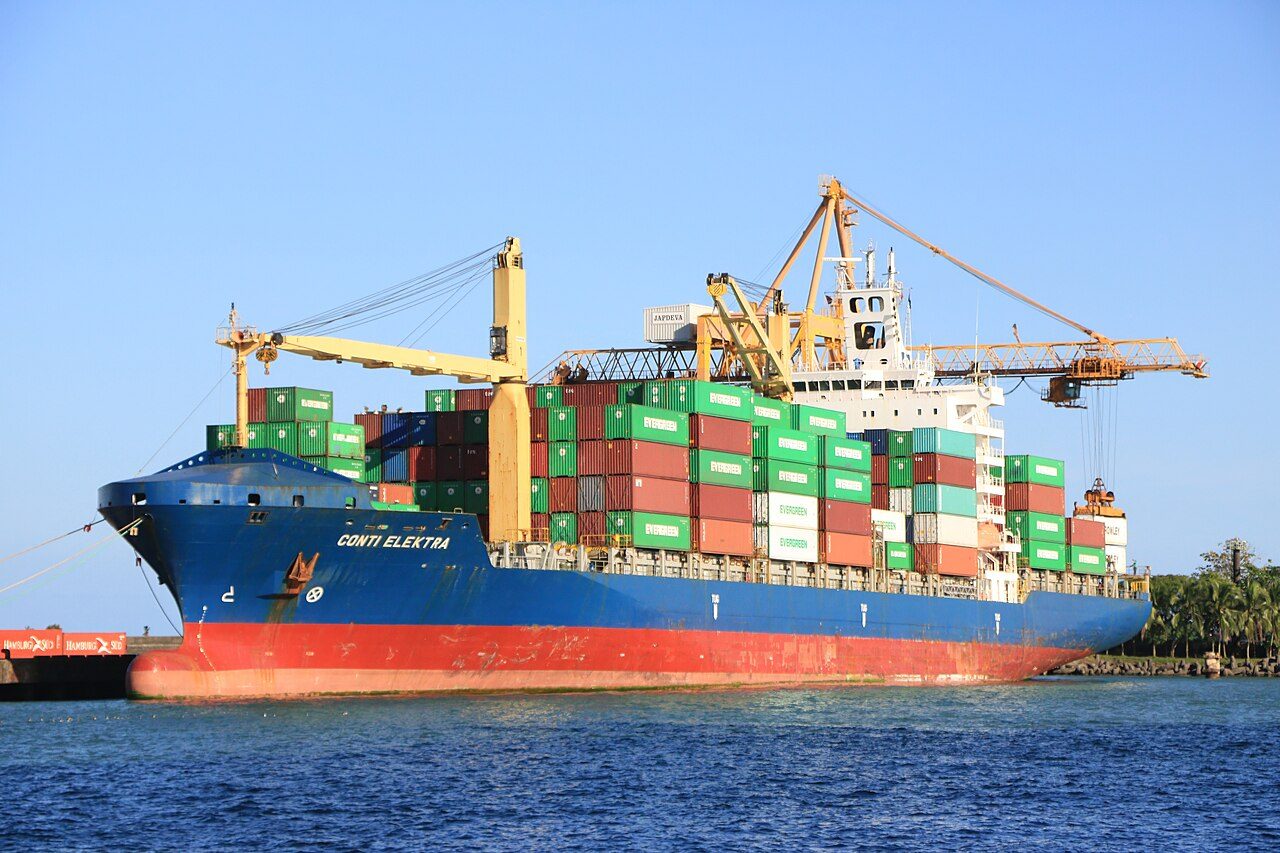
Shipping household goods to Costa Rica usually means a 20 or 40 foot container, a licensed customs broker, and import taxes calculated on the value of what you bring. Ocean freight is only part of the bill. For many movers, a small shared shipment plus buying locally beats a full container. Here is how the numbers work.
Should you ship a container at all?
This is the first question, and we ask it of every client who is planning a move to Guanacaste. We live in Playas del Coco, and we have watched plenty of containers arrive full of things that never made sense here. Overstuffed sofas mold in the green season. Cold weather clothes sit in closets. Particle board furniture swells in the humidity and falls apart within a couple of years.
The honest math looks like this. A full container makes sense if you own solid wood furniture you love, quality tools, or specialty equipment that is expensive or hard to find in Costa Rica. It makes much less sense if your house is furnished with items you could replace at similar cost in San Jose or Liberia. We wrote a whole post on this: 8 things to leave behind when you move to Costa Rica. Read it before you book anything.
One more point in favor of packing light: appliances and electronics from the US and Canada work here. Costa Rica uses the same style of outlets and household current as North America, so there is no voltage conversion problem. The bigger risk to your electronics is salt air and power fluctuation at the beach, not compatibility.
What does a container to Costa Rica cost?
There is no single answer, and anyone who gives you one number without seeing your inventory is guessing. The cost of shipping household goods to Costa Rica breaks into layers:
- Ocean freight. This is the port to port piece. Published estimates for freight alone from US ports to Limon have run from roughly $1,000 to $2,200 depending on origin and container size, based on rate data collected by moving comparison sites. Rates move constantly with fuel and season, so treat any figure you read online as a starting point, not a quote.
- Packing and trucking at origin. Professional packing, loading, and the truck to the departure port.
- Port and handling fees in Costa Rica. Unloading, storage days at the port, and terminal charges.
- Customs brokerage. Imports clear through a licensed customs agent. Your mover or freight forwarder arranges this, and it is a real line item.
- Import taxes. Covered in the next section, and often the biggest surprise.
- Final delivery. The truck from the port to your door in Guanacaste.
Our practical advice: get three written door to door quotes that name every fee, in writing, before you commit. A freight only quote that looks cheap can double once the destination charges appear. If you are shipping less than a full container, ask about shared or consolidated container service, where you pay for the cubic meters you use. For a two bedroom condo worth of belongings, that route is often the better deal.
How do customs and import taxes work?
Costa Rica taxes most imported goods, including used household items, and the tax is calculated on the CIF value: the cost of the goods plus insurance plus freight. Duty rates vary widely by product category under the harmonized tariff system. As one example from a Costa Rican legal guide, a wooden office chair carries a 14 percent import duty, plus 13 percent VAT and a 1 percent surcharge under Law 6946, which works out to roughly 28 percent of the CIF value in total. Other categories, especially appliances, can be taxed at much higher rates. You can read more detail at Costa Rica Law's guide to import duties and tariffs.
Two things follow from that. First, your packing list matters. Customs works from a detailed inventory, and the assessed value of used goods, not what you originally paid, drives the tax. Second, it rarely pays to ship things you could buy here for less than the freight plus tax you would pay to import them.
We are not customs brokers or attorneys, and rates change. Before you load a container, have your broker or a Costa Rican attorney run the numbers on your actual inventory.
What happened to the Law 9996 tax exemption?
You may have read that new residents can import household goods tax free. That was true for a window of time, and the details matter in 2026.
Law 9996, passed in mid 2021 to attract investors, rentistas, and pensionados, gave approved residents in those categories a one time exemption from import taxes on household goods, plus the right to import up to two vehicles free of import duties and VAT. The investor category required a $150,000 minimum investment. The exemption was processed through the government's EXONET system, and goods brought in under it had to be kept for years afterward or the taxes came due. The regulations to Law 9996 spell out the conditions.
Here is the catch: the law granted those benefits only during its first five years. That window opened in July 2021, which means it ran out in mid 2026. As we write this in August 2026, we have not seen an extension become law. If you are counting on a tax free container, do not rely on a blog post, ours included. Confirm the current status of Law 9996 with a licensed Costa Rican attorney before you ship, because the difference is thousands of dollars.
Which port will your container arrive at?
Almost all containers of household goods from the US East Coast and Gulf arrive on the Caribbean side at Moin, next to Limon, where APM Terminals opened a dedicated deep water container terminal in 2019. Some Pacific routings use Puerto Caldera, near Puntarenas. Either way, your goods clear customs at the port and then travel by truck to Guanacaste. That inland leg is a normal part of any door to door quote, so make sure it is included.
What does the process look like, step by step?
- Inventory and purge. List everything, then cut the list. Our Costa Rica packing list is a good companion here.
- Get three door to door quotes. Compare movers that specialize in shipping household goods to Costa Rica, and ask each to itemize destination charges and taxes, not just freight.
- Prepare the paperwork. Passport copy, bill of lading, and a detailed, valued packing list. If you are claiming any exemption, your residency paperwork must be in order first.
- Insure the shipment. Marine insurance is cheap relative to what a lost or soaked container costs you.
- Ship, clear, deliver. Your broker files the import declaration, taxes are paid, and the container is released and trucked to your new home.
Timing varies with the season and the port, so build slack into your plans. Do not book your furniture delivery for the day after the ship docks.
What should you buy in Costa Rica instead?
After years of helping people settle in Coco and Ocotal, our short list: beds and mattresses (easy to buy new here), outdoor furniture (buy pieces built for this climate), plastic and particle board anything (leave it), and most small appliances (replacing them costs less than taxing them). Bring your good knives, your tools, your art, and the solid wood pieces you would miss. For a broader look at planning the move itself, see what to know before moving to Costa Rica and our guide to retiring in Costa Rica.
If you are still deciding where that container should be delivered, that part we can help with directly. We live here, we manage 60+ rentals in the area, and we are happy to talk through neighborhoods, house sizes, and what actually fits through a Costa Rican doorway. Browse our current properties for sale or send us a message and we will give you straight answers.
Frequently asked questions
Do I have to pay import taxes on used household goods in Costa Rica?
Generally yes. Costa Rica taxes most imports, new or used, based on the CIF value (cost plus insurance plus freight), with rates that vary by product category. The special exemption for new residents under Law 9996 was limited to the law's first five years, a window that ran out in mid 2026. Confirm current rules with a Costa Rican attorney or customs broker.
How long does it take to ship household goods to Costa Rica?
Plan in weeks, not days. The ocean crossing from US ports is the short part. Packing, the truck to port, customs clearance at Moin or Caldera, and final delivery to Guanacaste all add time, and port congestion or paperwork issues can stretch it further. Ask your mover for a realistic door to door window and build slack into your plans.
Is it cheaper to ship furniture to Costa Rica or buy it there?
For most ordinary furniture, buying in Costa Rica wins once you add freight, port fees, brokerage, and import taxes. Shipping makes sense for solid wood pieces you love, quality tools, and items that are expensive or hard to find locally. Skip particle board and oversized upholstered pieces, which suffer in the humidity anyway.
Cover photo: ImagePerson (Wikimedia Commons), CC BY 4.0, via Wikimedia Commons · Photo: Bilal Ahmed, Pexels