Living in Jacó, Costa Rica: An Honest Guide for Expats
What daily life is really like in the Central Pacific beach town closest to San José, and who it suits.
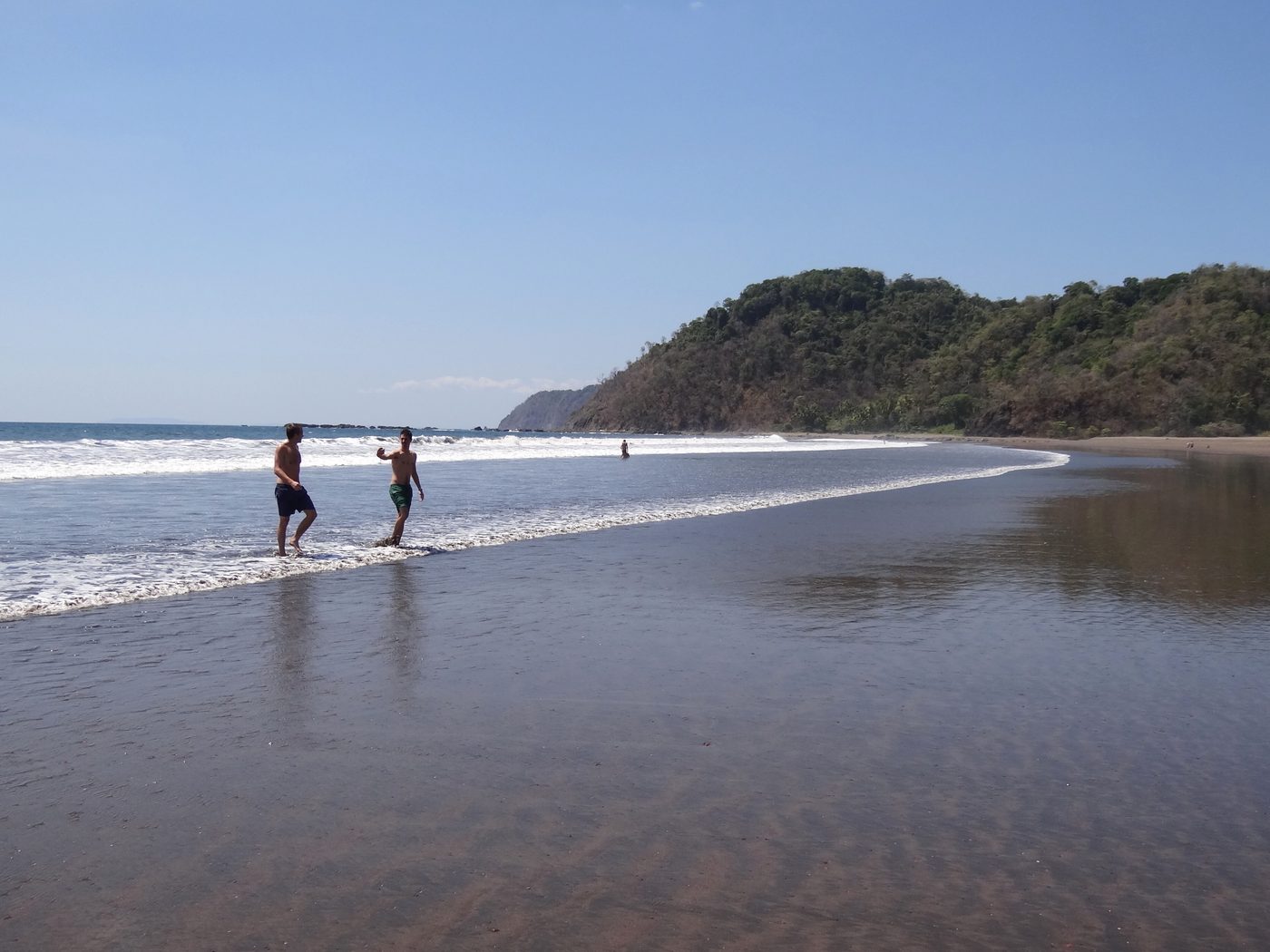
Living in Jacó, Costa Rica means having the ocean, a full-service town and the capital all within reach. Jacó is the closest real beach town to San José, roughly an hour and a half away, with supermarkets, banks, clinics and an established expat community. The trade-off is a busier, livelier town than the quiet beaches of Guanacaste.
We live and work on the Gold Coast in Guanacaste, and buyers ask us about Jacó all the time, usually because they want a beach home they can reach from San José in an afternoon. This guide is our honest take on what living in Jacó is really like, where people settle, and who should probably look elsewhere.
Where is Jacó, and why do people choose it?
Jacó sits on the Central Pacific coast in the canton of Garabito, province of Puntarenas. Its big selling point is distance. Route 27, the toll highway that opened in 2010, runs from San José through Escazú and Santa Ana toward the coast at Caldera, and from there the coastal highway takes you south to Jacó. On a clear day the whole trip from the western suburbs takes about an hour and a half.
That proximity shapes everything about the town. Jacó is the default weekend beach for families from the Central Valley, so it has the services of a much bigger place: two large supermarkets, banks, pharmacies, gyms, hardware stores, a public clinic and a Red Cross station, plus private doctors and dentists. It also means the beach fills up on holiday weekends, and that the town has never been a sleepy fishing village.
What is daily life in Jacó actually like?
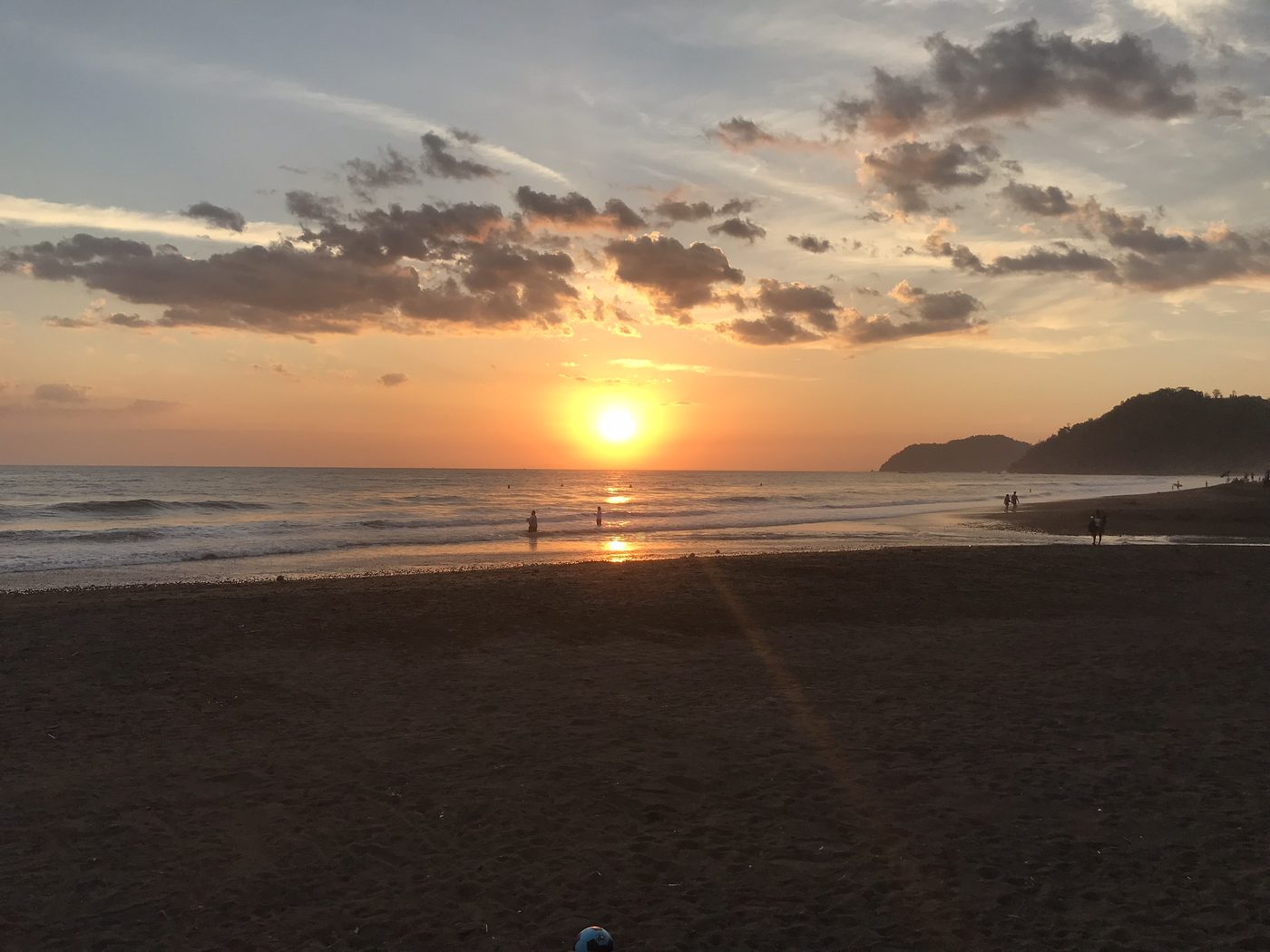
Mornings belong to surfers, walkers and runners on the long gray sand beach. By mid-morning the main avenue, which runs parallel to the beach, is busy with errands, coffee and surf lessons. Afternoons are hot. Evenings are for sunsets, which are spectacular, and for restaurants that range from local sodas serving casados to sushi, Italian and steakhouses.
The social life is a big part of why people stay. Expat and local groups run everything from book clubs and women's lunches to surf associations, sea turtle volunteering and fantasy football nights at the sports bars, and church groups organize community projects and toy drives. If you want to meet people quickly, Jacó makes it easy.
The other side of that energy is the nightlife. Jacó has a reputation as a party town, and on Friday and Saturday nights the bars and clubs along the main strip earn it. If you are sensitive to noise, where you live inside Jacó matters more than anything else on this list.
Which part of Jacó should you live in?
Jacó is small, but the neighborhoods feel very different. We review each one in detail in our Jacó neighborhood guide. The short version:
- Downtown and the main strip: walk to everything, no car needed, lots of noise on weekends. Best for younger buyers, surfers and short-term rental investors.
- The north and south ends of the beach: the same beach with calmer residential streets, low-rise condos with pools, and a short bike ride to town. This is where many full-time residents settle.
- The hills above town: ocean views, cooler evenings and real quiet, at the cost of a daily drive and some rainy season homework on the access road.
- Playa Herradura and Los Sueños: just north of Jacó, a calmer bay with a marina, golf course and resort community, plus a quieter Costa Rican village outside the gates.
- Playa Hermosa: ten minutes south, a surf village with a slower pace. Our Playa Hermosa guide covers it.
How much does it cost to live in Jacó?
Jacó is generally cheaper day to day than the upscale beach towns of Guanacaste because so much of its economy serves Costa Rican visitors, not only foreign tourists. Groceries at the big supermarkets, the Friday farmers market and fresh fish are good value. Restaurants run from inexpensive local sodas to North American prices at the tourist spots.
The bill that surprises newcomers is electricity. Jacó is hot and humid year round, and air conditioning is the biggest monthly expense for most households. A well-shaded home with good airflow and efficient units makes a real difference. Housing covers everything from small condos a few blocks from the beach to large view homes and resort properties at Los Sueños, so your budget depends far more on where you live than on the town itself. We do not quote figures that move every month; ask us and we will connect you with current numbers for the type of home you are considering.
Health care, schools and getting to San José
For everyday care, Jacó has a public clinic, the Red Cross, pharmacies and private doctors. For anything serious, people go to San José, where the country's leading private hospitals are, or patients are transferred to a higher level facility. That is one of the reasons retirees like Jacó: specialist care is a drive away rather than a flight. Our guide to private hospitals in San José explains the options.
Families will find small private and bilingual schools around Jacó and Playa Hermosa, and many more choices in the Central Valley. Visit any school in person and ask about curriculum, accreditation and class sizes before you commit.
The drive itself deserves a mention. Route 27 is the fastest way to the city, but it is a toll road that runs over capacity at busy times. As of April 2026, the government had scaled back a planned expansion to a first phase between Escazú and Atenas, with no construction start date. Locals avoid Sunday afternoons heading back to the city and holiday weekends whenever they can.
What is the weather like in Jacó?
Hot all year. The dry season runs roughly from late November or December to April, with clear skies and the strongest sun. From May the green season brings short afternoon showers, and September and October are the wettest months, with heavier storms. Jacó is more humid and greener than Guanacaste, which is drier and browner in the dry season. If you are used to the Central Valley's spring-like climate, expect a real change in temperature at sea level.
What is there to do around Jacó?
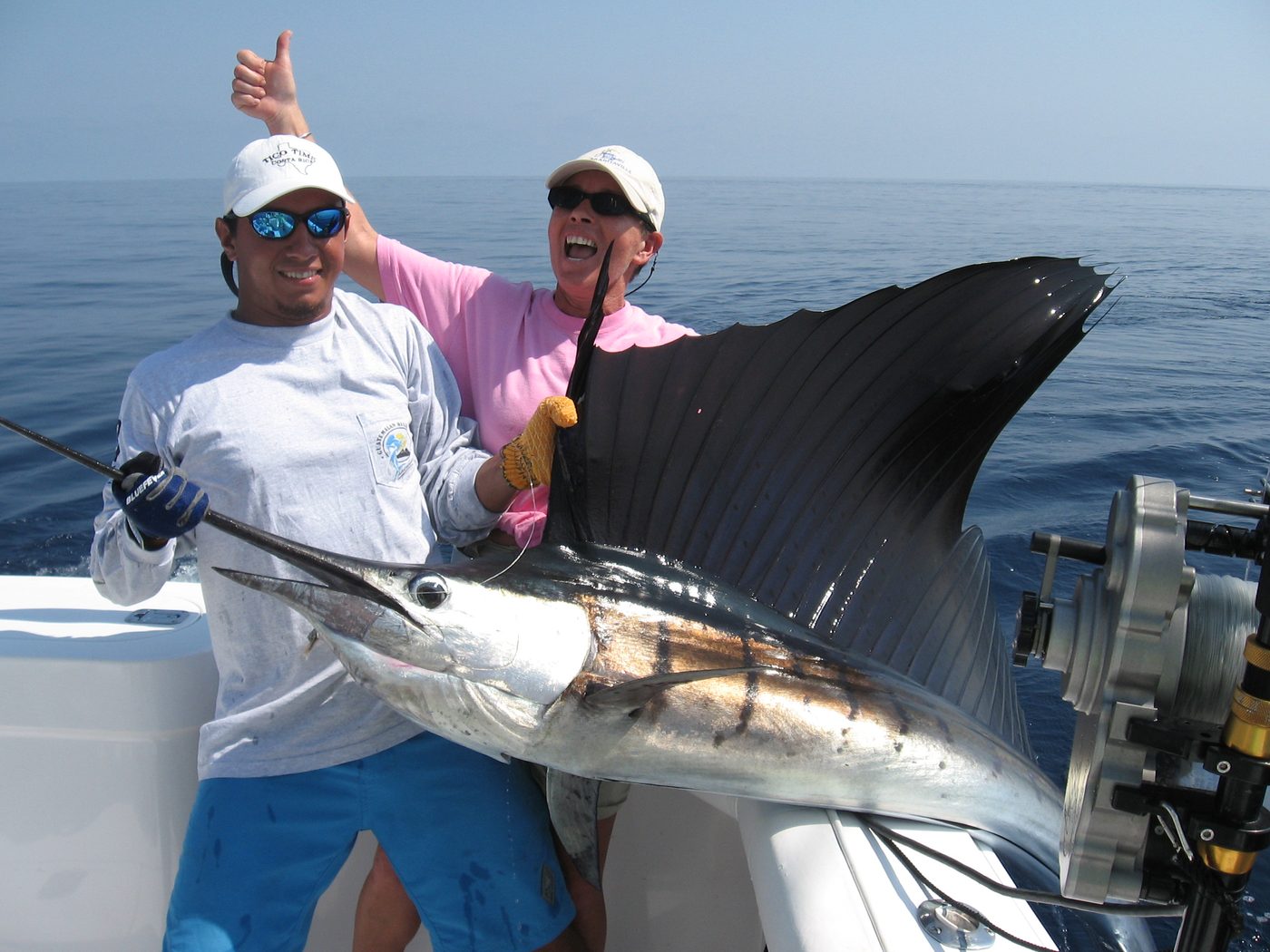
Surfing comes first. Jacó's beach is friendly for lessons, and the more powerful waves at Playa Hermosa are ten minutes away. Beyond the beach there is sportfishing out of Los Sueños, golf, hiking and mountain biking in the hills, zip lines and ATV tours, yoga, and some of the best wildlife viewing near any beach town. Carara National Park, about 20 minutes north, is known for scarlet macaws, and the crocodiles under the Tárcoles River bridge are a stop every visitor makes once. Our list of day trips from Jacó has more.
Who is Jacó right for, and who should look elsewhere?
Jacó is a great fit if you want an active beach town with services, a social life, surf and an easy run to San José for flights and medical care. It works well for semi-retirees, remote workers, surfers, and buyers who want a weekend place they can use often.
It is probably not for you if you want empty beaches, calm swimming water every day, or a quiet small-town feel. In that case, look at Herradura's calmer bay, the hills above Playa Hermosa, or the quieter beach towns of Guanacaste such as Playas del Coco, where our team lives. Our comparison of Jacó, Playa Hermosa and Herradura goes deeper.
Thinking about a move to Jacó?
Visit twice before you buy: once on a quiet weekday and once on a holiday weekend. Talk to residents, drive the road to any hillside home in the rain, and check internet at the exact address. When you are ready to look at properties, tell us what you are looking for and we will help you compare Jacó with the rest of the coast, honestly.
Frequently asked questions
Is Jacó a good place to live for expats?
Jacó suits expats who want a real town with supermarkets, banks, clinics, restaurants and an easy drive to San José. It has an established foreign community and plenty to do. People who want quiet usually live at the ends of the beach, in the hills above town, in Herradura or in Playa Hermosa rather than downtown.
How long is the drive from Jacó to San José?
Plan on roughly an hour and a half to the western suburbs of San José and Juan Santamaría International Airport, using Route 27 most of the way. Traffic around Escazú, Santa Ana and the toll plazas can add a lot of time at rush hour and on holiday weekends, so locals time their trips.
Is Jacó safe to live in?
Jacó's main problem is petty and opportunistic theft, not violent crime against residents. Keep valuables out of sight, never leave anything in a parked car or unattended on the beach, use ATMs inside banks, and choose a home with good security. Residential areas away from the nightlife strip feel very different on a weekend night.
Cover photo: Adam Jones, CC BY-SA 2.0, via Wikimedia Commons · Photo: Passengerpigeon, CC BY-SA 4.0, via Wikimedia Commons