Playa Hermosa de Jacó: The Complete Guide to Costa Rica's Surf Village
Surf, sea turtles, daily life and real estate in the quieter beach town ten minutes south of Jacó.
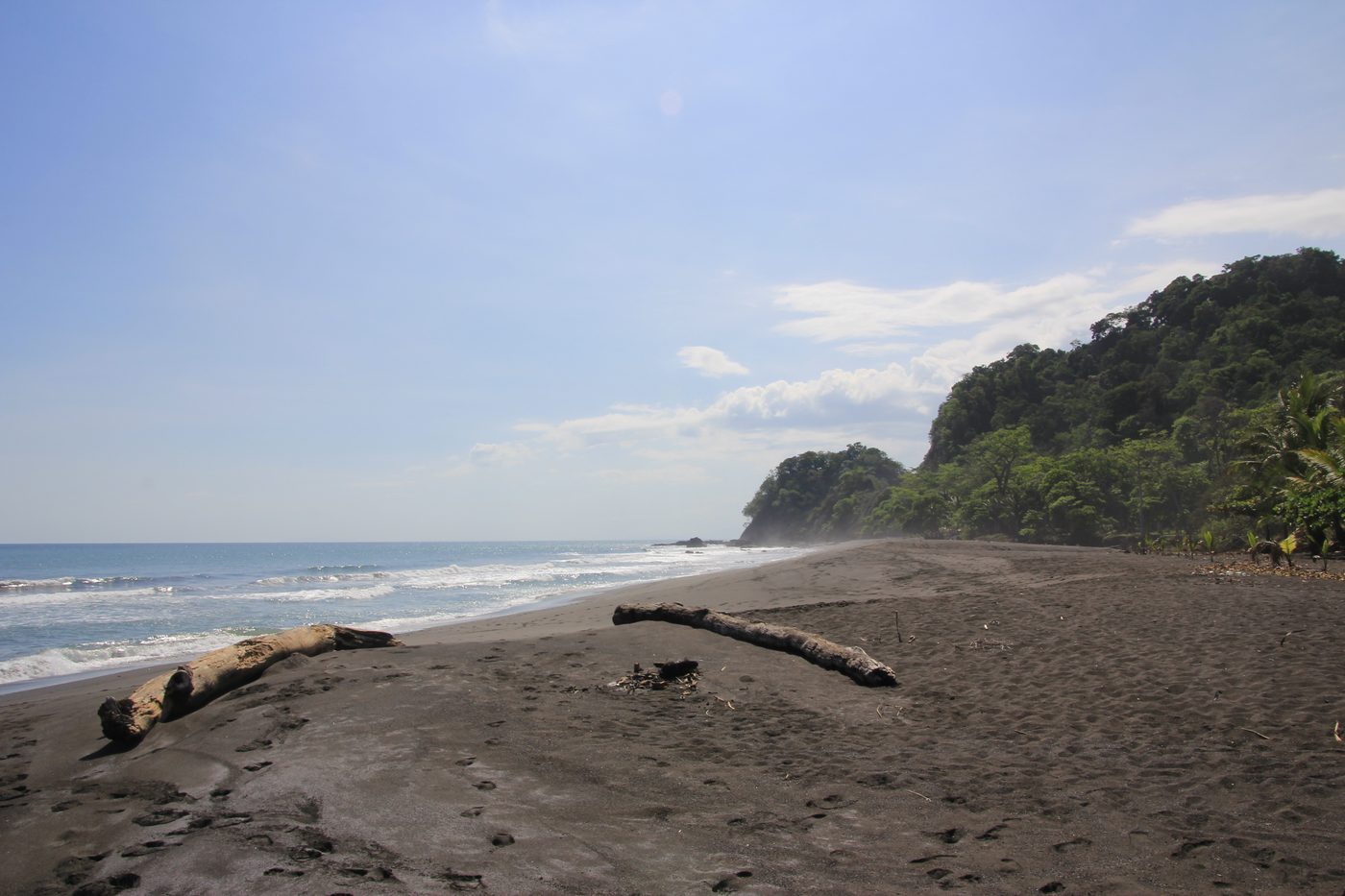
Playa Hermosa de Jacó is a long, dark sand surf beach about five kilometers south of Jacó on Costa Rica's Central Pacific coast. It is known for some of the most consistent beach-break waves in the country, a protected sea turtle nesting area and a slower, quieter pace than Jacó, with Jacó's supermarkets and services ten minutes away.
Costa Rica has several beaches called Playa Hermosa, and our team lives near the one in Guanacaste, a calm bay next to Playas del Coco. This guide is about the other one, the surf village in Garabito that more and more buyers are asking us about, especially since master-planned communities arrived in the area.
Where exactly is Playa Hermosa de Jacó?
Playa Hermosa sits on the coastal highway just south of Jacó, in the canton of Garabito, province of Puntarenas. The highway runs right behind the beach, so the village is a strip of surf hotels, small restaurants, homes and condos between the road and the sand, with green hills rising on the other side. From the San José area, the drive is roughly an hour and a half on Route 27 and the coastal highway, which is why so many Central Valley surfers know this beach well.
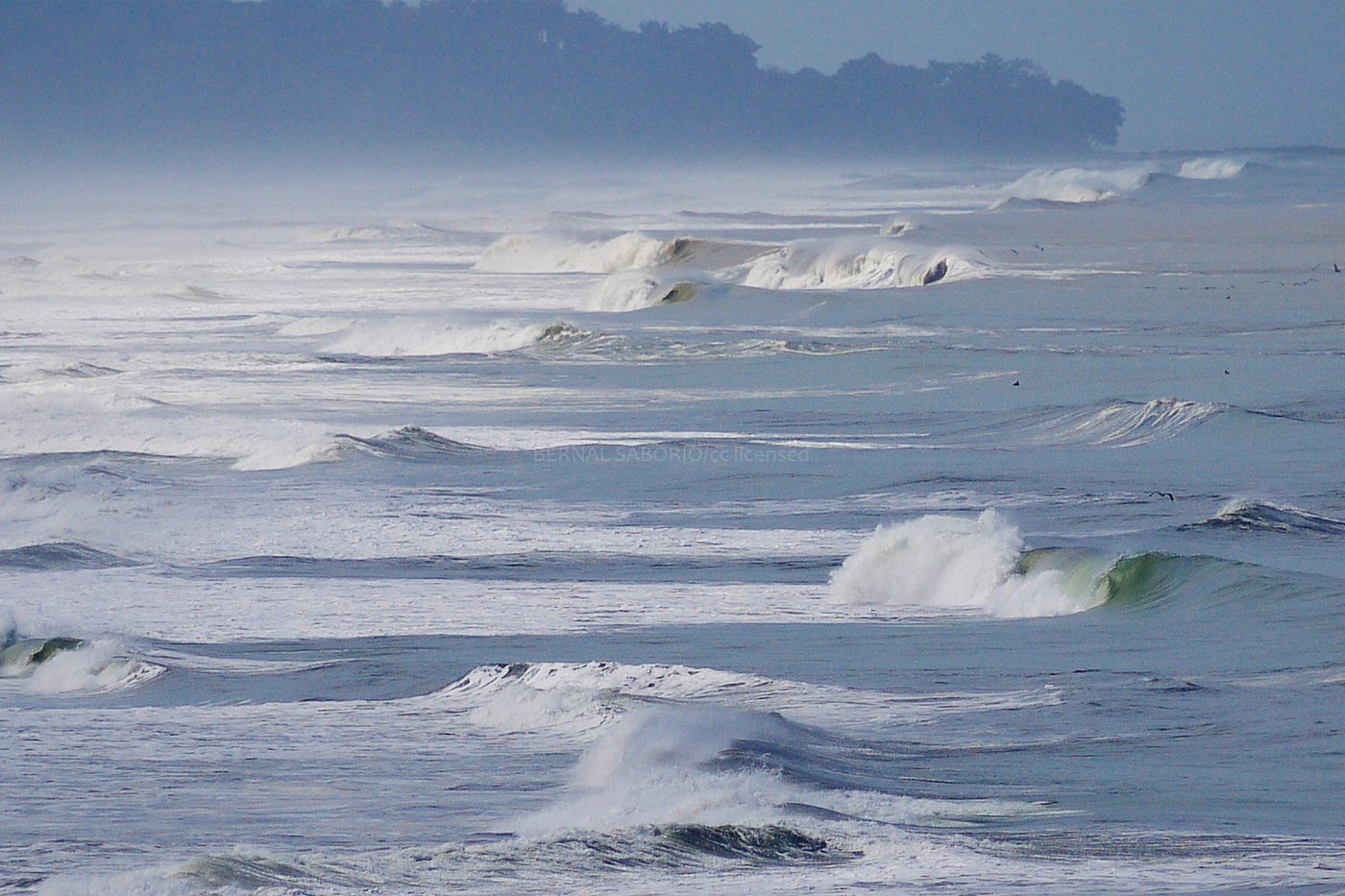
The beach itself is long and open. Rough Guides describes the strip at about ten kilometers, and the sand is dark gray, typical of the Central Pacific.
Why is Playa Hermosa famous for surfing?
Because the waves rarely stop. Steep sandbars make the waves break hard, fast and close to shore, and there is surf most days of the year. In August 2009 the beach hosted the ISA World Surfing Games, and the Tico Times reported more than 70,000 spectators and surfers from 35 countries, a record turnout for a surfing event at the time. Local contests still bring crowds to the beach.
The flip side is that Hermosa is not a beginner's beach. Learners usually start in Jacó, where the waves are gentler, and move to Hermosa once they can handle a fast, heavy beach break. For a broader look at surf in Costa Rica, our surf guide for the Gold Coast compares the Guanacaste breaks.
Can you swim at Playa Hermosa?
Carefully, and usually not. Rip currents are strong, the tide range is large and there are no regular lifeguards. Experienced ocean swimmers do go in close to shore on calm days, but families with children should treat Hermosa as a beach for walking, surfing, sunsets and watching the surf, and swim in a pool or at a calmer bay such as Herradura.
The sea turtle refuge
South of the village, part of the beach is protected as the Playa Hermosa National Wildlife Refuge. According to Costa Rica Info Link, the refuge was created in 1999 and protects a nesting beach and mangrove used by olive ridley sea turtles, which come ashore to nest from about July to December, usually at night. The refuge has no public facilities or tours, and local volunteers and rangers protect the nests. If you live here, the rules are simple: no lights on the beach at night, no driving on the sand, and keep dogs leashed during nesting season.
What is daily life like in Playa Hermosa?
Quieter than Jacó, and built around the tides. Mornings start early with surf checks. Most of what the village offers is within walking distance along the beach road: surf shops, small hotels with restaurants, cafés, a few bars with live music and weekend contests. There are coworking spaces with fiber internet that serve the growing remote worker community.
For everything else you drive ten minutes north to Jacó: large supermarkets, banks, pharmacies, the public clinic, gyms and hardware stores. That combination is the main appeal. You get a surf village at home and a full town nearby, with the capital, its airport and its hospitals about an hour and a half away.
Where do people live in Playa Hermosa?
There are four distinct choices, which we review one by one in our Playa Hermosa de Jacó neighborhood guide:
- The beachfront strip between the highway and the sand, for people who want to hear the waves and walk to the surf.
- The hills above the highway, with gated communities and view homes looking down on the coastline.
- Místico, a large master-planned community on Playa Hermosa with titled beachfront, homes, condos and lots.
- South toward Esterillos, where the coast gets wilder, lots get bigger and the shops get farther away.
Buying property in Playa Hermosa: what to know
Foreigners can own titled property in Costa Rica with the same rights as citizens, and residency is not required to buy. The beachfront is different. Along most of the coast, the first 200 meters from the high tide line fall under the maritime zone: the first 50 meters are public, and the next 150 meters are usually held as a government concession rather than titled land. As the law firm ECIJA explains in its guide to foreign ownership, foreigners without five years of legal residency generally cannot hold a majority of a concession.
That makes titled beachfront rare and valuable, and it is one reason buyers are paying attention to Místico, whose beachfront is titled. Whatever you buy, have a Costa Rican attorney confirm whether a property is titled or concession, review the plan and check permits. Our article on the maritime zone and our nine due diligence checks walk through the details. This is general information, not legal advice.
Who is Playa Hermosa right for?
Playa Hermosa is ideal for surfers, remote workers who want a calm base with good internet, second-home owners who want a quieter alternative to Jacó, and retirees who like being close to San José's hospitals. It is not the right beach if your priority is swimming with small children or walking to a big choice of restaurants every night.
When is the best time to be in Playa Hermosa?
There is surf all year, which is the point. The dry season, roughly December to April, brings sunshine, offshore mornings and the most visitors. From May the green season brings afternoon rain, greener hills and often bigger swells, and Rough Guides notes the waves break especially hard and fast from May to August. September and October are the wettest months. Sea turtle nesting season runs through the second half of the year, so green season residents get the quieter beach and the turtles.
Want to see Playa Hermosa for yourself?
Expat Properties | CR works with international buyers in Playa Hermosa, including at Místico. Tell us what you are looking for and we will share current options, explain titled versus concession for each one, and help you compare Hermosa with Jacó and the rest of the coast.
Frequently asked questions
Is Playa Hermosa de Jacó good for swimming?
Not for casual swimming. Playa Hermosa is a powerful surf beach with strong rip currents, steep sandbars and no regular lifeguards. Experienced swimmers stay close to shore in calm moments, but families usually swim in pools or at calmer bays such as Herradura, about twenty minutes north.
What is the difference between Playa Hermosa in Jacó and Playa Hermosa in Guanacaste?
They are different beaches several hours apart. Playa Hermosa de Jacó, on the Central Pacific in Garabito, is a long dark sand surf beach. Playa Hermosa in Guanacaste, just north of Playas del Coco, is a calm, swimmable bay. Always check which one a listing or hotel means.
When can you see sea turtles at Playa Hermosa?
Olive ridley sea turtles nest on the protected stretch of Playa Hermosa in the second half of the year, roughly July through December, usually at night. The nesting area is part of a national wildlife refuge and is not open for public tours, so respect closures and never use lights on the beach.
Cover photo: diego_cue, CC BY-SA 3.0, via Wikimedia Commons · Photo: Bernal Saborio, CC BY-SA 2.0, via Wikimedia Commons