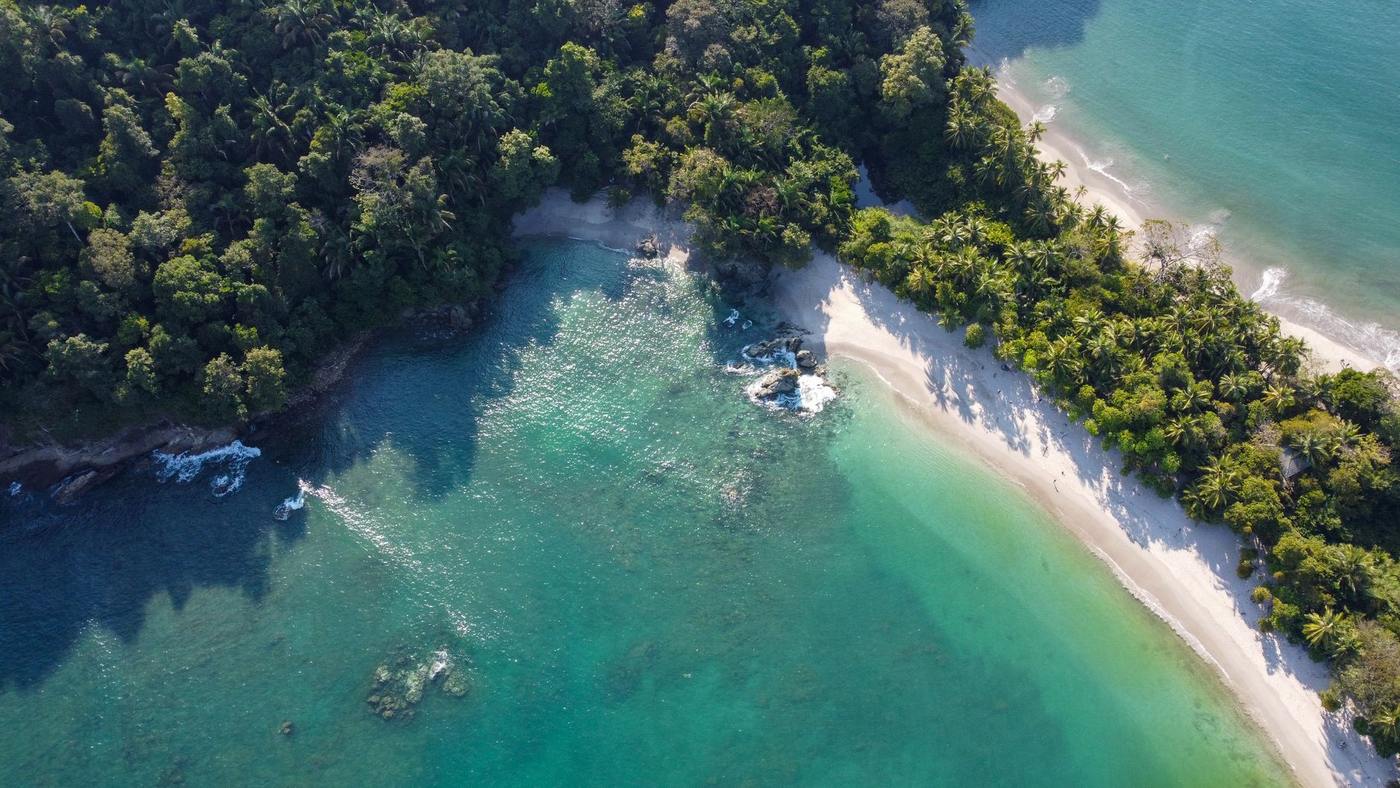
Long-Term vs Vacation Rentals: Two Ways to Own in Guanacaste
How steady leases and nightly bookings compare on income, law, taxes, and workload in Guanacaste.

Choosing a long term rental vs Airbnb in Costa Rica comes down to three things: how steady you want the income, how much work you will accept, and how the law treats each model. Vacation rentals usually earn more gross but cost more to run. Long-term leases earn less but arrive every month, all year.
What counts as a vacation rental vs a long-term rental in Costa Rica?
The line is 30 days. Stays under 30 days are treated as non-traditional lodging under Law 9742, the framework Costa Rica created in 2019 for Airbnb-style rentals. That makes them a commercial tourism activity, with registration and tax obligations to match.
Rent the same home for months or years and you are under a different law entirely: Law 7527, the tenancy law (ley de inquilinato). It governs residential leases, written or verbal, and it protects tenants strongly. The two models are not two flavors of the same business. They are two different businesses, taxed differently and regulated differently.
How do the income patterns compare?
A vacation rental in Guanacaste earns in waves. In our own portfolio of about 40 managed rentals in Playas del Coco and Ocotal, high season (roughly December through April) fills up months ahead, and holiday weeks book earliest of all. Green season is quieter, September and October especially, and most owners discount to keep calendars moving. Gross income per night is high, but so are the costs: cleaning after every stay, utilities, internet, pool and garden care, platform commissions, and management.
A long-term rental earns in a straight line. The monthly rate is lower than what the same home could gross in a strong high-season month, but it pays in the slow months too, and tenants typically cover their own utilities. For owners who live abroad and want a number they can plan around, that predictability is the whole argument.
We will not publish made-up occupancy rates or income projections here. If you want real numbers for a specific home or condo, ask us and we will walk you through what comparable properties actually do.
What does the tenancy law mean for long-term landlords?
Law 7527 is tenant-friendly, and you should know that before you sign anything. As The Tico Times' renting guide explains, a residential lease runs for a minimum of three years even if the contract says one. If neither side gives notice, it renews for another three. Rent increases are limited: for rent set in colones, increases are capped by inflation, and the housing ministry sets the ceiling when inflation runs above 10 percent. Rent set in US dollars stays fixed for the whole term. Evictions go through the courts, which takes time.
None of this makes long-term renting a bad idea. It makes tenant screening the most important step in the process. A good tenant on a three-year lease is one of the easiest ways to own property here. A bad one is hard to remove. Confirm the current rules with a licensed Costa Rican attorney before you draft a lease; we can recommend several we trust.
What taxes and rules apply to vacation rentals?
Since Law 9742 took effect in October 2019, short-term rental operators must register with the Costa Rican Tourism Institute (ICT), register as taxpayers with Hacienda, issue electronic invoices, and charge guests 13 percent IVA (value-added tax) on stays under 30 days. You collect that tax from the guest and remit it; it is not yours to keep.
Enforcement is tightening. Costa Rica's tax administration has announced that, starting in late 2026, booking platforms like Airbnb and Booking.com will withhold a 12.75 percent tax on hosts' gross rental income and report host and property details to the tax authority, under an information-sharing agreement Costa Rica signed with the OECD, as reported by The Tico Times. In plain terms: the era of quietly renting on Airbnb without registering is ending. Get compliant now, and confirm your specific tax situation with a licensed accountant. We do not give tax advice.
One more trap: condominium and homeowners-association bylaws can ban short-term rentals even where national law allows them. Before you buy a condo planning to run it as a vacation rental, read the bylaws. We check this on every purchase we help with.

How much work is each strategy, really?
A vacation rental is a hospitality business. Someone has to answer inquiries within minutes, coordinate cleanings between same-day checkout and check-in, restock supplies, adjust nightly pricing by season, handle guest problems at 9 p.m., and stay on top of maintenance, because salt air and heavy guest turnover wear a home fast. If you live in Denver, that someone is a property manager. Expect to pay for that service, and to be glad you did.
A long-term rental is quieter. One tenant, one contract, slower wear, no weekly turnovers. You still own the repairs, and you still want someone local collecting rent, inspecting the property, and coordinating fixes, but the day-to-day load is a fraction of the vacation model.
Which strategy fits which owner?
Vacation rental tends to fit owners who:
- Want to use the home themselves for part of the year, since nightly rental leaves the calendar flexible
- Own in a walkable, guest-friendly spot with a pool, air conditioning, and good internet
- Accept seasonal swings in exchange for higher gross income potential
Long-term rental tends to fit owners who:
- Want predictable monthly income with minimal involvement
- Own a property that guests would not pay a premium for: no pool, farther from the beach, or inside an HOA that bans short stays
- Do not plan to use the home themselves for the next few years
Be honest about the property itself. A two-bedroom condo near the beach in Coco with a shared pool can work either way. A house in a quiet residential area 15 minutes inland is usually a long-term play, and pretending otherwise just produces an empty calendar. If you are still deciding whether to buy at all, our post on renting vs buying in Costa Rica covers that earlier question.
Can you switch between the two later?
Yes, and owners do it in both directions. Some start with a long-term tenant for steady income while they are abroad, then convert to vacation rental when they begin visiting more. Others run a vacation rental for a few years, tire of the churn, and place a tenant. Two cautions: once you sign a residential lease, the three-year minimum applies, so a long-term tenant is a real commitment, not a trial. And converting to short-term means registering with the ICT and Hacienda before your first booking, not after.
A middle path also works well here: monthly furnished rentals in green season, nightly rentals in high season. Stays of 30 days or more fall outside the short-term lodging rules, so some owners use that mix to smooth the slow months.
How do we help owners decide?
We run both models every day, so we have no reason to push you toward either one. We manage vacation rentals in Coco and Ocotal, we place long-term tenants, and we sell the properties both strategies run on. Browse our current rentals to see what each model looks like in practice, or message us on WhatsApp with your address and your goals, and we will tell you honestly which way your property leans.
Frequently asked questions
Do I have to charge VAT on my Airbnb in Costa Rica?
Yes. Under Law 9742, stays under 30 days are non-traditional lodging. Operators must register with the ICT and Hacienda, issue electronic invoices, and charge guests 13 percent IVA, which is remitted to the government. Starting in late 2026, booking platforms are also set to withhold a 12.75 percent tax on gross host income. Confirm details with a licensed accountant.
What is the minimum lease term for a long-term rental in Costa Rica?
Three years. Law 7527 sets a three-year minimum for residential leases even when the contract states a shorter term, and the lease renews automatically if neither party gives notice. Rent set in US dollars stays fixed for the full term. Have a Costa Rican attorney review any lease before you sign it.
Which earns more in Guanacaste, a long-term rental or a vacation rental?
A well-located vacation rental usually grosses more, especially December through April, but it carries higher costs, seasonal gaps, and more work. A long-term lease earns less per month but pays year-round with tenants covering utilities. The better net depends on the specific property, so ask us for real comparables before deciding.
Cover photo: Negative Space, Pexels · Photo: Kindel Media, Pexels