The Notario Publico: Why Costa Rica Closings Run Through One Lawyer
Costa Rica hands your entire closing to one state-licensed attorney, and understanding that system is the best protection a buyer has.
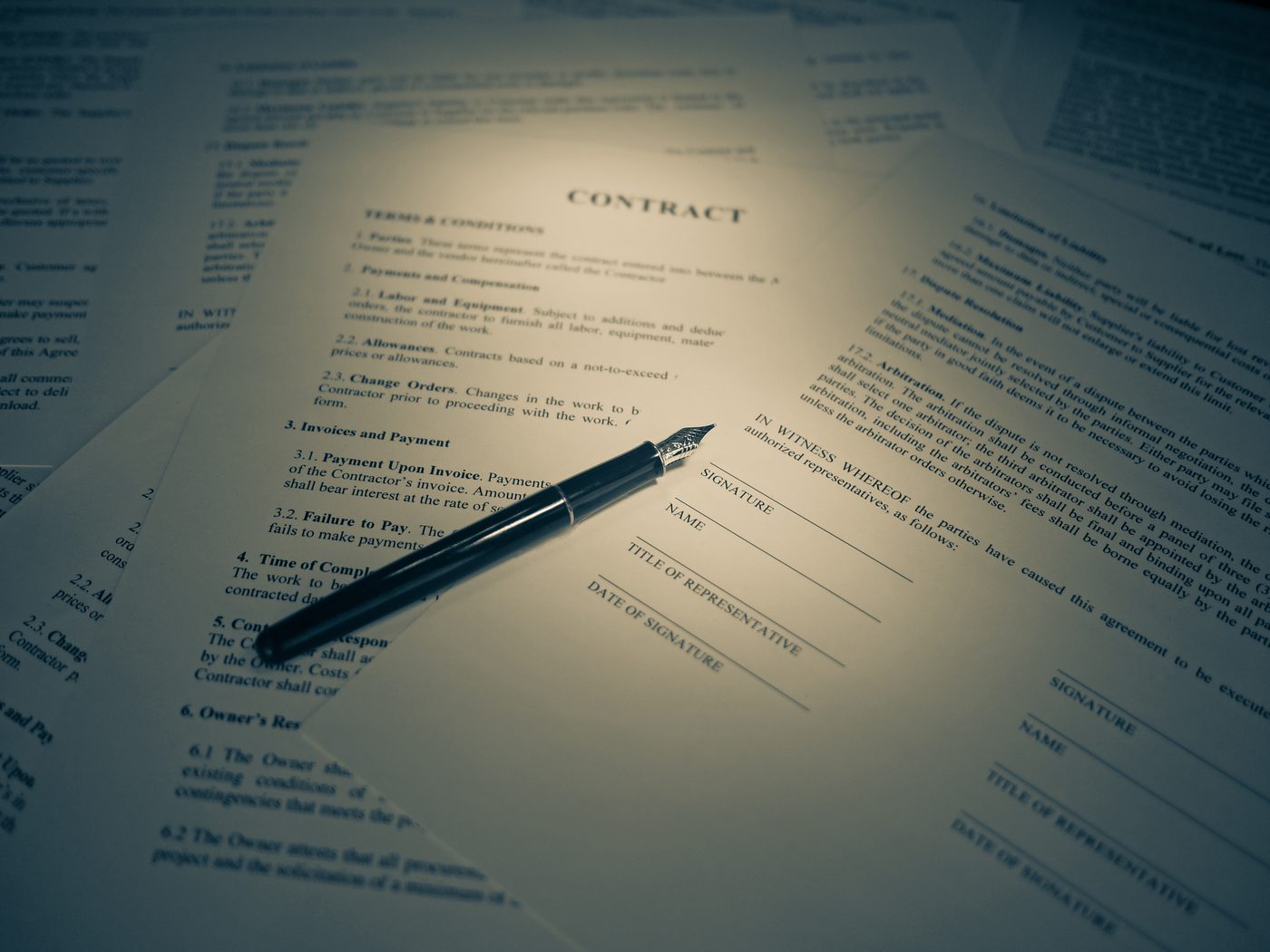
In Costa Rica, every property closing runs through a notario publico: an attorney the state has licensed to draft the transfer deed, record it in an official protocol, and register it with the National Registry. Unlike a notary in the United States or Canada, a notario publico in Costa Rica is a fully trained lawyer whose signature carries legal authority.
What is a notario publico?
Costa Rica follows the civil law notary tradition used across Latin America and much of Europe. The state delegates what is called fe publica, or public faith, to certain qualified attorneys. When one of these notaries authorizes a document, the law presumes that document is authentic and that the facts the notary certifies actually happened. That presumption is what makes the whole system work.
The profession is governed by the Notarial Code (Law 7764) and supervised by the Direccion Nacional de Notariado (DNN), the government body that licenses notaries, keeps a public record of their status, and disciplines those who break the rules. To practice as a full notary, the DNN requires a law degree registered with the Costa Rican bar, a postgraduate specialty in notarial and registry law, and an active professional liability policy. So every notary here is a lawyer, but not every lawyer is a notary.
How is this different from a notary in the US or Canada?
In the United States, a notary public is usually someone who verifies your identity and watches you sign. The training can take an afternoon. The notary has no responsibility for what the document says.
A Costa Rican notary is the opposite. The notary personally drafts the legal instrument, is professionally liable for its legality, and answers to a national regulator. There is no title company running your closing, no separate escrow officer built into the system, and no army of lender attorneys. The functions that three or four companies handle in a US closing are concentrated in one professional here. That is the honest tradeoff: the process is simpler and cheaper than many buyers expect, but an enormous amount depends on choosing the right person.
One more difference worth naming. Title insurance is available in Costa Rica but it is not the default the way it is in the US. The core protection here is the centralized National Registry plus the notary's own title work. Some foreign buyers still add a title policy for peace of mind, and that is a reasonable conversation to have with your attorney.
What does the notary actually do at your closing?
A good notary earns the fee. On a typical purchase, the work looks like this:
- Title study. The notary pulls the property's record (the folio real) from the National Registry and checks ownership, liens, annotations, easements, and survey references. If you are buying near the beach, this is also where concession versus titled property questions get sorted out.
- Drafting the escritura. The transfer deed is written in Spanish in the notary's official protocol, a numbered and registered book of original instruments.
- The signing. Buyer and seller (or their attorneys-in-fact, under a power of attorney) sign before the notary, who reads the deed and certifies the act.
- Taxes and stamps. The notary calculates and files the transfer tax and registry stamps on the parties' behalf.
- Registration. The notary presents the deed to the National Registry and follows it until your name appears on the title. This usually takes days to a few weeks, not months.
- Anti-money-laundering checks. Notaries file due diligence and origin-of-funds declarations under DNN rules, so expect real questions about where your purchase money comes from.
If you want to see where the closing fits in the bigger picture, our step-by-step guide on how to buy a home in Costa Rica walks through the full timeline from offer to registration.
Who chooses the notary, and who pays?
Custom in Costa Rica ties the choice to the checkbook. The buyer normally pays the closing costs, so the buyer normally picks the notary. When the parties agree to split costs, it is common for two notaries to work together on the same deed, each looking after one side. If the seller is financing part of the price, the seller will usually want their own notary involved to draft the mortgage.
Our plain advice after years of closings in Playas del Coco: do not just accept whoever the seller suggests. It is not that seller-recommended notaries are bad. It is that the notary is the one professional verifying the thing you are spending hundreds of thousands of dollars on, and you want that person answering to you.
What do notary fees and closing costs run?
The main numbers are set by law, which keeps closings predictable. The transfer tax is 1.5% of the higher of the sale price or the registered fiscal value, under Law 6999. National Registry stamps add roughly another 0.5%. Notary fees follow a government fee schedule (the arancel, currently set by Executive Decree 41930-JP) and in practice run about 1% to 1.5% of the price. All in, most buyers should budget around 3% to 3.5% of the purchase price for closing costs.
Rates and fee schedules do change, so confirm current figures with your attorney or accountant before you wire anything. We are happy to share what recent closings have looked like, but we do not give legal or tax advice. For more of the questions we hear every week, see the 11 most asked questions about Costa Rica real estate.
Can one notary act for both buyer and seller?
Yes, and it happens all the time. Because the notario publico costa rica system treats the notary as an impartial officer of the state rather than an advocate, one notary can lawfully certify a deed for both parties.
Impartial is the key word, though. The notary's job is to make the transaction legal, not to negotiate your price, review your purchase agreement line by line, or fight for your contingencies. That is your own lawyer's job, and on anything beyond a simple cash deal we think it is money well spent. We wrote more about this in why hiring a good lawyer in Costa Rica is essential. Many buyers hire one attorney who is also a notary and get both roles in one professional, which works well as long as that person is clearly yours.
How do you check that a notary is in good standing?
This part is refreshingly easy. The DNN maintains a public online directory where anyone can look up a notary by name or ID number and confirm they are habilitado, meaning authorized and current. Before your closing, check the directory, confirm the notary carries the required liability policy, and ask for the title study in writing. A serious notary will not hesitate on any of those.
We work alongside experienced local notaries and attorneys on closings across Playas del Coco, Ocotal, and the wider Guanacaste coast, and we are glad to explain how the process works before you ever make an offer. Browse our current listings or send us your questions, and we will give you straight answers.
Frequently asked questions
Is a notario publico in Costa Rica the same as a notary in the United States?
No. A US notary mainly verifies identity and witnesses signatures. A Costa Rican notario publico is a licensed attorney with a postgraduate specialty in notarial and registry law who drafts the transfer deed, certifies its legality, files the taxes, and registers the sale with the National Registry. The state supervises notaries through the Direccion Nacional de Notariado.
How much are notary fees for a property closing in Costa Rica?
Notary fees follow a government fee schedule and typically run about 1% to 1.5% of the sale price. Add the 1.5% transfer tax and roughly 0.5% in registry stamps, and total closing costs usually land around 3% to 3.5%. The buyer customarily pays these costs, so confirm current figures with your attorney before closing.
Do I still need my own lawyer if the notary handles the closing?
Often, yes. The notary is legally impartial: their duty is to make the transaction valid, not to negotiate for you or review your purchase agreement. Many buyers hire an attorney who is also a notary, covering both roles with one professional. What matters is that the person verifying title and drafting your deed answers to you.
Cover photo: Blogtrepreneur, CC BY 2.0, via Wikimedia Commons · Photo: Mariordo (Mario Roberto Durán Ortiz), CC BY-SA 4.0, via Wikimedia Commons