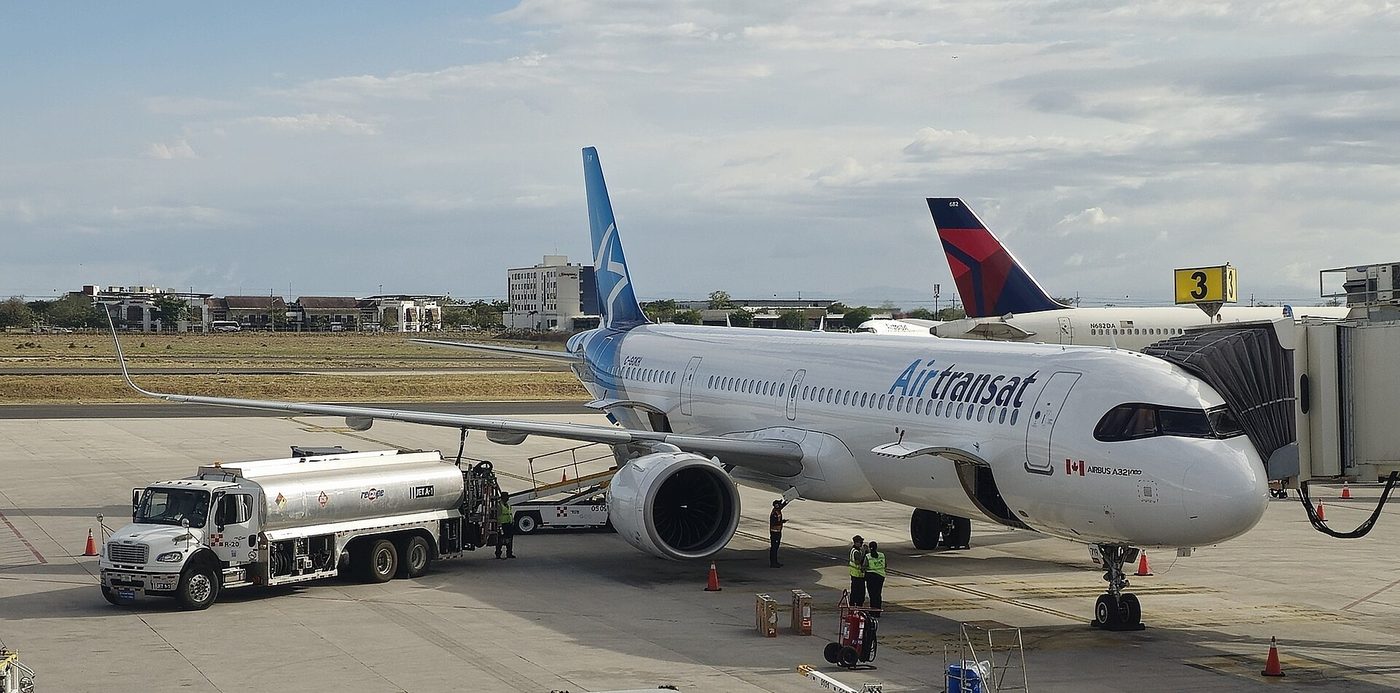
Moving to Costa Rica with Pets: Flights, Paperwork, Vets
What we tell clients about getting dogs and cats here safely, from the vet visit at home to the first beach walk in Coco.
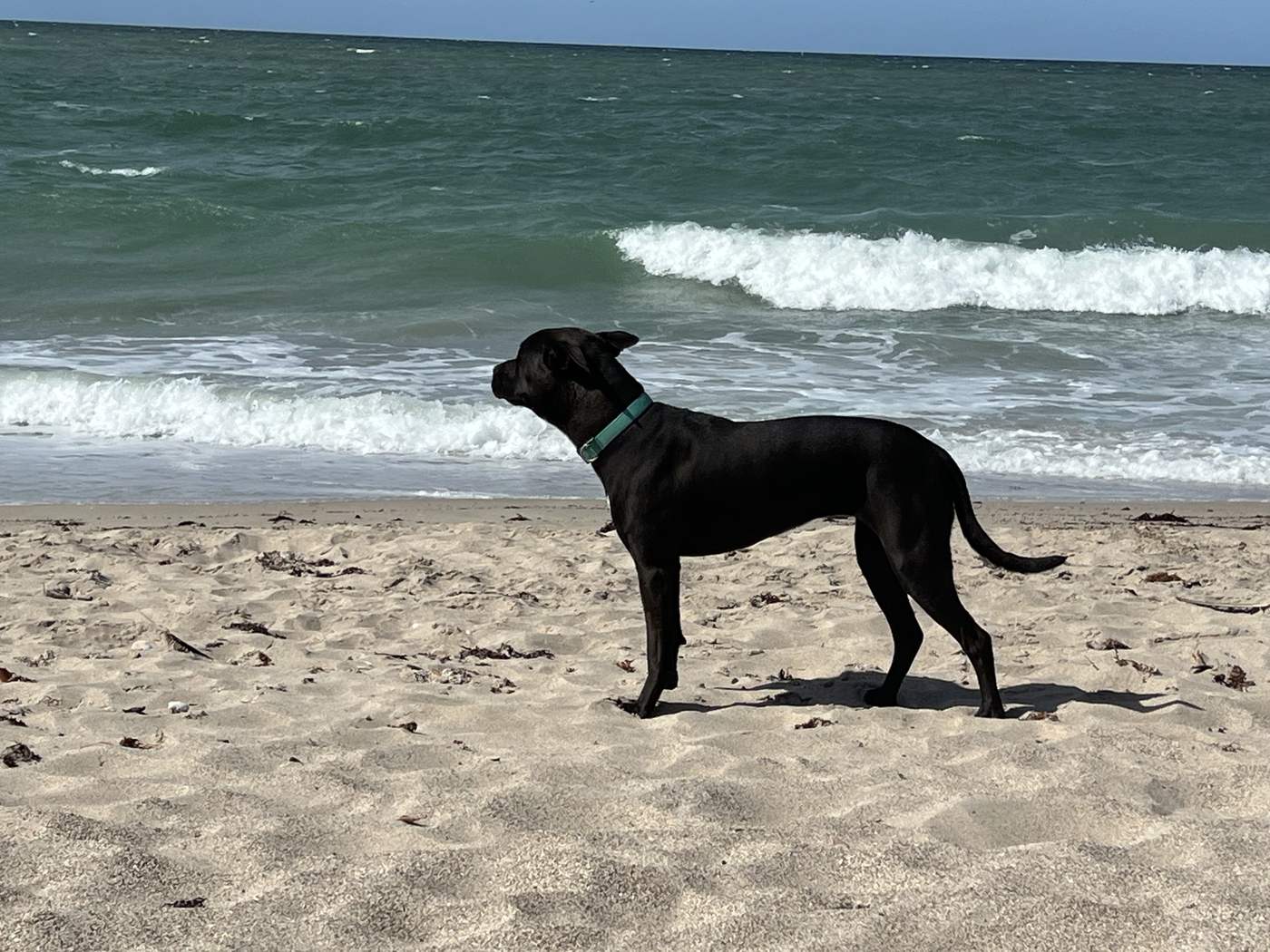
Moving to Costa Rica with pets is simpler than most people expect. A dog or cat needs a health certificate issued by an accredited vet within two weeks of travel, government endorsement, a current rabies shot plus core vaccines, and parasite treatment in the 15 days before the flight. There is no routine quarantine when the paperwork is right.
We manage 60+ vacation rentals in Playas del Coco and Ocotal, and a good share of the owners and long-term guests we work with arrived here the same way you will: with a dog crate in the baggage claim at Liberia. This guide covers everything moving to Costa Rica with pets involves: the paperwork, the flights, and what life in Coco actually looks like for a dog or cat. It pairs well with our broader guide to moving to Costa Rica.
What paperwork does Costa Rica require for a dog or cat?
Costa Rica asks for one core document: an international health certificate completed by an accredited veterinarian in your home country. For travelers from the United States, the USDA APHIS pet travel page for Costa Rica is the official reference, and it links the exact certificate form. The key requirements on that certificate are:
- A clinical exam within two weeks of departure. A USDA accredited vet examines your pet and certifies it is healthy and free of signs of infectious disease.
- Rabies vaccination for any animal over three months old. The shot must be current on the day your pet enters Costa Rica.
- Core vaccines. Dogs must be vaccinated against distemper, hepatitis, parvovirus, and leptospirosis. Cats need feline viral rhinotracheitis, calicivirus, and panleukopenia.
- Parasite treatment within 15 days of export. Your pet must be treated for internal and external parasites and be free of ticks.
After your vet issues the certificate, USDA APHIS must endorse it. The good news is that this now happens digitally through the VEHCS system, and the endorsed certificate can be printed at home rather than mailed back and forth. Flying from Canada? The Costa Rican entry requirements are the same, but the export certificate goes through the Canadian Food Inspection Agency instead of the USDA. Your vet will know the current form.
Requirements do get updated, so treat this as a map, not a substitute for checking the official pages in the month you fly.
Do you need an import permit from SENASA?
Usually not. SENASA is Costa Rica's national animal health service, and it distinguishes between pets that travel with you and pets that ship alone. If your dog or cat flies on your ticket, in the cabin or as checked baggage, the endorsed health certificate is what officials want to see. If your pet travels unaccompanied as manifest cargo, APHIS notes that a Costa Rican import permit is required, and that has to be arranged before the animal flies.
Most families we know avoided the cargo route entirely by flying with their pets. If you do need to ship an animal alone (some airlines force this for very large dogs), a professional pet shipper earns their fee. They handle the permit, the advance notice to authorities, and the customs clearance on the ground.
How do the flights actually work?
Airlines set their own pet rules on top of Costa Rica's, and this is where most of the stress lives. The general shape:
- Small dogs and cats fly in the cabin in a soft carrier under the seat in front of you. Every airline caps the number of pets per flight, so call and reserve the pet spot as soon as you book your own seat.
- Larger dogs fly as checked baggage or cargo in an airline-approved hard crate. Policies vary a lot by carrier, and many airlines pause pet transport in the hottest months or restrict snub-nosed breeds. Read your specific airline's current policy, then call to confirm it.
- Fly into Liberia if Guanacaste is home. Daniel Oduber Quirós International Airport (LIR) has direct flights from several US and Canadian hubs and is less than an hour by car from Playas del Coco. Landing there instead of San José saves your pet a long, hot drive across the country.
One honest note: the paperwork needed to bring a dog to Costa Rica is the easy part. The hard part for most owners is crate training a big dog early enough that the flight itself is boring for the animal. Start weeks ahead, not days.
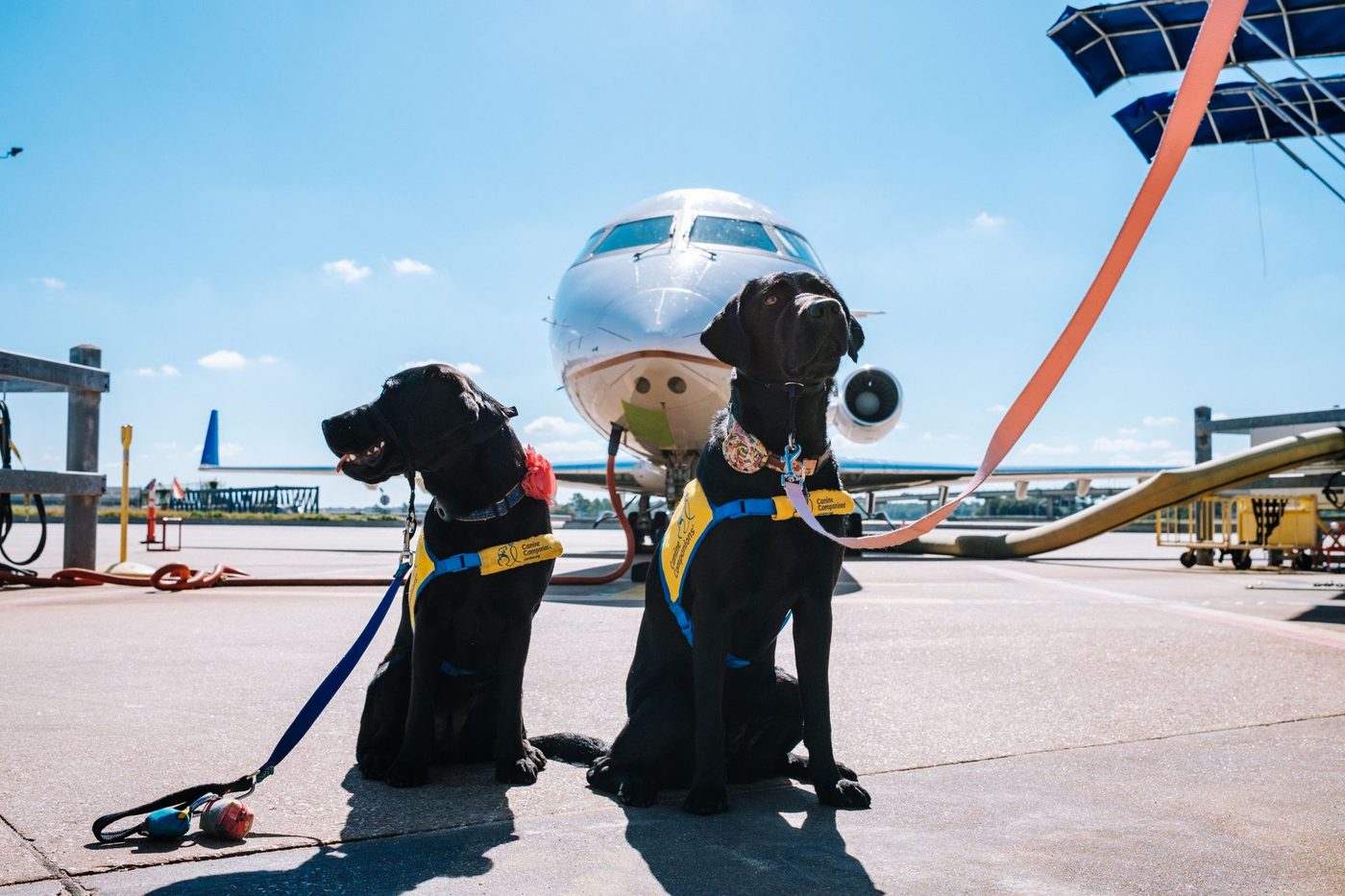
What does the pre-flight timeline look like?
- Six to eight weeks out: check that rabies and core vaccines will be current on your arrival date, book flights, and reserve the pet spot with the airline.
- A month out: buy the carrier or crate, confirm it meets your airline's dimensions, and start getting your pet comfortable in it.
- Inside 15 days: have your vet apply internal and external parasite treatment and record it.
- Inside two weeks: do the exam, have the accredited vet complete the certificate, and submit it for USDA endorsement through VEHCS. Do not leave this for the last day or two.
- Travel day: carry printed copies of the endorsed certificate and vaccine records. Officials review the paperwork when you land.
And if you plan to visit the US again with your dog, check the CDC's current dog import rules before you leave. They changed in recent years, and the return trip needs its own preparation.
What is life in Playas del Coco like for a pet?
Genuinely good, with a few adjustments. Coco is a walkable beach town, and early morning on the sand is unofficial dog hour. That early timing matters: Guanacaste is the hottest, driest province in the country, and midday pavement here can burn paws. Walks happen at sunrise and sunset, water bowls stay full, and shade is part of choosing a house.
Two practical points we wish more newcomers knew. First, tick and flea prevention is a year-round habit in the tropics, not a summer one. Second, veterinary care is easy to find: Coco has veterinary clinics right in town, and we are happy to share current recommendations on our contact page since clinics and hours change.
Housing is the other piece. Plenty of homes here have fenced yards and gardens, but some condo communities limit pet size or number in their bylaws, so ask about pet rules before you commit to a rental or a purchase. If you are still deciding whether to rent first or buy, our post on renting versus buying in Costa Rica walks through that decision, and pet rules belong on your checklist either way.
What mistakes should you avoid?
Most of the stress in moving to Costa Rica with pets comes from timing. These are the slip-ups we see most often:
- Missing the two-week window. The exam and certificate are only valid if they happen within two weeks of departure. Book the vet appointment to match your flight, not your packing schedule.
- Assuming endorsement is instant. VEHCS is fast, but it is not guaranteed same-day. Build in buffer.
- Skipping the airline phone call. Websites lag behind policy changes. Confirm the pet reservation, crate specs, and any seasonal restrictions with a human.
- Assuming every home allows pets. Condo bylaws are binding in Costa Rica. Get pet permissions in writing before signing anything.
- Arriving without a local vet plan. Find a clinic in your first week, before you need one at 9 p.m. on a Sunday.
Ready to find a pet-friendly home base in Coco?
We live here, several of us with dogs that made this exact trip. If you want a rental with a fenced yard while you look around, or a home where your dog can retire to a shaded terrace, browse our current properties or ask us on WhatsApp which of our managed rentals welcome pets right now. We will give you straight answers, including which communities have pet restrictions.
Frequently asked questions
Does Costa Rica quarantine dogs and cats on arrival?
No routine quarantine applies to pets that arrive with a correctly endorsed health certificate and current vaccines. Officials review the paperwork at the airport and, in our experience around Liberia, compliant pets clear the same day they land. The officer on duty always has the final say, so keep every document printed and organized, and confirm current procedures with SENASA before you fly.
What vaccines does my dog need to enter Costa Rica?
Costa Rica's health certificate requires a current rabies vaccine for any dog over three months old, plus vaccination against distemper, hepatitis, parvovirus, and leptospirosis. Cats need rabies plus feline viral rhinotracheitis, calicivirus, and panleukopenia. Your pet also needs treatment for internal and external parasites within 15 days of travel, documented by the vet who signs the certificate.
Can I fly my pet directly into Liberia airport?
Yes. Daniel Oduber Quirós International Airport (LIR) in Liberia handles arriving pets just like San José does, and it is the practical choice if you are settling in Guanacaste, since Playas del Coco is less than an hour away by car. Confirm your specific airline carries pets on your route and reserve the pet spot early, because each flight caps the number of animals.
Cover photo: WendyAvilesR, CC BY 4.0, via Wikimedia Commons · Photo: Jeswin Thomas, Pexels