Surfing Near Coco: Where Beginners and Pros Actually Go
An honest local guide to the waves within reach of Playas del Coco, from Witch's Rock boat trips to beginner lessons in Tamarindo.
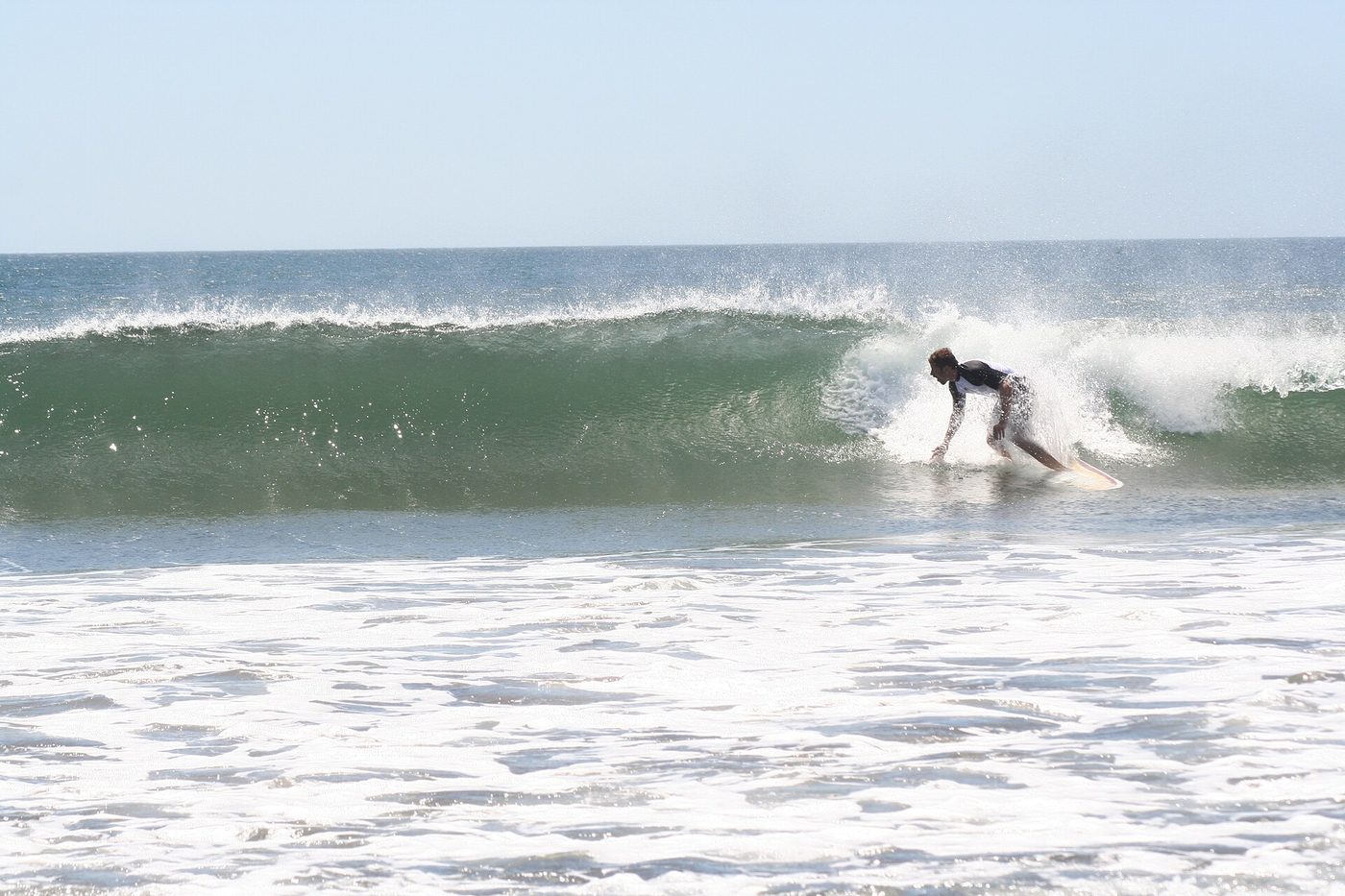
There is no surf break in Playas del Coco itself. The bay is deep, protected, and usually calm. Surfing near Playas del Coco means one of two things: a boat trip to Witch's Rock or Ollie's Point in the protected waters north of town, or a drive of roughly 75 minutes to the beach breaks around Tamarindo.
We tell people this on day one, because the honest version saves you a wasted morning standing on our beach with a board and nothing to ride. Coco is a boating, diving, and fishing town. That is exactly why it works so well as a surf base: the most famous waves in Costa Rica are reached by boat, and the boats leave from here. Here is where beginners and experienced surfers actually go, how the logistics work, and what it costs to get on the water.
Is there any surf in Playas del Coco itself?
No, and we would rather say that plainly than dress it up. Coco sits inside a sheltered bay on the Gulf of Papagayo. The headlands that make the water so good for swimming, snorkeling, and mooring boats also block the swell. On a big south swell you might see a small shorebreak wave, but nothing you would plan a session around. The same is true of Ocotal and the other beaches immediately around town.
If waves are the single most important thing in your life, Tamarindo or Playa Negra will fit you better, and we say so in our comparison of Coco versus other Guanacaste beach towns. But if you surf a few times a month and also want restaurants, medical care, a real grocery store, and calm water for the rest of the family, Coco plus a surf trip is a combination a lot of our owners and guests genuinely prefer.
What are Witch's Rock and Ollie's Point?
These are the two legendary waves of northern Guanacaste, made famous by the 1994 surf film The Endless Summer II. Both sit inside protected wilderness with no road access worth attempting, which is why they stay special.
Witch's Rock (Roca Bruja) breaks at Playa Naranjo in the Santa Rosa sector of the Guanacaste Conservation Area. It is a powerful beach break peeling off a volcanic monolith that stands alone in the surf zone. The park service itself describes the wave as world famous and for experts only, and that is a fair warning: currents are strong and there is no lifeguard, no shop, and no help nearby.
Ollie's Point (Potrero Grande) is a right point break further north. Surfline describes rides there running more than 300 yards on the right swell, which is why surfers fly across the world for it. On a good south swell in high season it gets busy, with multiple boats anchored off the point, so an early start matters.
Both waves need a south or southwest swell to turn on. They are not everyday waves. A good local captain will tell you honestly whether the forecast justifies the trip, and a good one will also reschedule you rather than take your money on a flat day.
How does a boat trip from Coco actually work?
Playas del Coco is one of the main departure points for both waves. The Guanacaste Conservation Area lists Coco, Playa Hermosa, Flamingo, and Cuajiniquil as the usual entry communities for its marine sector, and the ride from our beach takes about an hour each way.
Because both breaks sit inside a marine protected area, there are rules:
- Visits must be reserved at least 24 hours in advance through the conservation area's online system, with the boat, captain, and passenger names registered.
- You must go with a documented, insured boat operator. This is not a wave you reach with a rented kayak.
- Admission to the protected area must be paid before entering. For reference, the standard Santa Rosa National Park entrance fee for foreign visitors is US$15 per person, and fees can change, so confirm the current marine sector rate when you book.
- Surfing is only permitted at Playa Naranjo and Potrero Grande. The rest of the sector is off limits to surfing.
For many visitors this boat trip is the whole point of surfing near Playas del Coco. In practice, the operator handles the paperwork. You show up on the beach early with sunscreen, water, and your board (or rent one in town), and you are trading waves with a handful of people instead of a hundred. Trips run most reliably from May through November, when the south swells arrive.
Where should beginners actually learn?
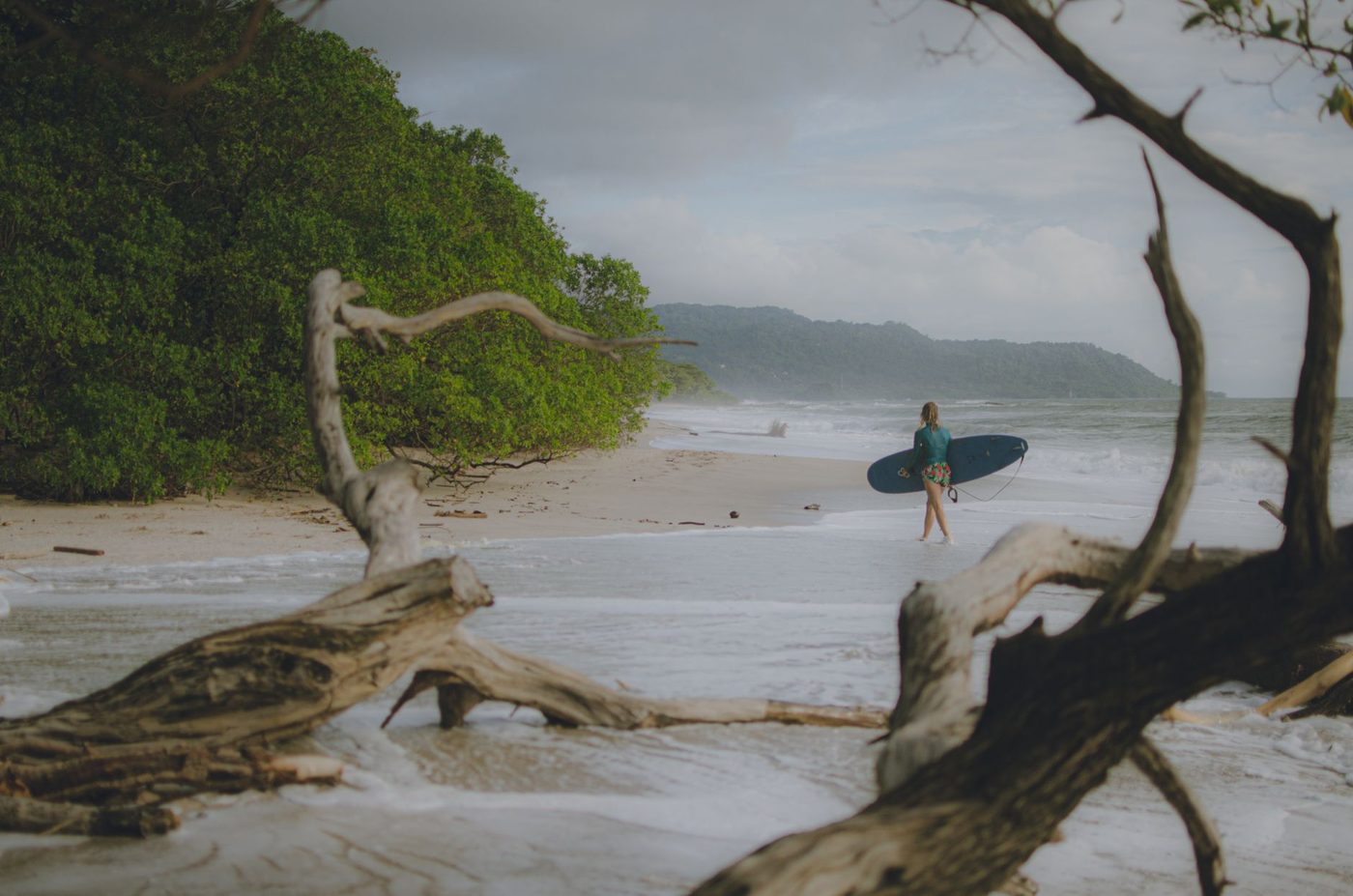
Tamarindo. It is not close enough to walk, but it is the right answer. The drive from Coco takes roughly an hour and a quarter (about 47 km by road), and what you get at the end is one of the most forgiving learning waves in the country: a sandy-bottom beach break with slow, crumbling peaks and warm water all year. Surfline notes that Tamarindo's beaches are full of beginners and longboarders year round, and the town is stacked with surf schools and board rentals at every price point.
A realistic plan for a Coco-based beginner looks like this: leave after early coffee, take a two-hour morning lesson around mid tide, eat lunch in town, and be back in Coco by mid afternoon. Several of our rental guests do exactly this once or twice during a week's stay, then spend the other days diving or sailing here at home.
One honest caveat: Tamarindo's main peak gets crowded, especially December through April. If you already stand up comfortably, walk down the beach toward Playa Langosta, or cross the estuary to Playa Grande by water taxi, and you will find more room.
Where do intermediate and advanced surfers go?
Once you are past the learning stage, the coast south of Tamarindo opens up:
- Playa Grande. Just north of Tamarindo across the estuary (a 17 km drive via Villareal if you bring your own car), this long beach break is faster and more consistent than Tamarindo itself, and it sits inside Las Baulas National Marine Park, so the backdrop is sand and trees rather than hotels.
- Playa Avellanas. A spread of sand and reef peaks south of Tamarindo that works for solid intermediates on smaller days and gets serious when the swell rises.
- Playa Negra. A fast, hollow right over a rock reef, best left to experienced surfers. It also appeared in The Endless Summer II, and it still breaks the way it did on film.
Surfline's regional guide suggests surfing these south-facing spots on an incoming mid tide, and moving to the point and reef breaks at lower tides when the swell is big. Add Witch's Rock and Ollie's Point by boat, and a surfer living in Coco has a genuine quiver of options within 90 minutes of the front door.
When is the surf season in Guanacaste?
The most consistent surf in Guanacaste runs from late May through August, when southwest Pacific swells arrive regularly and wave faces range from chest high at protected spots to well overhead at the open beach breaks. From September through November the south swells come less often but carry more power. December through February brings the dry season Papagayo winds, which groom everything offshore but depend on less frequent northwest swells for size.
Translation for planning purposes: the green season is surf season. That is the opposite of the tourist high season, which is worth knowing if you want waves without crowds, and it pairs well with the cheaper green season rates we cover in our guide to the best time to visit Costa Rica.
Can you live in Coco and still be a surfer?
Yes, with clear eyes about the tradeoff. You will not check the waves from your porch. What you get instead is the most complete town in northern Guanacaste, calm water at home, and boat access to two of the best waves in the country, plus the Tamarindo corridor about 75 minutes away by car. Plenty of people in our community, covered in our expat guide to the Papagayo region, keep a board in the garage and treat surfing near Playas del Coco as a day trip rather than a daily default.
If that balance sounds like your version of Costa Rica, we can help you find the base for it. We live here, we manage 60+ vacation rentals in Coco and Ocotal, and we know which captains actually know the marine sector rules. Browse our current listings, or send us a message and ask us anything, including which boat to book for Witch's Rock.
Looking to buy? Browse current Playas del Coco real estate from our local team.
Frequently asked questions
Can you surf in Playas del Coco?
No. Playas del Coco sits in a sheltered bay on the Gulf of Papagayo, and the headlands block the swell, so the water is usually calm. Surfers based in Coco take a boat to Witch's Rock or Ollie's Point, or drive roughly 75 minutes to the beach breaks around Tamarindo, Playa Grande, and Avellanas.
How do you get to Witch's Rock from Playas del Coco?
By boat, about an hour each way. Both Witch's Rock and Ollie's Point sit inside the Guanacaste Conservation Area's marine sector, so you must book a documented, insured operator, reserve at least 24 hours ahead through the conservation area's system, and pay the protected area admission. Local captains in Coco handle the paperwork.
Where is the closest beginner surf to Playas del Coco?
Tamarindo, about an hour and a quarter by car. Its sandy beach break has slow, forgiving waves year round, plus surf schools and board rentals everywhere. Many Coco visitors take a morning lesson there and are back by mid afternoon. Once you can stand up, nearby Playa Grande offers faster, less crowded waves.
Cover photo: dog4aday, CC BY 2.0, via Wikimedia Commons · Photo: Armando Belsoj, Pexels