The Maritime Zone: Costa Rica's First 200 Meters of Beach, Explained
How the zona marítimo terrestre works, and what a concession really gives you when you buy near the beach.
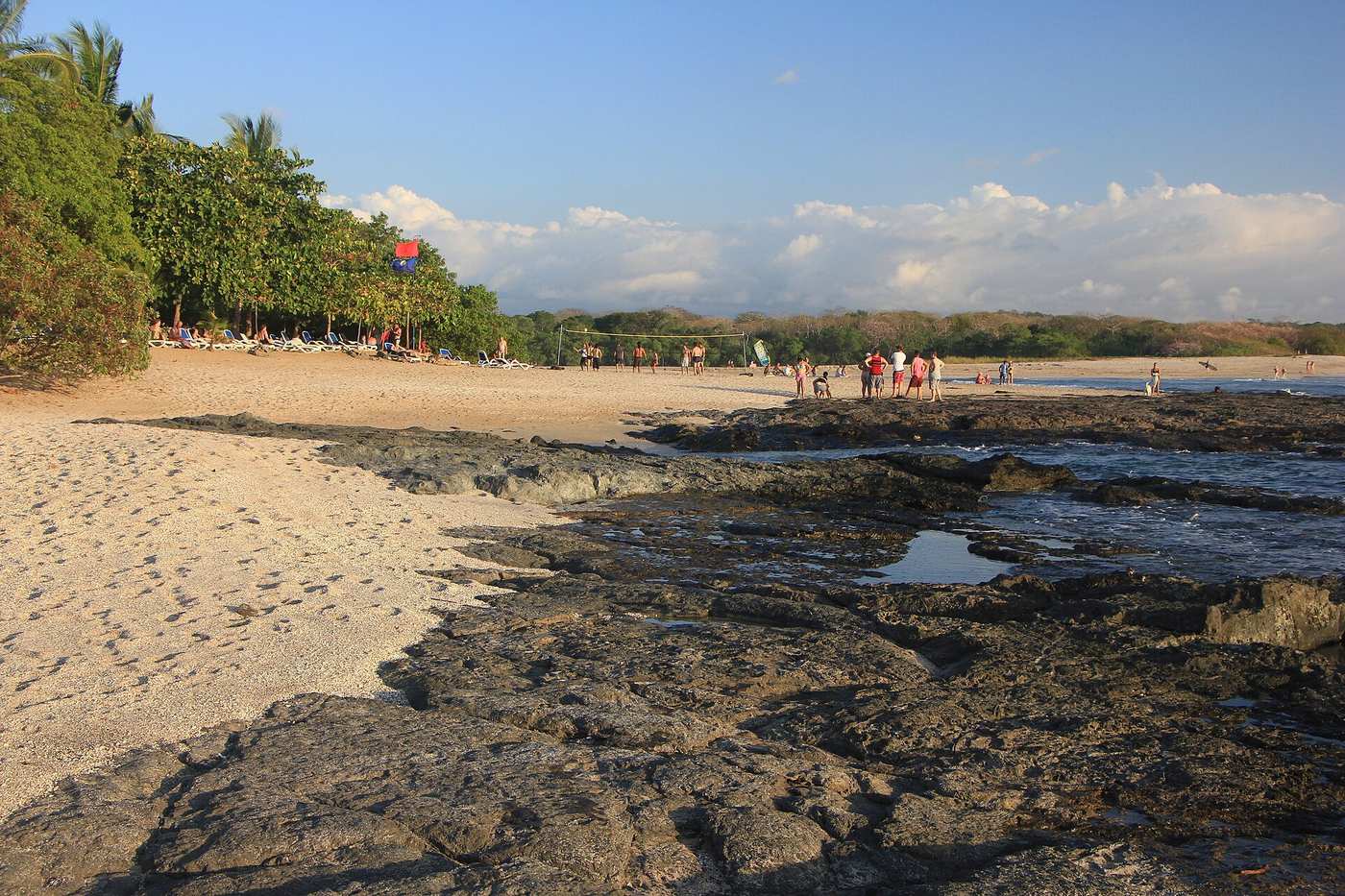
Costa Rica's maritime zone (the zona marítimo terrestre) is the first 200 meters of land measured from the ordinary high tide line. The first 50 meters are public: nobody can own or occupy them. The next 150 meters are the restricted zone, where you hold land through a renewable municipal concession instead of a normal title.
What is the maritime zone in Costa Rica?
The maritime zone was created by Law 6043 of 1977, the Ley sobre la Zona Marítimo Terrestre. Article 9 defines it as a strip 200 meters wide along both the Pacific and Caribbean coasts, measured horizontally from the line of ordinary high tide, plus the rocks and land the sea uncovers at low tide. Islands and islets count too.
The purpose is simple: keep the shoreline in public hands and put coastal development under public control. This is why Costa Rica has no private beaches. Every beach in the country is open to everyone, including the sand in front of the most expensive resorts.
Each coastal municipality administers the maritime zone within its own jurisdiction. Around Playas del Coco and Ocotal, that is the Municipality of Carrillo.
What happens in the first 50 meters?
The first 50 meters from the high tide line, plus everything the low tide exposes and all mangroves, form the public zone. Article 20 of the law is blunt: the public zone cannot be occupied under any title, nobody can claim any right over it, and it is dedicated to public use and the free movement of people.
In plain terms, that means no house, no fence, no pool, and no private rancho inside the first 50 meters. The law even authorizes municipalities to demolish unauthorized construction there at the builder's expense. So when a listing shows a lawn that appears to run to the sand, ask for the survey. The property line and the vegetation line are not the same thing.
How does the 150 meter restricted zone work?
The remaining 150 meters form the restricted zone, and this is the only part of the maritime zone where concessions can be granted. A concession is a contract with the municipality that gives you the right to use and enjoy a defined parcel. It is closer to a long lease than to ownership.
The basics, straight from the law:
- Only the local municipality can grant a concession, and only where an approved coastal zoning plan exists.
- Terms run from 5 to 20 years and are renewable if you apply on time and are in good standing.
- You pay an annual fee called a canon, which takes the place of the normal property tax.
- In areas declared touristic, the Costa Rican Tourism Institute (ICT) must approve the concession.
- You cannot sell, transfer, or mortgage a concession without express authorization from the municipality and the approving institute.
Concessions are recorded in a special registry, so a proper study can confirm exactly what a seller holds. We cover the practical differences in our post on concession vs. titled properties.
Can foreigners hold a maritime zone concession?
Often not directly. Article 47 of Law 6043 says concessions shall not be granted to foreigners who have not resided in Costa Rica for at least five years, to companies domiciled abroad, to companies set up in Costa Rica by foreigners, or to companies whose shares or capital are more than 50 percent foreign owned.
You will see workarounds in the market, usually a corporation where a Costa Rican partner holds 51 percent. Understand what that means: your rights depend on the structure holding up, and the law declares transfers made in violation of Article 47 void. Some structures are done carefully and some are not. We are not attorneys, and this is exactly the situation where an independent one earns their fee. Our post on why a good lawyer matters in Costa Rica explains how to pick one.
Which beachfront property is exempt from the maritime zone law?
There are real exceptions, and they matter for buyers.
Titled beachfront. Article 6 of the law excludes areas inside coastal cities and properties that were already legally registered to private owners, most of them titled before 1977. This is why pockets of true fee simple beachfront still exist along the Guanacaste coast. They are scarce, they are documented in the National Registry, and they usually carry a price that reflects both facts.
The Papagayo tourism pole. The peninsula north of Coco runs under its own regime, created by Law 6370 of 1979 and Law 6758 of 1982. There, the ICT, not the municipality, administers the development, which covers about 1,658 hectares. Concession terms there can run far longer than the standard 5 to 20 years, and local legal guides note that Papagayo concessions can be held by foreigners directly. If you are looking at Papagayo, treat it as its own category and confirm the current rules with your attorney.
What does this mean if you are buying near Playas del Coco?
Most homes and condos in Coco, Ocotal, and the surrounding hills sit entirely behind the 200 meter line. They are regular titled property, held in fee simple, and a foreigner can own them outright with the same rights as a Costa Rican. If that is what you are after, the maritime zone is background knowledge, not an obstacle. Our guide on how to buy a home in Costa Rica walks through that process.
Where a property does sit inside the restricted zone, it is concession property, and the listing should say so plainly. Here is our honest take on the tradeoff: concession land often gets you closer to the water for less money, but you do not own the land, you must keep the canon current, renewals depend on staying compliant, and the Article 47 rules shrink your pool of future buyers. For some people that trade is worth it. For most of our clients, titled property a few hundred meters back is the calmer choice.
What should you check before buying in the maritime zone?
- Confirm in the National Registry whether the property is titled or a concession. Do not rely on the listing description.
- Check the years remaining on the concession and its renewal history.
- Verify the canon is paid up to date with the municipality.
- Ask for the approved coastal zoning plan and confirm the permitted use matches your plans.
- Get the survey and confirm nothing you are paying for sits inside the 50 meter public zone.
- Have your attorney confirm you can legally hold the concession, given Article 47.
None of this is complicated for a competent local attorney. All of it is expensive to skip.
We have lived and worked on this coast for years, and we are happy to tell you which listings are titled, which are concessions, and what we would do in your shoes. Browse our current listings or send us a message on WhatsApp and ask us anything about the maritime zone before you fall in love with a beachfront view.
Frequently asked questions
Can you own beachfront property outright in Costa Rica?
Usually not within the first 200 meters. The first 50 meters are public land, and the next 150 meters are normally held under a municipal concession, not a title. Exceptions exist: land inside coastal cities and properties legally titled before the 1977 law can be fully owned. A National Registry study confirms which case applies.
How long does a maritime zone concession last?
Law 6043 sets concession terms between 5 and 20 years, and they are renewable if the holder applies on time, keeps the annual canon paid, and stays compliant with the concession contract. Renewal is common in practice but not automatic. The Papagayo tourism pole runs under a separate ICT regime that allows longer terms.
Can a foreigner buy concession property in Costa Rica?
Not directly in most cases. Article 47 of Law 6043 blocks concessions for foreigners with less than five years of residency and for companies that are more than 50 percent foreign owned. Structures using a Costa Rican majority partner exist, but the law voids transfers that violate the rule, so review any concession deal with an independent attorney.
Cover photo: ImagePerson, CC0, via Wikimedia Commons · Photo: Franklin Garcia, CC BY-SA 3.0, via Wikimedia Commons