Property Taxes in Costa Rica: The 0.25 Percent Rule and the Luxury Home Tax
What the 0.25 percent municipal tax and the 2026 luxury home tax really cost property owners each year.
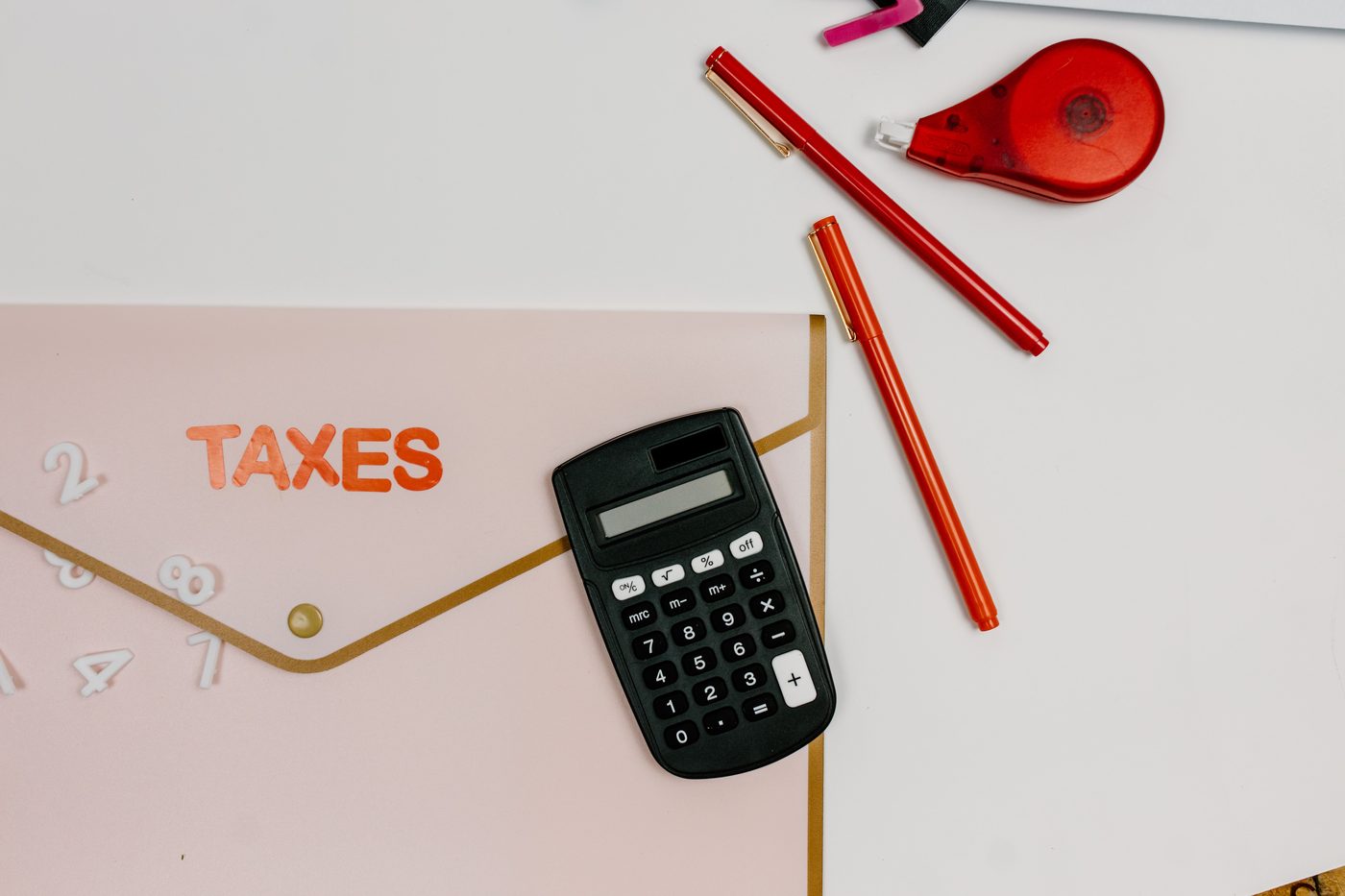
Property taxes in Costa Rica are low by North American standards. The base rate is 0.25% of the registered property value per year, paid to your municipality. On top of that, homes whose construction value passes roughly 143 million colones in 2026 also owe the solidarity tax, better known as the luxury home tax, at 0.25% to 0.55%.
We manage and sell property in Playas del Coco every day, and taxes are one of the first questions buyers ask us. The good news: for most owners here, the annual bill is smaller than a single month of property tax on a comparable home in Texas or Ontario. Here is how both taxes actually work, with the current numbers.
How does the 0.25 percent property tax work?
Costa Rica's basic property tax (impuesto sobre bienes inmuebles) is set by Law 7509 at 0.25% of the property's registered value per year. It is not a federal tax. Your local municipality assesses it, collects it, and spends most of it. For property in Playas del Coco and Ocotal, that means the Municipality of Carrillo.
The math is simple. A home registered at US$400,000 pays about US$1,000 a year. A US$800,000 home pays about US$2,000. You can pay annually in one payment or in quarterly installments, and most municipalities in Guanacaste bill by the quarter. Many owners simply pay the full year each January and forget about it.
If you own through a Costa Rican corporation, as many foreign buyers do, the corporation pays the same 0.25%. There is no separate or higher rate for foreigners. The rate is the same whether you live here full time or visit twice a year.
What is the registered value, and how is it set?
The tax is charged on the value declared in the municipal records, not automatically on what you just paid. Owners are required to file a declaration of value with the municipality every five years. When you buy, the purchase price recorded in the transfer deed typically becomes the new base, so recent buyers usually pay tax on close to their real purchase price.
Do not be tempted to declare an artificially low value. If you skip the declaration or lowball it, the municipality can send its own appraiser, impose a new valuation, and charge back taxes and fines. A low registered value can also work against you later, because capital gains are measured against your documented cost. We cover that math in our guide to capital gains tax on Costa Rica property.
Who is exempt from the basic property tax?
There is one meaningful exemption, and it rarely helps foreign buyers. An individual (not a corporation) who owns just one single property in Costa Rica pays no tax on value up to 45 base salaries. The base salary for 2026 is 462,200 colones, so the exempt amount is about 20.8 million colones, roughly US$45,000 at recent exchange rates. Value above that line is taxed normally.
Most expat-owned homes in the Coco area are worth several times the threshold, are held in corporations, or are second properties, so plan on paying the full 0.25%. It is still a small number.
What is the luxury home tax (impuesto solidario)?
The solidarity tax for housing programs, created by Law 8683 in 2009 and universally called the luxury home tax, is a separate national tax on higher-value homes. It funds public housing programs. It applies to residential properties used regularly, occasionally, or for recreation, which includes vacation homes owned by non-residents.
The trigger is construction value, not total value. For the 2026 period, set by Executive Decree 45358-H, the tax applies when the value of the main construction plus fixed installations (pools, ranchos, retaining walls, and similar) exceeds 143 million colones, a little over US$300,000 at recent exchange rates. Here is the part that surprises people: once construction crosses that line, the land value is added to the base, and the tax is calculated on the whole package. If construction stays under the threshold, you owe nothing, even on a valuable lot.
How much does the luxury home tax cost in 2026?
The rates are progressive, climbing in slices the way income tax brackets do. Per the Ministry of Finance's official 2026 notice, the first slice of taxable value up to 359 million colones pays 0.25%, and the rate steps up through 0.30%, 0.35%, 0.40%, 0.45%, and 0.50% before topping out at 0.55% on value above 2,162 million colones.
In practice, most homes that qualify sit in the lowest brackets. A house with construction and land valued at 400 million colones (roughly US$880,000) would owe close to 1 million colones a year, a bit over US$2,000. Combined with the basic 0.25% municipal tax, total annual carrying taxes on that home stay near 0.5% of value. Owners coming from high-tax US states often pay five to ten times more at home for a similar house, though remember Costa Rica funds fewer local services through this tax, and things like private security or HOA fees in gated communities are paid separately.
How and when do you declare and pay it?
The luxury home tax runs on a self-assessment system. Owners value their own construction using the Ministry of Finance's parameters (most people hire an appraiser or their accountant for this), file form D-174 through the tax administration's online platform, and pay by January 15 each year to avoid surcharges. The valuation declaration itself is filed every three years, while payment is annual.
The threshold and brackets are updated by decree almost every year, and they can move in either direction, so check the current figures each December or ask your accountant to track it. This is one of those areas where we tell every buyer the same thing: we are not tax advisors, so confirm your specific situation with a licensed Costa Rican accountant or attorney before you close.
What happens if you do not pay?
Unpaid municipal property tax accrues interest, and the municipality can eventually pursue collection against the property itself. Unpaid luxury home tax brings fines and interest from the national tax administration, and undeclared properties can be assessed by the tax office at values you will not like. Neither situation is worth it for taxes this small. When you sell, buyers' attorneys check for tax arrears during due diligence, and unpaid balances stall closings. We see it happen.
How do property taxes fit into your total ownership costs?
Taxes are only one line in the annual budget. A realistic ownership picture for a Coco area home includes the 0.25% property tax, the luxury home tax if your home qualifies, the annual corporation tax if you hold title in a company, HOA or condo fees where they apply, insurance, and utilities. On the way in, budget for one-time closing costs of about 3.5% to 4.5% of the purchase price. If you are earlier in the process, our step-by-step guide on how to buy a home in Costa Rica walks through the whole sequence.
The honest summary: Costa Rica is not a zero-tax paradise, but annual property taxes here are genuinely low, predictable, and easy to pay. What catches people out is not the amount, it is missing a filing, an outdated declaration, or a luxury tax obligation nobody mentioned at closing.
If you are weighing a purchase in Playas del Coco, Ocotal, or anywhere on the Gold Coast, we will gladly run the real numbers for any home you are considering, taxes included. Browse our current listings or send us a message, and we will give you straight answers.
Frequently asked questions
How much is annual property tax in Costa Rica?
The standard rate is 0.25% of the registered property value per year under Law 7509, collected by the local municipality. A home registered at US$400,000 pays about US$1,000 a year. You can pay annually or quarterly, and owners must update their declared value with the municipality every five years. Foreigners pay the same rate as citizens.
What is the luxury home tax threshold in Costa Rica for 2026?
For 2026, the solidarity tax applies when a home's construction plus fixed installations are valued above 143 million colones, a little over US$300,000. Once construction crosses that line, land value is added and progressive rates of 0.25% to 0.55% apply to the total. Payment is due by January 15 each year, and the threshold is updated by decree.
Do foreigners pay higher property taxes in Costa Rica?
No. Costa Rica charges the same 0.25% property tax and the same luxury home tax rules to everyone, whether the owner is a citizen, a resident, a non-resident foreigner, or a corporation. There is no foreign-buyer surcharge. The one common difference is practical: homes held in corporations cannot claim the small single-property exemption available to individuals.
Cover photo: Tara Winstead, Pexels · Photo: Jan van der Wolf, Pexels