13 Facts About Guanacaste Most Visitors Never Learn
The history, nature, and culture behind Costa Rica's Gold Coast, with every fact sourced.
Most visitors know Guanacaste for its beaches and its dry season sunshine, but the province has a deeper story. These 13 facts about Guanacaste cover a voted annexation in 1824, a battle that lasted 14 minutes, one of the world's five Blue Zones, and a UNESCO listed forest. Each one is sourced, and most surprise even repeat visitors.
1. Guanacaste joined Costa Rica by vote, not by war
Guanacaste was not conquered or purchased. On July 25, 1824, the people of the Partido de Nicoya, the territory that became most of today's province, voted in a plebiscite to leave Nicaragua's orbit and join Costa Rica. The provincial motto, "De la patria por nuestra voluntad" (part of the homeland by our own will), still commemorates that choice. Every July 25 the whole country celebrates Guanacaste Day with topes, marimba music, and folk dancing. We wrote more about the party itself in why expats love celebrating Guanacaste Day.
2. The province is named after a tree with ear-shaped seed pods
The guanacaste tree (Enterolobium cyclocarpum) is Costa Rica's national tree, and the province carries its name. The name traces back to Nahuatl, and the connection is easy to see: the dark seed pods curl into flat spirals that look remarkably like human ears, which is why English speakers often call it the elephant-ear tree. Mature trees reach 25 to 35 meters tall with huge, spreading crowns. You will spot them standing alone in cattle pastures all over the province, left there on purpose for shade.
3. The Nicoya Peninsula is one of only five Blue Zones on Earth
Researchers studying extreme longevity identified five regions where people reach 100 at unusual rates, and Nicoya in Guanacaste is the only one in the Americas. The working explanations are not exotic: strong family ties, a sense of purpose locals call plan de vida, a simple diet built on corn, beans, and squash, calcium-rich hard water, and physical work late into life. Whatever the mix, some of the world's longest-lived people are our neighbors.
4. Costa Rica's most celebrated battle happened here, and it lasted 14 minutes
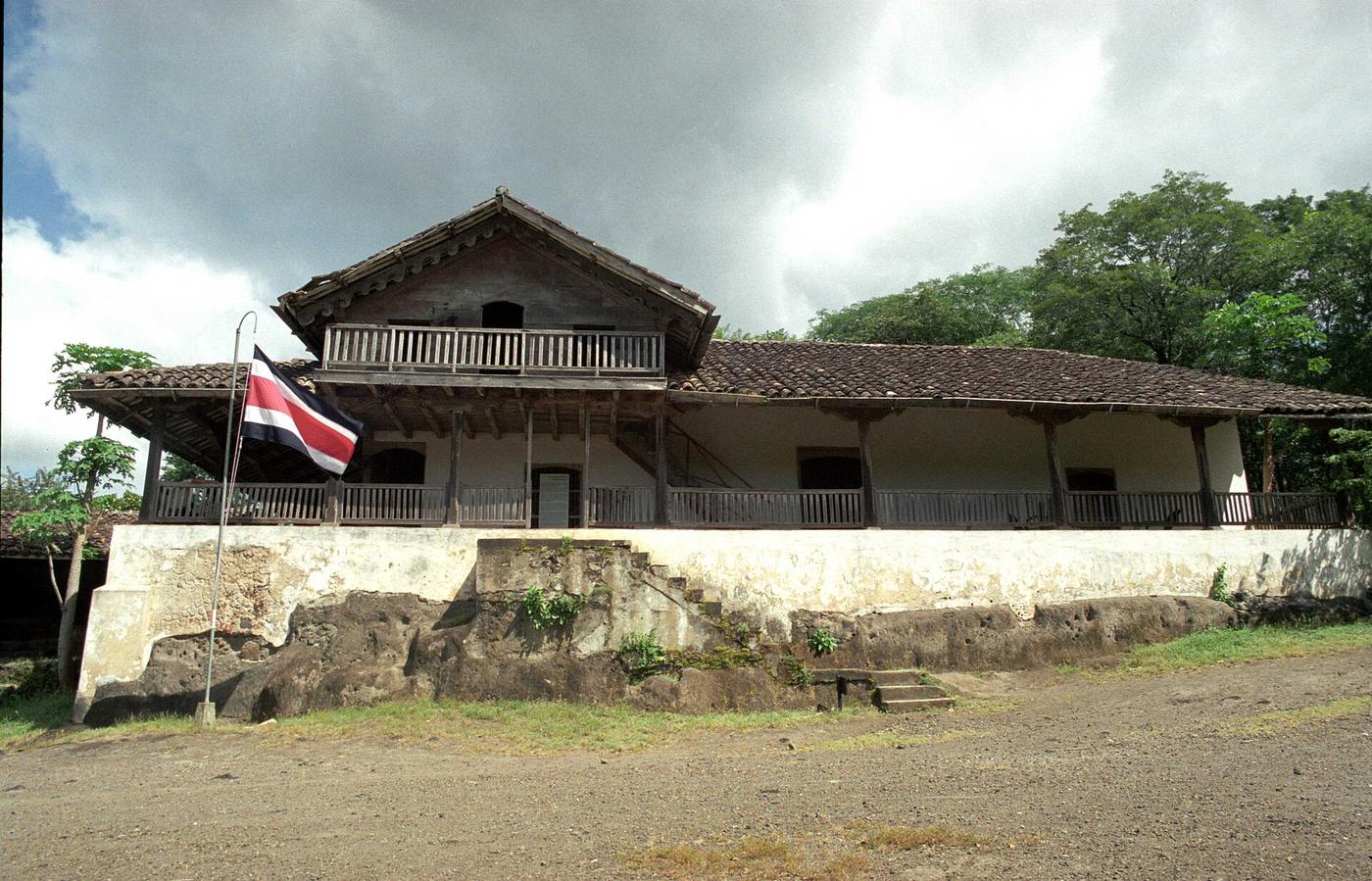
In March 1856 the American filibuster William Walker sent troops into Guanacaste as part of his campaign to control Central America. On March 20, 1856, Costa Rican forces surprised them at Hacienda Santa Rosa and won the battle in fourteen minutes. The old ranch house, La Casona, became a national shrine. It burned in an arson fire in 2001 and was rebuilt, and you can visit it today inside Santa Rosa National Park, about an hour north of Playas del Coco.
5. A UNESCO World Heritage Site protects the region's rarest forest
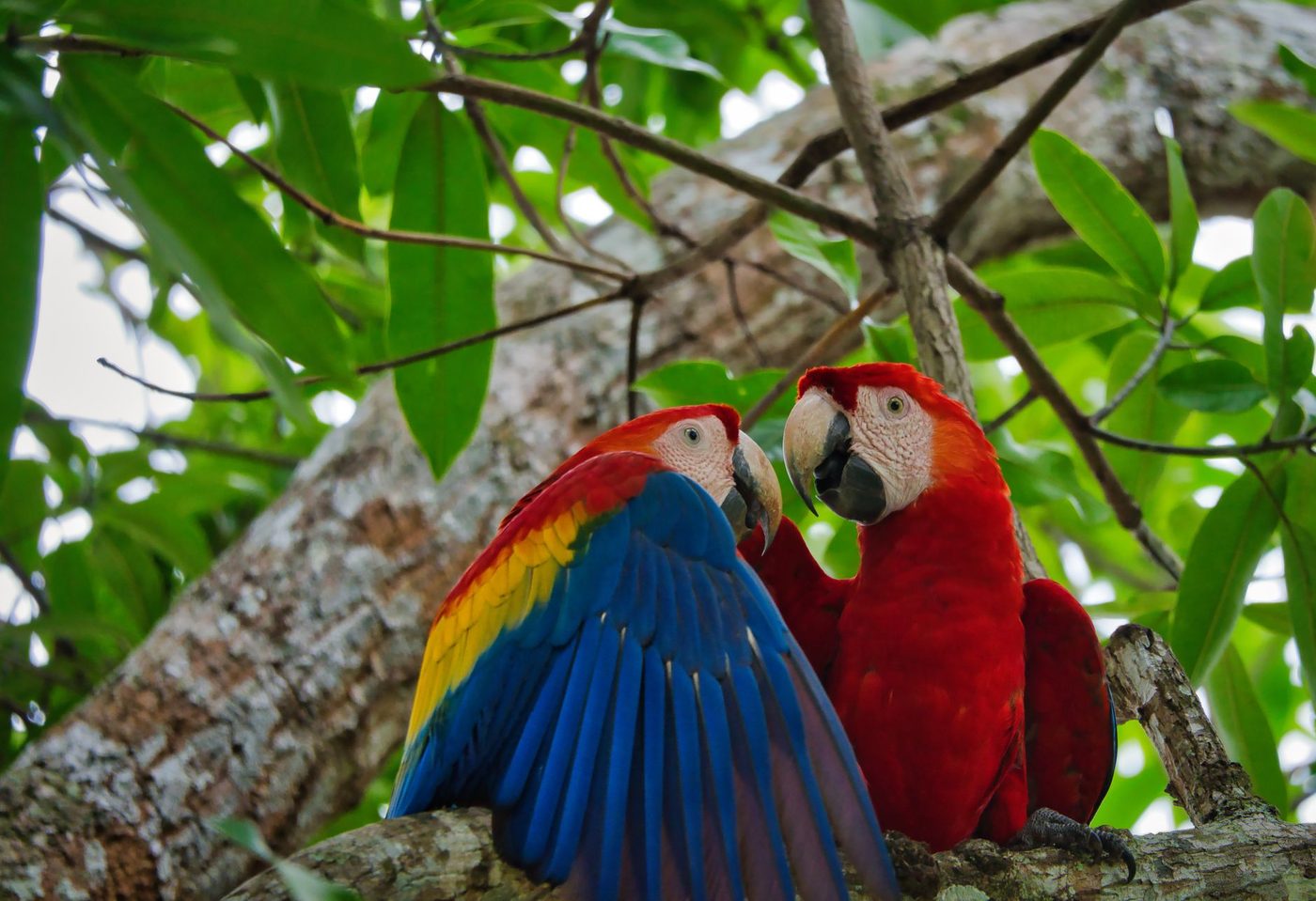
Rainforest gets the fame, but Guanacaste's signature ecosystem is tropical dry forest, and it is far rarer. The Area de Conservacion Guanacaste was inscribed as a UNESCO World Heritage Site in 1999 and now covers roughly 147,000 hectares of land and sea. UNESCO calls it the best remaining dry forest habitat between Central America and northern Mexico, home to around 7,000 plant species plus jaguars, tapirs, and nesting sea turtles.
6. The seasons here are dry and green, not summer and winter
Guanacaste is the driest part of Costa Rica, with two seasons instead of four. From roughly late November through April almost no rain falls, the trees drop their leaves, and the strong Papagayo winds blow. From May through November afternoon rains turn everything green, which is why we call it the green season rather than the rainy season. Mornings are usually sunny year-round. Locals flip the labels visitors expect: the dry months are called verano (summer) and the green months invierno (winter), even though the green season lines up with the northern summer.
7. You can fly here without ever seeing San Jose
Plenty of first-time visitors assume every trip runs through the capital. It does not. Daniel Oduber Quiros International Airport (LIR) in Liberia receives direct flights from the United States, Canada, and Europe, and sits about 30 minutes from the Gulf of Papagayo beaches. That single piece of infrastructure is a big part of why the Gold Coast grew the way it did, something we cover in our guide to Guanacaste real estate.
8. Volcanoes here help power the country
Costa Rica's electric grid runs overwhelmingly on renewables, and Guanacaste carries a large share of the load. Geothermal plants tap the heat beneath the Miravalles and Rincon de la Vieja volcanoes, wind farms line the hills around Tilaran, and solar projects use the province's long dry season sun. When you flip a light switch in Playas del Coco, there is a good chance a volcano in your own province helped make that happen.
9. This is Costa Rica's cowboy country
Of all the facts about Guanacaste on this list, this one explains the most about daily life. Long before tourism, the province's economy ran on cattle. The sabanero, the Guanacaste cowboy, is still a working profession here, not a costume. You see the heritage in the pastures dotted with guanacaste trees, in the topes (horse parades) that anchor every town festival, and in the bull riding events at civic fiestas. The marimba music and folk dances that represent Costa Rica abroad mostly come from this province too.
10. Chorotega potters still work the way their ancestors did
The Chorotega people were the dominant culture in this region before the Spanish arrived, and their pottery tradition never died. In the villages of Guaitil and San Vicente, near Santa Cruz, families still shape local clay by hand, decorate it with natural mineral pigments, and fire it in wood-burning kilns. Buying a piece there, from the person who made it, is one of the most direct connections to pre-Columbian Costa Rica you can find anywhere in the country.
11. Some beaches disappear under nesting sea turtles
Several times a year, mostly between August and December, olive ridley turtles come ashore at Ostional in mass nesting events called arribadas, with thousands of females arriving over a few nights. On the other side of the peninsula, Las Baulas National Marine Park at Playa Grande protects one of the Pacific's most important leatherback nesting beaches. Guided night tours are the responsible way to see either. For more on what shares the province with us, see our post on the wildlife of Guanacaste.
12. Two world-famous surf breaks sit inside a national park
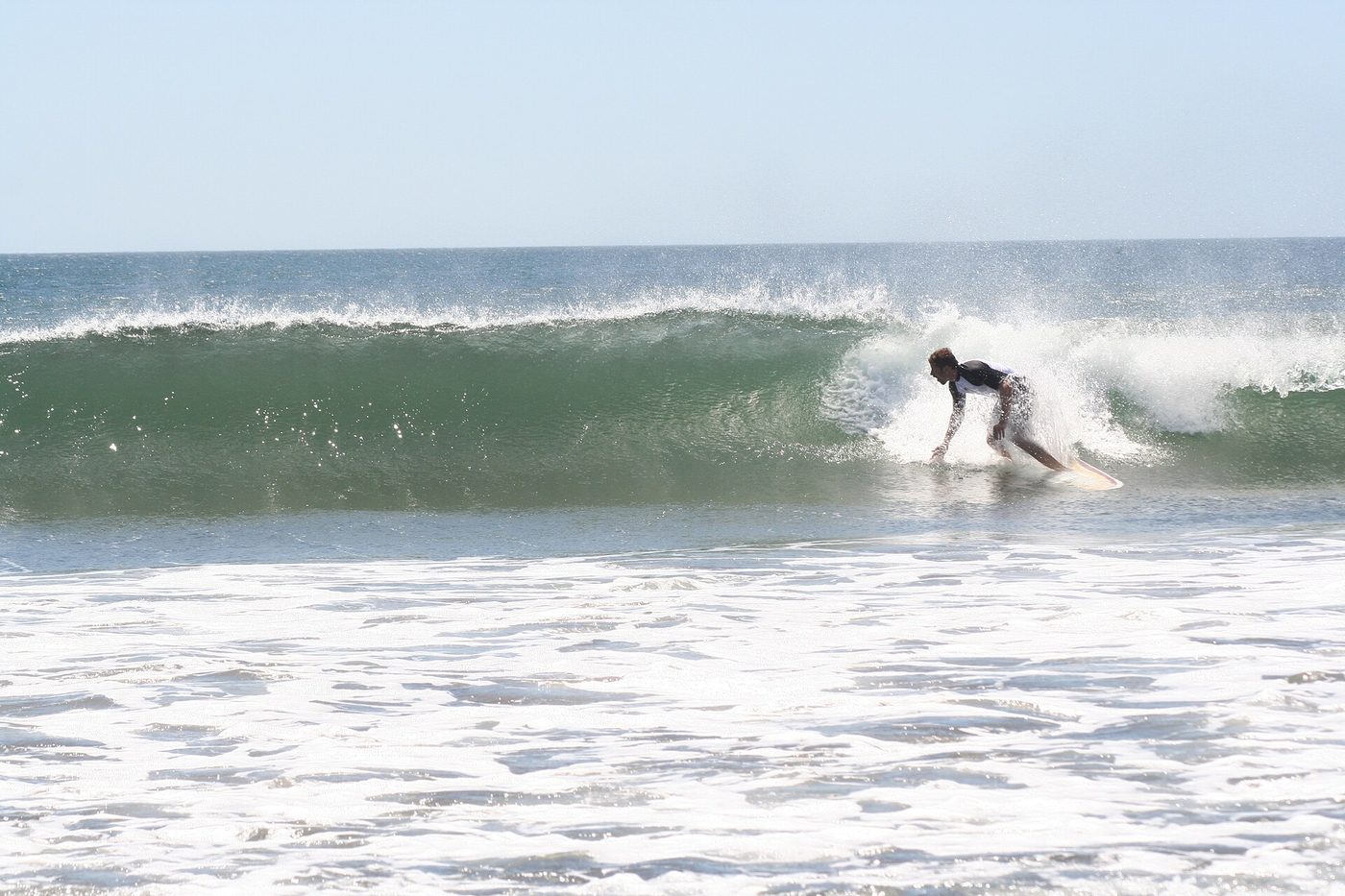
Witch's Rock and Ollie's Point, both made famous by the film Endless Summer II, break along the coastline of Santa Rosa National Park. There is no road access worth the trouble, so surfers reach them by boat, and Playas del Coco is one of the main departure points. It is a strange and wonderful detail: two of the best waves in the country roll into a protected shoreline where the backdrop is dry forest instead of development.
13. Daylight barely changes all year
Guanacaste sits roughly ten degrees north of the equator, so day length stays close to twelve hours every month of the year. The sun rises around dawn and sets in the early evening whether it is January or July, and the famous Guanacaste sunsets happen at dinner time year-round. For anyone moving from Canada or the northern United States, losing the long dark winters is one of the changes people mention most, right alongside the weather itself. It also shapes daily life here: early mornings are prime time, and towns like ours wind down not long after dark. We shared more of that local rhythm in our post on what makes Playas del Coco different.
Want to see Guanacaste for yourself?
We are Expat Properties | CR, and we live in the middle of all of this in Playas del Coco. If these facts about Guanacaste made you curious about spending real time here, we are happy to talk honestly about what life in the province is like, including the parts the brochures skip. Browse our current properties for sale, or send us a message through our contact page and ask us anything.
Frequently asked questions
What is Guanacaste, Costa Rica best known for?
Guanacaste is known for Pacific beach towns like Playas del Coco and Tamarindo, a long sunny dry season, rare tropical dry forest protected by a UNESCO World Heritage Site, and sabanero (cowboy) culture. The Nicoya Peninsula portion of the province is also one of the world's five Blue Zones, regions studied for unusual longevity.
Why is the province called Guanacaste?
It is named after the guanacaste tree, Costa Rica's national tree, whose dark seed pods curl into shapes that resemble human ears. The word traces back to Nahuatl. You still see these huge, wide-crowned trees standing alone in pastures across the province, kept as shade for cattle.
When did Guanacaste become part of Costa Rica?
On July 25, 1824, the Partido de Nicoya voted in a plebiscite to join Costa Rica rather than Nicaragua. Costa Rica commemorates the annexation every July 25 as Guanacaste Day, a national celebration with horse parades, marimba music, traditional food, and folk dancing across the province.
Cover photo: Bert Mulder, Pexels · Photo: Julián Monge-Nájera, CC BY-SA 4.0, via Wikimedia Commons