Sabanero Culture: Guanacaste's Cowboy Heritage
Guanacaste was cattle country long before it was beach country, and the sabanero is the reason this province still feels different from the rest of Costa Rica.
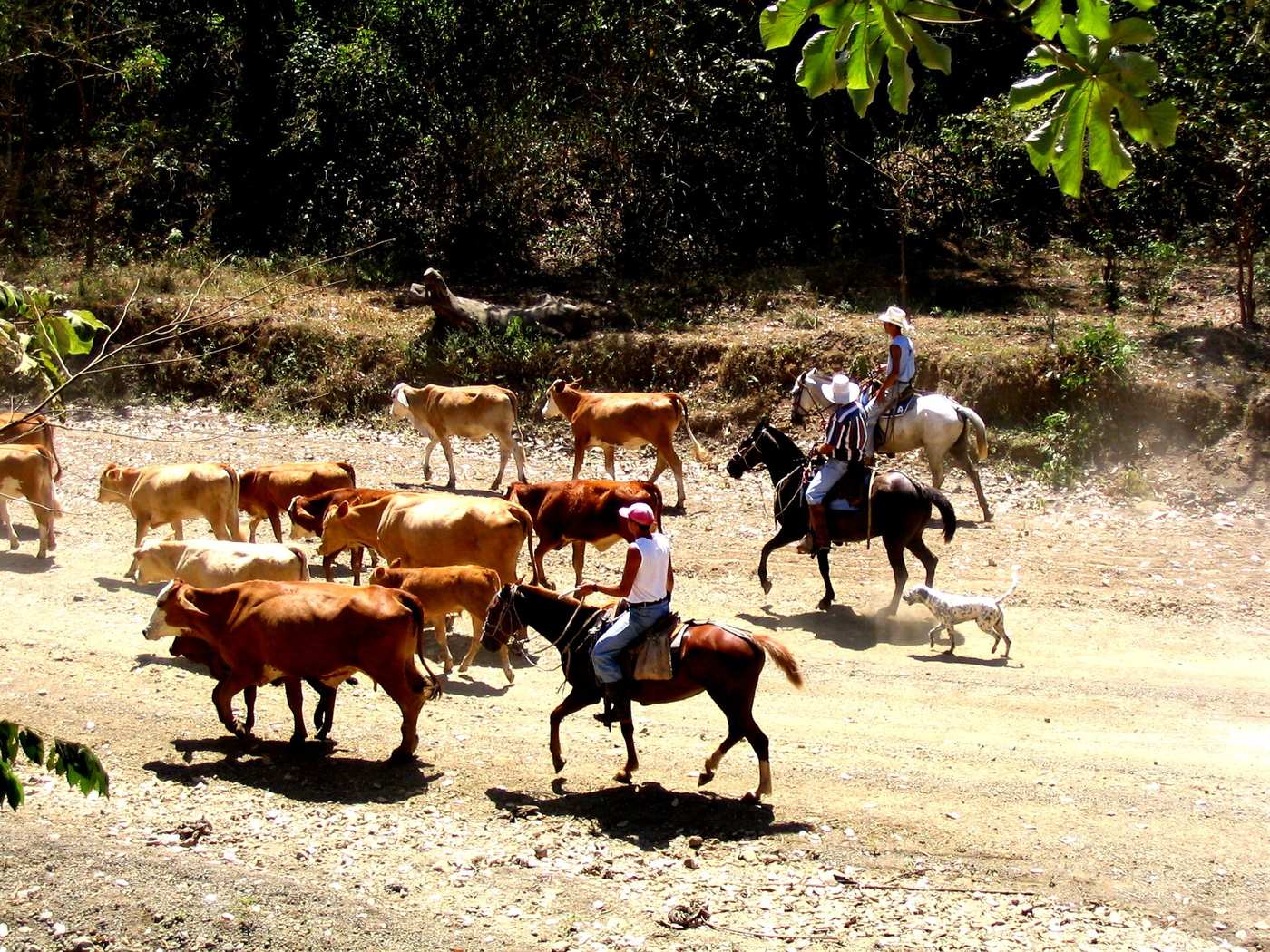
A sabanero is Costa Rica's working cowboy, born on the cattle haciendas of Guanacaste. For more than two centuries, sabaneros drove herds across this province's dry savannas, and their culture still shapes life here: the horse parades, the rodeos, the marimba music, and the bull rings where nobody kills the bull.
We sell homes and manage vacation rentals in Playas del Coco, so most of our days revolve around beaches, pools, and airport pickups. But live here through even one fiesta season and you learn something fast: Guanacaste is not just a coastline. It is cattle country with a coastline attached. This is our attempt to explain the sabanero, where he came from, and where you can still find him.
Who were the original sabaneros?
The word comes from sabana, Spanish for savanna. Spanish settlers brought cattle to this corner of Central America in the 1500s and 1600s, and over the following centuries huge haciendas spread across the flat, seasonally dry plains of what is now Guanacaste. The sabanero was the man on horseback who made those haciendas work.
The job went far beyond herding. Sabaneros were expert ropers who moved cattle along remote routes for days at a time. They treated wounds, helped cows give birth, patrolled property lines, and braided horsehair into bridles and girths in the off hours. The regional newspaper La Voz de Guanacaste traces the sabanero's golden age to the 18th and 19th centuries, and notes that by the early 1900s these men earned relatively good wages and enjoyed more freedom than the coffee laborers of the Central Valley. On the savanna, skill counted more than surname.
Why is cowboy culture so strong in Guanacaste and not the rest of Costa Rica?
Two reasons: geography and history.
Geography first. Guanacaste is the driest part of Costa Rica, with a long, hard dry season and natural grasslands. While the Central Valley built its economy on coffee, this region raised cattle, because cattle were what the land supported. Different economy, different hero. The Central Valley got the coffee farmer. Guanacaste got the sabanero.
Then history. This province was not originally part of Costa Rica at all. It belonged to the Partido de Nicoya, a colonial district tied to Nicaragua. On July 25, 1824, the town of Nicoya voted in an open town meeting to join Costa Rica, and Santa Cruz followed three days later. The town of Guanacaste, today's Liberia, held out until Costa Rica's congress formalized its incorporation in March 1825. The province's motto still reads "De la patria por nuestra voluntad": of the homeland by our own will. That voluntary annexation is why Guanacastecos carry a distinct identity inside Costa Rica, with their own music, their own dances, and their own cowboy. We wrote more about the July 25 holiday in our post on celebrating Guanacaste Day.
Where can you see sabanero culture today?
The short answer: at the fiestas. Nearly every town in Guanacaste holds fiestas cívicas or a patron saint festival at some point in the year, and the sabanero is the star of all of them. Three things to look for:
- The tope. A horse parade through town. Riders show off their best horses, their best hats, and their best high-stepping gaits. Kids ride with grandfathers. It is equal parts fashion show and family reunion.
- The corridas a la tica. Costa Rican bull events are nothing like Spanish bullfighting. The bull is never killed, and harming it is prohibited by law. Instead, volunteer daredevils called improvisados climb into the ring and try to dodge the bull. The bull almost always wins the crowd's affection, and the best bulls become minor celebrities.
- The montaderas. Bull riding, Guanacaste style. This is where actual working cowboys and ranch kids show what the sabanero skill set looks like in 2026.
For the calendar: Santa Cruz, recognized as Costa Rica's National Folklore City, kicks off its famous fiestas each year on January 14, with bull events and the procession of the Santo Cristo de Esquipulas. Liberia throws the province's biggest party around July 25 for the annexation. Closer to home, Sardinal, just inland from Coco, holds its own fiestas, and smaller towns fill in the rest of the dry season. If you happen to be near San José over the holidays, the Zapote festival runs from Christmas to early January and broadcasts its bull ring to the whole country.
What do the painted oxcarts have to do with cowboys?
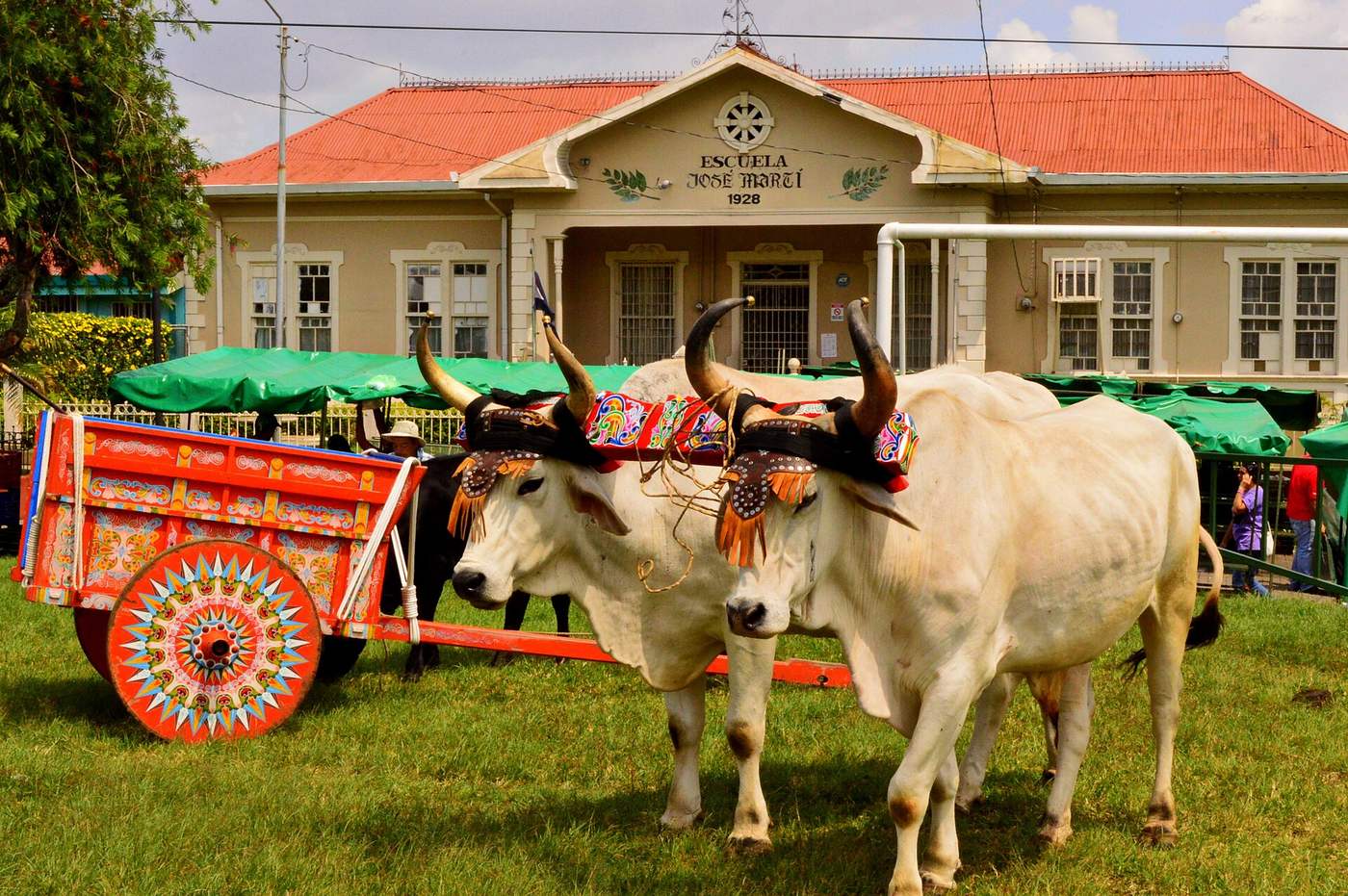
Strictly speaking, the boyero (oxcart driver) and the sabanero are different figures. The sabanero worked cattle from a horse. The boyero walked beside a pair of oxen hauling a wooden cart. But the two grew up together on the same haciendas and the same dirt roads, and no Guanacaste fiesta is complete without both.
The oxcart, or carreta, was the freight truck of old Costa Rica. Oxcarts carried coffee from the Central Valley to the ports, and in Guanacaste they hauled wood, corn, and just about everything else. In the early 1900s, families began painting their carts with bright geometric designs, and each region and family developed patterns of its own. In 2005, UNESCO recognized Costa Rica's oxherding and oxcart tradition as intangible cultural heritage, one of the country's proudest cultural credentials. Watch for boyero parades at the January fiestas in Santa Cruz and Nicoya: teams of enormous, patient oxen pulling carts painted like kaleidoscopes.
Is the sabanero disappearing?
Honestly, the working version is much rarer than it was. Paved roads and cattle trucks ended the long drives. Many old haciendas became farms, developments, or resorts, and plenty of former cowboys now work in tourism, leading trail rides or doing "cowboy for a day" experiences for visitors. We would rather tell you that plainly than pretend every hillside still has a sabanero on it.
But the culture is not a museum piece either. Cattle remain a real industry in this province, you will still share a back road with a herd from time to time, and the fiesta circuit is as alive as ever. Costa Rica takes the figure seriously enough that a 2003 law declared November 10 the national Day of the Sabanero. The horse a Guanacaste family keeps today may not drive cattle for a living, but when the tope comes around, it steps like it does.
What does sabanero country mean if you live in Playas del Coco?
Let us be honest about our own town first. Coco is a beach and tourism town, not a cowboy town. It grew from a fishing village, not a hacienda, and you can read that story in our post on the history of Playas del Coco. Day to day you will see surfboards and dive boats, not lassos.
What Coco gives you is a front-row seat. The fiesta towns of the province are a short drive away, the Sardinal fiestas are practically next door, and July in Liberia is an easy day trip. Expat neighbors of ours ride in local topes every year, and it is one of the fastest ways we know to feel like part of the community rather than a visitor to it. Between festivals, the same dry savanna landscape that made the sabanero also makes for spectacular horseback rides, and the pastures and forest edges are full of the wildlife Guanacaste is known for.
If a place with real cultural roots matters to you as much as the beach, Guanacaste delivers both. Browse our current homes and condos for sale, or send us a message and ask us anything about life in cattle country. We are Expat Properties | CR, we live here, and we will give you straight answers.
Frequently asked questions
What is a sabanero in Costa Rica?
A sabanero is a traditional Guanacaste cowboy, named for the sabana (savanna) where he worked. Sabaneros herded cattle on horseback across the great haciendas of northwestern Costa Rica from colonial times into the 20th century. The figure remains a symbol of Guanacaste identity, honored each November 10 on Costa Rica's national Day of the Sabanero.
Do they kill the bull at Costa Rican bullfights?
No. Costa Rican bull events, called corridas a la tica, never end in the bull's death, and harming the animal is prohibited by law. Instead, volunteer improvisados dodge the bull in the ring while the crowd cheers, usually for the bull. You can see corridas at fiestas across Guanacaste and at the Zapote festival near San José each December.
When is the best time to see cowboy culture in Guanacaste?
The dry season fiesta circuit, roughly December through July. Santa Cruz, Costa Rica's National Folklore City, starts its fiestas on January 14 with bull events and processions. Liberia celebrates the annexation of Guanacaste around July 25 with topes and concerts. Smaller towns, including Sardinal near Playas del Coco, hold their own fiestas in between.
Cover photo: Wendy Lefkowich, CC BY-SA 2.0, via Wikimedia Commons · Photo: Victor Quirós A, CC BY-SA 3.0, via Wikimedia Commons