Condo or House: Which Rents Better in Coco?
An honest comparison of how condos and private homes perform as vacation rentals in Playas del Coco.
In Playas del Coco, condos usually win on booking consistency and lower entry cost, while houses win on nightly rate and group appeal. In the condo vs house rental question in Costa Rica, the honest answer is that both can perform well; the deciding factors are pool access, walkability, sleeping capacity, and HOA rules.
Why do condos book so consistently in Coco?
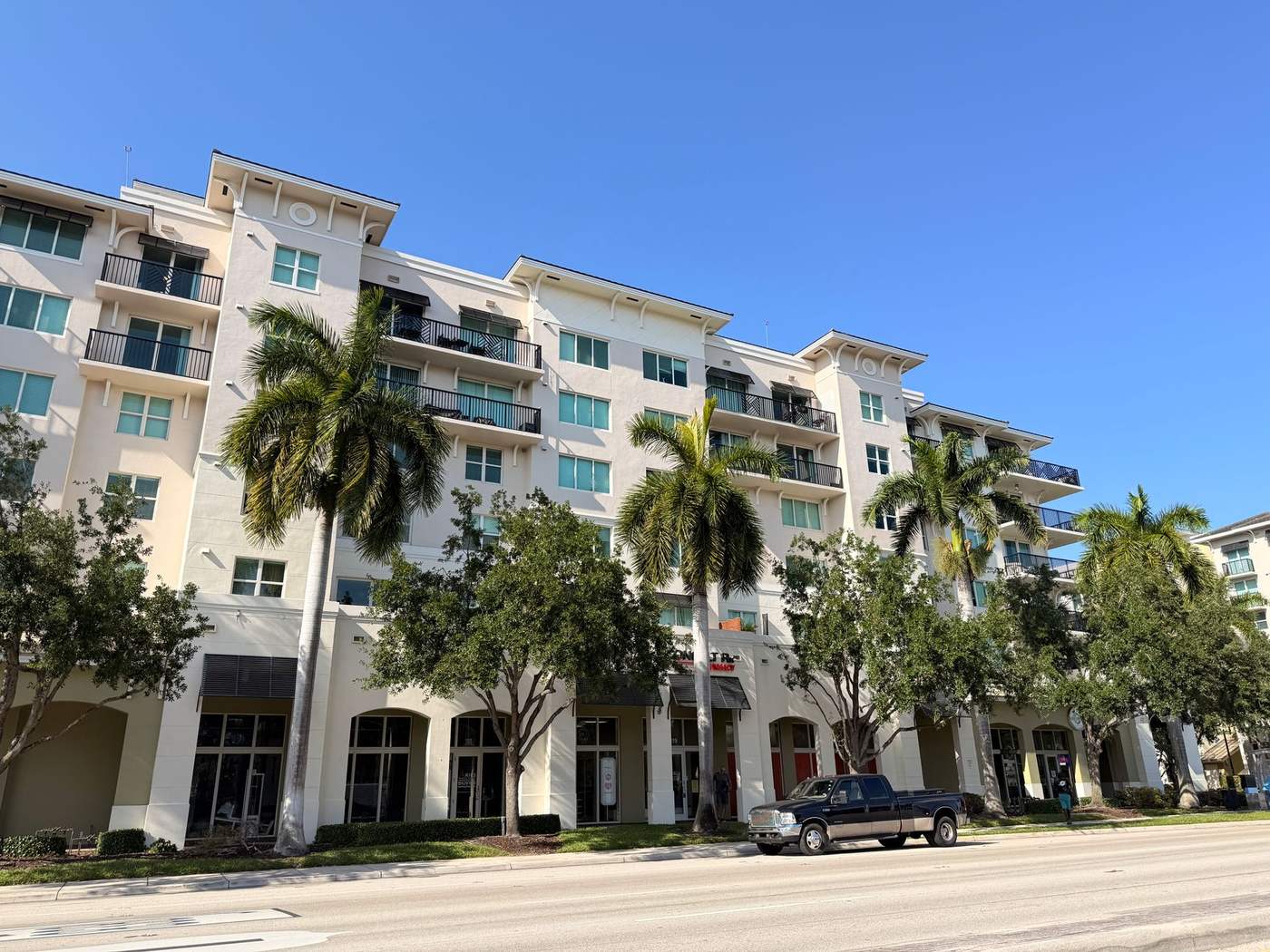
Most vacationers who come to Playas del Coco want three things: a pool, air conditioning, and a short walk or drive to the beach and restaurants. Condo communities like Las Palmas, Pacifico, and Coco Bay deliver all three in a package that photographs well and prices in the range most traveling couples and small families search for.
That mid-range price point matters more than people expect. The largest slice of demand in Coco is two to four guests looking for a clean, secure, well-located place with a shared pool. A two-bedroom condo sits exactly in that lane, so it gets shown to more searchers on Airbnb and VRBO than a five-bedroom villa does. More eyeballs means more bookings, and more bookings smooth out the slow months.
Condos also handle vacancy better. Gated communities have guards, neighbors, and staff around all year. When a unit sits empty for two weeks in October, someone is still cutting the grass and watching the gate. An empty standalone house needs more deliberate checks.
When does a house out-earn a condo?
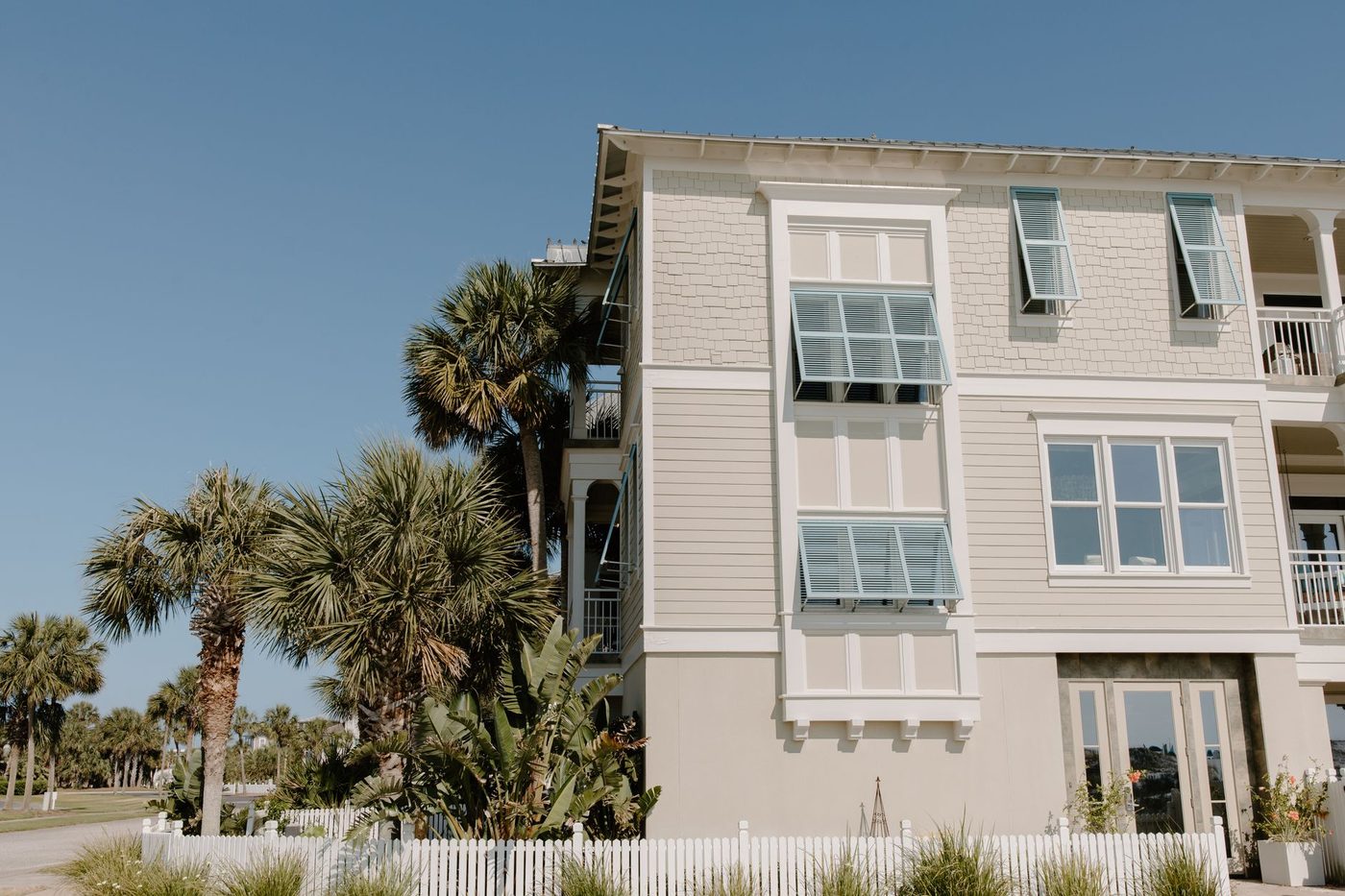
Houses win when the group gets bigger. Families traveling with grandparents, friend groups, and multi-couple trips all want a private pool, a real kitchen, and space to spread out. There are far fewer private-pool houses available in Coco than condos, so the supply-and-demand math flips: a well-run four-bedroom house with its own pool competes in a much thinner field and can charge accordingly.
The nightly rate gap is real, especially in high season. From December through April, larger houses in Coco and Ocotal are often reserved months ahead, and holiday weeks go first. We cover what drives those results, including seasonality and the expense side, in our post on what a vacation rental in Playas del Coco actually earns.
The tradeoff is volatility. A house that commands a strong rate in February may sit quiet for stretches of September and October, when big groups mostly stop traveling. Condos lose less ground in the green season because couples and remote workers keep coming. So the house often earns more per year in total, but the condo earns more predictably. Both statements can be true at once.
How do the operating costs compare?
This is where the condo vs house rental comparison in Costa Rica gets decided for many owners, because gross income is only half the story.
- Condos: a monthly HOA fee covers security, common areas, and the shared pool. You still pay utilities, internet, insurance on contents, and management, but many big-ticket items are shared. The fee is due whether the unit rents or not, so it is a fixed cost you must underwrite honestly.
- Houses: no HOA fee in most cases, but you carry everything alone: pool cleaning and chemicals, gardening, exterior maintenance, security measures, and repairs to a roof that is entirely yours. Air conditioning is usually the single biggest utility line in Guanacaste for both property types, and a large house has more rooms to cool.
A rough rule from our experience: the condo's costs are lower and more predictable; the house's costs are higher and lumpier. A pool pump failure or a roof repair lands in one month, not spread across twelve. If you are comparing two specific properties, ask for the actual HOA budget and the actual maintenance history rather than working from averages.
Do HOA rules limit short-term rentals?
Sometimes, and this is the first thing we check before an owner buys a condo intending to rent it. Condo bylaws can restrict rental minimums, guest counts, pet policies, and pool hours, and a condo association can change rules over time. Read the bylaws before you sign anything, and have your attorney confirm what is and is not allowed. Our guide to buying a condo in Costa Rica walks through the documents to request.
Separately from HOA rules, Costa Rica requires short-term rental operators to register. Under Law 9742, non-traditional lodging must be registered with the Costa Rican Tourism Institute, and operating without registration is considered illegal operation under Article 14 of that law (see the ICT registration page). Tax obligations apply to rental income as well. This applies to condos and houses equally, so confirm the current requirements with a licensed attorney or accountant before you list.
Which guests pick condos, and which pick houses?
Watching inquiries come in for the properties we manage, the pattern is steady. Couples, solo travelers, remote workers, and small families book condos. They value security, price, and walking distance to town. Many are first-time visitors to Costa Rica who want things easy.
Houses attract repeat visitors, extended families, and celebration trips. These guests often know Guanacaste already, stay longer, cook more, and care about privacy over proximity. They also plan further ahead, which is why the good houses disappear from the calendar early for high season. You can see both types side by side in our current rental listings.
What does our own portfolio show?
We manage 60+ vacation rentals in Playas del Coco and Ocotal, a mix of condos and private homes, so we see both sides of this every week. Qualitatively, the pattern holds year after year: condos deliver steadier calendars with shorter gaps, and private-pool houses deliver stronger high-season rates with quieter green seasons. Holiday weeks fill months ahead for both, and green season pricing needs discipline and sensible discounts for both.
We deliberately avoid quoting occupancy percentages or income figures in a blog post, because the honest numbers depend on the specific property, its condition, its photos, and its pricing strategy. If you want current, real examples from the properties we manage, ask us and we will share what comparable units are actually doing. That conversation is free, and it is more useful than any generic chart. You can read about how we run owners' properties on our property management page.
So which should you buy?
Buy the condo if you want lower entry cost, predictable expenses, easier lock-and-leave ownership, and steady bookings from the largest pool of guests. Accept that HOA fees and bylaws come with it.
Buy the house if you want stronger high-season earning power, more privacy for your own visits, and no HOA, and you can stomach lumpier costs and a quieter green season. In the condo vs house rental decision in Costa Rica, the property that fits your own use usually fits your renters too: owners who love staying in their place tend to maintain it better, and guests notice.
If you are weighing specific options, we are happy to compare them honestly, including the ones we would not buy. Browse our current listings or send us a message on WhatsApp and we will talk you through the numbers that apply to your shortlist.
Looking to buy? Browse current Playas del Coco real estate from our local team.
Frequently asked questions
Do condos or houses earn more as vacation rentals in Playas del Coco?
Houses with private pools usually earn higher nightly rates, especially in high season from December through April, while condos book more consistently through the year at lower rates. Total annual income depends on the specific property, its pricing, and its condition, so compare real numbers for real properties rather than averages.
Can a condo HOA in Costa Rica stop me from renting short term?
Yes, condo bylaws can restrict or prohibit short-term rentals, set minimum stays, or limit guest counts, and associations can amend rules over time. Before buying a condo you plan to rent, have your attorney review the current bylaws and recent assembly minutes to confirm short-term rentals are allowed.
Do I need to register a vacation rental in Costa Rica?
Yes. Under Law 9742, non-traditional lodging such as Airbnb-style rentals must be registered with the Costa Rican Tourism Institute (ICT), and unregistered operation is considered illegal under Article 14. Tax obligations also apply to rental income. Confirm current requirements with a licensed attorney or accountant before listing.
Cover photo: Dewnette Reid, Pexels · Photo: Tara Winstead, Pexels