Retire in Costa Rica: The Complete 2026 Guide
Residency, health care, cost of living and where retirees actually settle, from a team that lives here.
Retiring in Costa Rica is realistic for many North Americans: a pension of US$1,000 a month qualifies you for residency, residents join the national health system, and a couple can live well on the coast for roughly US$3,000 to US$5,000 a month. The real decisions are where to live, how close you want to be to a hospital, and whether to rent first.
We help retirees move here, and our own team made the same move. This guide is the overview we give in our office: residency, health care, money, and the places retirees actually choose. Each section links to a deeper guide.
How do you get residency as a retiree?
Most retirees use the pensionado category. Costa Rica's immigration law asks for proof of a permanent, stable pension from abroad of at least US$1,000 a month, such as Social Security, a CPP and OAS combination, or a private pension. One pension can cover a spouse. Our pensionado guide walks through the documents and the timeline.
Two other routes matter for retirees without a qualifying pension:
- Rentista: proof of stable income of at least US$2,500 a month, often backed by a bank deposit. See our rentista guide.
- Inversionista: residency through an investment such as a home. The threshold for new applications is US$200,000. Law 9996 had temporarily lowered it to US$150,000, but that window closed on July 14, 2026. Confirm the details with an immigration attorney. Our investor residency guide has the background.
We are not immigration lawyers, and the rules change. Use a licensed Costa Rican attorney for your application.
How does health care work for retirees?
Legal residents join the Caja (CCSS), the public system, and pay a monthly contribution based on the income they declare. It covers doctor visits, hospital care and medications at public clinics and hospitals, with no exclusions for age or pre-existing conditions. The trade-off is waiting time for specialists and elective surgery.
That is why many retirees use both: the Caja for the big risks and private care for speed. Private consultations are affordable by US standards, and the largest private hospitals, including CIMA and Clínica Bíblica, are in the San José area. Our health insurance guide and our guide to private hospitals in San José go into detail.
What does retirement in Costa Rica really cost?
Costa Rica is not the cheapest country in the region, and the beach costs more than the mountains. Published 2026 estimates put a single person in an inland town at roughly US$1,600 to US$2,200 a month and a couple on the Guanacaste coast at about US$3,000 to US$5,000. The big swings are:
- Housing: owning outright changes everything. Renting a two-bedroom home in the Central Valley towns costs a fraction of an ocean-view condo on the coast.
- Food: local produce, rice, beans and fish are reasonable. Imported brands cost more than at home.
- Cars: import duties make vehicles expensive, and many coastal retirees get by with one car or none.
- Electricity: air conditioning on the hot coast can double a power bill.
Our cost of living guide breaks down a typical monthly budget.
Where do retirees settle in Costa Rica?
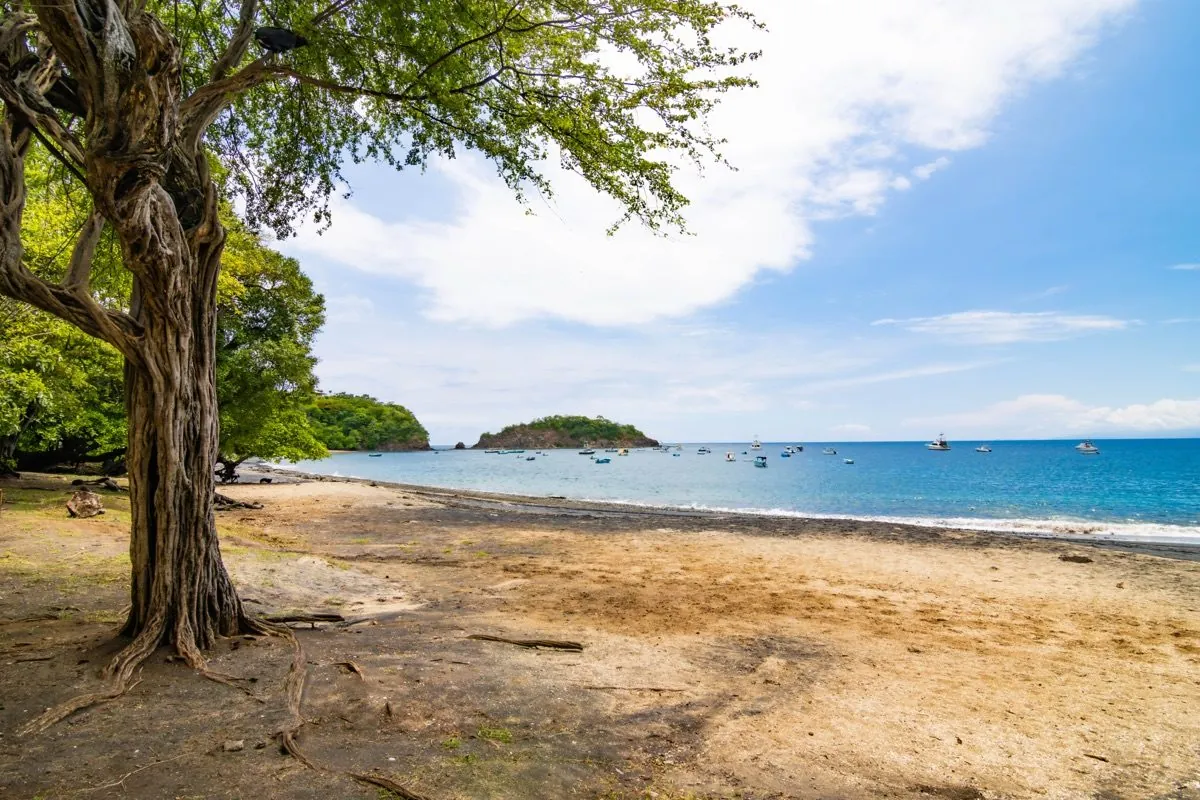
- Playas del Coco and Playa Ocotal, Guanacaste: a real town with services, calm bays and Liberia's airport about 40 minutes away. Read a day in the life of a retiree in Coco.
- The Central Valley (Atenas, Grecia, Escazú, Santa Ana): spring-like weather, lower costs inland, and the best hospital access in the country.
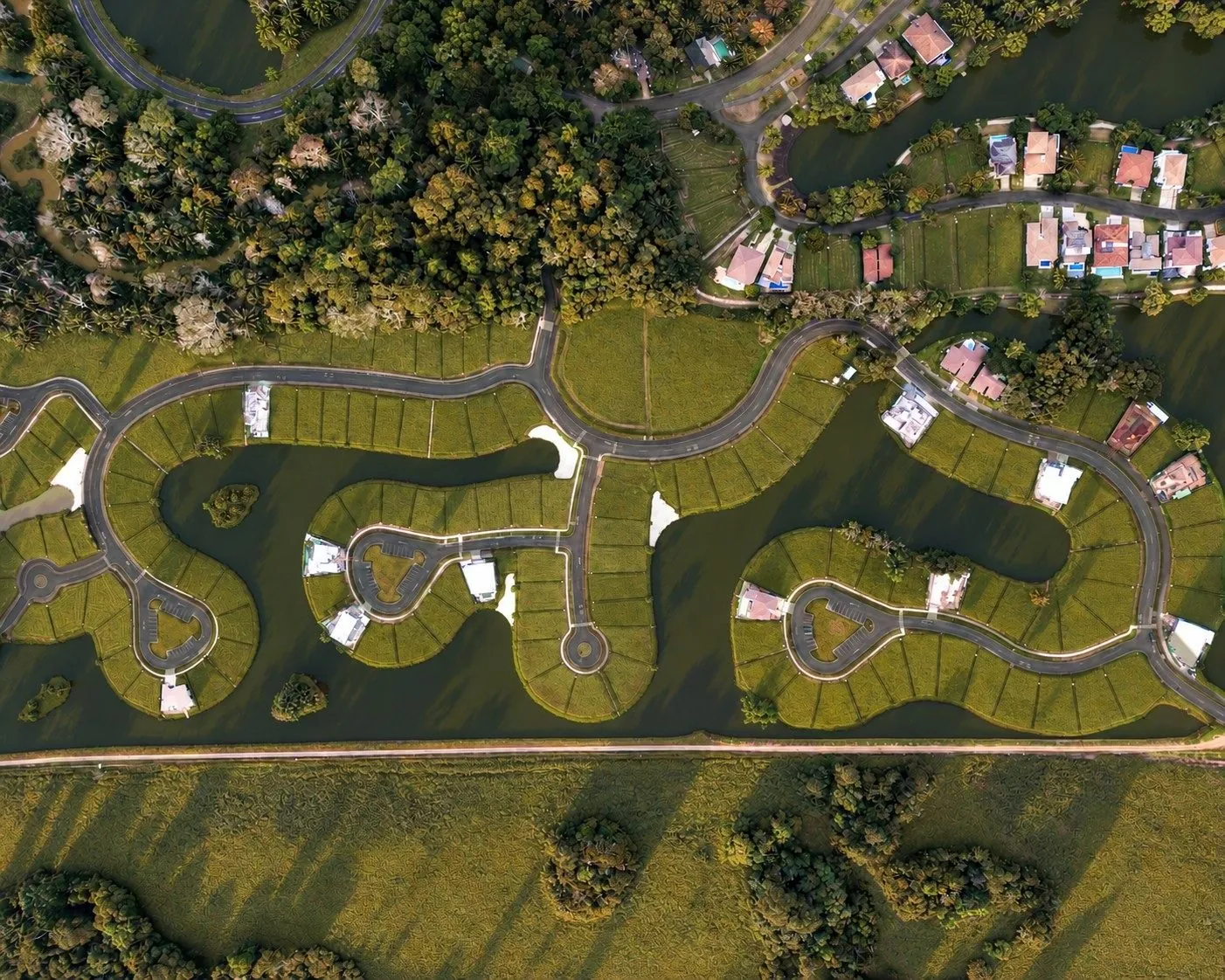
- Playa Hermosa de Jacó and the Central Pacific: the beach within reach of San José. Gated communities such as Místico appeal to retirees who want the ocean, trails and lakes, with private hospitals about an hour and a half away.
- Tamarindo and the Nicoya Peninsula: livelier and more international, with longer drives to major hospitals.
Should you rent before you buy?
Usually, yes. Spend a green season (May to November) in the place you love in January. Rent for three to six months, drive to the hospital, find a dentist, and see how the town feels when the tourists leave. Then buy with a clear head. Foreigners can own titled property outright, and our buying guide explains the process.
A retiree's short checklist
- Decide how close you need to be to a major hospital and an international airport.
- Gather pension letters and apostilled documents early.
- Budget for the Caja plus private care.
- Rent first, then buy titled property with your own attorney and escrow.
When you are ready to look, browse our properties for sale or message us on WhatsApp. We are happy to talk through where you might fit.
Robbie also covers retiring in Costa Rica: costs, visas and healthcare on his personal site, Expat In Paradise.
Frequently asked questions
How much money do you need to retire in Costa Rica?
To qualify for pensionado residency you need a lifetime pension of at least US$1,000 a month. To live comfortably, most retired couples we know spend roughly US$3,000 to US$5,000 a month on the Guanacaste coast and less in inland towns. Housing, imported groceries and private health insurance are the big variables.
Can US and Canadian retirees use Costa Rica's public health system?
Yes, once you are a legal resident. Residents must join the Caja, Costa Rica's social security system, and pay a monthly contribution based on declared income. Many retirees also keep private insurance or pay cash at private hospitals for faster specialist appointments and elective care.
What is the best place to retire in Costa Rica?
It depends on what you need near you. Retirees who want the beach and an easy flight home often choose the Guanacaste coast near Liberia's airport. Those who want specialist hospitals close by look at the Central Valley or the Central Pacific beaches near San José, such as Playa Hermosa de Jacó.
Cover photo: Expat Properties | CR · Photo courtesy of Místico