Day Trips from Jacó: Carara, the Crocodile Bridge and the Central Pacific
The easy, rewarding outings that make living near Jacó so good, from scarlet macaws to quiet beaches.
The best day trips from Jacó are Carara National Park for scarlet macaws, the Tárcoles River bridge for crocodiles, the calm bay at Herradura, the surf and turtle beach at Playa Hermosa, the quiet sands around Esterillos and Manuel Antonio National Park about an hour south. All are easy drives, which is a big part of why people love living here.
When buyers ask us what life near Jacó is really like, we tell them to look beyond the beach. This stretch of the Central Pacific has more nature within half an hour than most beach towns have within half a day. Here are the outings residents actually do.
1. Carara National Park
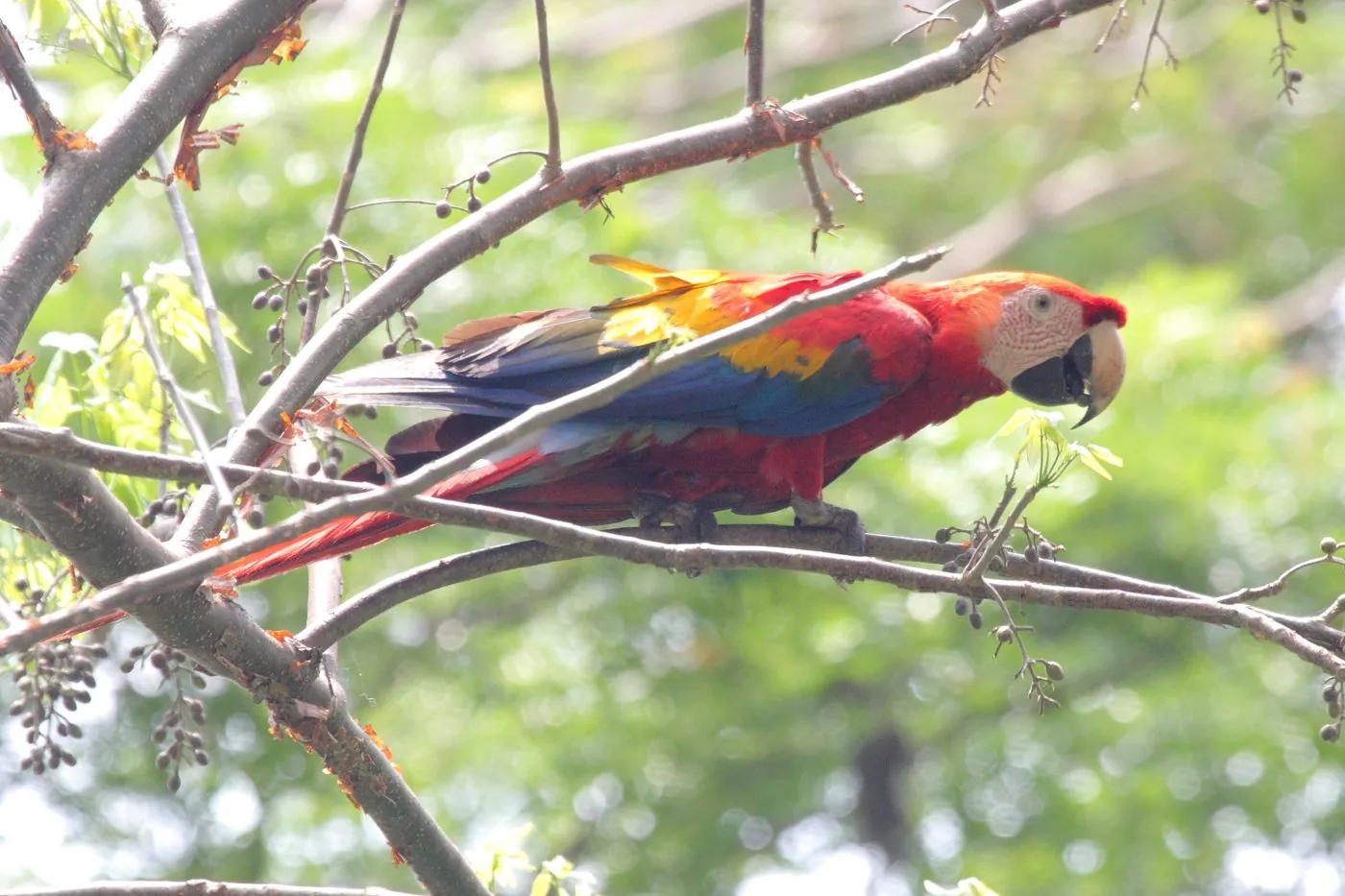
About 20 minutes north of Jacó, Carara protects a transitional forest between the dry forests of Guanacaste and the wet forests of the south. According to the Tico Times, it has the country's second largest concentration of scarlet macaws, and its 1.4 kilometer Quebrada Bonita trail is an easy, largely wheelchair-accessible walk through primary forest that connects to a longer loop. The Laguna Meandrica trail along the Tárcoles River is better for water birds.
Go early, when the birds are most active and the heat is lower, and consider hiring a local guide with a spotting scope. You will see far more.
2. The Tárcoles crocodile bridge
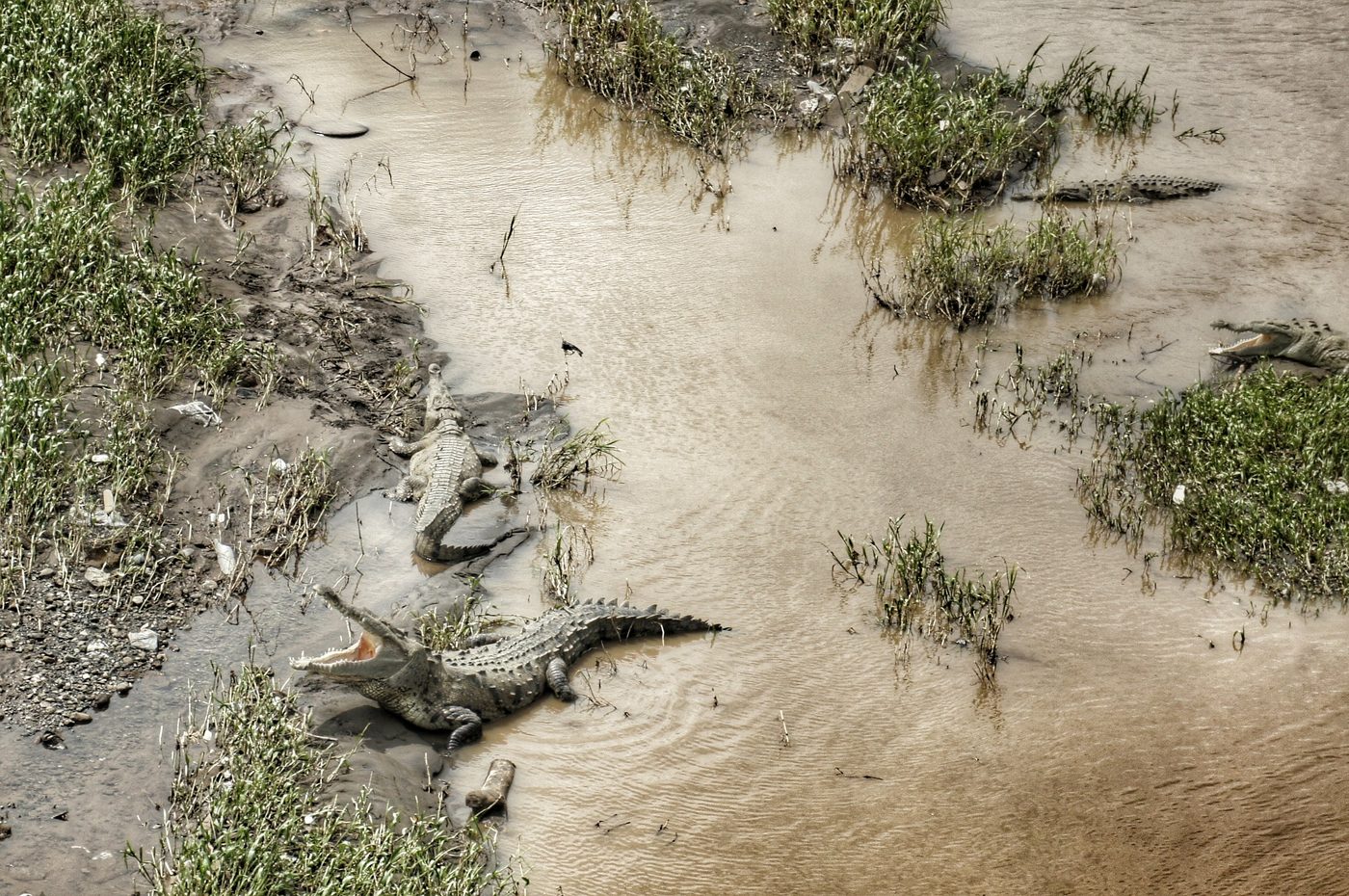
A short drive north of Carara, the highway bridge over the Tárcoles River is famous for the large American crocodiles that rest on the banks below. Almost everyone stops once. Use the pedestrian walkways, keep your car locked and in sight, and do not go down to the river. Boat tours on the river and its mangroves are also popular for birders.
3. Playa Herradura
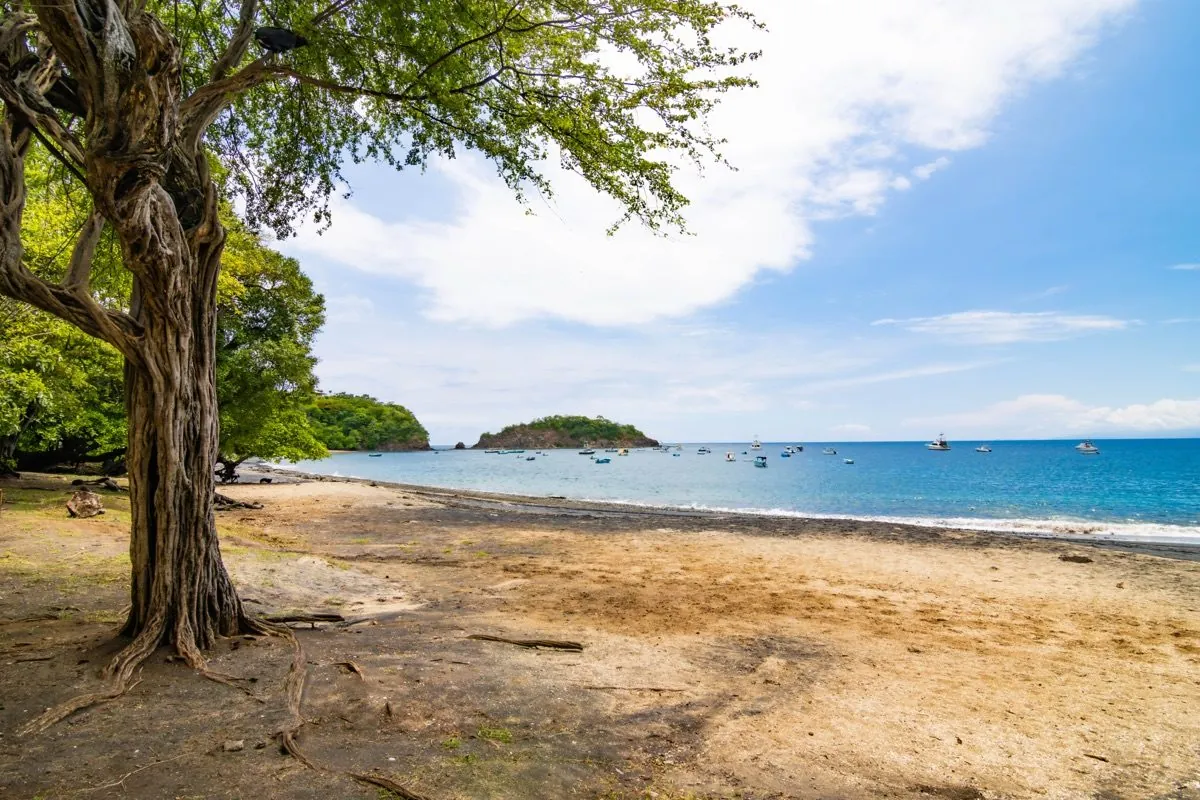
Just north of Jacó, Herradura's sheltered bay has much calmer water than Jacó's open beach, which makes it the family swimming and paddleboarding beach of the area. The Los Sueños marina is here, with restaurants overlooking the boats and sportfishing charters heading out to sea. Our comparison of Jacó, Playa Hermosa and Herradura explains how the three feel as places to live.
4. Playa Hermosa
Ten minutes south, Playa Hermosa is the surf beach of the region, with powerful, consistent waves and weekend contests. Even if you do not surf, sunset at Hermosa watching the best local riders is one of the great free shows on the coast. South of the village, a national wildlife refuge protects a beach where olive ridley sea turtles nest from about July to December. Our Playa Hermosa guide has the details.
5. Esterillos and the quiet beaches south
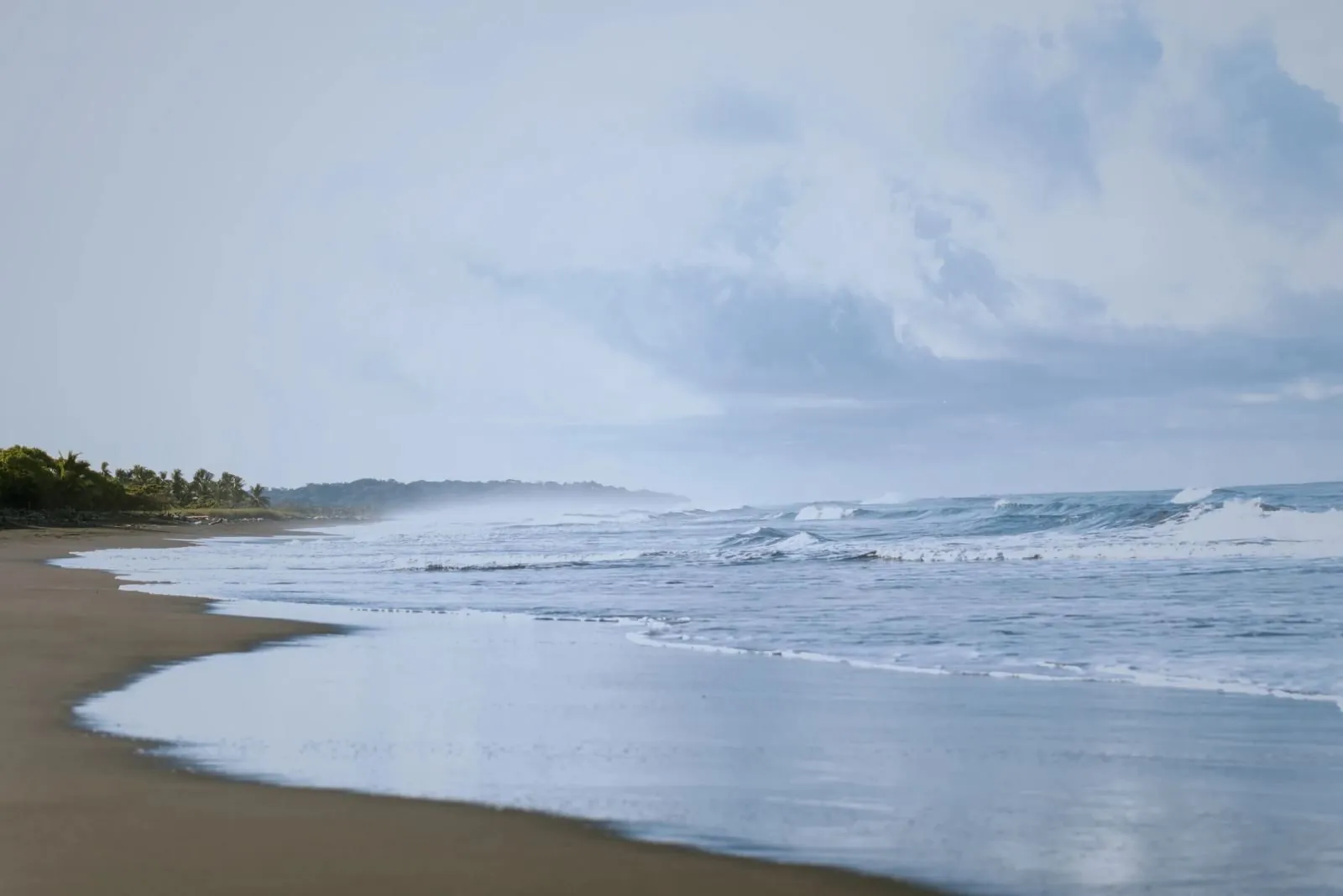
Keep driving south past Hermosa and the coast gets emptier. The beaches around Esterillos are long, wide and often nearly deserted on weekdays, good for long walks, tide pools and a picnic. Bring water and shade, since services are limited.
6. Manuel Antonio National Park
About an hour south of Jacó, Manuel Antonio is one of Costa Rica's most famous parks, with rainforest trails that end at white sand coves and monkeys, sloths and iguanas along the way. Book tickets in advance through the official system, go early, and check the park's closing days before you leave.
7. Hills, waterfalls and adventure close to town
You do not have to drive far at all. The hills behind Jacó have hiking and mountain biking trails, viewpoints over the bay, waterfall tours, zip lines and ATV routes. Residents also mix in yoga, golf, sportfishing and surf lessons. A long-time resident's list of tips on Expat Exchange includes many of these.
Planning tips for every season
- Start early. Wildlife is most active in the first hours after sunrise, and the heat builds quickly after mid-morning, especially in the dry season.
- Plan around the rain. In the green season, from about May to November, mornings are usually clear and afternoons bring showers, so do the outdoor part first.
- Avoid holiday weekends. The coastal highway and the parks fill up with visitors from San José on long weekends and during Easter week and the Christmas holidays.
- Pack for the day. Water, sunscreen, insect repellent, a light rain layer and closed shoes for trails. Some beaches south of Hermosa have few or no services.
- Hire local guides. A good naturalist guide with a spotting scope turns a pleasant walk into a memorable one, and supports local families.
- Respect the wildlife. Never feed monkeys or other animals, keep your distance from crocodiles and nesting turtles, and leave no trash behind.
Farther afield
With a full day, residents also head inland to the coffee and dairy country of the Central Valley hills, or up to San José for a museum, a concert or a meal in Barrio Escalante, roughly an hour and a half away. That mix of beach, rainforest and city within easy reach is the real appeal of living on the Central Pacific.
Living close to all of this
Day trips like these are a big part of why people choose the Central Pacific, along with its roughly hour and a half drive to San José. If you are considering a home here, start with our neighborhood guides for Jacó and Playa Hermosa, and read our honest guide to living in Jacó. When you are ready, get in touch and we will help you find the right base.
Frequently asked questions
How far is Carara National Park from Jacó?
Carara National Park is about 20 minutes north of Jacó on the coastal highway, which makes it an easy morning trip. The Tico Times describes it as a transitional forest between Guanacaste's dry forests and the wetter forests to the south, home to one of the country's largest concentrations of scarlet macaws.
Is the crocodile bridge near Jacó worth stopping at?
Yes, for a few minutes. The bridge over the Tárcoles River, a short drive north of Carara, almost always has large American crocodiles resting on the banks below. Use the pedestrian walkways, keep an eye on your car and belongings, and never go down to the riverbank.
Can you visit Manuel Antonio as a day trip from Jacó?
Yes. Manuel Antonio National Park is roughly an hour south of Jacó on the coastal highway, so a full day trip works well. Go early, book park tickets in advance through the official system, and check which days the park is closed before you set out.
Cover photo: Dominic Sherony, CC BY-SA 2.0, via Wikimedia Commons · Photo: Los Paseos from Earth, CC BY-SA 2.0, via Wikimedia Commons