Exploring Playa del Coco Real Estate: Your Gateway to Costa Rican Paradise
What foreign buyers should know about prices, taxes, titles, and rentals in Playa del Coco in 2026.
Playa del Coco real estate remains one of the most practical coastal markets in Costa Rica for foreign buyers in 2026. Foreigners can hold full title to most property here, the town sits about 23 kilometers from Liberia's international airport, and a busy vacation rental market gives owners a realistic way to earn income between visits.
Why do buyers keep choosing Playa del Coco?
Playas del Coco is one of the oldest beach towns in Guanacaste, and it functions like a real town, not a resort. Banks, pharmacies, medical and dental clinics, supermarkets, hardware stores, and dozens of restaurants sit within a short walk or drive of the beach. That everyday convenience is rare on this coast, and it is a big part of why homes here sell and rent in every season.
The other reason is the airport. Daniel Oduber Quiros International Airport (LIR) in Liberia is about 23 kilometers away, roughly a 30 minute drive on paved highway. In high season LIR receives nonstop flights from many US, Canadian, and European cities. That proximity matters twice: it makes ownership convenient for you, and it feeds the steady flow of visitors who book vacation rentals here.
If you are comparing towns along this coast, we wrote an honest side by side in what makes Playas del Coco different from other Guanacaste beach towns.
What kinds of properties can you buy?
The Playa del Coco real estate market covers a wider range than most first time visitors expect:
- Condos in gated communities: Las Palmas, Coco Bay, Pacifico, and similar communities offer pools, security, and easy lock and leave ownership. These are the workhorses of the vacation rental market.
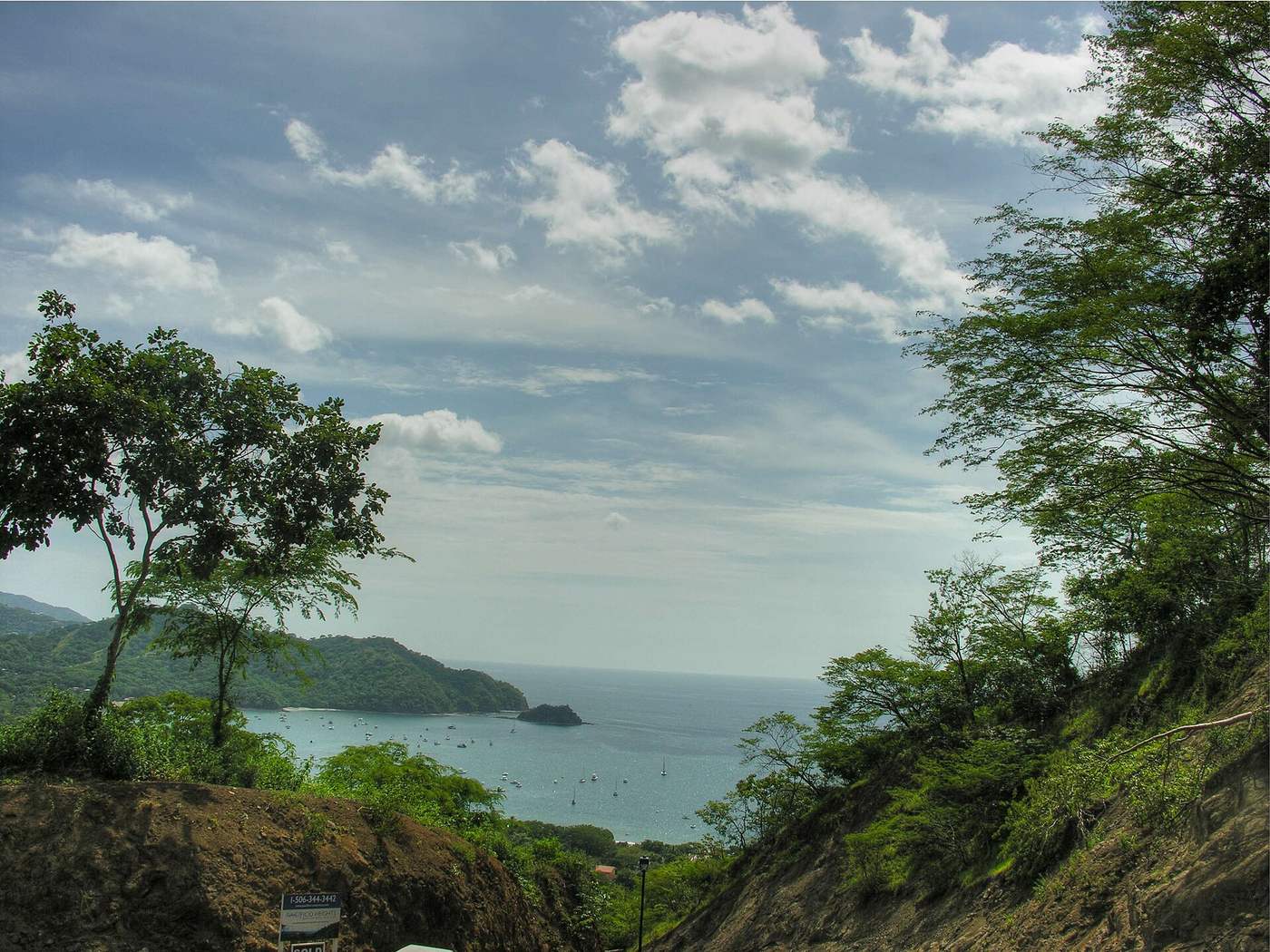
- Hillside homes with ocean views: The ridges above town and toward Ocotal hold single family homes, many with private pools and views over the bay.
- Townhouses and small multiplexes: A middle path for buyers who want more space than a condo without a large garden to maintain.
- Building lots: Titled lots in and around town for buyers who prefer to design their own home.
Prices span a wide range, from modest condos to large custom homes, and inventory changes constantly. Rather than quote numbers that will be stale in a month, we keep our current listings with prices on our properties page.
Can foreigners own property in Playa del Coco?
Yes. For titled property, foreigners have the same ownership rights as Costa Rican citizens. You do not need residency to buy, and you can hold property in your personal name or through a Costa Rican corporation. Citizens of the US, Canada, and most European countries can currently be admitted as tourists for up to 180 days per entry, which is ample time to search, do due diligence, and close (see the Fragomen summary of the 180 day rule).
The one major exception is beachfront. Costa Rica's Maritime Zone Law reserves the first 200 meters from the high tide line: the first 50 meters are public and cannot be built on or owned, and the next 150 meters are concession land, leased from the municipality with real restrictions on foreign ownership. The Tico Times has a clear explainer on how concessions work. Most homes and condos in Coco sit inland on fully titled land, but always confirm which type a specific property is. We break down the difference in concession vs. titled properties.
What taxes and closing costs should you budget?
The recurring costs of owning here are lower than most North American buyers expect. The main numbers, current as of 2026:
- Transfer tax: 1.5% of the higher of the sale price or the registered fiscal value, paid at closing. Notary fees and registry stamps add to that, and your attorney should quote the full closing package up front.
- Annual property tax: 0.25% of the registered property value per year, paid to the municipality.
- Luxury home tax: An additional annual tax applies only if the construction value of the home exceeds a threshold that adjusts each year (143 million colones for 2026, roughly $316,000). Rates run from 0.25% to 0.55% on a progressive scale.
Rates and thresholds change, and how they apply depends on the property, so confirm the current figures with a licensed Costa Rican attorney or accountant before you close. We are not lawyers, and nothing here is legal or tax advice. Here is why a good lawyer matters so much in a Costa Rica purchase.
What does the rental side look like for owners?
We manage about 40 vacation rentals in Coco and Ocotal, so we watch this market daily rather than quarterly. The pattern is consistent: high season, from mid December through April, books up months in advance, and holiday weeks go first. Green season is slower, and most owners use modest discounts and longer stay pricing to keep calendars moving.
We will not publish occupancy or income figures in a blog post, because they vary widely with the property, the pricing, and the management. If you are weighing a specific condo or home, ask us and we will share current, real numbers from comparable units in our portfolio. You can see how we run things on our property management page.
What is Playa del Coco not?
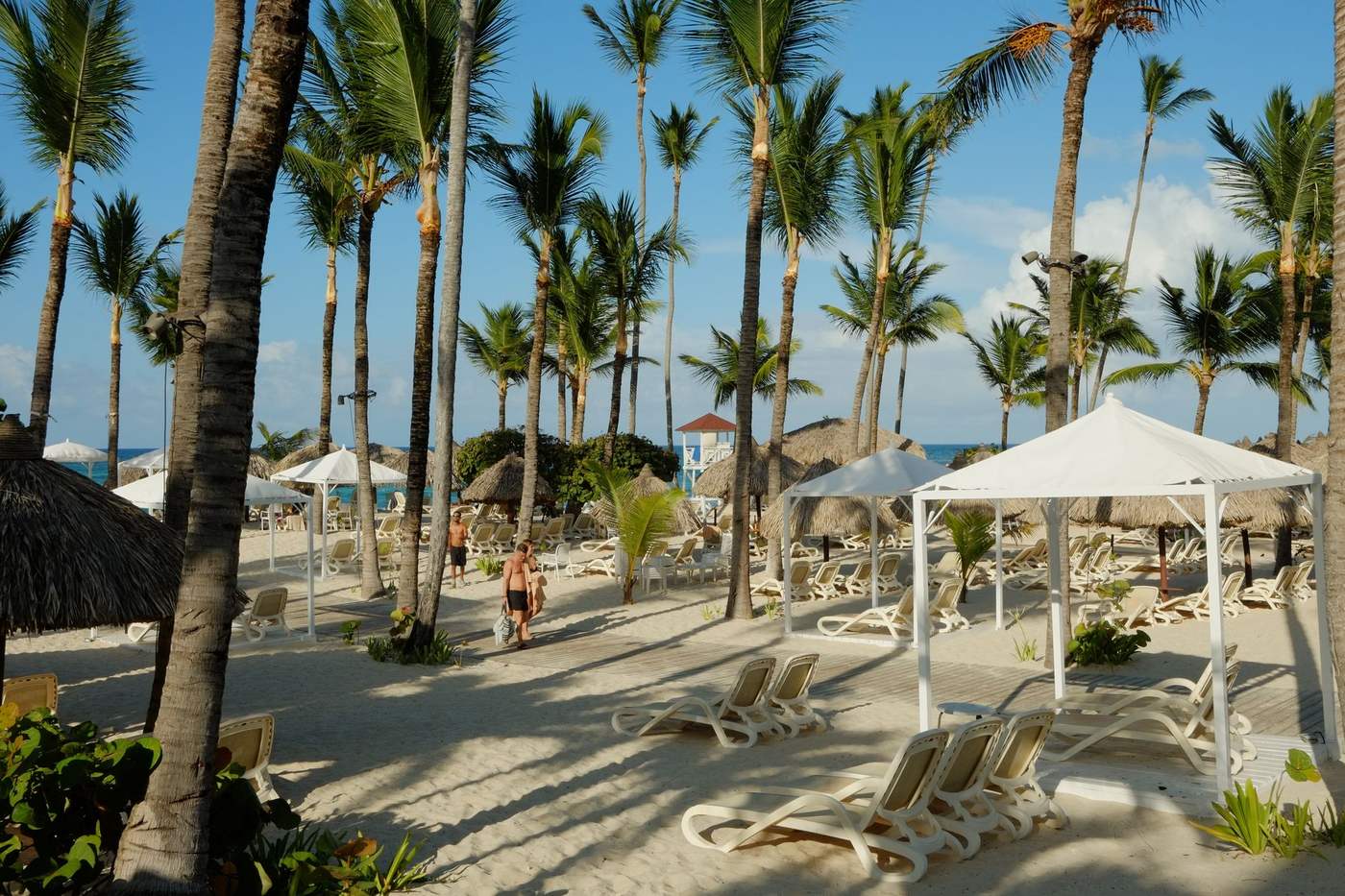
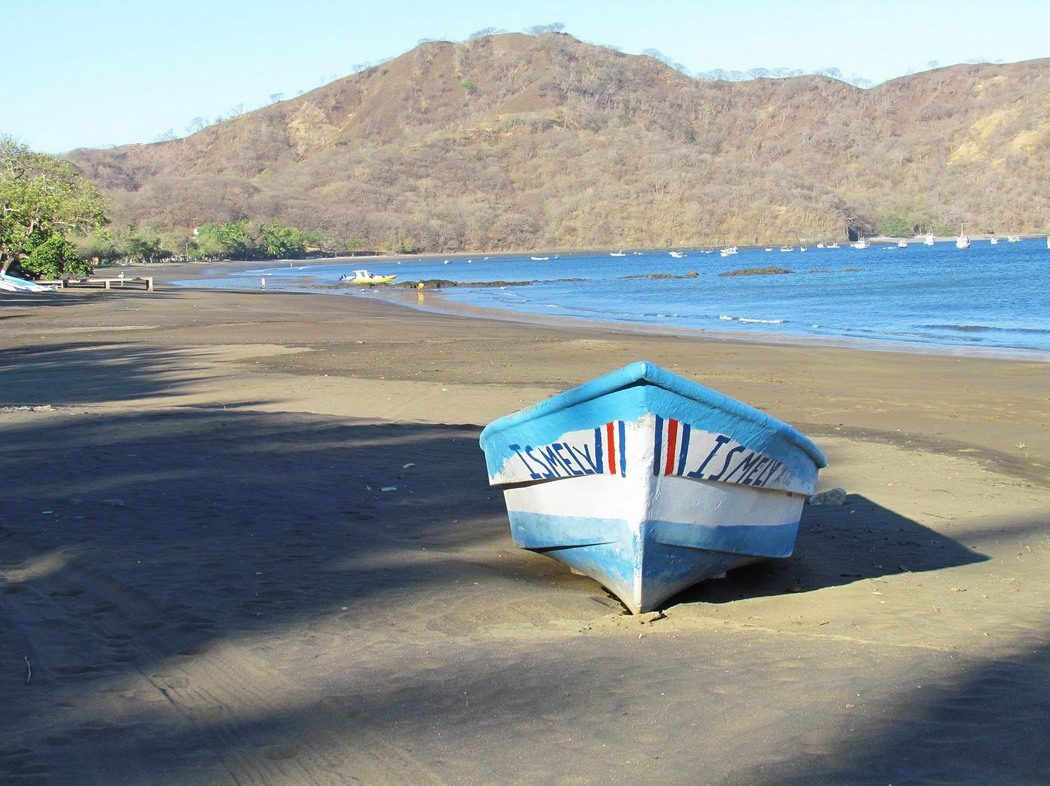
We sell more houses by being straight about this than by hiding it. Coco is not a white sand postcard beach: the sand is gray volcanic, and the bay is calm, better for swimming, paddleboarding, and launching dive and fishing boats than for surfing. Surfers base themselves in Tamarindo or Playa Grande, not here. The main street is lively and can be loud on high season weekends. And from January through April the hills turn brown, because Guanacaste's dry season is a real dry season.
If you want the amenities of Coco with a quieter street, look at Ocotal, five minutes south, or the hillside neighborhoods above town. Our Playas del Coco area guide covers the neighborhoods one by one.
How does buying actually work here?
- Visit and shortlist. Spend real time in town, in both seasons if you can.
- Offer and sales agreement. Once terms are agreed, a deposit goes into a regulated escrow account, not to the seller.
- Due diligence. Your attorney checks the title, survey, corporation, taxes, and water availability. This is where problems get caught.
- Closing. The transfer deed is signed before a notary public and recorded in the National Registry.
One honest note on financing: local bank loans for non-residents are limited and slow. Most foreign buyers pay cash, borrow against assets at home, or negotiate seller financing. We walk through the full process, timelines included, in how to buy a home in Costa Rica.
Ready to look at Playa del Coco real estate in person?
We are Expat Properties | CR. We live here, we are SUGEF registered, and we manage the kind of properties we sell, so we know what they actually earn and what they cost to run. Browse our current listings, or send us a note through our contact page and tell us what you are looking for. A WhatsApp message is usually answered the same day.
Frequently asked questions
Can foreigners buy property in Playa del Coco, Costa Rica?
Yes. Foreigners have the same rights as Costa Rican citizens to own titled property, and no residency is required. The exception is beachfront concession land inside the 200 meter maritime zone, which carries restrictions for non-residents. Most homes and condos in Playa del Coco sit inland on fully titled land, but always have an attorney confirm the title type.
How far is Playa del Coco from the Liberia international airport?
Playa del Coco is about 23 kilometers from Daniel Oduber Quiros International Airport (LIR) in Liberia, roughly a 30 minute drive on paved highway. LIR receives nonstop flights from many US, Canadian, and European cities, especially during the December through April high season, which makes the town easy to reach for owners and renters.
What annual taxes does a property owner pay in Costa Rica?
The standard municipal property tax is 0.25% of the registered property value per year. Homes whose construction value exceeds an annually adjusted threshold (143 million colones for 2026, roughly $316,000) also pay a progressive luxury home tax of 0.25% to 0.55%. Confirm current rates and how they apply to a specific property with a licensed Costa Rican accountant.
Cover photo: MongeNajera, CC BY-SA 3.0, via Wikimedia Commons · Photo: Gmendezg, CC BY-SA 3.0, via Wikimedia Commons