Utilities in Costa Rica: Electricity, Water, and Why AC Is Your Biggest Bill
Real 2026 electricity rates for Guanacaste, what a month of air conditioning actually costs, and how to keep the bill sane.
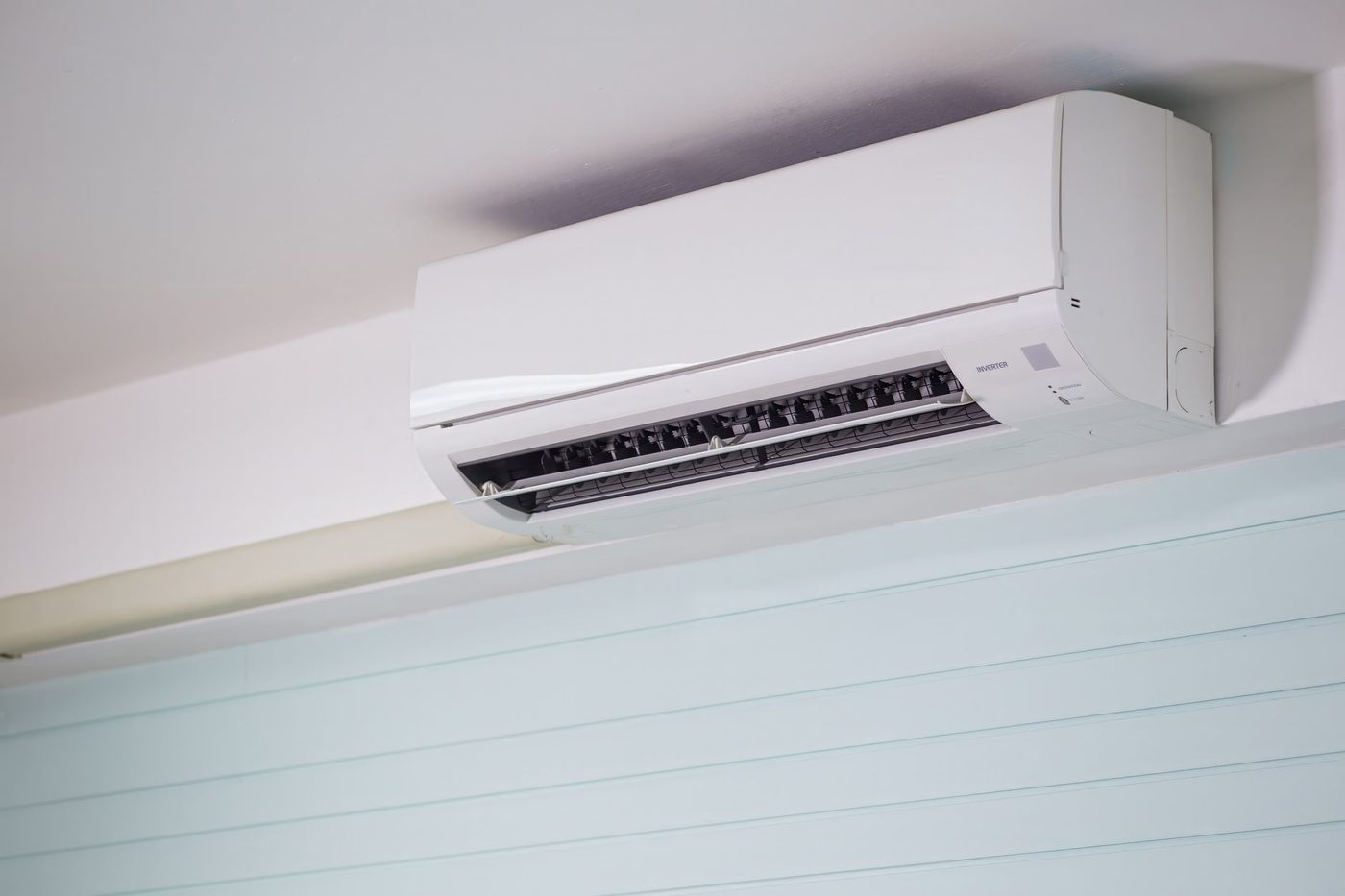
For most expats on Costa Rica's Guanacaste coast, utilities cost between modest and painful depending on one appliance: the air conditioner. In 2026, Coopeguanacaste charges homes ₡61.05 per kWh for moderate use and ₡86.07 above 200 kWh, so a house running AC all day can top $200 a month while water stays cheap.
We live and work in Playas del Coco, and we see the real bills: our own, our clients', and the monthly statements for the 60+ vacation rentals we manage in Coco and Ocotal. This guide walks through the 2026 numbers, explains why the meter spins fastest between December and April, and shares what actually keeps the bill down.
How much do utilities cost in Costa Rica each month?
Start with the shape of the bill, not a single number. Electricity is the big line item on the coast. Water is small. Propane for cooking is small. Internet is moderate and predictable. Trash collection is a minor municipal fee. When people are shocked by the utilities cost in Costa Rica, it is almost always the electricity bill, and behind the electricity bill it is almost always air conditioning.
Location matters more than most guides admit. In the Central Valley, where afternoons are mild, many homes have no AC at all and power bills stay low. Playas del Coco sits in the hottest, driest corner of the country. From December through April there is very little rain and afternoons are genuinely hot, day after day. A Guanacaste beach home does not run on Central Valley money, and we would rather you budget for that honestly before you buy or book. For the full picture beyond utilities, see our post on the cost of living in Costa Rica.
What does electricity cost in Guanacaste in 2026?
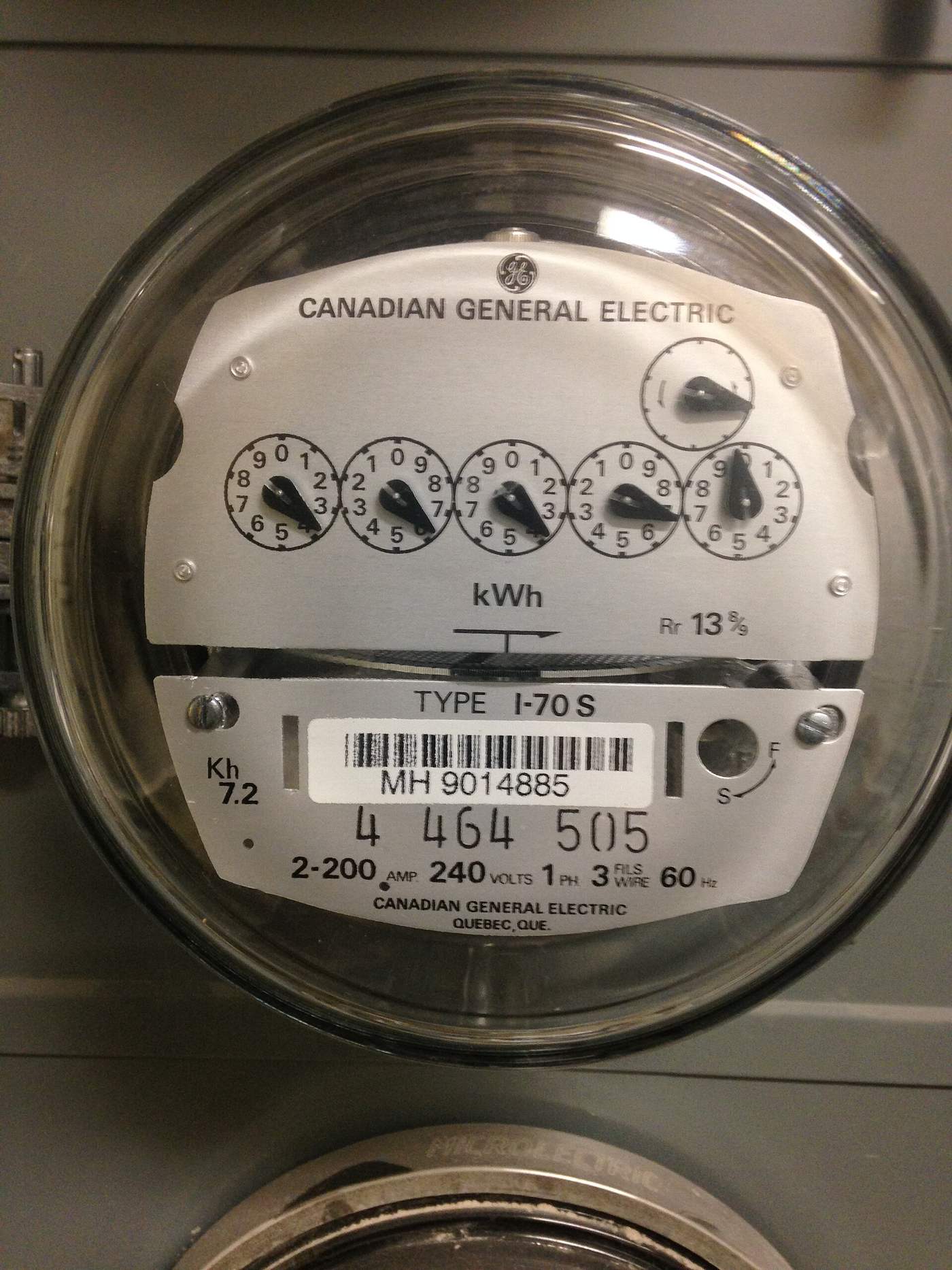
Playas del Coco, Ocotal, and most of coastal Guanacaste are served by Coopeguanacaste, a rural electric cooperative. The utility does not set its own prices. Rates are fixed by ARESEP, the national public services regulator, and published in the official gazette. For 2026 (January 1 through December 31), the residential tariff works in blocks:
- First 30 kWh: covered by a fixed charge of ₡1,831.50, which you pay even if you use almost nothing
- 31 to 200 kWh: ₡61.05 per kWh, about 13.5 US cents
- 201 kWh and up: ₡86.07 per additional kWh, about 19 US cents
Those figures come straight from ARESEP resolution RE-0072-IE-2025, published in La Gaceta on December 16, 2025. Our dollar conversions use the official reference rate of roughly ₡452 per US dollar in August 2026. Your actual bill adds small line items the base tariff excludes, such as street lighting, a firefighters levy, and sales tax where it applies. Rates reset every year, so check the current schedule on ARESEP's tariff page before you build a budget around ours.
Notice the jump between blocks. Every kilowatt hour above 200 costs about 41 percent more than the ones below it. A light user pays the gentle rate on most of their power. A heavy user pays the premium rate on most of theirs. That design is deliberate, it rewards conservation, and it is exactly why air conditioning changes everything.
Why is air conditioning your biggest bill?
Because cooling is the one household load that can run for eight, twelve, or twenty four hours a day, and every one of those hours lands in the most expensive block. A refrigerator, a washing machine, and some lights will rarely push a home far past 200 kWh on their own. Add one mini split running through the afternoon and evening, and the meter climbs fast. Here are three realistic monthly scenarios priced at the 2026 Coopeguanacaste residential tariff:
- Careful couple, two bedroom condo (about 400 kWh): fans during the day, bedroom AC at night. Roughly ₡29,400, or about $65.
- Family cooling living areas and bedrooms (about 1,200 kWh): AC through the afternoon and all night. Roughly ₡98,300, or about $217.
- Large villa, several units running most of the day (about 2,000 kWh): roughly ₡167,000, or about $370.
Same town, same tariff, and a difference of more than five to one driven almost entirely by cooling habits. Across the rentals we manage, electricity is the one utility that swings dramatically from month to month and from house to house, and the swing tracks AC use almost perfectly. High season bills run well above green season bills for the same property, partly because occupancy is higher and partly because April afternoons demand more from every compressor than October afternoons do.
How do you keep the AC bill under control?
You do not have to sweat through the dry season to keep the bill reasonable. These are the habits and upgrades that actually show up on the statements we see:
- Buy inverter mini splits. Modern inverter units modulate instead of cycling on and off at full power, and they cool efficiently at the temperatures Guanacaste actually demands. Replacing an old unit is often the single best upgrade a homeowner here can make.
- Cool rooms, not the house. Close the door, cool the bedroom, and let the rest of the house breathe. Whole home cooling is where the $370 bills come from.
- Service units at least twice a year. Dry season dust cakes filters and coils. A dirty unit runs longer and draws more power to deliver less cold.
- Use ceiling fans with the AC, not instead of thinking about it. Moving air lets you set the thermostat a few degrees warmer at the same comfort level, and every degree helps.
- Shade the glass. Blackout curtains or exterior shade on west facing windows blunt the brutal afternoon load.
- Put the AC on a timer or smart control. Especially in rentals, where a unit left running in an empty room can burn money for days.
Be realistic, too. From December through April you will simply pay more, the way you would pay for heating in a northern winter. Budget high season power like the seasonal cost it is. If you are still deciding whether coastal heat suits you, our post on what to know before moving to Costa Rica covers the tradeoffs honestly.
What about water, propane, internet, and trash?
Water in Playas del Coco comes from AyA, the national water utility, with rates regulated by ARESEP and billed monthly by meter. For a typical household it is a small fraction of the electricity bill. We will not quote a per cubic meter figure here because the schedule changes and depends on usage blocks; check the current AyA tariff or ask your neighbors what they pay. Two caveats: irrigation and private pools push water bills up quickly, and in some condo buildings water is bundled into the HOA fee rather than billed to your unit.
Most homes here cook with propane, bought as exchangeable cylinders at hardware stores and delivery trucks, and a cylinder lasts a typical kitchen a long time. Fiber internet is widely available in Coco and Ocotal from multiple providers at speeds that comfortably support remote work; we wrote about connectivity in our post on the digital nomad lifestyle. Trash collection is a small municipal charge. None of these will surprise you the way a first dry season electricity bill can.
What does this mean if you own a rental?
If you rent your home to guests, electricity is your biggest variable operating cost, full stop. Guests on vacation do not think about tariff blocks. They cool every room, sometimes with the sliding doors open. The fixes that work are structural, not scolding: efficient inverter units, AC timers or smart controls, clear house guide notes, and pricing that reflects real high season operating costs. When we take over management of a property, the power bill is one of the first things we look at, because it is usually where the easiest money is being lost. You can read more about how we approach this on our property management page.
Thinking about buying on the coast and want a realistic operating budget instead of a glossy one? Browse our current listings, or send us a note through our contact page and we will talk you through what homes like the ones you are considering actually cost to run. We answer with real numbers, because we pay these bills too.
Frequently asked questions
How much does electricity cost per kWh in Costa Rica?
It depends on your provider and usage. In 2026, Coopeguanacaste, which serves Playas del Coco and most of coastal Guanacaste, charges ₡61.05 per kWh for consumption between 31 and 200 kWh and ₡86.07 per kWh above that, roughly 13.5 and 19 US cents. ARESEP, the national regulator, resets rates every year, so always check the current schedule.
Why are electricity bills so high in Guanacaste?
Two reasons: heat and tiered pricing. Guanacaste's dry season is hot enough that most homes run air conditioning daily, and once a household passes 200 kWh in a month, every additional kilowatt hour bills at the top block rate. A home running several AC units most of the day can see monthly bills in the $200 to $370 range.
Is water expensive in Costa Rica?
No. For most households, water is a small fraction of the electricity bill. Playas del Coco is served by AyA, with rates set by ARESEP and billed monthly by meter. Pools and garden irrigation raise the bill noticeably, and in some condo buildings water is included in the HOA fee, so confirm how your building handles it.
Cover photo: NEOSiAM 18+, Pexels · Photo: NellieBly, CC BY-SA 3.0, via Wikimedia Commons