
Furnishing a Costa Rica Rental: What Guests Expect in 2026
A room-by-room guide to furnishing for bookings, durability, and the Guanacaste climate.
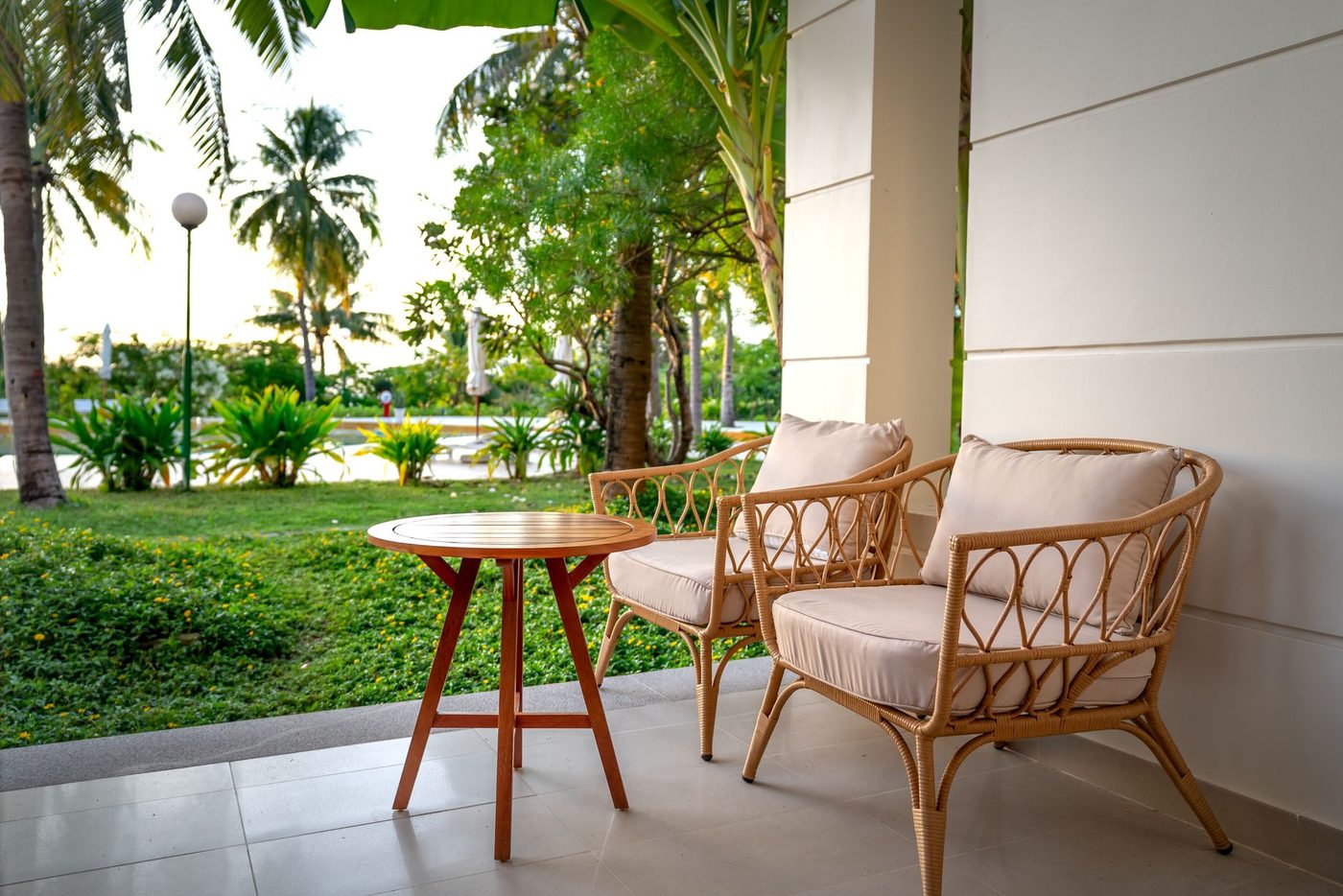
Furnishing a vacation rental in Costa Rica in 2026 comes down to three things: reliable comfort (air conditioning, fast Wi-Fi, a genuinely good bed), materials that survive heat, humidity, and salt air, and a look that photographs well. Guests now compare private homes to hotels. Furnish to that standard from day one and reviews follow.
What do guests actually expect in 2026?
The short answer: hotel-level basics, delivered without fail. Airbnb's own research found that 97 percent of surveyed US travelers said amenities affect their travel experience, and US respondents ranked air conditioning above internet access in importance. In Airbnb's amenity search data, pools led at 23 percent of amenity searches, with Wi-Fi, kitchens, and AC close behind. Those studies are a few years old now, but the pattern matches what we see across the 60+ rentals we manage in Playas del Coco and Ocotal: the homes that book best are the ones where nothing needs an apology.
For Guanacaste specifically, the non-negotiables look like this:
- Air conditioning in every bedroom, serviced and quiet. Daytime heat here is real for most of the year.
- Fast, stable Wi-Fi with the router placed centrally, plus a table or desk where someone can actually work. Remote workers now book stays of a month or more.
- A comfortable mattress that is less than five years old, with two pillow options per sleeper.
- Blackout curtains in bedrooms. Sunrise is around 5:30 a.m. year round this close to the equator, and vacationers want the option to sleep past it.
- A kitchen a guest can cook a real dinner in: sharp knives, a decent blender, matching glassware, a good coffee maker.
- Fast check-in, which means a smart lock or lockbox and clear instructions.
None of this is exotic. What surprises new owners is how unforgiving guests are when one basic fails, and how little they reward extras when a basic is missing.
Which materials survive the Guanacaste climate?
Guanacaste runs hot and dry from roughly November through April, then humid through the green season. Add salt air near the beach and strong dry-season winds carrying dust, and you have a climate that destroys the wrong furniture fast. We have watched brand-new pieces fail within two years in homes we manage.
What holds up:
- Solid hardwoods. Teak and local tropical hardwoods handle humidity swings well. Local carpenters build custom pieces that outlast almost anything imported.
- Powder-coated aluminum for outdoor frames. It shrugs off salt air that rusts steel.
- Synthetic outdoor wicker and solution-dyed acrylic fabrics for cushions. They dry fast and resist fading.
- Quick-dry foam in any cushion that lives outside or near the pool.
What fails: particle board and MDF swell and crumble in green-season humidity. Cheap metal hardware rusts. Leather sofas grow mold in a closed-up house with the AC off. Untreated iron, even indoors near the ocean, corrodes. If a piece would struggle in a beach house in Florida, it will struggle faster here. This is also why we tell people moving down to sell most of their furniture first; our post on what to leave behind when you move to Costa Rica covers that logic in detail.
How should you furnish each room?
Living areas
Choose a sofa with removable, washable covers and performance fabric. Seat everyone the home sleeps: a house that sleeps eight needs living seating for eight, not five. Add a smart TV (guests stream from their own accounts), good reading light, and a few large pieces of art rather than many small ones. Skip clutter; every object on a shelf is something a cleaner has to dust and a photo has to forgive.
Kitchen
Guests forgive a modest kitchen with great tools faster than a granite kitchen with three bent forks. Stock service for at least 150 percent of maximum occupancy, because real groups run the dishwasher slowly on vacation. Include a drip coffee maker plus a French press or espresso option, a blender that can crush ice, and a cooler guests can take to the beach.

Bedrooms
Spend your money here. A king in the primary bedroom, quality linens (two full sets per bed), blackout curtains, bedside tables with lamps and charging points on both sides, and a luggage rack or bench. In Guanacaste, ceiling fans plus AC in every bedroom is the standard combination: fans for airflow, AC for sleep.
Outdoor spaces
Outdoor living is why people book Costa Rica, so treat the terrace as a full room: a dining set sized to occupancy, loungers by the pool, shade, and lighting that makes the space usable after dark. This is the area where cheap furniture fails fastest, and also where great furniture earns the booking, since pool and terrace shots dominate listing photos.
Should you buy furniture in Costa Rica or import it?
Both can work, but the math surprises people. Shipping a container of furniture from the US or Canada adds freight, import duties, and weeks of waiting, and the pieces that arrive were designed for a dry northern climate. We generally point owners toward a mix: buy appliances, electronics, and mattresses new in Costa Rica (warranties are local, delivery is simple), commission custom hardwood pieces from local workshops, and fill gaps from the furniture stores in Liberia and San José. If you are weighing a container anyway because you are relocating, get current duty rates from a licensed customs broker before you commit; the rules and rates change, and we are not the right people to quote them.
Lead times matter more than price here. Custom pieces can take six to twelve weeks in our experience, so order the slow items the day you close. An unfurnished home earns nothing while it waits for a dining table.
Where do owners overspend and underspend?
After onboarding dozens of homes into our rental program, the pattern is consistent. Owners overspend on decorative accessories, oversized appliances, and gadgets guests never touch. They underspend on mattresses, pillows, cookware, outdoor furniture, and window coverings, the exact things guests mention in reviews.
A useful test: would a hotel with 40 rooms buy this item for every room? A quality mattress, yes. A novelty wine fridge, no. That discipline also keeps your inventory replaceable. When a guest breaks a glass or stains a duvet (they will), you want items you can replace in Liberia this week, not a discontinued pattern from a store two flights away. This is one of the quiet jobs of a good property management company: tracking inventory and keeping the home at launch standard year after year.
How does furnishing affect your marketing and rates?
Directly. Listing photos are the single biggest lever on click-through, and photos are made in the furnishing stage. A styled, uncluttered home with consistent colors photographs like a boutique hotel; a home furnished from leftovers photographs like a leftover. We wrote more about this in why professional photography is essential in Costa Rica. The honest tradeoff: furnishing to this standard costs more up front, and not every owner needs it. A home used mostly by family, with occasional rentals, can be furnished more personally. A home that needs to produce income competes with every professionally furnished condo in Coco, and guests can see the difference in three photos.
Ready to furnish for bookings?
We walk every new owner through a room-by-room onboarding checklist before a home enters our program, and we are happy to share it. If you are still shopping for the right property, browse our current listings in Playas del Coco, Ocotal, and around Guanacaste, read about how our property management works, or send us your questions. We will tell you honestly what your home needs, and what it does not.
Frequently asked questions
How much does it cost to furnish a vacation rental in Costa Rica?
It depends on the home's size and the market you want to compete in. Budgets vary widely between a small condo and a large pool villa, and prices change, so we will not quote a number here. Ask us for our room-by-room onboarding checklist and current local pricing before you buy anything.
Can I bring furniture from the US or Canada to furnish my rental?
You can, but freight, import duties, and delays often erase the savings, and northern furniture is not built for tropical humidity. Most owners do better buying appliances and mattresses locally and commissioning solid hardwood pieces from Costa Rican workshops. If you ship a container, confirm current duty rates with a licensed customs broker first.
What furniture lasts longest in the Guanacaste climate?
Solid hardwoods like teak, powder-coated aluminum frames, synthetic outdoor wicker, solution-dyed acrylic fabrics, and quick-dry foam cushions all hold up well. Avoid particle board, MDF, untreated iron, and leather upholstery. Humidity, salt air, and dry-season dust break down cheap materials within a couple of years, especially in homes close to the beach.
Cover photo: Quang Nguyen Vinh, Pexels · Photo: Dom J, Pexels