
8 Things to Leave Behind When You Move to Costa Rica
What we tell friends and clients to skip packing before they relocate to Guanacaste.

If you are planning a move to Costa Rica, leave the car, the bulky furniture, the formal wardrobe, and the fragile heirlooms at home. Import duties are high, tropical humidity is hard on wood and fabric, and daily life here is casual. Bring less, buy locally, and arrive lighter. Here are the eight things we tell people to skip.
We live in Playas del Coco and have helped a lot of families relocate to Guanacaste, and almost everyone overpacks. The first version of this post ran in 2023. We have updated it for 2026 because the import rules changed in an important way this year (more on Law 9996 below). If you are still in the research phase, start with our guide on what to know before moving to Costa Rica, then come back to the packing question.
1. Formal wear and heavy clothing
Costa Rica is warm and very casual. Here in Guanacaste we get roughly half a year of hot, dry weather (November through April) and half a year of hot, humid weather with afternoon rain (May through October). Nobody wears a suit to dinner on this coast. Shorts, t-shirts, sundresses, and swimsuits cover ninety percent of daily life.
One of us packed two pairs of jeans years ago and still has not worn them once. If you settle in the Central Valley or the mountains you will want long pants and a light jacket for cool evenings, but even office culture in San José is more relaxed than most North American workplaces. For what does earn a spot in your suitcase, see our Costa Rica packing list.
2. Most of your furniture
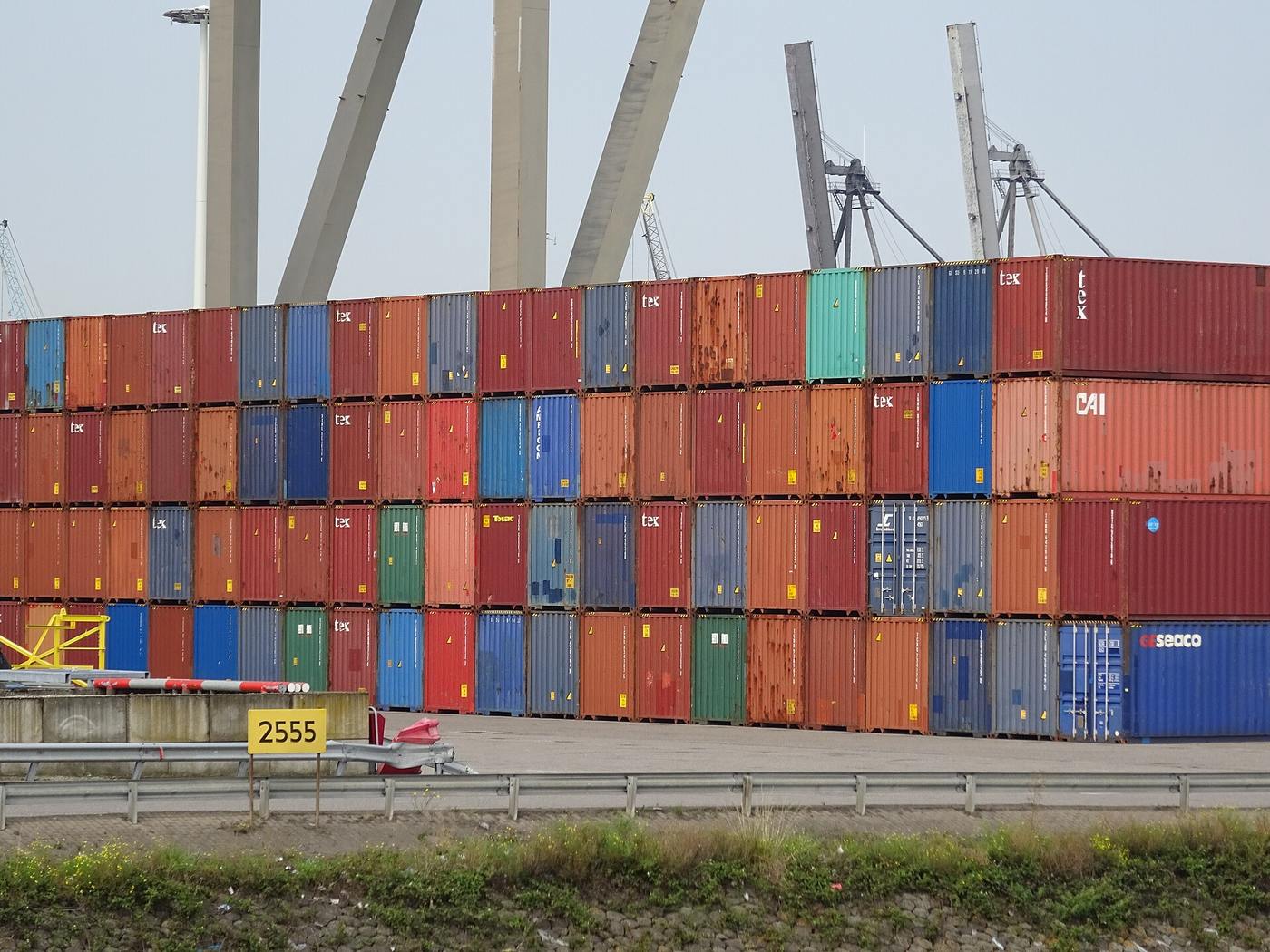
Shipping a container of furniture is expensive, slow, and often disappointing. If your sofa survives the ocean crossing and customs, it still has to survive the climate. Furniture that spent its whole life in a climate-controlled house up north reacts badly to coastal Guanacaste: wood warps, veneer lifts, and upholstery mildews in green season.
Then there is the tax bill. Used household goods do not enter the country free. Unless you hold a valid exemption, recent shipping guides put import duties and taxes at roughly 30 to 40 percent of the shipment's declared value plus freight, and the exact figure depends on what you pack. Costa Rica has excellent carpenters and furniture makers who build solid wood pieces designed for this climate, often for less than the cost of shipping and taxing your old set.
What changed in 2026: the Law 9996 window closed
For a few years, new residents who qualified as investors, pensionados, or rentistas could request a one-time duty-free import of household goods and up to two vehicles under Law 9996. That law took effect on July 14, 2021, and its benefits could only be requested during the law's first five years, so the window for new applications closed in July 2026. If you were approved before the deadline, ask your attorney about the time limits that still apply to you. If you are applying for residency now, do not build your moving budget around a duty-free container. Confirm the current rules with a licensed Costa Rican attorney before you ship anything.
3. Your car
Importing a vehicle is the furniture story with a bigger tax bill. Costa Rica charges import duties based on the age of the vehicle: about 52 percent for cars three years old or newer, about 64 percent for four to five year old cars, and about 79 percent for anything six years or older. Customs calculates the tax on the higher of your actual purchase-plus-shipping cost or the value in the government's own vehicle database, so there is no clever way around it.
Buy your car here instead. The used market is well developed, popular models already have parts and mechanics in country, and a local purchase comes with a Costa Rican title from day one. When we moved, we used a local service to find, inspect, and test drive a car before arrival, then signed at the lawyer's office and drove off the same week we landed. We are glad to point you to people we trust; just reach out through our contact page.
4. Grandma's good china and fragile heirlooms
Sell it, gift it to family, or donate it. Homes and condos here have far less storage than the average North American house, and you are unlikely to have a hutch to display formal dinnerware. There is essentially no resale market for it in Costa Rica either, so if you change your mind later you cannot recover the value. Use that precious luggage space for extra sheets and good towels instead. Quality linens are available here, but they cost noticeably more than back home and the selection is thinner.
5. Single-purpose kitchen gadgets
If it only does one job, leave it. Kitchen storage in most Costa Rican homes and condos is tight, so everything you bring has to justify its space twice: once in your luggage and again in your cabinets. There is good news for the tools you do bring. Costa Rica runs on 120 volt power with the same plug style as the United States and Canada, so your favorite blender or coffee grinder works here without adapters. Pack the two or three things you genuinely use every week and skip the rest.
6. Decor with no sentimental value
Only bring art and decor that truly means something to you, and pack those pieces carefully. A TV moving box with generous bubble wrap protects framed art well. Everything else, sell before you fly. Costa Rica has a deep bench of local artists and craftspeople, and furnishing a new home with pieces made here is one of the real pleasures of the move. Your new place will feel like it belongs in Guanacaste instead of looking like your old living room transplanted to the tropics.
7. A suitcase full of food
We get this question more often than you might think. Unless you depend on one very specific product, do not spend luggage weight on groceries. Playas del Coco has several well-stocked supermarkets and a weekly feria (farmers market), and gluten-free, dairy-free, keto, and other specialty diets are all workable here. The Nicoya Peninsula, just south of us, is one of the world's five Blue Zones, regions known for unusual longevity, and simple fresh food is a big part of that. Imported specialty brands do cost more, so bring a small stash of your one must-have item while you hunt for the local substitute. Groceries are one piece of the bigger budget picture, which we cover in our post on the cost of living in Costa Rica.
8. Your entitlement
This one costs nothing to leave behind and matters more than all the others combined. Nobody in Costa Rica cares what title you held or what your old house sold for. People care about how you treat them. Learn some Spanish, greet people before you ask for things, accept that paperwork and repairs run on a slower clock, and remember that this is someone else's country and we are guests in it. The expats who struggle here are almost always the ones who arrived expecting Costa Rica to adapt to them.
So what should you bring?
Bring quality bedding and towels, your best kitchen knives, laptops and electronics (they cost more here), prescriptions with supporting paperwork, and your documents: apostilled birth certificates, marriage certificates, and background checks if you plan to apply for residency. Almost everything else you can buy after you arrive, and buying locally supports the community you are joining.
When you are ready to get serious about the move, we can help with the part we know best: finding the right home. Browse our current listings in Playas del Coco, Ocotal, and around Guanacaste, or send us a message and we will give you a straight answer about any neighborhood you are considering. We live here, and we are glad to share what we know.
Frequently asked questions
Is it worth shipping my car to Costa Rica?
Usually not. Import duties run from about 52 percent of the vehicle's value for newer cars to about 79 percent for cars six years or older, calculated on the higher of your landed cost or the government's own valuation database. Most people come out ahead buying locally, which also guarantees parts and mechanics for the model.
Can I still import household goods duty free under Law 9996?
Not as a new applicant. Law 9996's benefits, including a one-time duty-free import of household goods and up to two vehicles, could only be requested within five years of the law taking effect in July 2021, and that window closed in July 2026. If you were approved earlier, confirm your remaining deadlines with a Costa Rican attorney.
What should I bring when I move to Costa Rica?
Bring quality bedding and towels, your best kitchen tools, laptops and electronics, prescriptions with documentation, and apostilled paperwork for residency. Costa Rica uses 120 volt power with the same plugs as the US and Canada, so small appliances work without adapters. Leave furniture, vehicles, formal wear, and fragile heirlooms behind.
Cover photo: MoveON moving, CC BY-SA 4.0, via Wikimedia Commons · Photo: AgainErick, CC BY-SA 4.0, via Wikimedia Commons