Guanacaste's Dry Season and Green Season: What Each Is Really Like
An honest month by month feel for both halves of the year on Costa Rica's driest coast, from a team that lives here.
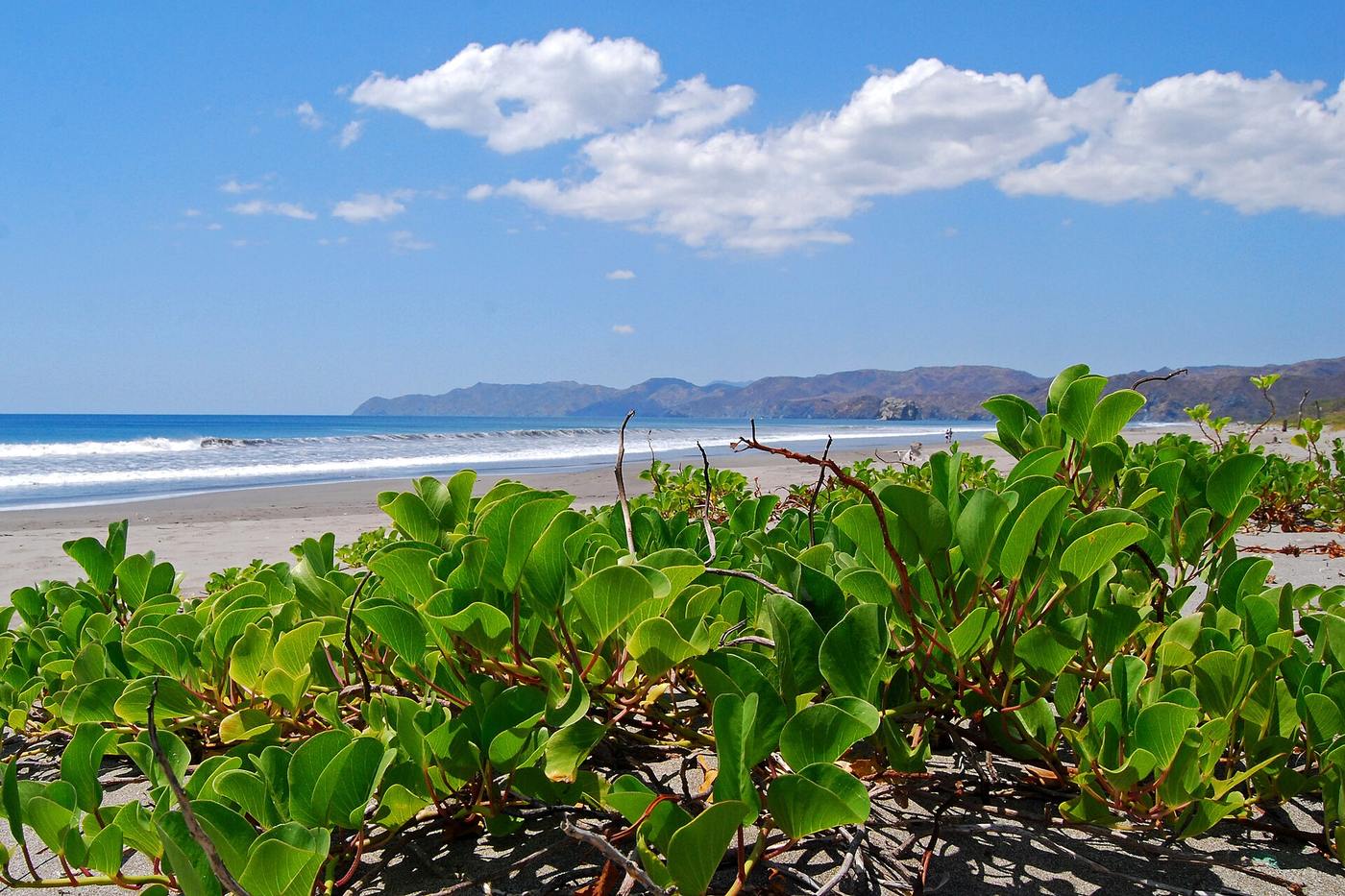
Guanacaste's dry season runs from roughly late November through April: hot, breezy, and almost rain free. The green season, May through mid November, brings sunny mornings, afternoon showers, and hills that turn deep green. The Guanacaste dry season suits beach purists and peak season renters; the green season suits lower prices, softer light, and cooler afternoons.
When exactly do the seasons change in Guanacaste?
The Guanacaste dry season and green season are divided more sharply than anywhere else in Costa Rica. According to the Costa Rica Tourism Board's climate guide, only about 4 percent of the region's annual rainfall lands between December and March. April is the transition month, and the first real storms usually arrive in May.
The numbers behind that are striking. Climate records for Liberia, the provincial capital about 35 minutes from Playas del Coco, show roughly 1,774 mm (70 inches) of rain per year, but January, February, and March each average only 4 to 6 mm. That is not "less rain." That is essentially no rain for three months straight. Then September and October each average more than 350 mm. Same place, opposite worlds.
One more local wrinkle: Coco and Ocotal sit in one of the driest pockets of an already dry province. Storms that soak the mountains inland often break up before they reach our bay.
What does the dry season really feel like?
By late December the hills behind Coco start shifting from green to gold, and by February they are brown. This is natural, not drought damage. Guanacaste is tropical dry forest, and many trees drop their leaves to survive the rainless months, which is also when several of them flower. The upside is day after day of guaranteed sun. If you book a January week here, you will almost certainly never open an umbrella.
It is hot, and we will not pretend otherwise. April is the warmest month in Liberia, with a 24 hour average of 27.8 C (82 F), which means afternoons run well into the 30s C (90s F). March and April, before the rains cool things down, are the toughest stretch: dusty roads, brown hills, and heat that makes you plan your beach time for morning and late afternoon. Air conditioning in the bedroom is not a luxury here, it is standard equipment.
The Guanacaste dry season is also high season. Christmas, New Year's, and Easter week are the busiest weeks of the year, restaurants fill up, and nightly rates peak. In our own rental portfolio, the best dry season weeks are reserved months in advance, so travelers and owners both need to plan early.
What are the Papagayo winds?
From about November through March, strong gusty winds funnel across the lowlands near Lake Nicaragua and blow out over our stretch of coast, typically peaking around February. Locals call them the Papagayo winds. They arrive in episodes that last a few days at a time, and when they blow, they really blow: palms bend, the bay gets whitecaps, and boat captains adjust their plans.
We actually like them. The wind takes the edge off the dry season heat, keeps mosquitoes away, and makes for dramatic sunsets. But if you are picturing glassy water every single day in January, know that some days will be wind days. Kitesurfers drive up to Bahia Salinas near the Nicaraguan border precisely for this reason.
What is the green season really like?
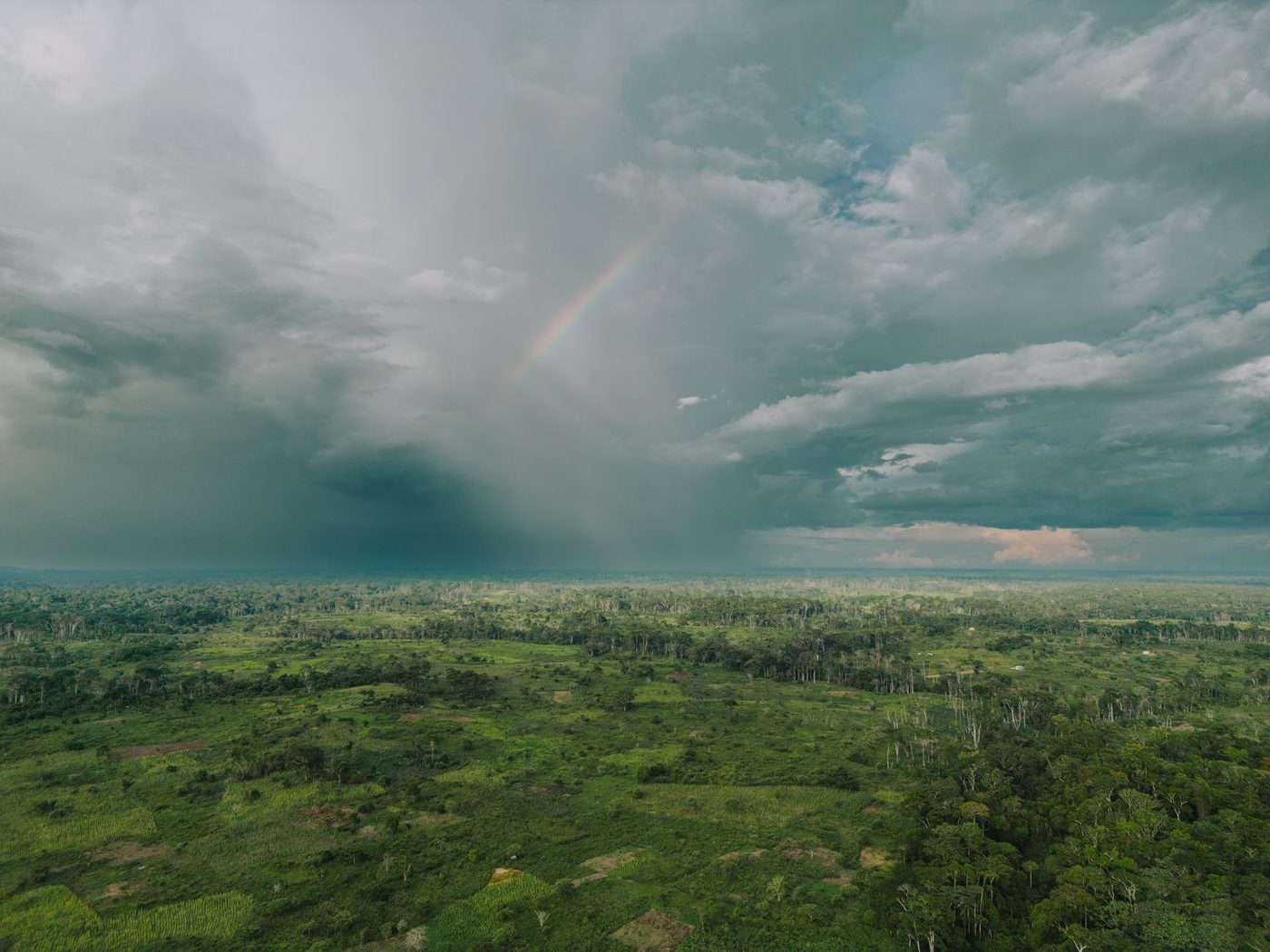
The biggest misconception we hear is that "rainy season" means rain all day. In Guanacaste, from May through August, the typical day looks like this: bright sunny morning, clouds building after lunch, a hard shower in the late afternoon, then a clear evening. The tourism board's data puts about half of the year's rainfall between May and August, but it falls in bursts, not in day long gray drizzle.
There is even a dry spell hiding inside the wet months. Researchers call it the mid summer drought; Costa Ricans call it the veranillo, the little summer. Rainfall drops noticeably in July and August across the Pacific side, and many July weeks in Coco feel almost like dry season with green hills.
And the green is the point. Within three weeks of the first rains, the brown hills flip to a green so complete it looks edited. Waterfalls at Rincon de la Vieja run full, the air is cleaner, and the wildlife of Guanacaste gets busier and louder. Photographers and house hunters see the region at its best. Nightly rates drop, beaches empty out, and restaurant tables are easy to get.
The honest tradeoffs: humidity is higher, unpaved side roads develop potholes and puddles, and a closed up house grows musty fast without ventilation or a dehumidifier. This is one reason year round property care matters here.
Should you avoid September and October?
September and October are the wettest months, each averaging more than 350 mm of rain in Liberia. Storms come more often and sometimes linger. A few businesses take their annual break. If you have exactly one vacation week and need guaranteed sun, we will say it plainly: do not book October.
But these two months have real fans, and we understand why. The coast is at its quietest, prices are at their lowest, and mornings are still often dry and beautiful. Guanacaste also stays drier than the Caribbean side and the southern Pacific in most storms. For a slow scouting trip, September can be a smart, inexpensive choice.
Which season should you see before buying or renting long term?
Both, if you can. A home that feels perfect in a breezy, bone dry January needs a second look in October: how does the lot drain, does the access road hold up, how does the house breathe when the humidity climbs? We walk properties with buyers in both seasons for exactly this reason, and our guide to the best time to visit Costa Rica can help you time a first trip.
If you are packing for a scouting visit, the season changes the suitcase too. Quick dry clothing and real rain protection matter from May onward; see our Costa Rica packing list before you fly.
For rental owners, the two seasons are the whole business model. High season weeks book out months ahead at premium rates, while green season needs sharper pricing and good marketing to keep a calendar healthy. We manage 60+ vacation rentals in Coco and Ocotal through both halves of the year, so if you want to know what that swing looks like for a specific property, ask us.
Thinking about a stay, a purchase, or handing off the seasonal juggling act? Browse our vacation rentals or learn how our property management team keeps homes booked and cared for in every month of the year.
Frequently asked questions
When is the dry season in Guanacaste, Costa Rica?
The dry season runs from roughly late November through April. December through March sees only about 4 percent of the region's annual rainfall, and Liberia climate records show 4 to 6 mm of rain per month from January to March. April is the hot transition month before the rains return in May.
Does it rain all day during Guanacaste's green season?
Usually not. From May through August the common pattern is a sunny morning, clouds after lunch, a late afternoon shower, then a clear evening. July and August often bring the veranillo, a drier spell inside the wet months. September and October are the true rainy peak, with the most frequent and longest storms.
What are the Papagayo winds and when do they blow?
They are strong, gusty winds that funnel across the lowlands near Lake Nicaragua and out over the northern Guanacaste coast, arriving in multi day episodes from about November through March and typically peaking in February. They cool the dry season heat, stir up the bay, and draw kitesurfers to Bahia Salinas.
Cover photo: Geoff Gallice, CC BY 2.0, via Wikimedia Commons · Photo: K, Pexels