Costa Rica Packing List: What to Actually Bring
A practical list from a team that lives in Guanacaste year round, updated for 2026.
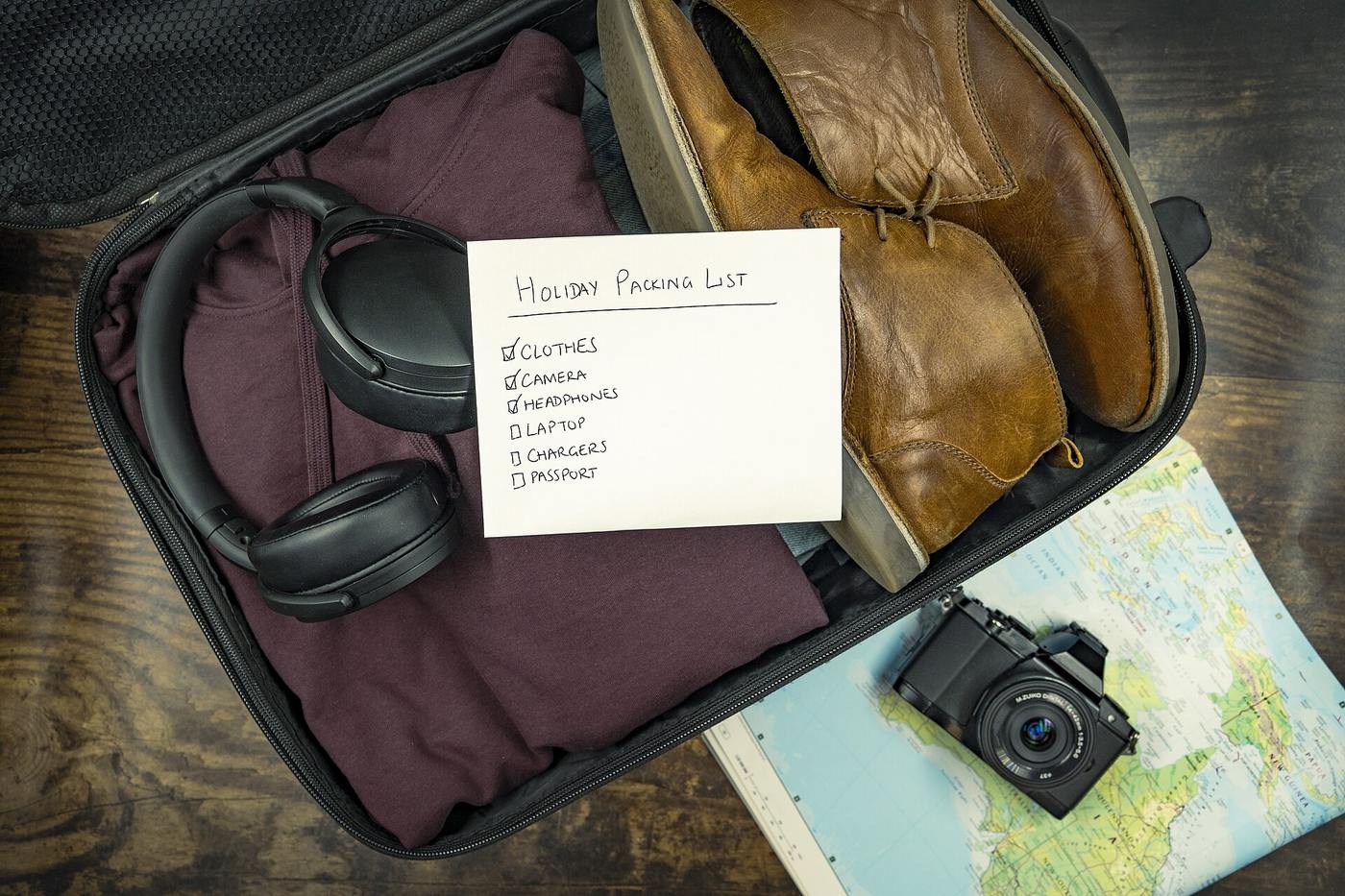
Our Costa Rica packing list is short on purpose: lightweight clothing, a swimsuit, reef-safe sunscreen, insect repellent, comfortable walking shoes, a rain layer, and any prescription medications in their original containers. Costa Rica runs on 110 volt US-style outlets and tap water is potable in most of the country, so adapters and bottled water can stay home.
We live in Playas del Coco, Guanacaste, and we manage 60+ vacation rentals here and in Ocotal. Every week we watch guests arrive with overstuffed suitcases and then spend their trip in the same two swimsuits and one pair of sandals. This guide is what we would actually pack for a visit in 2026, plus what we would leave behind. If you are moving here rather than visiting, the list changes; our post on what to know before moving to Costa Rica covers that side.
What clothing should you pack for Costa Rica?
Think light, quick-drying, and casual. Almost nowhere in Guanacaste has a dress code, and cotton that stays damp all day gets old fast.
- Lightweight, breathable tops and shorts. Moisture-wicking fabrics beat heavy cotton in coastal heat.
- Two swimsuits. One is always drying. A cover-up doubles as a lunch outfit in beach towns.
- A packable rain jacket or poncho. Even in the dry season you can hit showers in the Central Valley or the mountains, and in the green season an afternoon downpour is part of the daily rhythm.
- Comfortable walking shoes. Sidewalks are uneven, trails are rocky, and most hikes do not need real hiking boots, but they do need closed shoes with grip.
- Sandals or flip-flops. The default footwear at the beach and around the pool.
- A sun hat and sunglasses. Costa Rica sits about 10 degrees north of the equator, so midday sun is stronger than most visitors expect.
- One long-sleeved shirt and long pants. Useful against sun and mosquitoes on rainforest walks, and against the air conditioning on your flight.
- A light sweater or jacket. Monteverde, the volcano areas, and San José evenings run cooler than the coast. On the beach in Coco you will never wear it.
Does the season change what you pack?
A little. Guanacaste's dry season runs roughly December through March, with April as a hot transition month; the official tourism board's climate guide notes only about 4 percent of annual rain falls from December to March. In those months you can skip the rain gear if you are staying on the northern Pacific coast. From May through November, the green season, pack the poncho, a dry bag, and quick-dry everything. Timing matters more for crowds and pricing than for packing; see our guide to the best time to visit Costa Rica for the tradeoffs.
What gear is actually worth the suitcase space?
- Insect repellent. Essential in the green season and near rainforest. It is available in local supermarkets and pharmacies if you run out, so do not pack a year's supply.
- Reef-safe sunscreen. The tourism board asks beach visitors to use reef-safe formulas, and we second that. Sunscreen here costs noticeably more than in the US, so this is one item worth packing in quantity.
- A small daypack. For beach days, waterfall hikes, and boat trips. It also keeps your hands free in markets and on trails.
- A reusable water bottle. Per the Costa Rica Tourism Board, tap water is potable in most of the country, with bottled water recommended only in a few remote areas. Fill up before long drives; some routes between coasts take most of a day.
- A dry bag or waterproof phone pouch. Cheap insurance for boat tours, river trips, and sudden rain.
- Water shoes. If your plans include waterfalls, river hikes, or hot springs, your feet will thank you for something grippy that can get wet.
- Snorkel mask (optional). Rentable at every beach town, including here in Coco, but renting for a week can cost more than a basic mask from home.
What about electronics and power?
Good news for North Americans: Costa Rica uses 110 volt outlets with standard US two-prong plugs, so travelers from the US and Canada do not need an adapter. Visitors from Europe, the UK, and Australia need a standard US plug adapter, the same one used for the States.
Bring a portable battery pack for long tour days, and download Google Maps offline areas and Google Translate before you land; cell coverage is good in towns but patchy on rural roads. A currency converter app helps too, since prices switch between colones and US dollars constantly. If you plan to rent a car, read our notes on driving in Costa Rica before you book.
Can you bring medications into Costa Rica?
Yes, with some care. The US State Department's Costa Rica page advises travelers to carry enough medication for the whole trip, keep prescriptions in their original containers, and bring a copy of the prescription. Some medications sold in the US are not approved or stocked here, and controlled substances like strong painkillers are tightly restricted, so do not count on refilling those locally. Pharmacies in Costa Rica are excellent for everyday needs, and pharmacists can dispense many common medications without a US-style prescription, but confirm anything critical with your doctor before you fly. Pack a small first-aid kit with band-aids, pain relievers, and anti-itch cream, and you will cover 95 percent of trip mishaps.
What documents do you need to enter Costa Rica?
A passport valid for the length of your stay, plus proof of onward travel (a return or exit ticket), which airlines routinely check before boarding. US citizens do not need a visa for tourism, and immigration authorities may grant stays of up to 180 days, though the exact length is at the officer's discretion. That 180-day allowance is fairly new; we wrote about it when it changed in our post on Costa Rica's 180-day tourist visa. Keep digital copies of your passport, travel insurance, and bookings in your email or cloud storage. Rules can shift, so check the State Department page close to your travel date.
What can you leave at home?
More than you think. Heels and dressy outfits rarely leave the suitcase here. Hair dryers are in most rentals and hotels. Heavy jeans take days to dry. Expensive jewelry is better left home, both for peace of mind and because nobody dresses up. Beach towels are provided by nearly every vacation rental, including ours. And you can buy repellent, basic toiletries, and beach toys in any Costa Rican supermarket, usually within a few minutes of wherever you are staying. If you are relocating rather than vacationing, our list of 8 things to leave behind when you move to Costa Rica goes further.
Pack light, then come see why people stay
The honest summary of any Costa Rica packing list: bring half the clothes and twice the sunscreen. The country is casual, the weather is warm, and almost anything you forget can be bought here. If your trip brings you to Playas del Coco or Ocotal, we would love to help you find a place to stay. Browse our vacation rentals, or reach out through our contact page with questions about the area. We live here year round and we are happy to share what we know.
Frequently asked questions
Do I need a power adapter in Costa Rica?
Not if you are coming from the US or Canada. Costa Rica uses 110 volt outlets with standard US two-prong plugs, so North American devices plug straight in. Travelers from Europe, the UK, or Australia need a US-style plug adapter, the same type used for travel to the United States.
Can you drink the tap water in Costa Rica?
Yes, in most of the country. The Costa Rica Tourism Board says tap water is potable nearly everywhere, with bottled water recommended only in a few remote areas. In beach towns like Playas del Coco the tap water is fine, so bring a reusable bottle and refill it instead of buying plastic.
Should I pack sunscreen and bug spray or buy them in Costa Rica?
Pack sunscreen, buy repellent if you run out. Sunscreen costs noticeably more in Costa Rica than in the US, so bring a full supply of a reef-safe formula. Insect repellent is easy to find in local supermarkets and pharmacies at reasonable prices, so packing one bottle is plenty.
Cover photo: Familydestinationsguide.com Images, CC BY 2.0, via Wikimedia Commons · Photo: Familydestinationsguide.com Images, CC BY 2.0, via Wikimedia Commons