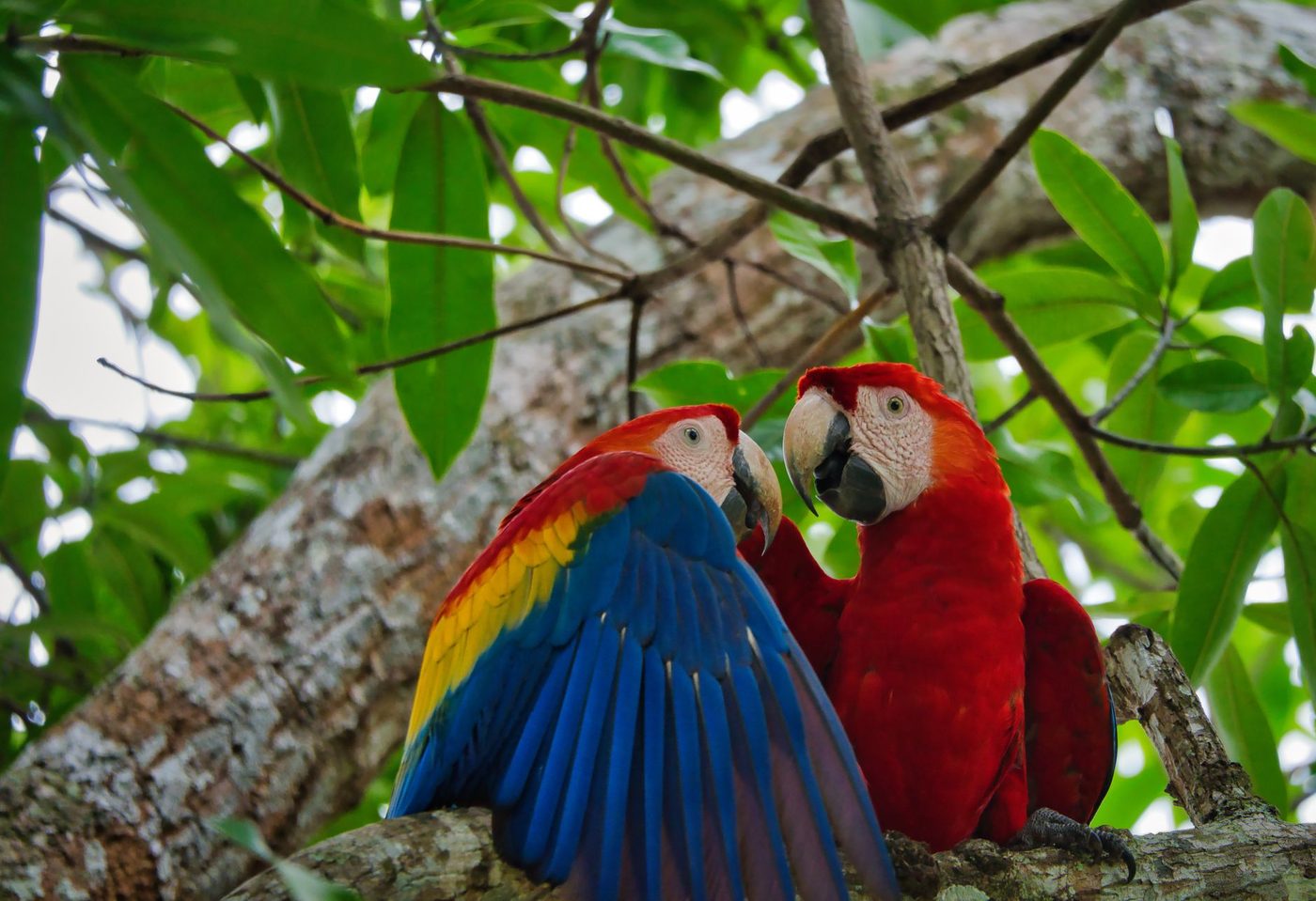
The Best Time to Visit Costa Rica
A season by season look at Costa Rica's weather from a team that lives in Playas del Coco year round.
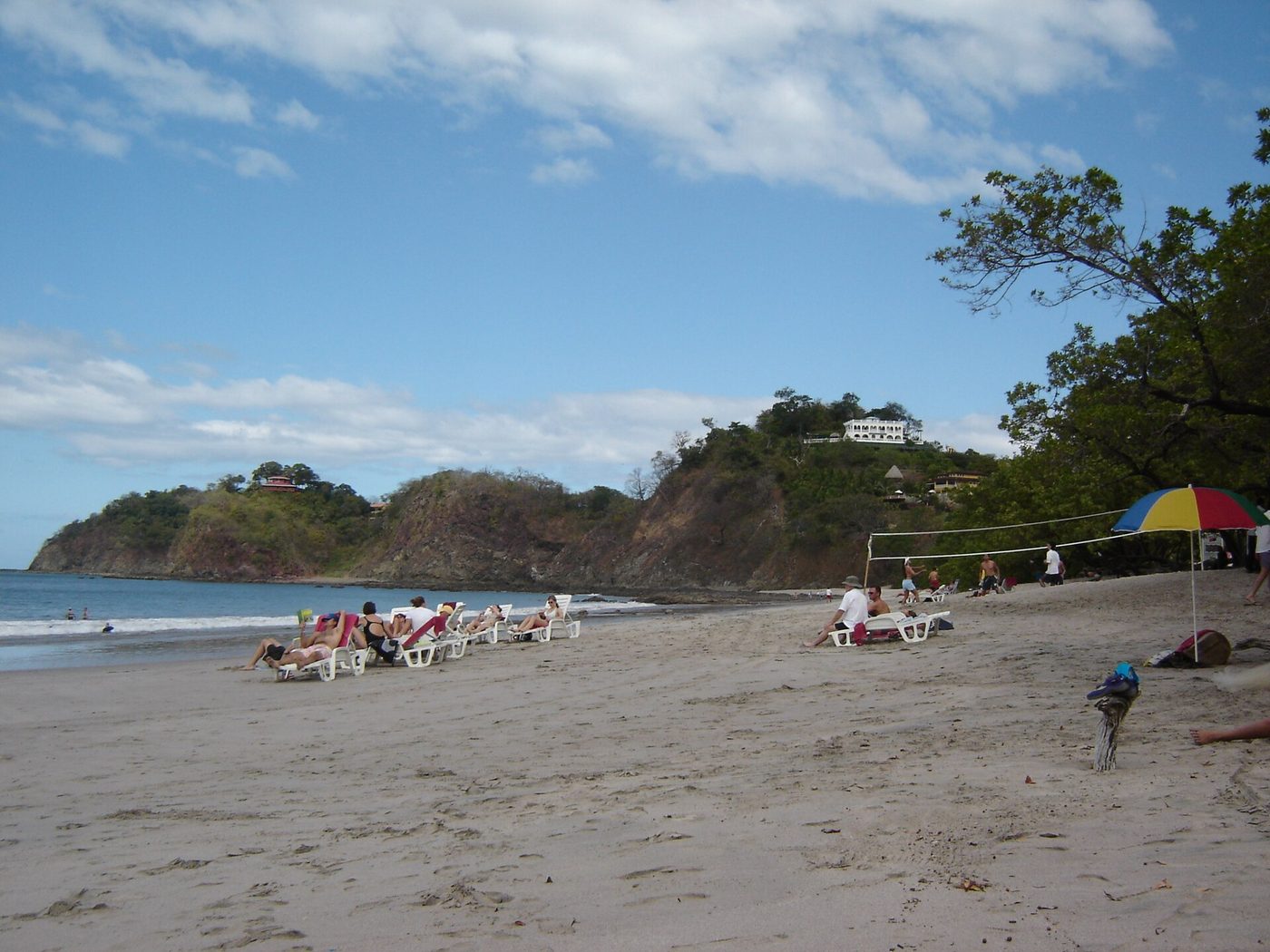
The best time to visit Costa Rica is December through April if you want dry, sunny beach weather, and May through November if you want green landscapes, fewer people, and lower prices. Guanacaste, the northwest province where we live, is the driest part of the country, so the beach season here runs even longer.
We published the first version of this guide in 2023. This update keeps what still holds true and adds what we actually tell guests who stay in our vacation rentals in Playas del Coco and Ocotal. The short version: there is no bad month in Costa Rica, but each season suits a different kind of trip.
When is the dry season in Costa Rica?
On the Pacific side and in the Central Valley, the dry season runs from December to April. Ticos call it verano, summer. Days are reliably sunny, dirt roads stay passable, and mornings on the water are usually calm. According to Climates to Travel, the northern Pacific coast is also the hottest part of the country in this stretch, with daytime highs around 93 to 95 F in March and April, and inland Liberia averaging a maximum near 97 F in April.
This is high season for a reason. If you want guaranteed pool weather, full tour schedules, and easy logistics, this is your window. The tradeoffs are real, though. Flights cost more, the most popular hotels and rentals fill early, and beaches see their biggest crowds of the year between Christmas and New Year, and again during Easter week.
What is the green season really like?
The rainy season, which the tourism industry politely renamed the green season, runs from May to November on the Pacific side. In most months that does not mean rain all day. The usual pattern is a sunny morning, clouds building after lunch, and a hard shower in the late afternoon or evening. Plan your beach time and tours for the morning and you will rarely feel cheated.
What you get in exchange is the country at its best looking: deep green hills, full waterfalls, active wildlife, and dramatic skies. Rates drop, restaurants have open tables, and the beaches empty out. Ask repeat visitors and plenty will tell you the green season is the best time to visit Costa Rica.
Guanacaste gets a bonus in the middle of it. The official Visit Costa Rica climate guide describes the Pacific veranillo, a little summer that arrives in July and August as the trade winds pick up. Rain backs off for days or even weeks at a time, which is part of why July has become a second mini high season here. The same guide notes that May through August delivers about half of Guanacaste's annual rainfall, with June an early peak, so do not assume June is drier than September just because it comes first.
How wet are September and October?
These are the wettest months on the Pacific coast, and we will not pretend otherwise. On the southern Pacific coast, Quepos records roughly 625 mm of rain in October across 27 rainy days. Guanacaste gets less than the south, but afternoon storms arrive most days, and a tropical system passing to the north can bring a stretch of gray, steady rain.
The upside is that these are the quietest and cheapest weeks of the year. If you want to test what living here feels like without the tourist layer, or you simply want a rainforest that is fully switched on, September and October reward you.
The Caribbean coast runs on the opposite rhythm. It has no true dry season and more than 3,000 mm of rain per year, but its rainfall dips noticeably in September and October. Towns like Puerto Viejo often enjoy their sunniest weather exactly when the Pacific is at its wettest, which makes a two-coast trip in early fall a smart play.
Are May, June, and November good months to visit?
We think the shoulder months are underrated. November might be the best kept secret on the calendar: the rains taper off, the landscape is still green from months of water, and high season pricing has not kicked in yet. May is similar in reverse. The first rains cool things down after the April heat, the hills green up fast, and deals are easy to find.
June deserves an honest note. As mentioned above, it is one of the rainier months in Guanacaste, even though many visitors assume the serious rain waits until fall. You will still get plenty of sunny mornings, just pack for afternoon downpours.
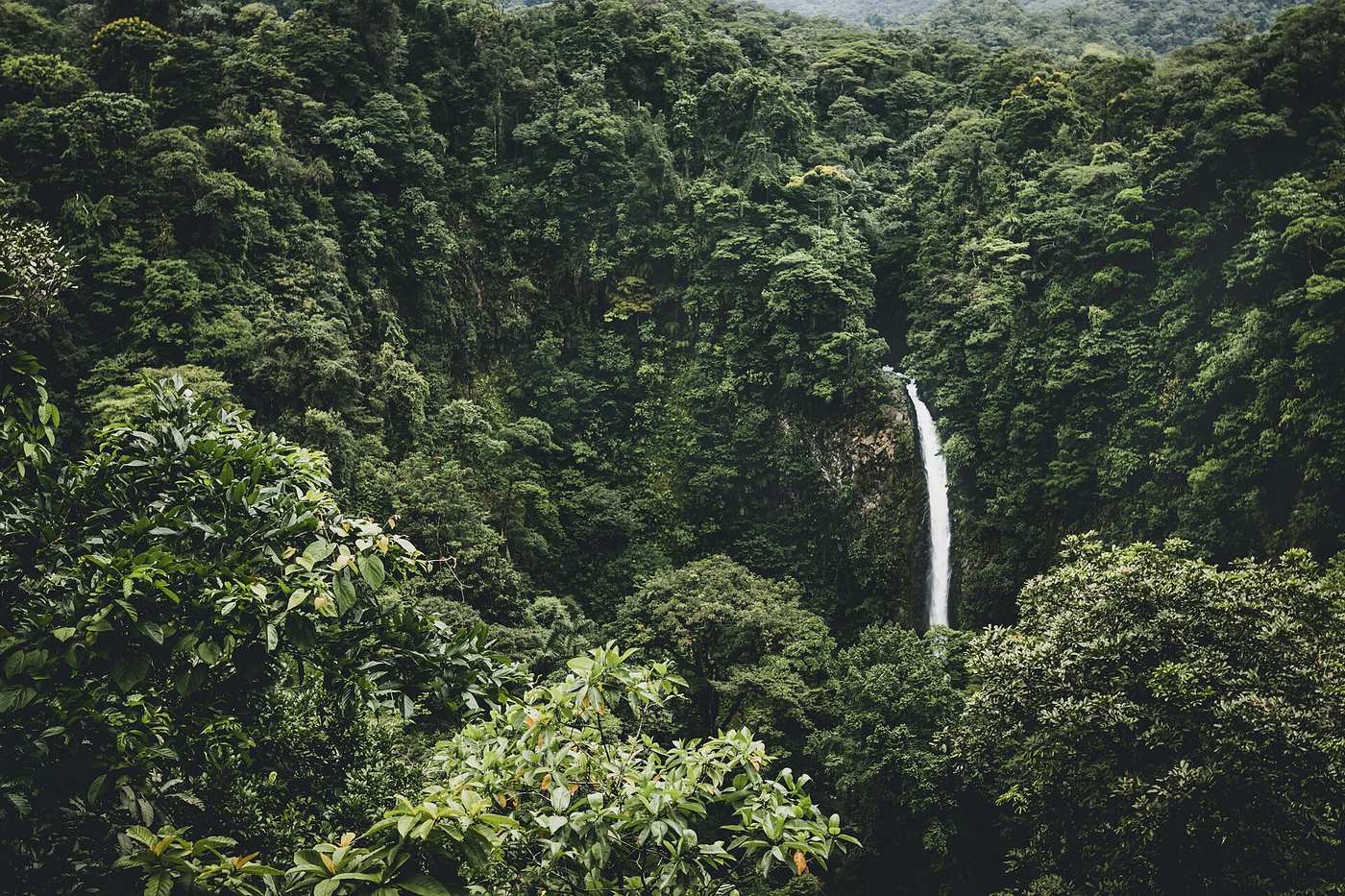
Why does Guanacaste have the longest beach season?
Guanacaste sits in the driest corner of Costa Rica. Per the national tourism board, only about 4 percent of the region's annual precipitation falls between December and March. Add the April transition and the July and August veranillo, and you get far more swimmable, sunny days per year than most of the country. In our experience around Playas del Coco, a typical green season day means sunshine until mid afternoon and an hour or two of rain, not a washout.
To be fair about what Guanacaste is not: by late dry season the hills turn brown and dusty, and March and April afternoons are genuinely hot. If you are picturing misty emerald jungle in March, the south Pacific or the cloud forest will match that picture better than our coast will. We would rather you know that before you land.
When should you book for high season?
We manage 60+ vacation rentals in Coco and Ocotal, and the pattern repeats every year. The weeks from Christmas through New Year fill up months in advance, Easter week close behind, and February and March go next. If you want a specific house or condo for peak dates, book early rather than gambling on a last minute deal. In the green season the opposite applies: discounts are common and short notice bookings are usually easy. Ask us what is available for your dates and we will give you straight answers, starting with our current rentals.
Which events are worth planning a trip around?
A few fixed points on the calendar are worth building around. Envision Festival, the big art and music gathering near Uvita on the southern Pacific coast, ran February 23 to March 2 in 2026 and lands in that same late February window each year. Guanacaste Day on July 25 celebrates the province's 1824 annexation with parades, folk dancing, and food; we covered it in our post on celebrating Guanacaste Day. And the holidays here are their own experience, with fireworks on the beach and whole Tico families camping by the water.
One more planning note that changed since our original post: most visitors from the US, Canada, and Europe can now be admitted for up to 180 days as tourists, though the immigration officer sets your stay and it is not guaranteed. We break down the details in our guide to Costa Rica's 180 day tourist stay. Longer trips make it practical to sample both a dry season month and a green season month before you commit to a favorite. Our Costa Rica packing list covers what to bring for each.
Whenever you decide the best time to visit Costa Rica is for you, we can set you up with a place to stay in Playas del Coco or Ocotal, and show you around if you are curious about life here. Browse our vacation rentals or send us a message, and we will help you match the season to the trip you want.
Frequently asked questions
What is the cheapest time of year to visit Costa Rica?
September and October are the least expensive months on the Pacific side. They are also the wettest, so rates on flights, hotels, and vacation rentals drop and crowds thin out. May, June, and November offer a middle ground, with better weather odds than early fall and prices still well below the December to April high season.
Does it rain all day during Costa Rica's green season?
Usually not. The typical green season pattern on the Pacific coast is a sunny morning followed by an afternoon or evening shower. All day rain does happen, mostly in September and October or when a tropical system passes nearby. Plan tours and beach time for mornings and you will still get plenty of sunshine.
Is Guanacaste drier than the rest of Costa Rica?
Yes. Guanacaste is the driest region in the country. The national tourism board notes that only about 4 percent of its annual precipitation falls from December through March, and the July to August veranillo adds a dry spell in the middle of the rainy season. The Caribbean coast, by contrast, has no true dry season.
Cover photo: Mariordo (Mario Roberto Duran Ortiz), CC BY-SA 3.0, via Wikimedia Commons · Photo: Isabella Jusková, CC0, via Wikimedia Commons