Health Insurance in Costa Rica: Caja, Private, and Both
How the public Caja system works, what private coverage adds, and how expats on the Guanacaste coast combine the two.
Health insurance for expats in Costa Rica comes down to two systems. Legal residents must enroll in the Caja, the country's public health system, and pay a monthly contribution based on declared income. Private coverage, through the state insurer INS or an international carrier, is optional. Many expats carry both: Caja as the safety net, private for speed and choice.
What is the Caja, and who has to join?
The Caja Costarricense de Seguro Social (everyone just says "Caja") runs Costa Rica's public hospitals, clinics, and the EBAIS network of neighborhood primary care teams. Once you are enrolled, it covers doctor visits, hospital care, surgeries, and prescriptions without copays. That is the model: you pay in monthly, then care is covered.
Enrollment is not optional for residents. Since 2010, joining the Caja has been a requirement of legal residency, and your monthly payments need to stay current when you renew your DIMEX card. Guides like International Citizens Insurance confirm the requirement applies to residents across the categories, whether you came in as a pensionado, rentista, or investor.
Tourists and part-time visitors cannot simply sign up. If you spend winters here on a tourist entry, your options are travel medical insurance, an international health policy, or paying out of pocket. The Caja becomes available to you when residency does.
How much does the Caja cost each month?
Your contribution is a percentage of the monthly income you declare, on a sliding scale. International Living's Costa Rica guide puts the range at roughly 5 percent for lower declared incomes up to about 11 percent at higher ones, and other published guides land in the same 7 to 11 percent band. A retired couple declaring a $2,500 monthly pension will pay a very different amount than a family declaring $8,000.
Enrollment itself is a paperwork exercise more than an expense. International Living describes the process as paying roughly $160 in bank fees, then sitting down with a Caja officer who reviews your documented income and sets the premium. Bring proof of your pension or income, your residency paperwork, and patience. Once you are in the system, you register with the EBAIS clinic that serves your address.
Two details soften the number. First, one payment covers your spouse and dependents, not just you. Second, the exact figure is set at your enrollment meeting with a Caja officer, based on what you document. The scale and the rules change, so treat any percentage you read online, including ours, as a starting point. Confirm the current calculation with the Caja directly or with a licensed attorney or accountant before you build a budget around it. We are neither, and this is not legal or tax advice.
What does Caja care look like around Playas del Coco?
Coco has its own EBAIS clinic, the first stop for Caja members. The CCSS opened a new building for the EBAIS La Costa in town in January 2023, an investment of more than 372 million colones, and it handles first-level care: consultations, chronic condition follow-up, vaccinations, referrals. Bigger public care means a trip to Liberia, the provincial capital.
Here is the honest tradeoff. The Caja handles emergencies, hospitalization, and ongoing prescriptions well, and the price cannot be beaten. But waits for specialist appointments and elective procedures can stretch to months. Nobody we know relies on the Caja alone for a knee consult they want next week. For the full map of clinics, private options, and what to do in an emergency near Coco, see our guide to healthcare near Playas del Coco.
What private options do expats actually use?
Three main routes, and they are not exclusive:
- INS. The Instituto Nacional de Seguros is Costa Rica's state insurance company. It sells medical policies to legal residents and works with a network of private doctors, labs, and hospitals.
- International health insurance. Carriers that cover you in Costa Rica and often across borders too. Premiums vary widely with age, deductible, and whether you want coverage back in the US or Canada, so quote before you commit.
- Paying out of pocket. Private care here is inexpensive by North American standards. Published guides such as International Citizens Insurance list private GP visits at $60 to $75, specialists around $100, and many diagnostics like X-rays and blood work under $100. Plenty of expats pay cash for routine care and insure only against the big events.
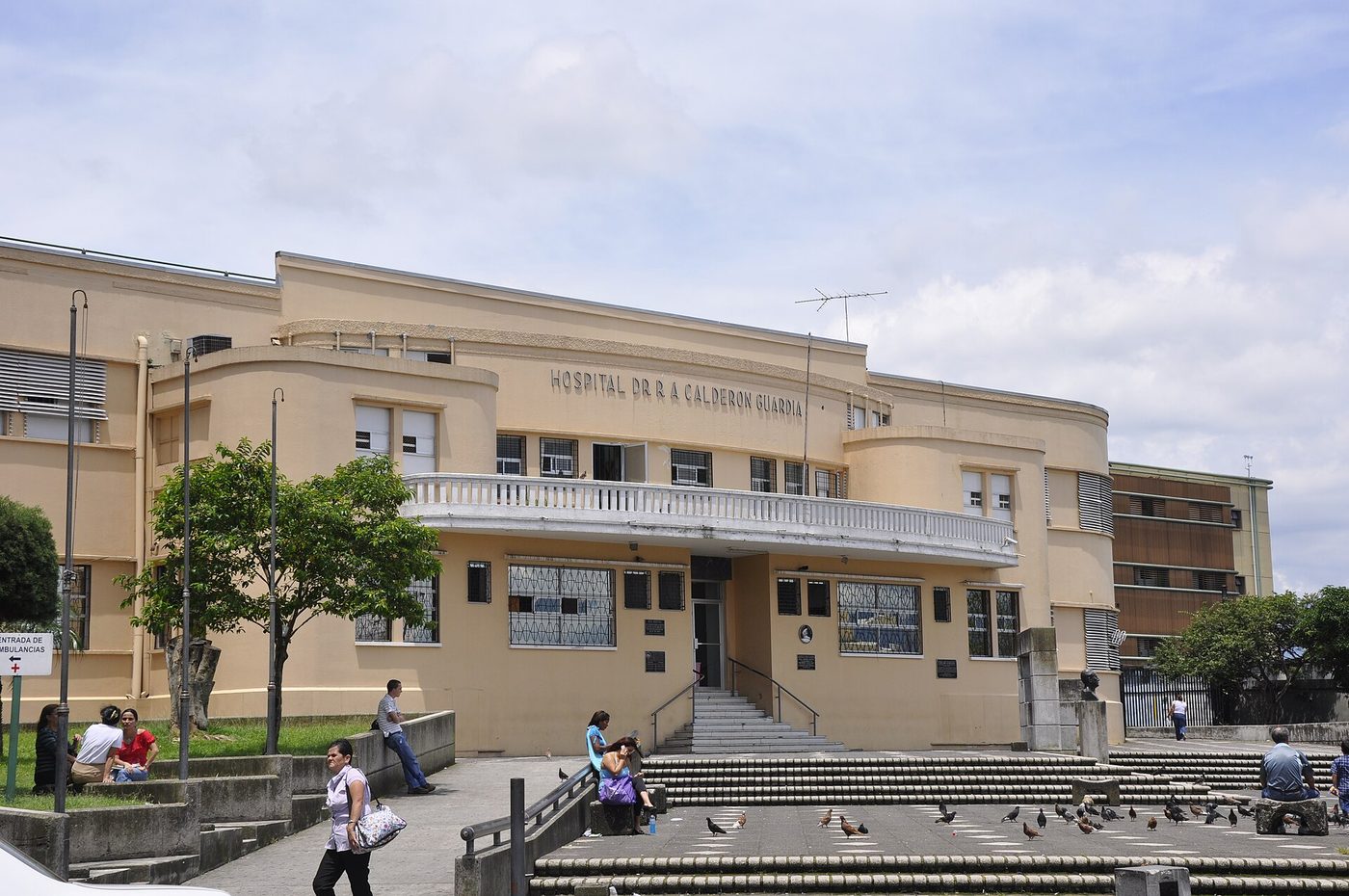
On the hospital side, the private names you will hear most are CIMA, Clínica Bíblica, and Hospital Metropolitano in the San José area. For us on the coast, the practical one is Hospital Metropolitano's Liberia branch, open around the clock with emergency care, imaging, labs, and a long list of specialties. Having that 24/7 option within a reasonable drive changed the healthcare math for this coast.
Why do many expats carry both?
Because the two systems solve different problems. The Caja is mandatory for residents anyway, so the real question is what you add on top. A common pattern among owners we work with looks like this: use private doctors for consultations, diagnostics, and anything where speed matters, and lean on the Caja for prescriptions, chronic care, and the catastrophic scenarios where a public hospital stay would otherwise cost a fortune.
Age is the variable people underestimate. Private premiums climb as you get older, and some insurers restrict new enrollment at higher ages, so ask any carrier directly how their plan treats you at 75 or 85 before you count on it for the long haul. The Caja has no such cutoff, which is a big part of why retirees in Costa Rica value it even when they rarely use a public clinic.
What should you budget for health insurance in Costa Rica?
There is no single number, but the pieces are knowable. Your Caja payment follows from the income you declare at enrollment. Private insurance depends on your age and deductible, so collect real quotes rather than forum guesses. Out-of-pocket care is the predictable part: at $60 to $100 a visit, a year of routine appointments often costs less than one month of a US premium.
Our advice is to price the combination, not each piece alone. Many couples find that Caja plus a modest private policy, or Caja plus a cash budget for private visits, covers them better here than their old plan did at home. Healthcare costs are one reason the overall cost of living in Costa Rica surprises new arrivals in a good way.
Thinking about the move?
We are not insurance brokers, and we do not pretend to be. But we live in Playas del Coco, we have been through Caja enrollment, and we can tell you which clinics our owners and guests actually use. If healthcare is on your checklist before a move, start with our guide on what to know before moving to Costa Rica, browse our current listings, or ask us anything on WhatsApp. Real answers from people who did it, no charge.
Frequently asked questions
Do expats have to join the Caja in Costa Rica?
Yes, if you become a legal resident. Caja enrollment has been a requirement of residency since 2010, and payments must stay current to renew your residency card. Tourists and part-time visitors cannot enroll; they rely on travel insurance, international health policies, or paying out of pocket at private clinics.
How much does the Caja cost per month for expats?
Contributions run on a sliding scale based on the monthly income you declare, roughly 5 to 11 percent according to published expat guides. One payment covers your spouse and dependents. The exact figure is set at your enrollment meeting, so confirm current rates with the Caja or a licensed professional.
Can you use private hospitals in Costa Rica without insurance?
Yes. Private care is pay-as-you-go and inexpensive by North American standards: general practitioner visits typically run $60 to $75, specialists around $100, and many diagnostic tests under $100. Many expats pay cash for routine care and carry insurance only for hospitalization and other major events.
Cover photo: Tama998, CC0, via Wikimedia Commons · Photo: Antonio Solera, CC BY 3.0, via Wikimedia Commons