
The 11 Most Asked Questions About Costa Rica Real Estate
Straight answers on ownership, taxes, financing, and residency from our team in Playas del Coco.
Yes, foreigners can own titled Costa Rica real estate outright, with the same rights as citizens. Annual property tax is just 0.25 percent, closing costs usually run 3.5 to 5 percent, and most purchases are cash. Below, we answer the 11 questions buyers ask us most often here in Playas del Coco.
We are Expat Properties | CR, a sales and vacation rental company based in Playas del Coco, Guanacaste. We refreshed this guide in August 2026 because several numbers that still circulate in older articles (including our own) have changed, from the luxury home tax threshold to the residency incentives.
1. Can foreigners buy property in Costa Rica?
Yes. Costa Rica gives foreign buyers the same ownership rights as citizens for titled property. You do not need residency, and you can hold title in your own name or through a Costa Rican corporation. The main exception is the maritime zone, the first 200 meters from the high tide line. Most beachfront land there is held under a government concession rather than full title, and concessions carry real restrictions for foreigners. We explain the difference in our guide to concession vs. titled properties.
Whatever you buy, have an independent attorney confirm clear title in the National Registry before you sign anything.
2. What does property cost in Playas del Coco?
Coco remains the most affordable of the major Guanacaste beach markets, which is a big part of its appeal. Independent market trackers put the median condo price here near 134 million colones in 2026, roughly the mid $200,000s in dollars, with studios and older one bedroom units trading below that. Homes range much more widely depending on view, lot, and community, and asking prices online often lag what properties actually sell for. Ask us for current comparables on anything you are watching.
3. What taxes do property owners pay?
The standard annual property tax is 0.25 percent of the registered municipal value. On a home registered at $400,000, that is about $1,000 per year, far below typical North American rates.
Higher end homes may also owe the solidarity tax, better known as the luxury home tax. For 2026 it applies when the construction value of the home exceeds 143 million colones (roughly $280,000), with progressive rates from 0.25 to 0.55 percent, filed and paid each January. AG Legal's 2026 guide lays out the brackets. The threshold adjusts, so confirm the current figure with your accountant each year.
4. What are closing costs in Costa Rica?
Budget roughly 3.5 to 5 percent of the purchase price. The main pieces:
- Transfer tax: 1.5 percent of the higher of the price or registered value
- Notary and legal fees: usually 1 to 2 percent
- Registry stamps and fees: around 0.8 percent
- Escrow and due diligence costs, which vary by transaction
By law the costs are split between buyer and seller unless the parties negotiate otherwise. Always run funds through an escrow company registered with SUGEF, Costa Rica's financial regulator. Never wire money directly to a seller.
5. Can I get a mortgage as a foreigner?
Rarely from Costa Rican banks if you are not a resident, and when local financing exists the rates and paperwork usually make it unattractive. Realistic options are owner financing (some sellers offer it, typically with shorter terms and higher rates than a US mortgage), private lenders, or borrowing against equity in your home country. In practice, most of this market moves in cash, which also gives cash buyers real negotiating power.
6. Is Playas del Coco good for rental income?
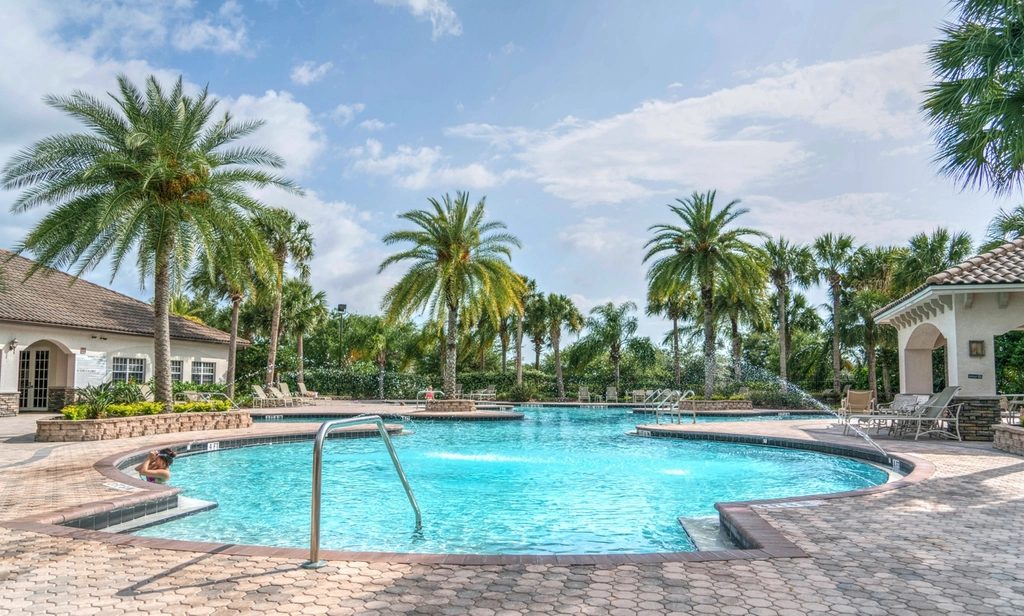
It is one of the stronger short term rental markets in Costa Rica. The town has year round tourism, real infrastructure, and sits about 23 kilometers from Liberia International Airport, a 25 to 30 minute drive. We manage 60+ vacation rentals in Coco and Ocotal, and the pattern is consistent: high season, roughly December through April, books up months in advance, while green season takes sharper pricing and better marketing to fill. We will not quote a universal return figure, because income depends heavily on the specific unit, HOA rules, and how the property is run. Ask our property management team for current numbers on any property you are considering.
7. Which neighborhoods should I look at?
A few communities come up in almost every search we run with buyers:
- Pacifico: resort style gated community with condos, homes, and a beach club. Polished, but HOA fees reflect the amenities.
- Coco Bay Estates: hillside homes with some of the best ocean views in town.
- Las Palmas: mid range condos within walking distance of town and the beach, popular with rental investors.
- Ocotal: quieter and smaller than Coco, five minutes away, with condos and view homes near a calm gray sand beach.
Each has tradeoffs in noise, walkability, fees, and rental rules, so tell us how you plan to live and we will point you honestly.
8. Does buying property give me residency?
Not automatically, and this is where old articles will mislead you. A real estate purchase of at least $150,000, held in your personal name, can support an investor residency application, as Fragomen's Costa Rica guide explains. Retirees can apply as pensionados with a lifetime pension of at least $1,000 per month, and the rentista category requires $2,500 per month in guaranteed income. One important 2026 change: the special tax and import incentives created by Law 9996 reached the end of their window in July 2026, so do not build a plan around those perks. We are not immigration lawyers; confirm the current rules with a licensed attorney before you commit.
9. What does the buying process actually look like?
Offer and acceptance, a deposit into escrow, then a due diligence period covering the title search, survey, water letter, and corporate and lien checks. Closing happens before a notary public, who records the transfer in the National Registry. A clean cash deal often wraps up within a couple of months of the signed offer. We walk through each step in How to Buy a Home in Costa Rica, and we explain why a good lawyer matters more here than almost anywhere.
10. What mistakes do foreign buyers make most often?
The same handful, over and over:
- Skipping or rushing due diligence on title, zoning, and water
- Using the seller's attorney instead of independent counsel
- Ignoring HOA budgets, fees, and short term rental restrictions
- Sending funds outside a SUGEF registered escrow
- Buying on a first trip without seeing the town in green season
None of these are hard to avoid. They just require patience and a team that has done this many times.
11. How do I start my search?
Come spend time in the town first, ideally in both seasons, and get clear on what you want the property to do: personal use, rental income, or a future retirement base. Then work with a local team that will tell you what a listing is not, as readily as what it is.
When you are ready, browse our current properties for sale, or reach out through our contact page or on WhatsApp. We live here, we manage rentals here, and we are happy to answer question number twelve and beyond.
Frequently asked questions
Do I need residency to buy property in Costa Rica?
No. You can buy titled property in Costa Rica as a tourist with a valid passport. Ownership does not require residency, and residency does not require ownership, though a real estate investment of $150,000 or more held in your personal name can support an investor residency application. Confirm current immigration rules with a licensed attorney.
How much is annual property tax in Costa Rica?
The standard property tax is 0.25 percent of the registered value per year, paid to the local municipality. Homes whose construction value exceeds about 143 million colones in 2026 also owe the solidarity (luxury home) tax, at progressive rates of 0.25 to 0.55 percent, filed each January. Verify current thresholds with an accountant.
How long does it take to close on a property in Costa Rica?
A straightforward cash purchase usually closes within one to two months of a signed offer. The timeline depends mostly on due diligence: title search, survey, water letter, and corporate checks. Financing, corporate transfers, or title issues can stretch it longer, which is one more reason to work with an experienced local attorney.
Cover photo: Peloy (Allan H.M.), CC BY-SA 3.0, via Wikimedia Commons · Photo: Rawpixel, CC0 1.0, via Openverse