Why You Should Consider Buying a Home or Property in Playa del Coco, Costa Rica
Our honest 2026 case for buying in Coco, tradeoffs included.
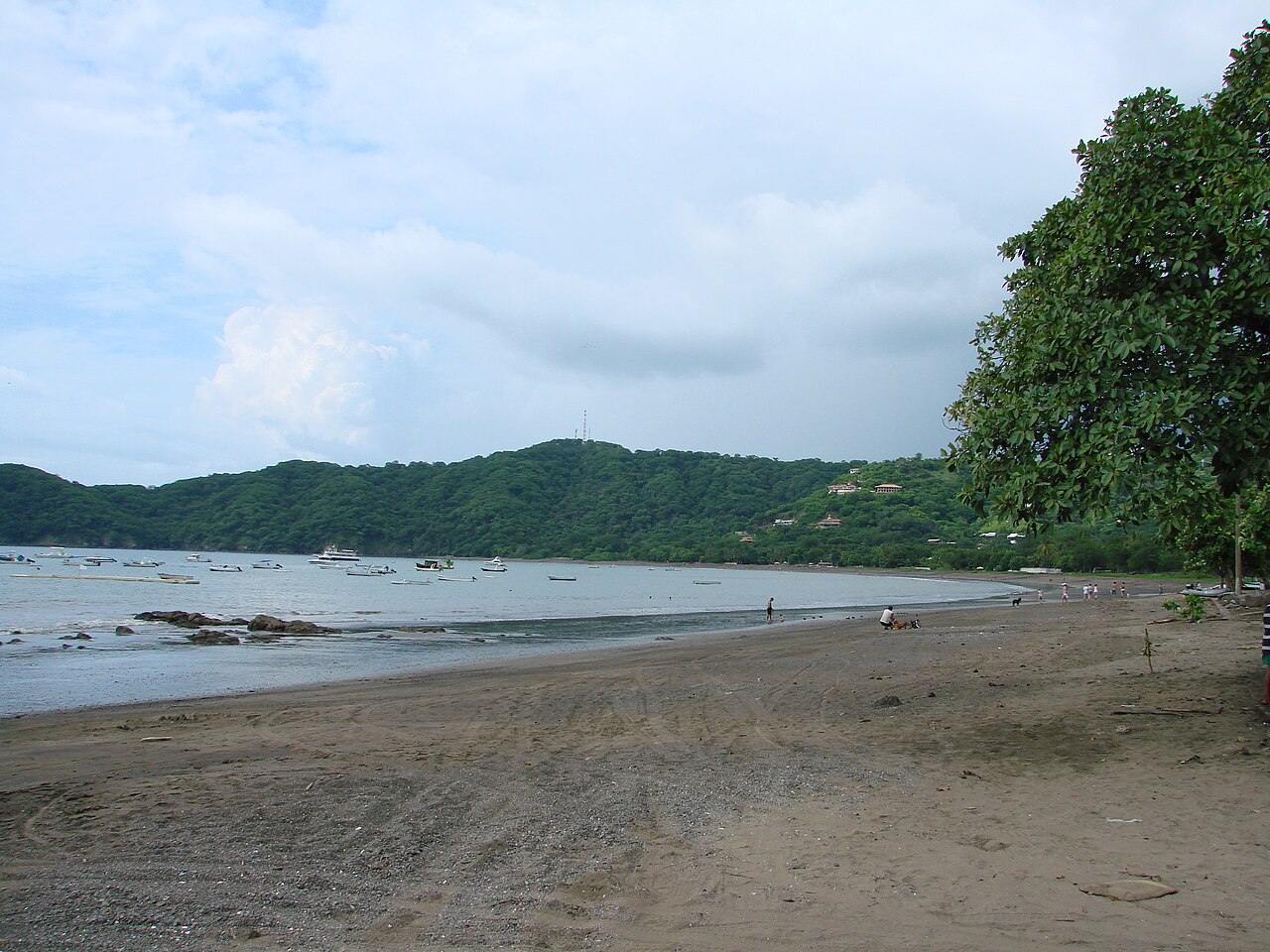
Playas del Coco gives buyers a rare combination: titled property foreigners can own outright, an international airport about 30 minutes away, real town infrastructure, and a proven vacation rental market. Prices are no longer a secret, but in 2026 we still consider buying property in Playa del Coco a sound long term decision.
We are Expat Properties | CR. We sell real estate here and we manage about 40 vacation rentals in Coco and Ocotal, so we see both sides of this market every week: what buyers pay, and what their homes actually earn. This post is our updated case for buying here, with the honest parts left in.
Why do buyers keep choosing Playas del Coco?
Location does most of the work. Coco sits about 32 kilometers (20 miles) from Liberia, and the drive from Guanacaste Airport (LIR) takes roughly 30 minutes on paved roads. That matters more than it sounds. Guests who land at noon are in the pool by early afternoon, and owners who live abroad can check on their property without an extra domestic flight or a four hour transfer from San José.
Coco is also a real town, not a resort strip. There are supermarkets, banks, pharmacies, clinics, hardware stores, and a working fishing fleet in the bay. You can live here full time without driving an hour for groceries, which is not true of every beach town in Guanacaste. We wrote a separate post on what makes Coco different from other Guanacaste beach towns if you want the town by town comparison.
Can foreigners really own property here?
Yes, and this is one of Costa Rica's biggest advantages over much of Latin America. Foreigners have essentially the same ownership rights as citizens for titled property. You do not need residency, a local partner, or a special permit to hold fee simple title, and the U.S. government's Country Commercial Guide for Costa Rica confirms foreigners can own property without title restrictions. Title is recorded in the National Registry, which your attorney can search before you commit a single dollar.
The important exception is beachfront. In most of Costa Rica, the first 200 meters from the high tide line is maritime zone, where you generally hold a concession (a long term lease from the municipality) rather than title, and concessions carry restrictions for foreigners. Most homes and condos in Coco sit outside that zone on fully titled land, but you should understand the difference before you shop. Our guide to concession vs. titled properties explains it in plain language, and a good local attorney is non-negotiable either way. We never close without one.
What does the vacation rental market look like in 2026?
Honestly: good, but no longer effortless, and anyone who tells you otherwise is selling something. Costa Rica's tourism numbers wobbled in 2025. ICT data showed air arrivals down about 4.5 percent in June 2025 compared with the year before, partly because a strong colón made the country pricier for visitors. Then the first half of 2026 set a record for air arrivals, so demand came back.
What we see in our own portfolio matches that pattern. High season (roughly December through April) still books up months ahead, especially for homes with pools and ocean views. Green season takes work: realistic nightly rates, discounts, and good photos. Owners who price honestly stay busy; owners who anchor to 2022 rates sit empty. We will not quote you an occupancy percentage in a blog post, but if you ask us about a specific property we will show you real comparable numbers from homes we manage through our property management program.
One more demand tailwind: Costa Rica now grants most visitors entry stamps of up to 180 days, which has encouraged longer winter stays. We covered the details in our post on the 180 day tourist visa.
What does it cost to own property here each year?
Less than most North Americans expect. The annual property tax throughout Costa Rica is 0.25 percent of the registered value, paid to the municipality. When you buy, the real estate transfer tax is 1.5 percent of the sale price or the registered tax value, whichever is greater, plus registry and notary fees. Both rates are confirmed in PwC's Costa Rica tax summary, reviewed in mid 2026. Homes above a value threshold also pay an additional solidarity (luxury home) tax, and rates change, so confirm current figures with a licensed Costa Rican accountant or attorney before you budget. We are not tax advisors and this is not tax advice.
Beyond taxes, budget for HOA fees if you buy in a condo development (they vary widely with amenities), electricity (air conditioning is the big line item in Guanacaste), water, insurance, and maintenance. Salt air and six months of rain are hard on houses. A property that is checked weekly holds its value; one that sits closed through green season does not.
What kind of property can you buy in Coco?
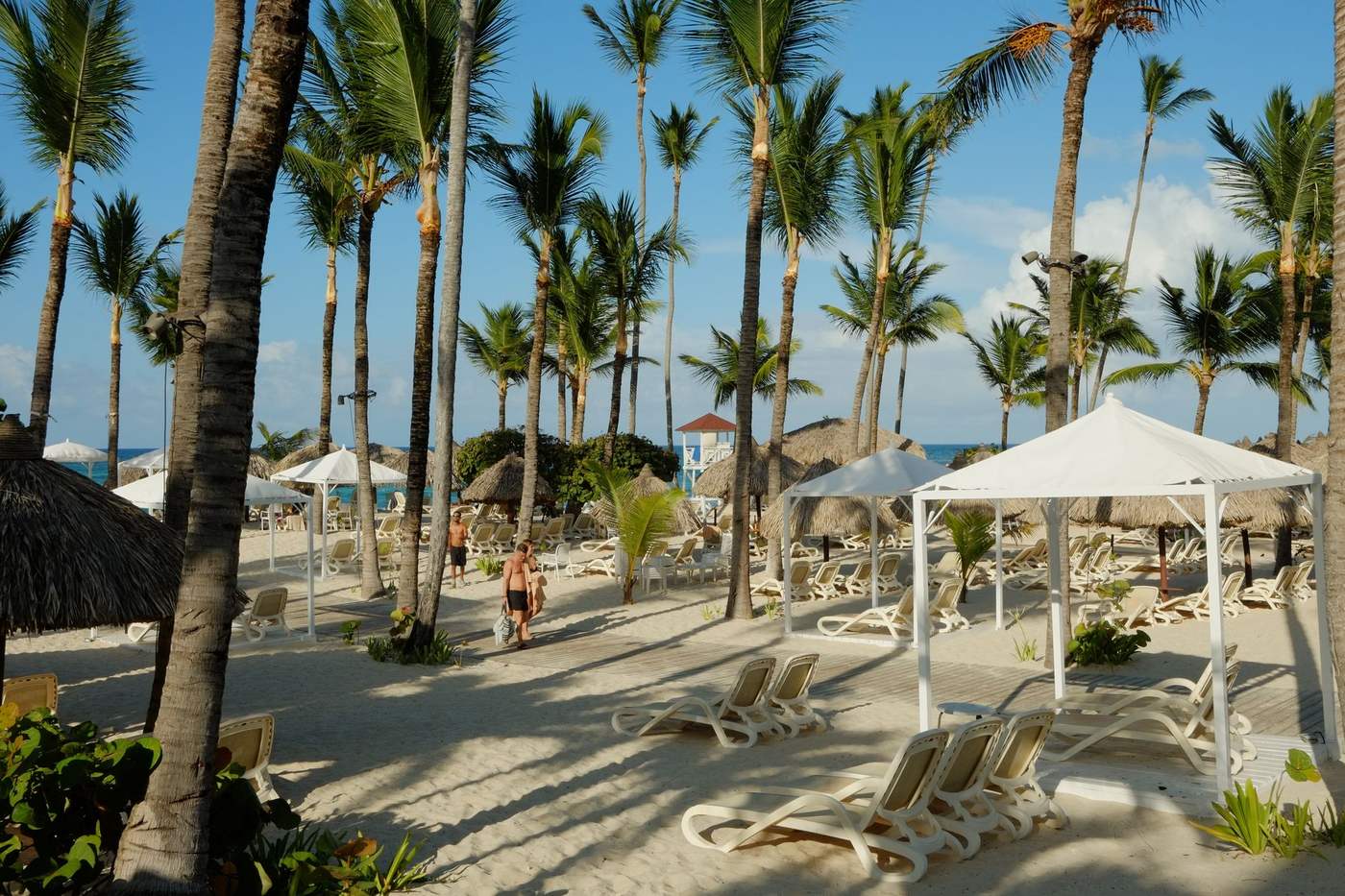
The range is wider than first time visitors expect. At the entry level, older condos in established developments a short walk or drive from the beach are still the most affordable way into the market. In the middle, newer condos and townhomes with pools and ocean views make up most of what we sell and most of what we rent for owners. At the top, hillside homes in communities like Coco Bay Estates and Pacifico trade at prices that would still look reasonable next to coastal California or Hawaii. And there are titled lots in and around town for buyers who want to build. We keep our current inventory on our properties page, updated as listings come and go.
What is Playas del Coco NOT?
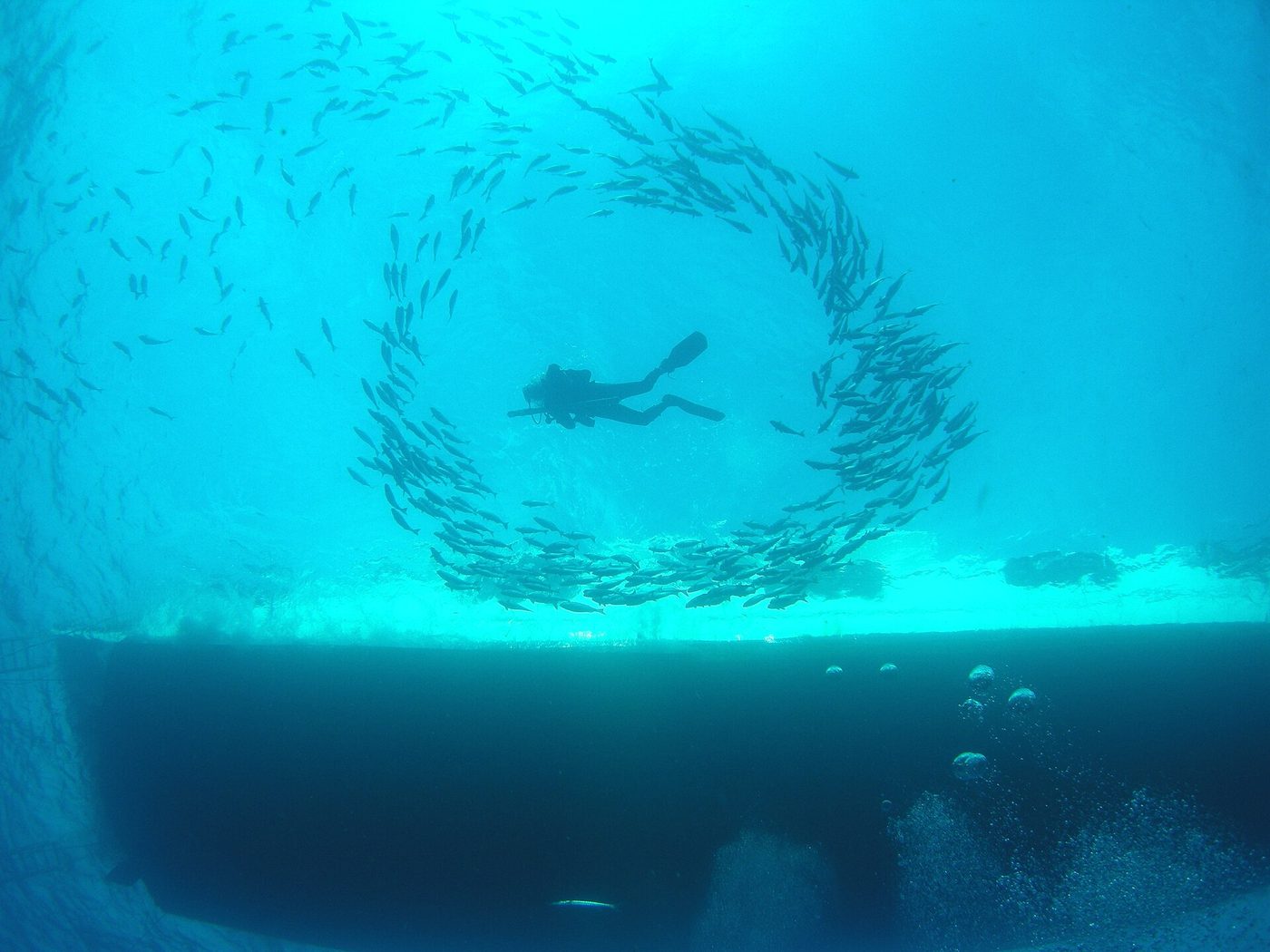
We win trust by being straight about this. Coco is not a quiet, secluded hideaway; it is a lively working town with bars, traffic on holiday weekends, and music some nights. It is not lush year round; from January through April the landscape turns brown and dusty, and daytime heat is real. It is not a culture capital; you come here for the ocean, the fishing, the diving, and the sunsets, not for museums. And it is not a get rich quick rental machine; it is a market that rewards realistic pricing and good management. If those tradeoffs bother you, we would rather tell you now than after closing.
How do you actually buy, step by step?
The short version: get clear on your budget including closing costs, view properties (in person if at all possible), make a written offer, and let your attorney run due diligence on title, liens, surveys, and corporate structure before funds move. Most purchases close in 30 to 60 days through an escrow company. We walk through the whole process in our guide on how to buy a home in Costa Rica.
Costa Rica's broader economy helps the case: the country grew 4.3 percent in 2024 and remains the region's most stable democracy, which is a large part of why buyers keep coming back to it over cheaper but riskier markets.
Ready to look at Coco for yourself?
We live here, we are SUGEF registered, and we will tell you when a property is overpriced, because we plan to be your neighbors, not just your agents. Browse our current listings in Coco and Ocotal, or send us a message and tell us what you are looking for. We answer fast, usually on WhatsApp, usually the same day.
Frequently asked questions
Can foreigners own titled property in Playas del Coco?
Yes. Foreigners have essentially the same rights as Costa Rican citizens for titled property and can hold fee simple title without residency or a local partner. The exception is the maritime zone, generally the first 200 meters from the high tide line, which is concession land with restrictions. Most Coco homes and condos sit on fully titled land. Always confirm title with a licensed attorney.
How far is Playas del Coco from the Liberia airport?
Playas del Coco is about 32 kilometers (20 miles) from Liberia, and the drive from Guanacaste Airport (LIR) takes roughly 30 minutes on paved roads. That short transfer is a major reason Coco works so well for vacation rentals and for owners who fly in from abroad several times a year.
What taxes do property owners pay in Costa Rica?
The annual property tax is 0.25 percent of the registered value, paid to the local municipality. Buyers also pay a 1.5 percent transfer tax at purchase, plus registry and notary fees, and higher value homes owe an additional solidarity tax. Rates and thresholds change, so confirm current figures with a licensed Costa Rican accountant or attorney.
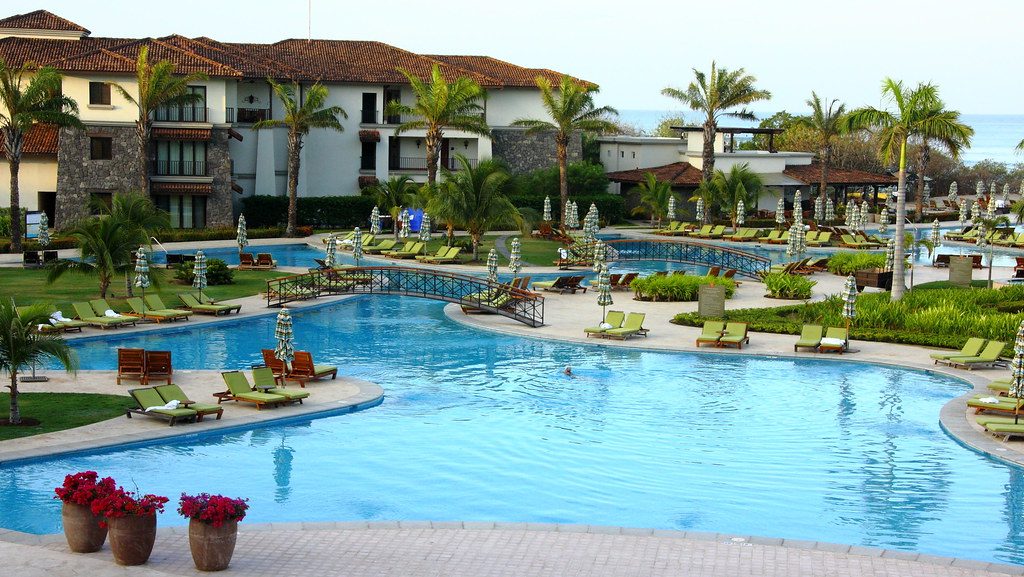
Cover photo: Tizianok, CC BY-SA 3.0, via Wikimedia Commons · Photo: jmenard48, CC BY-SA 2.0, via Openverse