
Costa Rica's 180-Day Tourist Visa: What to Know in 2026
The 2023 rule that doubled tourist stays has settled in, and a few things have changed since we first wrote about it.
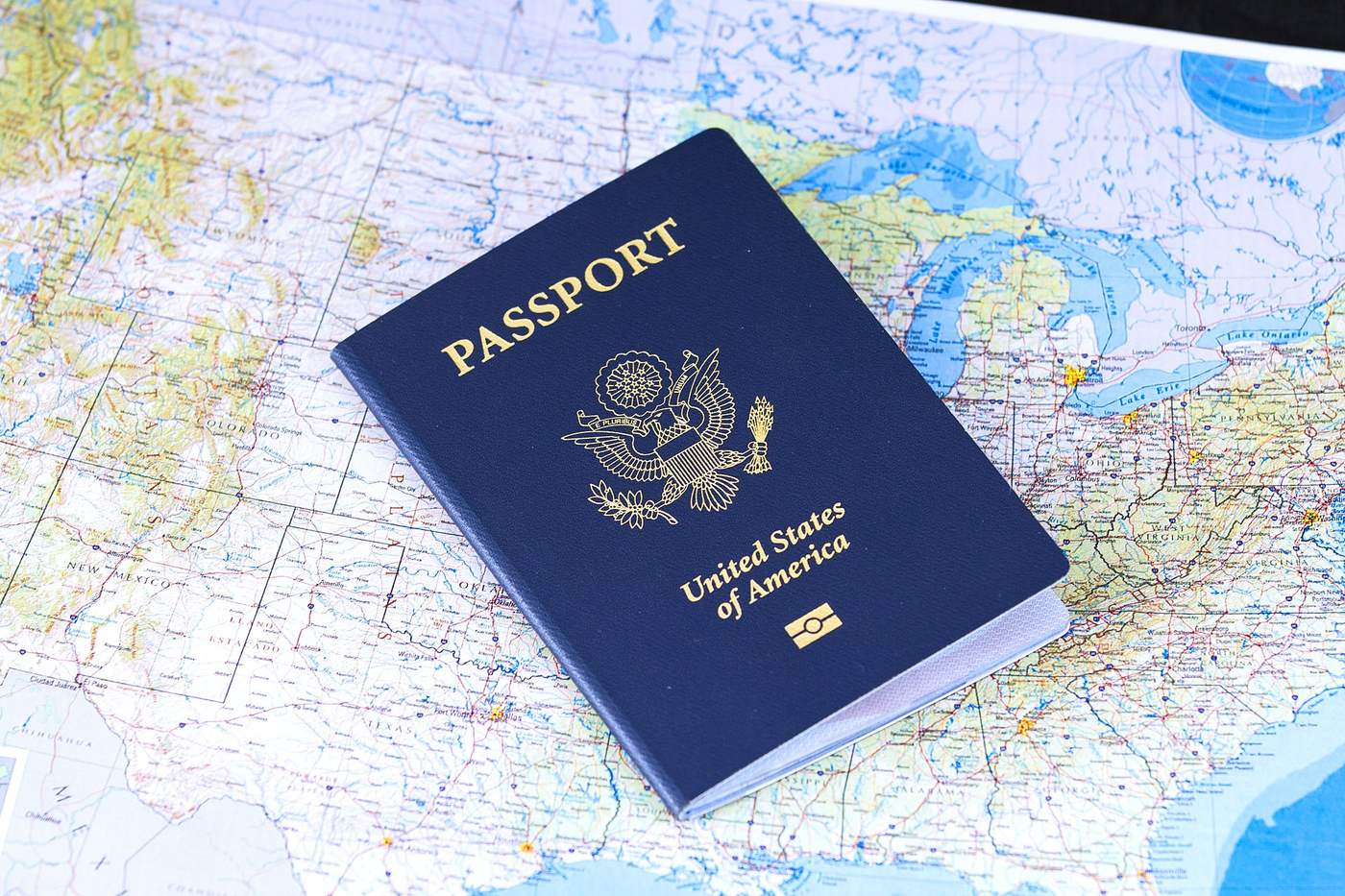
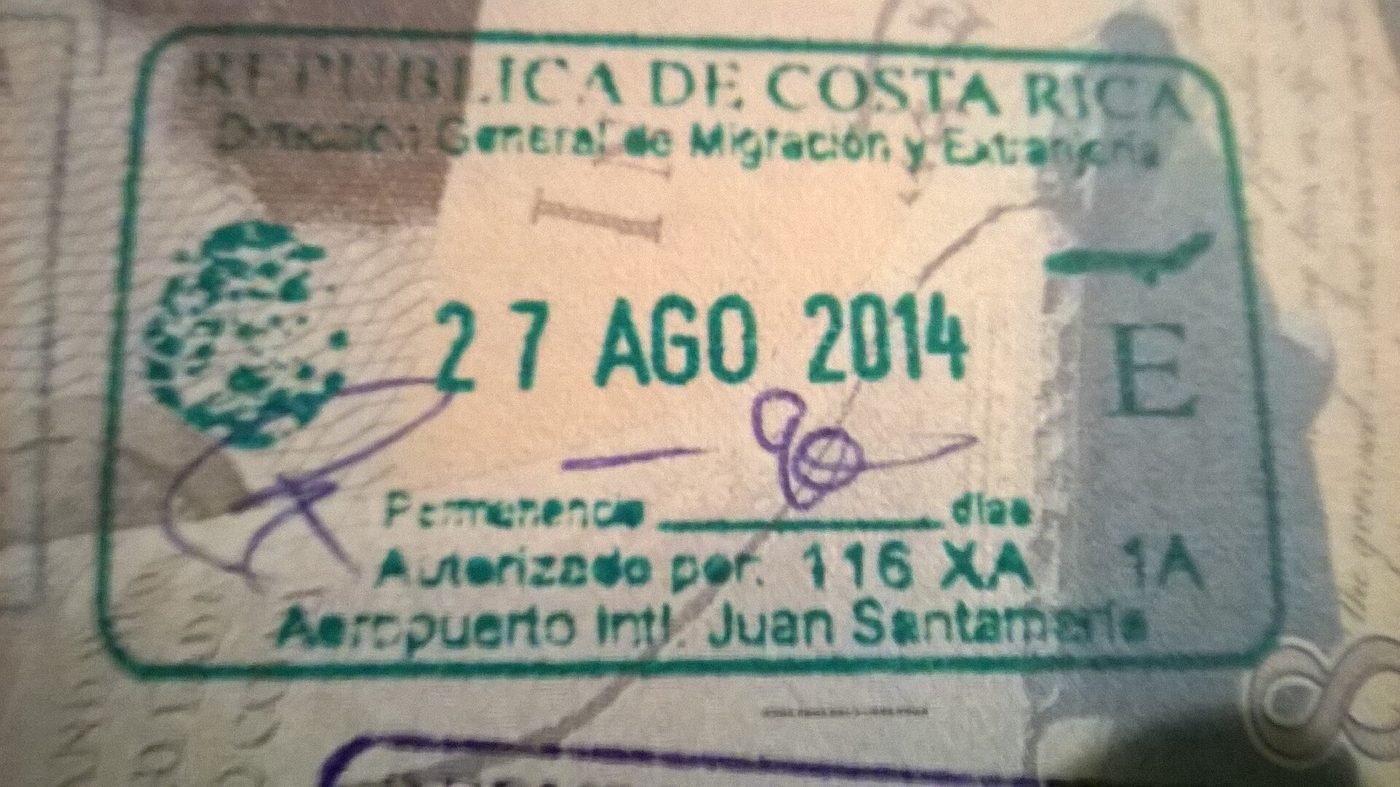
Costa Rica allows visitors from Group One countries, including the United States, Canada, the United Kingdom, and most of Europe, to stay up to 180 days as tourists with no visa application. The 180-day tourist visa took effect in September 2023, and the exact days you receive are stamped at the border, at the officer's discretion.
We published our first post on this rule when it was brand new. Almost three years later it has settled in, a few related rules have changed (driver's licenses, most importantly), and we have watched guests and buyers in Playas del Coco plan entire seasons around it. Here is the 2026 picture, fact-checked and in plain language.
What changed in September 2023?
For decades, the standard tourist stay for visa-exempt visitors was 90 days. In September 2023, Costa Rica's immigration authority (the Dirección General de Migración y Extranjería) raised the maximum stay for Group One nationalities from 90 to 180 days per visit, effective immediately, as reported by the immigration law firm Fragomen.
Strictly speaking, this is not a visa at all. Group One travelers never apply for anything. It is a visa exemption: you land, you hand over your passport, and the officer stamps you in with a number of days. What changed in 2023 is the ceiling on that number, from 90 to 180.
The practical effect was big. Before the change, snowbirds and long-stay visitors had to leave the country every 90 days (the famous border run to Nicaragua or Panama) to reset their stay. A single 180-day admission covers a full Guanacaste high season, from the December holidays through Easter week, with room to spare.
Who qualifies for the 180-day stay?
Group One includes the United States, Canada, the United Kingdom, most European Union countries, and a number of others. If you hold a passport from one of these countries, you do not apply in advance and there is no fee.
In November 2025, immigration published updated general visa guidelines that reorganized visitors into four groups. Group One kept its visa-free entry for up to 180 days; the changes mostly affected other nationalities, including new or adjusted requirements for travelers from Nicaragua, Colombia, Venezuela, Honduras, El Salvador, and China. Groupings do change, so check your nationality's current status on an official source before you book. For a broader look at entry options, see our overview of visas in Costa Rica.
Is 180 days guaranteed at the border?
No, and this is the point most often misunderstood. The rule sets a maximum, not an entitlement. The immigration officer decides how many days you get, and the U.S. State Department notes plainly that the full 180 days is not guaranteed.
In our experience, travelers who arrive with a return ticket and normal paperwork are routinely admitted for the full period, but shorter grants happen. Two habits worth keeping:
- Check your stamp (or the officer's note) before you walk away from the booth. The days written there are your legal stay, whatever the maximum says.
- Do not overstay. Overstaying brings fines and can mean delays, deportation, or trouble on future entries.
What do you need to show when you arrive?
The requirements are simple, but airlines and immigration do check them:
- A valid passport. Officially, it must be valid for the period of your stay. We still recommend six months of validity, because airline check-in staff often apply stricter rules than Costa Rica does.
- Proof of onward travel. A return or onward ticket leaving Costa Rica within your authorized stay. Airlines frequently ask for this at check-in, before you ever reach Costa Rica.
- Proof of funds. Officers can ask you to show economic means for your stay. The amounts involved are modest; a bank statement or credit card is usually enough. Check the current figure with an official source or your attorney if you want the exact number.
- Where you are staying. Have the address of your hotel or rental handy for the entry form and the officer's questions.
Can you drive on your home license for the full 180 days?
Yes, now you can. This is the biggest update since our original post. When the 180-day rule first arrived, your foreign driver's license was still only recognized for 90 days, so long-stay visitors had to cross a border at the halfway mark just to keep driving legally. That mismatch is gone.
A reform to Article 91 of Costa Rica's transit law, in force since May 2024, recognizes a valid foreign driver's license for the full length of your authorized stay, up to 180 days. Digital licenses from your home country are recognized too. Your license itself must remain unexpired the whole time, and normal traffic rules apply. We cover the day-to-day realities in our guide to driving in Costa Rica.
What the 180-day rule does not change
We would rather be straight with you than oversell this. A tourist stay, however long, is still a tourist stay:
- It is not residency. Six months on a stamp gives you no path to staying permanently. If Costa Rica is becoming home, look at the residency categories; our post on retiring in Costa Rica covers the common ones.
- It is not a work permit. Tourists cannot take employment with a Costa Rican company. Remote workers employed abroad have a separate digital nomad option, which we describe in our post on the digital nomad lifestyle.
- Re-entry is discretionary. Some people leave for a weekend and come back for a fresh stamp, year after year. It often works, but no rule guarantees readmission, and officers can and do grant fewer days to perpetual tourists.
Immigration rules shift, and we are not attorneys. Before you build a life plan around any of this, confirm the details with a licensed Costa Rican immigration attorney.
Why this matters if you are considering a season in Coco
For anyone thinking about buying property here, the 180-day tourist visa is the best research tool that exists. Two one-week vacations tell you almost nothing. A full season tells you nearly everything: what February's heat and dust feel like, what the town is like in the quiet green season, whether you actually use that pool, and which neighborhoods fit your routine.
Playas del Coco is not for everyone, and we say that as people who live here. It is hot, dry for half the year, and busier than the sleepy fishing town it once was. Spending real time here before you buy is the honest way to find out if it fits.
We manage 60+ vacation rentals in Coco and Ocotal, and monthly stays in the green season are the most affordable way to test a long visit. Browse our rentals, look at current properties for sale, or ask us on WhatsApp and we will give you straight answers about what a season here really costs.
Frequently asked questions
Do US and Canadian citizens need a visa to visit Costa Rica in 2026?
No. US and Canadian passport holders enter visa free and can be admitted for up to 180 days per visit. The exact number of days is set by the immigration officer at entry. You need a passport valid for your stay, proof of onward travel, and you should be ready to show funds if asked.
Can I extend a 180-day tourist stay without leaving Costa Rica?
Generally no. If the officer granted you fewer than 180 days, ask immigration about an extension before your stamp expires. If you received the full 180, your options are leaving and re-entering, which is never guaranteed, or applying for residency. Confirm your specific situation with a licensed Costa Rican immigration attorney.
Can I drive in Costa Rica on my foreign license for the whole 180 days?
Yes. Since a 2024 reform to the transit law, a valid foreign driver's license is recognized for the full length of your authorized stay, up to 180 days. Before the reform, licenses were only good for 90 days, which forced mid-stay border runs. Your home license must stay unexpired the entire time.
Cover photo: Cytis, CC0 1.0, via Wikimedia Commons · Photo: Monocletophat123, CC BY-SA 4.0, via Wikimedia Commons