Banking in Costa Rica as an Expat: Opening Accounts, Moving Money
What we tell new arrivals in Playas del Coco about opening accounts, activating SINPE Móvil, and wiring money in without headaches.
Banking in Costa Rica for expats comes down to one thing: your immigration status. Tourists can usually open only basic accounts with low limits, while residents holding a DIMEX card get full service at banks like BAC, BCR, and Banco Nacional. Day to day, most payments here run through SINPE Móvil, the central bank's phone-to-phone transfer system.
We have helped a lot of new arrivals in Playas del Coco through their first months here, and the banking questions come up in almost every conversation. So here is the honest version of banking in Costa Rica for expats: what works, what takes patience, and what we wish someone had told us before our first trip to a branch.
Can you open a bank account in Costa Rica without residency?
Sometimes, but do not count on walking in with a passport and walking out with a full account. Costa Rican banks operate under strict anti-money-laundering rules supervised by SUGEF, the banking regulator, and they apply real due diligence to every new customer. The less status you have, the more limited your account will be.
In practice there are three tiers:
- Tourists. Some banks offer basic or simplified accounts that can be opened with a passport, with low transaction limits and colones-first features. Policies change often and vary by bank and even by branch, so ask what is currently possible before you plan around it.
- Residency applicants. Some banks meet you halfway once your file is in process. BAC, for example, states that a non-resident applicant needs a passport, six months of continuous presence in Costa Rica, and a document from immigration showing a residency application in progress.
- Residents with DIMEX. Once you hold your DIMEX (the residency ID card), the doors open: full accounts in colones and dollars, credit products over time, and normal online banking.
If you are still deciding whether to make the move, our guide on what to know before moving to Costa Rica covers the residency timeline that drives all of this.
Which bank should you choose: BAC, BCR, or Banco Nacional?
Most expats in our area end up at one of three banks, and each has a distinct personality.
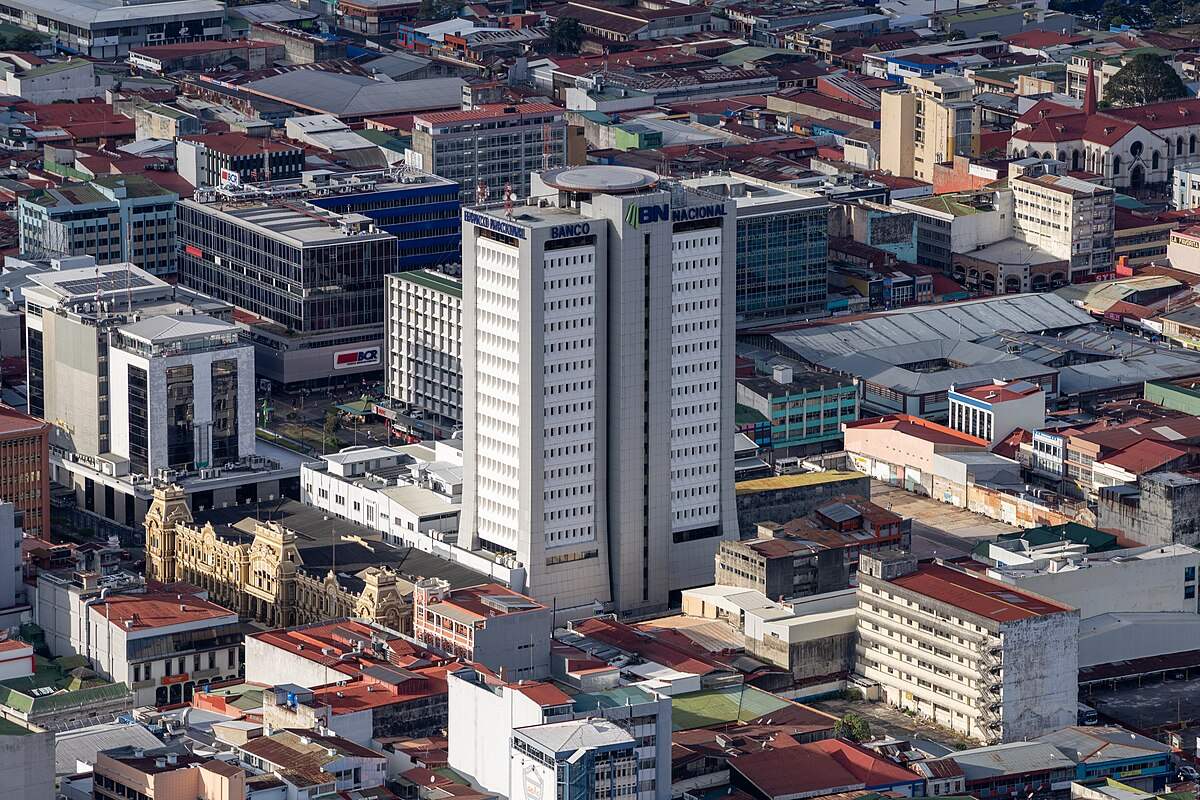
Banco Nacional (BN) is the state-owned giant, the largest commercial bank in the country with over 170 branches and 400 ATMs nationwide. If you buy property in a small town or need a branch everywhere you go, BN is hard to beat. The tradeoff is bureaucracy: expect lines, paperwork, and processes that move at their own pace.
Banco de Costa Rica (BCR) is the other big state bank. It has pushed hard into digital service, including a savings account you can request fully online, and like every bank here it will ask for a valid ID and documentation supporting where your money comes from.
BAC Credomatic is the private bank most North Americans gravitate toward. The app and online banking are polished, branch staff in Guanacaste are used to foreign customers, and basic digital accounts can be opened from the phone with your ID and a selfie. Private banks tend to be faster and more service-oriented; the state banks tend to have wider physical coverage.
Our honest take: many long-term expats keep two accounts, one at a state bank and one at BAC, so a system outage or a card problem never leaves them stuck. Playas del Coco has branches of all three within a few minutes of each other, which is one of the small conveniences we cover in our cost of living guide.
What documents will the bank ask for?
Requirements vary by bank and account type, but a typical file for a full personal account includes:
- Your DIMEX card (or passport plus proof of a residency application in process, where accepted)
- Proof of income or source of funds: pension letters, employment letters, business records, or a sale contract
- A local phone number and email
- In some cases, proof of address, which can be as informal as a utility bill from your rental
The source-of-funds question surprises people. It is not personal, and it is not optional. Every bank in the country must document where customer money originates, and larger deposits get more scrutiny. Bring more paperwork than you think you need, expect a follow-up request or two, and keep copies of everything. The first account is the hard one; everything after gets easier.
What is SINPE Móvil and why does everyone use it?
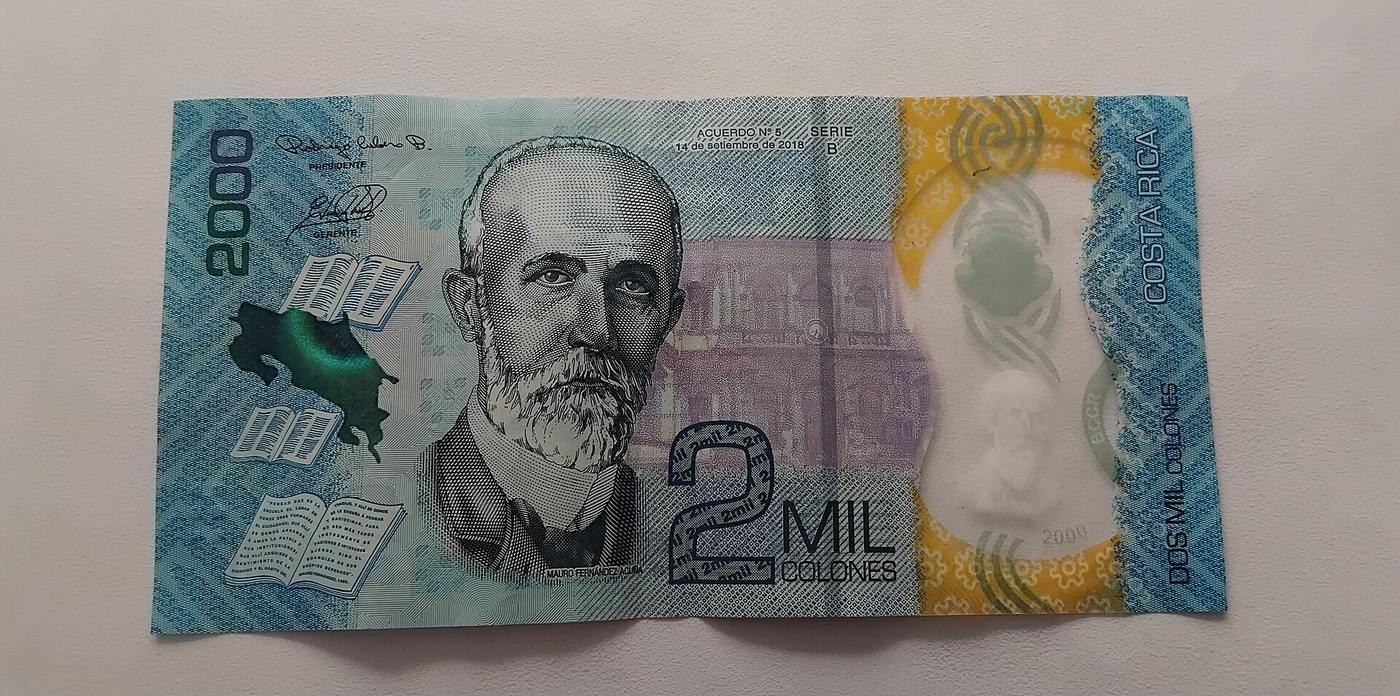
SINPE Móvil is the mobile transfer service built on SINPE, the national payments platform run by the Central Bank of Costa Rica. You link your phone number to a colones account, and anyone can send you money instantly using just that number. It works around the clock, every day of the year, and according to the Central Bank, outgoing transfers up to 100,000 colones per day are free, and you can receive up to 2,000,000 colones per month at no charge.
This is not a niche app. It is how you pay the gardener, split a restaurant bill, buy fruit at the feria, and settle with the guy who fixes your air conditioning. Around Coco, plenty of small vendors prefer SINPE Móvil to cash. Getting it activated should be one of your first errands after opening an account; any branch or banking app can set it up in minutes.
How do you move larger amounts into Costa Rica?
For big transfers, especially a property purchase, the standard route is an international wire. Two things matter here.
First, documentation. An incoming six-figure wire will trigger source-of-funds questions, so have your paper trail ready: the sale record of your home up north, brokerage statements, or whatever shows the money's history. Second, for real estate closings, funds normally flow through an escrow company registered with SUGEF rather than through your personal account. Your attorney will coordinate this, and it protects both sides of the transaction. We walk through the full closing process in our guide on how to buy a home in Costa Rica.
For smaller ongoing needs, many expats simply keep their home-country accounts and pull money over as needed, through wires, online transfer services, or ATM withdrawals. Compare costs for your own pattern of use; fees and exchange spreads differ by bank and service, so check current rates before committing to one channel.
Should you keep your US or Canadian bank account?
Yes. Almost everyone does, and we recommend it. Pensions, Social Security, credit cards, and online subscriptions are all easier to manage from a home-country account, and building credit history in Costa Rica takes years.
One important note for Americans: a Costa Rican account comes with reporting duties. If the combined value of your foreign accounts exceeds $10,000 at any point in the year, you must file an FBAR with FinCEN, separate from your tax return, as explained by the IRS. Costa Rican banks also report American account holders under FATCA, so the paperwork when opening an account will include US tax forms. None of this is difficult, but confirm the details with a cross-border accountant. We are not tax advisors, and this is one area where a professional earns their fee.
What does banking day to day actually look like here?
Easier than the setup, honestly. Once your accounts and SINPE Móvil are running, everyday banking in Costa Rica is simple: cards work almost everywhere, ATMs dispense both colones and dollars, and transfers land instantly. Keep some cash for the feria and the smallest sodas, keep your dollars and colones in separate accounts so you control when you convert, and treat any branch visit as an errand that might take an hour. Bring a book. This is part of the rhythm that retirees here learn to enjoy rather than fight.
If you are planning a move to the Coco or Ocotal area, we are happy to share what has worked for us and our owners, from banks to attorneys to escrow. Send us a message or browse our current property listings to see what your budget looks like on this coast.
Frequently asked questions
Can I open a bank account in Costa Rica as a tourist?
Sometimes. Some banks offer basic or simplified accounts that can be opened with a passport, but limits are low and policies vary by bank and branch. BAC, for example, asks non-residents for six months of continuous presence plus proof of a residency application in process. Full accounts generally require a DIMEX residency card, so ask each bank what is currently possible.
What is SINPE Móvil and do I need it?
SINPE Móvil is the Central Bank of Costa Rica's instant transfer service. You link your phone number to a colones account and send or receive money using phone numbers alone. Outgoing transfers up to 100,000 colones per day are free, and it runs 24 hours a day. Nearly everyone uses it, from gardeners to restaurants, so activate it as soon as you have an account.
Do Americans have to report Costa Rican bank accounts?
Yes. If the combined value of your foreign accounts exceeds $10,000 at any time during the year, you must file an FBAR electronically with FinCEN, separate from your tax return. Costa Rica also has a FATCA agreement with the US, so local banks collect US tax forms from American customers. Confirm your filings with a cross-border accountant.
Cover photo: Averyrandomperson67, CC BY-SA 4.0, via Wikimedia Commons · Photo: Plazadelcamino, CC BY-SA 4.0, via Wikimedia Commons