Building a Home in Guanacaste: Permits, Costs, and Timelines
A plain guide to the permits, per square meter costs, and realistic timelines for building on the Guanacaste coast.
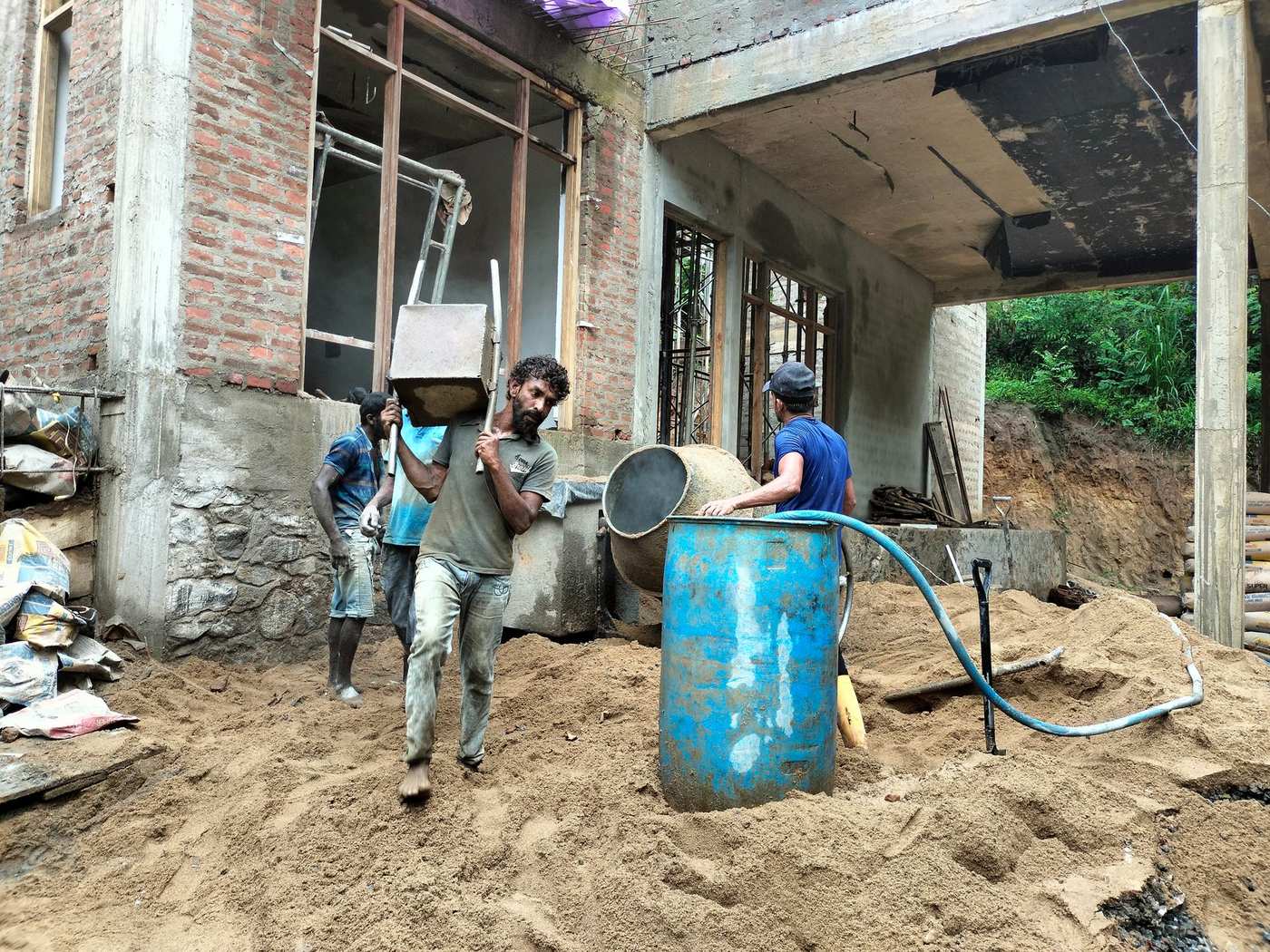
Building a house in Costa Rica means lining up a titled lot, a water availability letter, CFIA-stamped plans, and a municipal construction permit before you pour a single footing. In Guanacaste, published 2025 pricing runs from roughly $950 per square meter for basic construction to $3,000 or more for luxury turnkey builds, and the full journey usually takes 18 months or longer.
We sell lots and finished homes in Playas del Coco and Ocotal, and we watch clients go through this process every year. Some builds go smoothly. Others stall for months over one missing document. This guide walks through the permits, the real cost ranges, and the honest timelines, so you can decide whether building a house in Costa Rica is right for you.
What permits do you need to build a house in Costa Rica?
Costa Rica's permit system is more organized than many newcomers expect, and since 2013 most of it runs through a single digital platform. The main pieces, roughly in order:
- Uso de suelo (land use certificate). Issued by the municipality (for the Coco area, that is the Municipalidad de Carrillo). It confirms what you are allowed to build on that lot: residential, commercial, height limits, setbacks. Usually issued within one to two weeks.
- Water availability letter. A carta de disponibilidad de agua from AyA (the national water utility) or the local ASADA. More on this below, because it is the document that makes or breaks projects here.
- Environmental viability (SETENA), when required. Larger projects, generally those over 500 square meters of construction, and projects in environmentally sensitive areas or the maritime zone need approval from SETENA, the national environmental agency. Many single homes fall below the threshold, but your architect should confirm early because SETENA adds months when it applies.
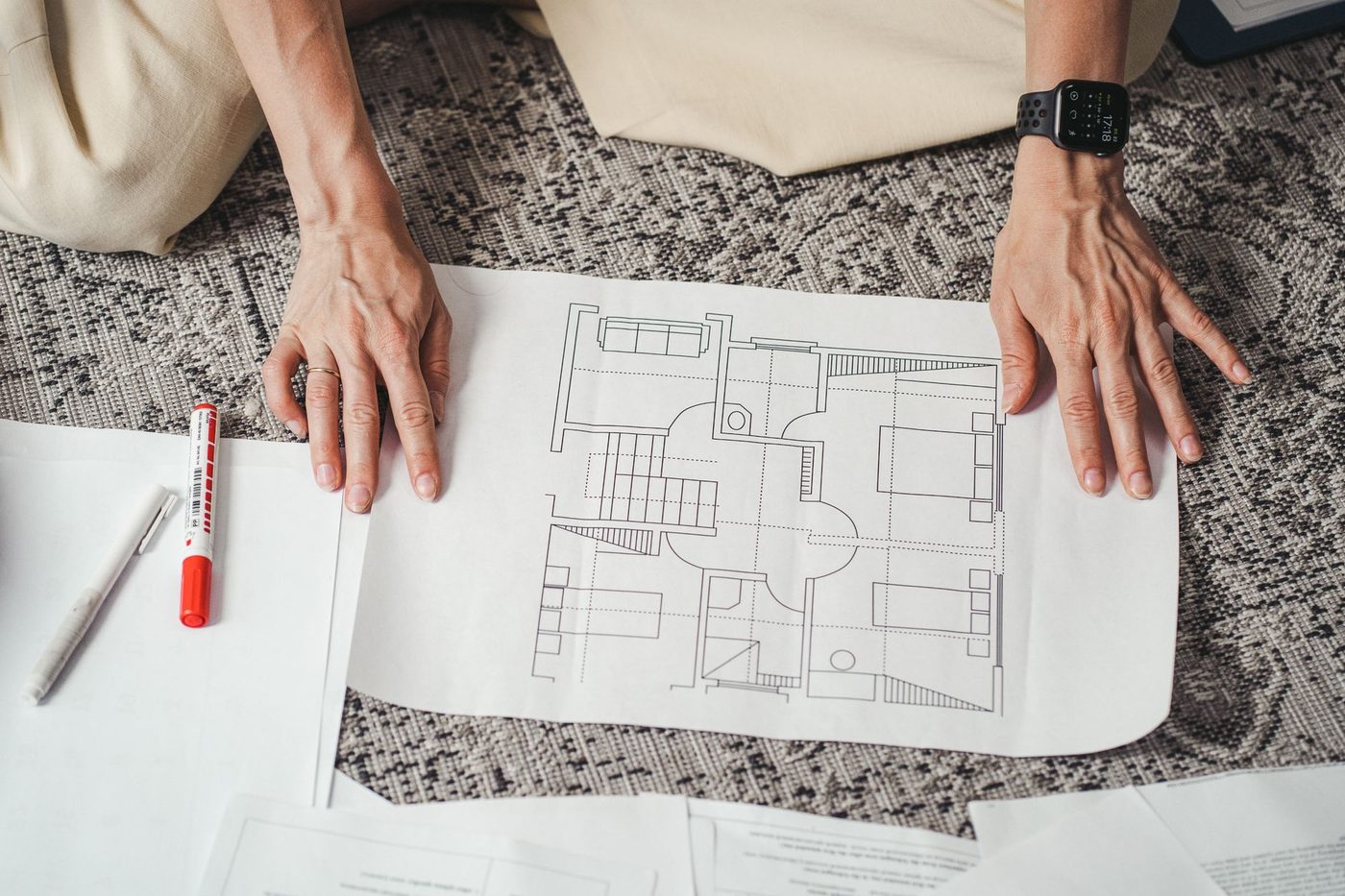
- CFIA plan registration. Your architect and engineers must be members of the CFIA, Costa Rica's federated college of engineers and architects. They upload the plans to the APC digital platform, where the CFIA reviews and stamps them. The CFIA charges a registration fee of about 0.265% of the project's assessed value, according to Costa Rican law firm Quatro Legal.
- Municipal construction permit. With stamped plans, the water letter, and proof of an INS workers' insurance policy, you apply to the municipality. The construction tax is 1% of the project's assessed value, and municipal review commonly takes four to six weeks.
None of this is a do-it-yourself exercise. A licensed architect or engineer handles the APC filing, and a good attorney checks that the lot itself is clean before you ever get this far. We covered that side in why hiring a good lawyer matters for property purchases.
Why is the water letter the document that decides everything?
In most of Costa Rica, water is an administrative formality. In coastal Guanacaste, it is the single most common reason a lot cannot be built on. This is a dry region, demand has grown fast, and some communities are served by small local ASADAs with limited capacity. A lot without a confirmed water source can sit unbuildable for years, no matter how beautiful the view is.
So our rule is simple: never buy a lot to build on without verifying water first. Ask for a current water availability letter, not an old one, and have your attorney confirm it during due diligence. Lots inside established developments (Coco Bay Estates is a good local example) usually have water resolved at the development level, which is a big part of what you are paying for compared with cheaper raw land outside town.
If the lot sits in the maritime zone rather than on titled land, the rules change again. Our guide to concession vs. titled properties explains that difference.
What does it cost per square meter to build in Guanacaste?
Here is the honest answer: published numbers vary widely, and the spread itself is the lesson. A 2025 national guide from Architect Engineer CR puts basic construction at roughly $950 to $1,300 per square meter, mid-range at $1,300 to $1,800, and high-end at $1,800 to $2,050. Coastal architecture firms quote higher turnkey figures for beach towns: Studio Octava's 2025 guide cites well-built custom homes at $220 to $300 per square foot, which works out to roughly $2,400 to $3,200 per square meter, with premium beach markets running higher still.
Why the gap? The lower figures tend to describe simple construction with local finishes, while turnkey coastal quotes include imported fixtures, pools, air conditioning throughout, and the logistics premium of building near the beach. Guanacaste adds real costs: materials trucked in from the Central Valley, skilled crews in high demand, and lots that often need retaining walls or long driveways on hillside terrain.
Our advice is to treat anything under $1,200 per square meter with suspicion for a coastal build, get itemized quotes from two or three local builders, and compare what each quote actually includes. Site work, the pool, and the water and electrical hookups are the items most often left out of a headline price.
What other costs should you budget beyond construction?
- Design and engineering: plan on roughly 6% to 15% of construction cost for the architect and engineers, depending on how custom the design is.
- Permit fees: about 1% of assessed value to the municipality plus about 0.265% to the CFIA.
- INS workers' insurance: the mandatory policy covering construction workers runs approximately 1.17% of assessed value.
- Studies: topographic survey, soil study, and (if required) SETENA filings.
- Site preparation: grading, retaining walls, and access. On sloped ocean-view lots this can be a significant line item, not a rounding error.
- Furnishing: commonly 10% to 20% of the project budget if you are outfitting a rental-ready home.
Add a contingency of at least 10%. Every build has surprises, and the exchange rate and material prices move.
How long does building a house in Costa Rica really take?
Plan in three phases. Design and studies typically run two to four months for a custom home. Permitting, from uso de suelo through the municipal permit, commonly takes three to four months when the documents are clean, and six to nine months for complex or coastal projects, per Costa Rican architecture firm Segura Studio. Construction itself runs anywhere from 8 months for a modest home to two years for a large custom build.
Realistically, from buying a lot to moving in, most custom homes here take 18 to 30 months. Anyone promising a fully permitted custom home in under a year is either building something very simple or skipping steps you will pay for later.
Should you build, or buy a finished home instead?
Building wins on customization and can win on cost per square meter if you manage it well. But it demands patience, a trusted local team, and tolerance for delays. Buying finished means you can see exactly what you get, close in a couple of months, and start renting the home immediately if income matters to you. There is also a middle path: pre-construction homes in established developments, where the developer carries the permit risk and you lock a price before completion.
If you are new to the market, start with our overview of how to buy a home in Costa Rica, because the lot purchase follows the same legal process as any property purchase.
We currently have buildable lots in and around Playas del Coco, Ocotal, and Sardinal, including lots with plans and water already in place, alongside new construction and finished homes. Browse our current listings, or send us a message and we will tell you frankly which lots we would build on and which we would walk past.
Frequently asked questions
How much does it cost to build a house in Guanacaste, Costa Rica?
Published 2025 ranges run from about $950 to $1,300 per square meter for basic construction up to $2,400 to $3,200 or more for high-end turnkey coastal homes. Beach locations cost more than the Central Valley because of material transport, crew demand, and hillside site work. Get itemized quotes from two or three local builders before budgeting.
Do I need a water letter before building in Costa Rica?
Yes. The municipality will not issue a construction permit without a water availability letter from AyA or the local ASADA. In dry coastal Guanacaste this is often the hardest document to obtain, and some lots cannot get one at all. Verify water availability during due diligence, before you buy the lot, not after.
How long does it take to get a construction permit in Costa Rica?
For a straightforward home, the full permitting path (land use certificate, water letter, CFIA plan stamping through the APC platform, and the municipal permit) commonly takes three to four months. Complex or coastal projects that need SETENA environmental approval can take six to nine months. Construction itself then runs roughly 8 to 24 months.
Cover photo: Darshana Ratnayake, Pexels · Photo: SHVETS production, Pexels