7 Guanacaste Festivals Worth Planning Your Trip Around
Seven fiestas across Guanacaste, with dates, what to expect, and how we plan around them from Playas del Coco.
The Guanacaste festivals most worth planning a trip around are the Fiestas Típicas Nacionales in Santa Cruz each January, Liberia's civic fiestas in late February, the Virgen del Mar boat parade in Playas del Coco and Expo Liberia in July, Guanacaste Day on July 25, and Nicoya's Pica de Leña and Fiesta de la Yegüita late in the year.
We live in Playas del Coco, and fiesta season shapes our calendar the way ski season shapes a mountain town. The recipe is similar everywhere: a tope (horse parade) at midday, marimba music into the night, bull riding in a wooden ring, fried food, and early morning bands that do not care whether you were sleeping. Each town adds its own flavor. Here are the seven Guanacaste festivals we would actually build a trip around, in calendar order.
1. Fiestas Típicas Nacionales de Santa Cruz (mid-January)
Santa Cruz is Costa Rica's folklore city, and its January fiestas honoring the Santo Cristo de Esquipulas are the most traditional party in the province. In 2026 the main days ran January 14 to 18, opening with a procession that carries the Cristo into town. After that it barely stops: marimba in the streets from early afternoon until midnight, a tope de toros at noon each day, and bull riding every afternoon around Bernabela Ramos Park. Locals call the park the biggest dance floor in Costa Rica, and after one evening there we will not argue.
Honest note: mid-January in Santa Cruz is hot, dusty, and loud. Go for a full day and evening, dance, eat, and drive home tired. That is the correct way to do it.
2. Fiestas Cívicas de Liberia (late February to early March)
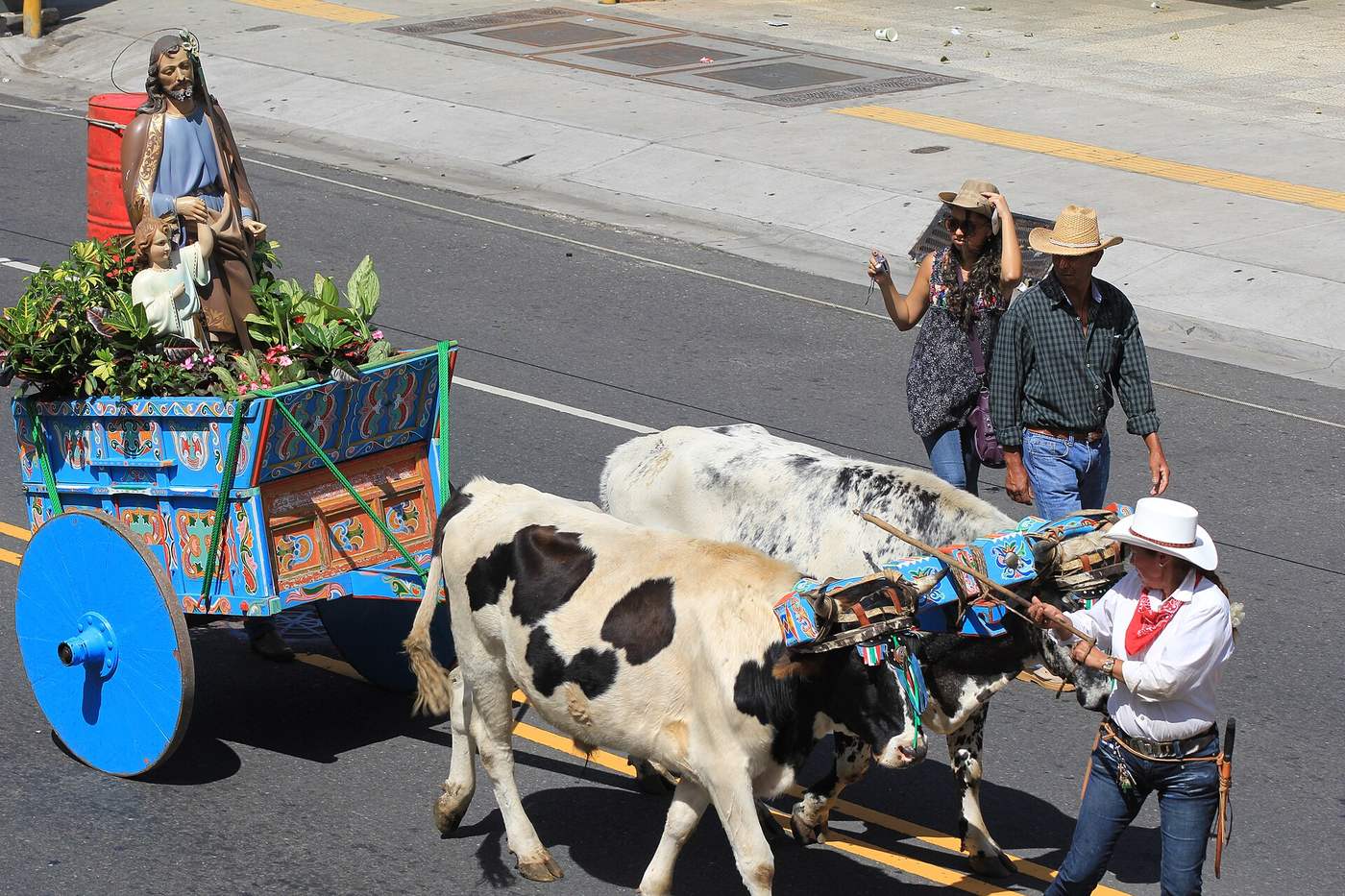
Liberia, the provincial capital, throws the longest fiesta on this list. The 2026 edition ran from February 24 to March 8, nearly two weeks of daily bull parades at noon, montaderas (bull riding) in the afternoons, and neighborhood wake-up serenades called dianas that start at 5:00 a.m. The Desfile de Tradiciones, a parade of oxcarts, folk dancers, and marimbas, is the single best event for visitors who want photographs rather than a hangover. Liberia is the easiest fiesta to reach from the Coco area, and you can pick one day of the program rather than committing to the whole run.
3. Fiesta de la Virgen del Mar in Playas del Coco (mid-July)
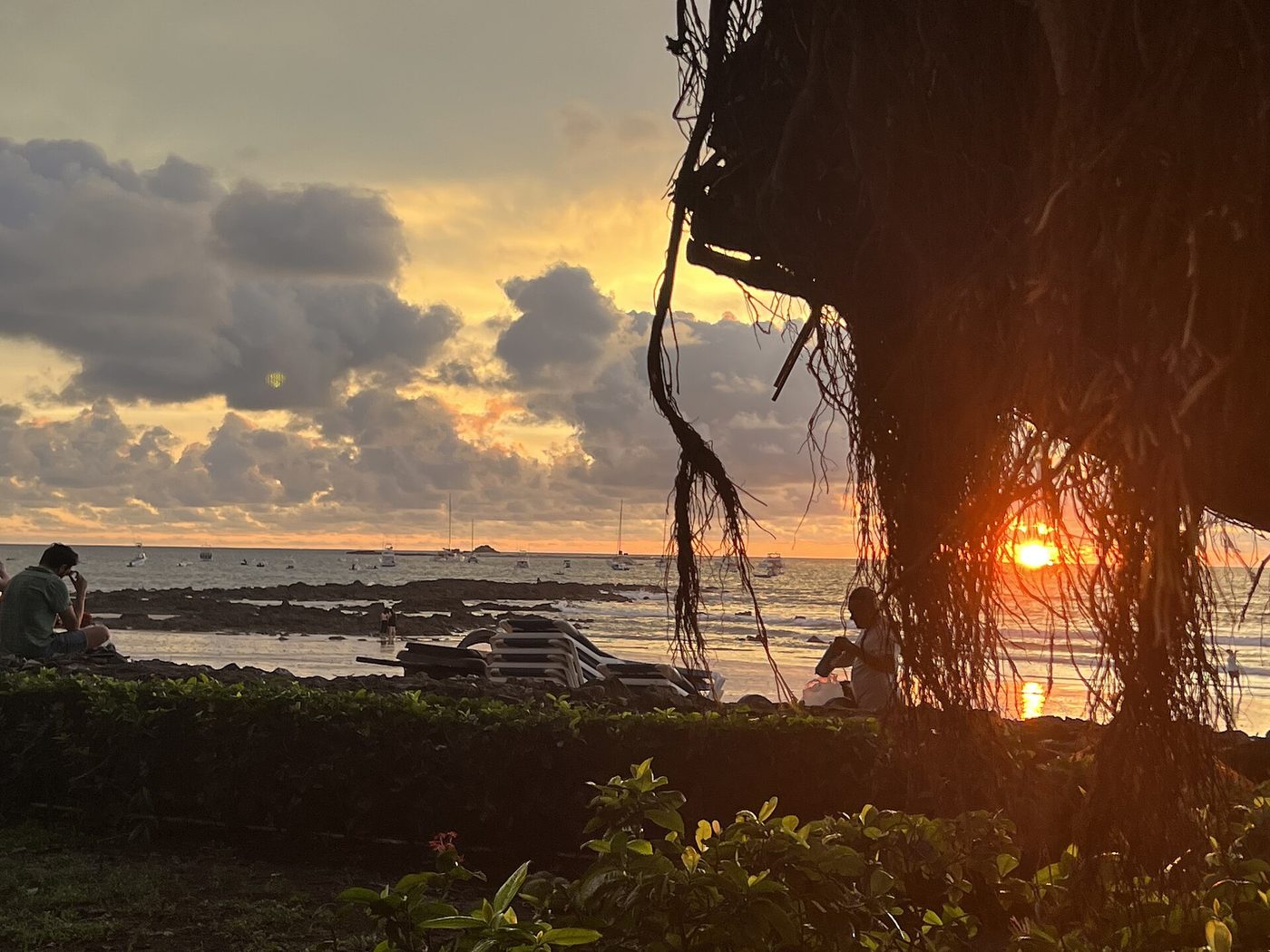
This one is ours. In mid-July, around the feast of the Virgen del Carmen, patron of fishermen, Coco's fishing fleet decorates its boats with flags and balloons and carries the Virgin's image across the bay in a flotilla, with music, fireworks, and a beach party to follow. Puntarenas hosts the famous national version on the Saturday closest to July 16, a tradition dating to 1913, and Coco's is smaller and more local, which is exactly why we like it. If you are staying in Playas del Coco that week, you do not need a plan. Walk to the beach and the fiesta finds you.
4. Expo Liberia (mid-to-late July)
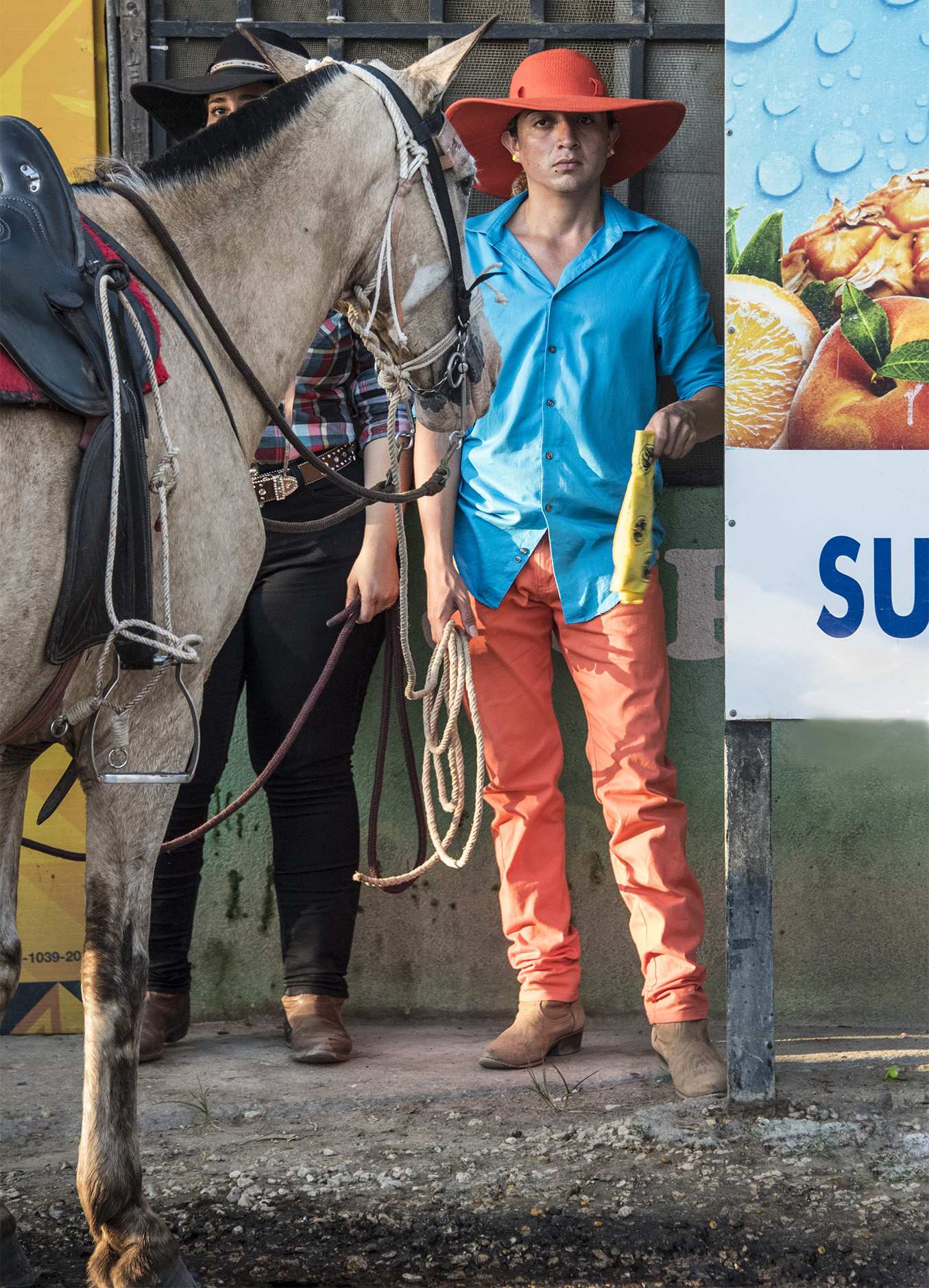
Expo Liberia is Guanacaste's big cattle fair, and it leans hard into the province's ranching roots. The 2026 edition ran July 17 to 26 with Brahman and other cattle judging, an international rodeo with riders from six countries, nightly concerts, and a children's farm area that makes it the most family-friendly entry on this list. The highlight for most visitors is the Desfile de Caballistas La Anexión, a huge horse parade held on July 25 to mark the annexation. If you want to understand why the sabanero (the Guanacaste cowboy) still matters here, this is the place.
5. Guanacaste Day (July 25)
July 25 is a national holiday marking the day in 1824 when the Partido de Nicoya voted to join Costa Rica rather than Nicaragua, a decision summed up in the province's motto about being Costa Rican by choice. The story behind the annexation involves a referendum among the towns, with Nicoya and Santa Cruz in favor and Liberia opposed. Today the whole province celebrates with civic parades, folk dancing, marimba, and traditional food, with the biggest events in Liberia and Nicoya. We wrote a full post on why expats love Guanacaste Day if you want the deeper history and the food to look for.
6. La Pica de Leña in Nicoya (November)
The least touristy event on this list, and maybe the most memorable. Each November, families from Nicoya ride out to a ranch to cut and gather the firewood that will cook the food for December's Guadalupe festivities, then haul it back to town in decorated oxcarts. It is a workday disguised as a party, organized by the cofradía, the religious brotherhood that has run Nicoya's Guadalupe traditions for generations. There is no ticket booth and no schedule printed in English. Ask locally for the date, show up, and you will see a side of Guanacaste most visitors never do.
7. Fiesta de la Yegüita in Nicoya (December 12)
Every December 12, Nicoya celebrates the Virgen de Guadalupe with a festival that blends Catholic devotion and Chorotega indigenous tradition. The centerpiece is the dance of la Yegüita, the little mare. Legend says that in 1653 a small black mare appeared from nowhere to separate two brothers fighting over a woman, an intervention the Chorotega credited to the Virgin. The mare figure dances through the streets beside a morning Mass and a procession you will hear before you see, thanks to the aerial bombs that mark its route. Pair it with an early December trip and you can catch the start of Costa Rica's Christmas season in the same week.
How do you plan a trip around these fiestas?
Three practical points. First, dates move. Guanacaste festivals are scheduled by each municipality or cofradía and announced a few months out, so confirm the current year's program before booking flights. Second, think about weather. The January and February fiestas fall in the heart of the dry season, when Guanacaste is sunny, windy, and busiest; the July events land in the green season's mid-year sunny spell. Our guide to the best time to visit Costa Rica covers the tradeoffs. Third, book lodging early for January and February. Fiesta crowds and high season overlap, and the good places go first.
One more honest note: bull events are central to Guanacaste fiestas, and the bulls are ridden and dodged, not harmed, but rodeo is not for everyone. Skip the ring and you still get the topes, the food, the marimba, and the dancing, which is most of the fun anyway.
All seven of these festivals sit within an easy drive of Playas del Coco, which is one more reason we think Coco makes the best base in the province. If you want to time a stay around a fiesta, browse our vacation rentals or send us a message on WhatsApp and we will point you to the right week. Expat Properties | CR manages 60+ rentals in Coco and Ocotal, and yes, we will tell you which ones are far enough from the fireworks to sleep.
Frequently asked questions
What is a tope in Costa Rica?
A tope is a horse parade, one of the signature events of Costa Rican fiestas. Riders in sabanero gear show off high-stepping horses through the center of town, usually with music and food stands along the route. During their civic fiestas, Santa Cruz and Liberia hold a bull parade at noon every day, and Expo Liberia's July 25 horse parade is among the largest in Guanacaste.
When are the biggest Guanacaste festivals?
The Santa Cruz fiestas run in mid-January and Liberia's civic fiestas run from late February into early March. July stacks three events: the Virgen del Mar boat parade in mid-July, Expo Liberia, and Guanacaste Day on July 25. Nicoya's Pica de Leña follows in November and the Fiesta de la Yegüita falls on December 12. Exact dates shift each year, so check the current program.
Are Guanacaste fiestas family friendly for visiting tourists?
Mostly yes. Daytime parades, folk dancing, food stands, and marimba music are free and welcoming to families, and Expo Liberia has a dedicated children's farm area. Bull riding events and some late-night concerts are adult oriented, and a few headline shows are ticketed and restricted to 18 and over. Expect heat, crowds, and noise, and bring cash for food and parking.
Cover photo: Gillfoto, CC BY-SA 4.0, via Wikimedia Commons · Photo: Jmillan325, CC BY-SA 4.0, via Wikimedia Commons