
A Day in the Life: Retired in Playas del Coco
An honest walk through a typical retired day in Coco, drawn from the owners and neighbors we see every week.
When you retire in Playas del Coco, mornings start early, coffee happens on the terrace, and the day is built around a walkable beach town with real services. Sunsets arrive between about 5:15 and 6:00 all year, the international airport is about 30 minutes away, and Ticos and expats genuinely mix. Here is what an ordinary day looks like.
One honest note before we start. This is not the story of one named client. We do not publish anyone's private life without permission, and we do not invent quotes. What follows is a composite day, drawn from the retired owners, guests, and neighbors we spend time with every week in Coco and Ocotal. The details are real. The person is all of them at once.
What does a retired morning in Coco look like?
It starts earlier than you might expect. This close to the equator, daylight barely shifts through the year, and the sun rises between about 5:15 and 6:00 every month. Retirees here tend to lean into that rhythm instead of fighting it. Coffee gets made while the howler monkeys finish their morning racket, and by 6:30 the beach is already busy with walkers and dogs.
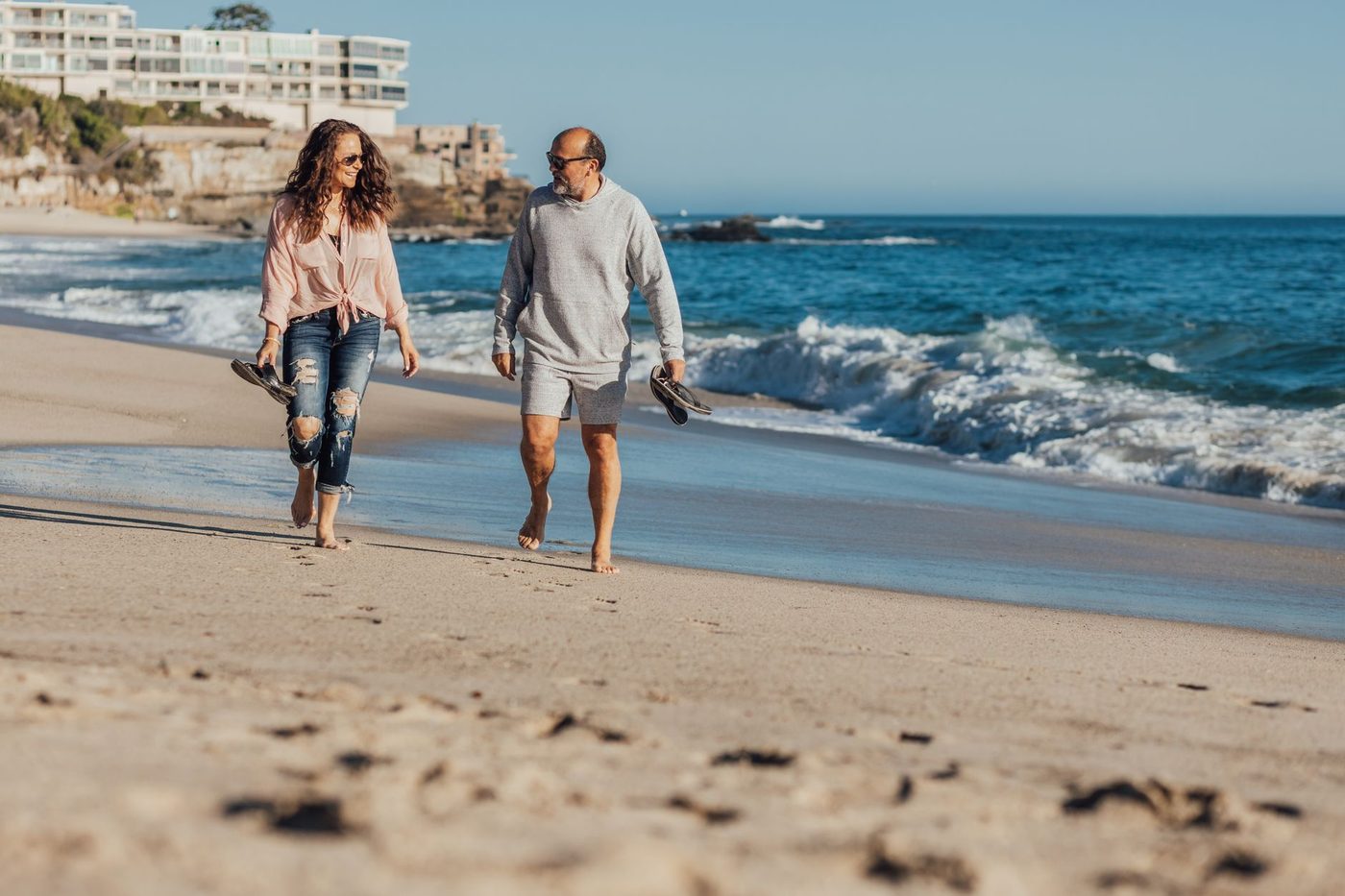
The morning beach walk is close to a ritual in this town. The main beach runs in a long curve past the boardwalk and the fishing boats, and at that hour it belongs to residents, not tourists. People stop and talk. You learn names fast. Within a few months, a walk that should take forty minutes takes ninety, because you know half the people you pass.
After the walk comes the errand loop, and this is where Coco quietly beats the postcard towns. There are supermarkets, banks, pharmacies, hardware stores, dentists, and veterinarians in town. You can do a full week of errands on foot or in a five minute drive. Many of the retirees we know go days without touching their car. If you want a bigger shopping run, Liberia and its large stores are about 45 minutes away by car.
What do retirees actually do all day?
The honest answer: less than they planned, and they are happy about it. But the days are not empty. A few patterns we see over and over among the retirees around us:
- Water first. Swimming, snorkeling trips out of the bay, fishing charters, and boat days to nearby beaches. The ocean is the main event here, and it stays warm all year.
- A standing social calendar. Breakfast groups, card games, beach exercise groups, and volunteer projects. Coco has a large enough year-round community that you can be as social or as private as you want.
- Spanish classes. The retirees who commit to even basic Spanish consistently tell us their life here got richer. Coco is a real Tico town underneath the tourism, and the language opens it up.
- Projects. Gardens, home improvements, helping at animal rescues, mentoring, small business ideas. Nobody we know actually stopped doing things. They just stopped commuting.
Lunch is often the main meal out. A casado at a local soda costs a fraction of what dinner at a tourist restaurant costs, and plenty of retirees here eat like Ticos at noon and keep dinner light at home. It is one of the simplest ways to keep a Costa Rica budget under control without feeling like you are sacrificing anything.
What are afternoons and evenings like?
Afternoons slow down, especially in dry season when the heat peaks. This is pool time, hammock time, reading time, nap time. Nobody schedules anything important for 2:00 in the afternoon, and after a few months neither will you.
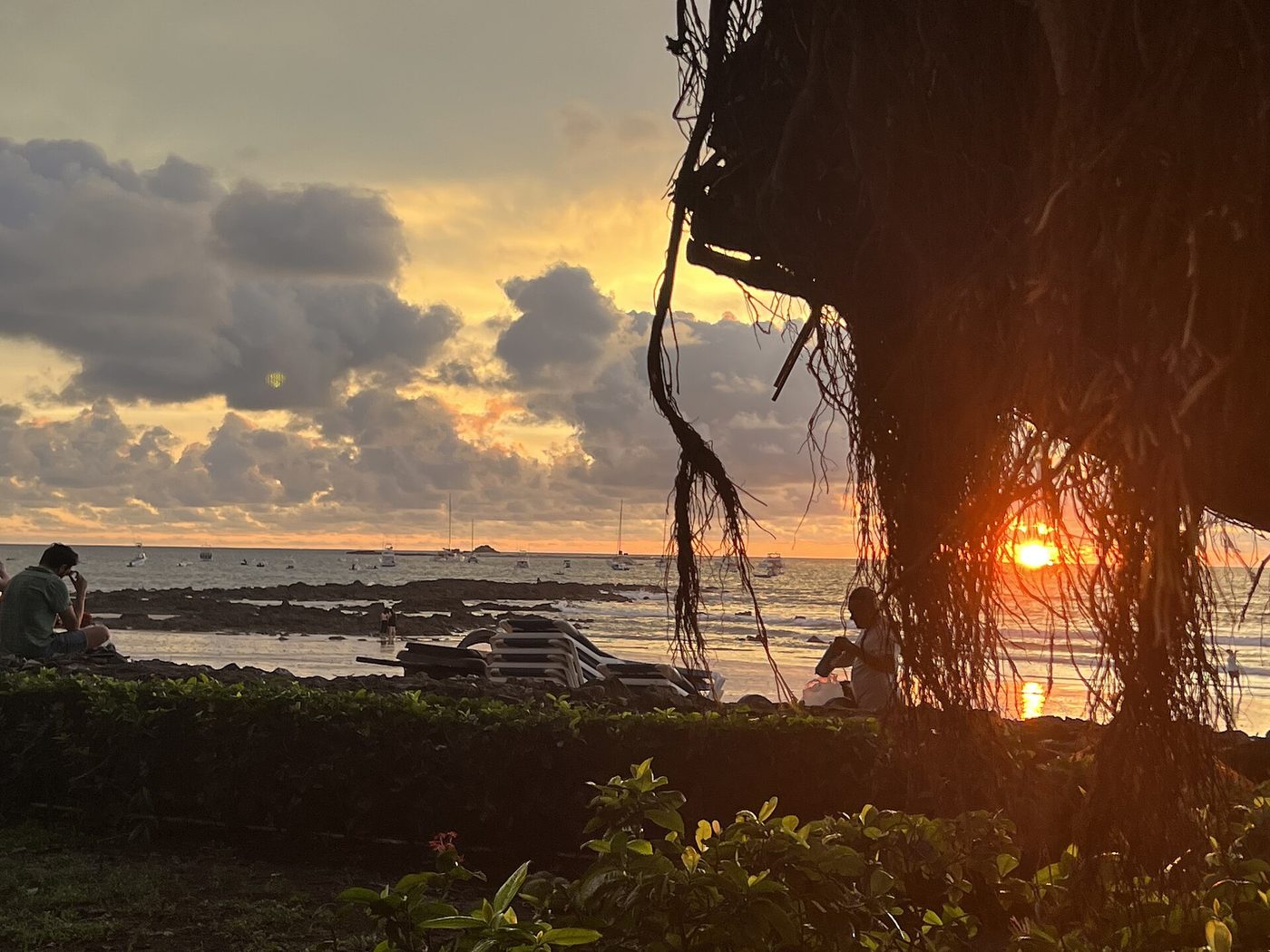
Then comes the part of the day the whole town organizes itself around: sunset. Because Costa Rica sits so close to the equator, the sun goes down between roughly 5:15 and 6:00 every single day of the year. There is no long summer evening and no dark winter afternoon. People walk down to the beach, drinks get poured, and for twenty minutes everyone faces the same direction. It sounds like a cliche until it is your daily routine, and then it is just the best part of the day.
Evenings are early by North American standards. Dinner out a couple of nights a week, live music somewhere in town most weekends, and lights out at an hour that would have embarrassed you back home. When the sun has been up since before 6:00, a 9:30 bedtime feels earned.
What about healthcare and the practical stuff?
This matters more than the sunsets, so here is the plain version. Coco itself has private clinics, pharmacies, dentists, and labs in town. For bigger needs, Liberia is about 45 minutes away by car and has both public and private hospital options. And the whole region hangs off Liberia's Guanacaste Airport (LIR), which is roughly 23 kilometers, about a 30 minute drive from Coco on paved roads, with direct flights to the US and Canada. For visiting grandchildren, that airport is the single most underrated feature of choosing to retire in Playas del Coco.
Legal residents are also able to enroll in the Caja, Costa Rica's public healthcare system, and pay monthly contributions based on income. Most retirees we know use a mix: the Caja for coverage, private care in Coco or Liberia when they want speed. Talk to a licensed professional about your own situation, because the right mix depends on your health and your budget.
Do you need residency to retire in Playas del Coco?
You do not need residency to buy property here, but most people who settle in long term apply for it. The classic route for retirees is the pensionado category. According to the immigration firm Fragomen's summary of the current rules, it requires a lifetime pension of at least US$1,000 per month, is granted in renewable two year periods, allows enrollment in the public healthcare system, and does not permit local employment. Requirements and incentives change, so confirm the current details with a licensed Costa Rican immigration attorney before you plan around them. We wrote a broader overview of the options in our guide to visas in Costa Rica, and a deeper look at the retirement decision itself in retiring in Costa Rica.
What is retired life in Coco not?
We live here, so we will tell you the other side. Coco is a lively working beach town, not a gated resort or a sleepy village. High season brings traffic and crowds, and the town has bars that stay loud on weekends. Dry season, roughly December through April, is hot and brown, not lush and green. If your dream is total seclusion, Coco will feel busy, and you may be happier looking at quieter corners nearby like Ocotal. We compared the personalities of the local beach towns in this honest breakdown.
What Coco gives you in exchange is the thing retirees underestimate until they arrive: convenience and community. Errands on foot. Neighbors who know you. A real town that functions in September, not just in February.
How do you find out if this life fits you?
Rent first. Come for a month in high season and a month in green season, live the routine above, and see how it sits. We manage 60+ vacation rentals in Coco and Ocotal, so we watch people run exactly this experiment every year, and the ones who rent first almost always make better decisions about where and whether to buy.
If the day we just described sounds like your day, we are easy to find. Browse our current homes and condos for sale, or send us a note and tell us what your retirement in Playas del Coco needs to look like. We will give you straight answers, including the ones that are not a sales pitch.
Ready to see what is on the market? Explore our homes, condos and lots in Playas del Coco, every one walked in person by our team.
Frequently asked questions
How much income do I need to retire in Costa Rica as a pensionado?
The pensionado residency category requires proof of a lifetime pension of at least US$1,000 per month, according to immigration firm Fragomen's summary of the current rules. It is granted in renewable two year periods and allows enrollment in the public healthcare system. Requirements change, so confirm the details with a licensed Costa Rican immigration attorney before applying.
How far is Playas del Coco from the Liberia airport?
Playas del Coco sits about 23 kilometers from Guanacaste Airport (LIR) in Liberia, roughly a 30 minute drive on fully paved roads. The airport has direct flights to many US and Canadian cities, which makes visits from family and trips home far easier than in most Costa Rican beach towns.
Is Playas del Coco a good place to retire?
It fits retirees who want a walkable town with real services: supermarkets, banks, pharmacies, clinics, and a large year-round expat and Tico community. It is not a quiet, secluded village, and dry season is hot and brown. Renting for a month in each season is the most reliable way to find out if it fits you.
Cover photo: PoeXinia, CC0, via Wikimedia Commons · Photo: Kindel Media, Pexels