Costa Rica's Digital Nomad Visa: Requirements and Reality
What the remote work visa really requires, what applying is like in practice, and when a 180 day tourist stay is the smarter choice.
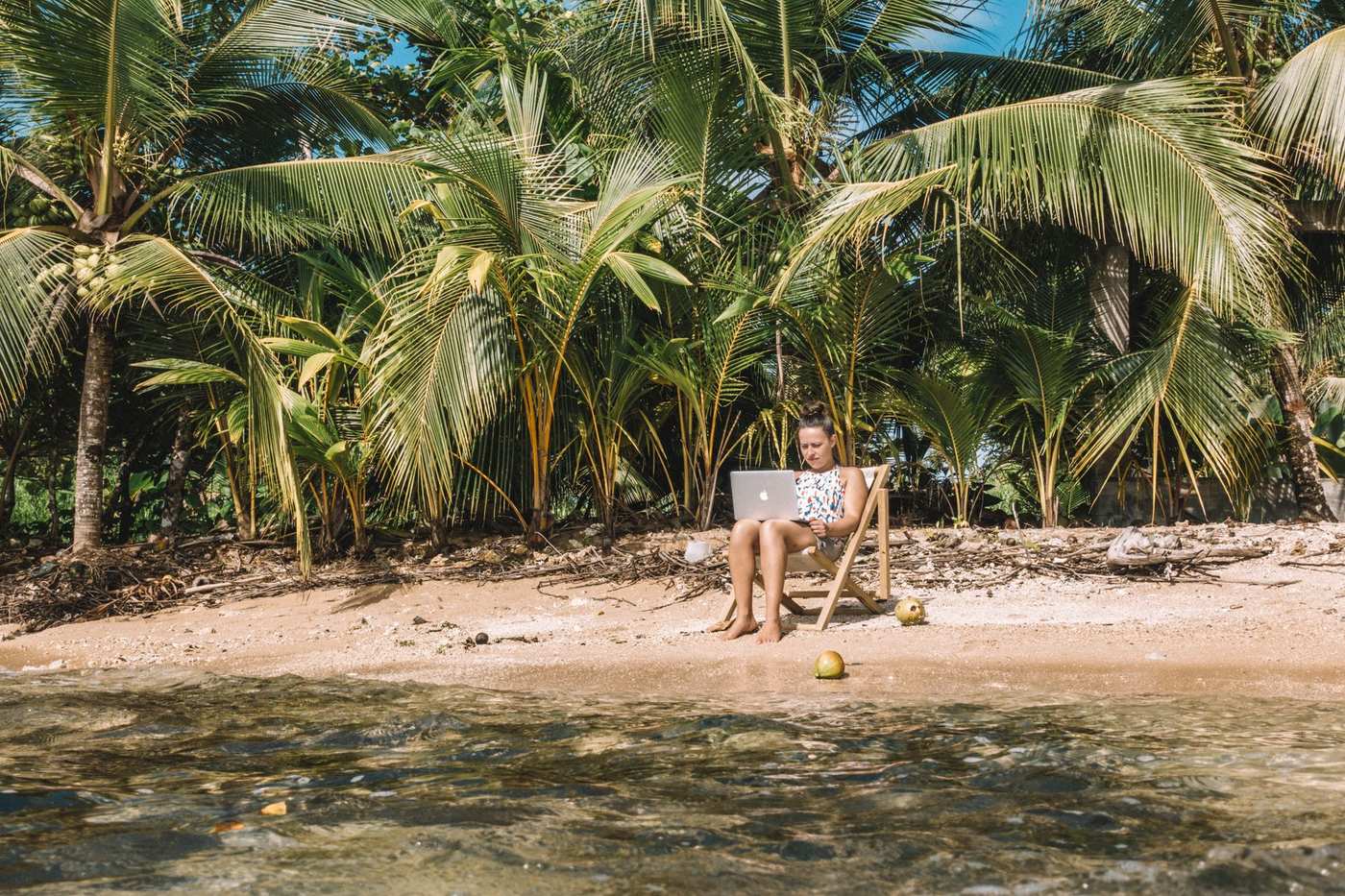
Costa Rica's digital nomad visa gives remote workers a legal one year stay, renewable for a second year, if you can show at least US$3,000 a month in stable foreign income. You apply online, prove health insurance with US$50,000 in coverage, and pay about US$100 in government deposits. Approved applicants pay no Costa Rican income tax on foreign earnings.
That is the short version. The longer version involves a government web platform with some rough edges, documents translated into Spanish, and a real question worth asking before you start: now that tourists can stay up to 180 days, do you need the visa at all? We live and work in Playas del Coco, we host remote workers in our rentals every green season, and this is the honest picture.
What is Costa Rica's digital nomad visa, exactly?
It is not a residency. It is a special stay category (an "estancia" in immigration terms) created for remote workers and remote service providers whose income comes from outside Costa Rica. The law behind it, Law 10008, was signed in August 2021, and the regulations that made it usable followed in mid 2022. The program is run by the immigration department (DGME) and promoted by the Costa Rica Tourism Board, which keeps an official page with the current rules and FAQs.
The core idea is simple: you keep your foreign job or clients, you bring your income with you, and Costa Rica gives you a year of legal stay plus some meaningful perks in exchange. You cannot use it to take a job with a Costa Rican company. The category exists to attract money from outside, not to add competition to the local labor market.
What are the requirements in 2026?
- Income. A stable net income of at least US$3,000 per month for a solo applicant, proven with bank statements. Apply with a spouse or dependents and the bar rises: the law set the family figure at US$4,000, while the Tourism Board's current page lists US$5,000 for families. Official sources disagree on that number, so confirm the current threshold before you file.
- Health insurance. A policy that covers you for the entire authorized stay, with at least US$50,000 in coverage. It can be an international policy or one from a Costa Rican insurer. Dependents need coverage too.
- Government deposit. US$100 per applicant, paid to a specific Banco de Costa Rica account. Expect a few other small deposits along the way during registration.
- Spanish documents. Anything not in Spanish must be translated by an official translator or a notary with knowledge of the language.
- A clean, complete application. Filed online through the Tramite Ya platform. No lawyer is required, and the process was designed for applicants to handle themselves.
We are not attorneys and this is not legal advice. Requirements shift, and the family income figure is a live example, so have a licensed Costa Rican immigration attorney or the official sources confirm the details before you commit.
What do you get in return?
The benefits are better than most people expect from a one page visa program:
- Twelve months of legal stay, renewable for twelve more if you spent at least 180 days in Costa Rica during the first year.
- No Costa Rican income tax on your foreign earnings while you hold the status. Your home country may still tax you, so talk to an accountant who handles expat returns.
- Your home country driver's license stays valid for the length of the stay.
- The right to open a savings account with a Costa Rican bank, which normally requires residency.
- A customs exemption for the laptops, cameras, and telecom equipment you need for work, with conditions.
What is the application actually like?
This is where marketing and reality part ways a little. The application runs through the government's online platform, and the immigration department has about two weeks to respond to the initial filing. After approval you enter the country and have three months to finish the process: an in-person appointment for biometrics, then picking up your card.
A first-person account published by The Tico Times matches what we have heard from guests who went through it. The platform works, but parts of it are only in Spanish, the help line is Spanish only, and some form fields demand documents (like apostilles) that are not actually required. That applicant went from first filing to card in hand in about two months, and spent a few hundred dollars total on deposits, a notary, and translations. Her advice holds up: gather every document before you start, expect short deadlines once your file is accepted, and ask someone who has done it.
Do you even need the visa? The 180 day reality
Here is the honest part most visa guides skip. Since late 2023, visitors from visa-exempt countries (including the United States, Canada, and most of Europe) can receive up to 180 days on a simple tourist entry. We covered the change when it happened in our post on Costa Rica's 180 day tourist stay. A remote worker who spends four or five months a year in Guanacaste may never need anything more than that.
The digital nomad visa earns its paperwork when one or more of these apply to you:
- You want to stay longer than six months without leaving.
- You want two years of certainty instead of counting days at the border.
- You want a Costa Rican bank account, which makes local rent, utilities, and transfers easier.
- You want written confirmation that your foreign income is not taxed here.
- You are testing the waters before a bigger move.
One more honest note: the nomad category is a stay, not a path. If your long game is permanent residency, ask an immigration attorney whether a rentista or investor category fits you better from the start.
Is Playas del Coco a good base for remote work?
We think so, with caveats. Coco is a working beach town, not a coworking hub like Santa Teresa. What it offers instead: fiber internet in town, Starlink as backup in the hills, a real supermarket, a short drive to Liberia's international airport, and time zones that line up with North American work hours. We wrote up the practical details, providers, and dead zones in our guide to internet in Coco, and the lifestyle side in our post on the digital nomad lifestyle.
The rental market here fits the visa's rhythm, too. High season books up months ahead, but green season (May through November) is when monthly stays get interesting: quieter town, greener hills, and owners who welcome longer bookings. Many of the 60+ vacation rentals we manage in Coco and Ocotal host remote workers for exactly that stretch of the year.
If you are thinking about trying a season here before you commit to anything bigger, browse our rentals in Coco and Ocotal or send us a message. Expat Properties | CR is a small local team, we answer on WhatsApp, and we are happy to tell you which units have the desk, the fiber connection, and the quiet room for calls.
Frequently asked questions
How much income do I need for Costa Rica's digital nomad visa?
A solo applicant must show a stable net income of at least US$3,000 per month, proven with bank statements. Applying with family raises the threshold: the law set US$4,000 for a family group, while the Tourism Board's page currently lists US$5,000. Confirm the current figure with the official sources or an immigration attorney before filing.
Do digital nomads pay income tax in Costa Rica?
No. Income earned from foreign employers or clients is exempt from Costa Rican income tax while you hold digital nomad status. The exemption only covers income that originates outside Costa Rica, and it does not change what you owe in your home country, so review your situation with an accountant who handles expat taxes.
Can the Costa Rica digital nomad visa be renewed?
Yes, once. The initial grant is twelve months, and you can extend it for twelve more if you spent at least 180 days in Costa Rica during the first year. After the second year ends, you would need to switch to a residency category, such as rentista, or return to regular tourist entries.
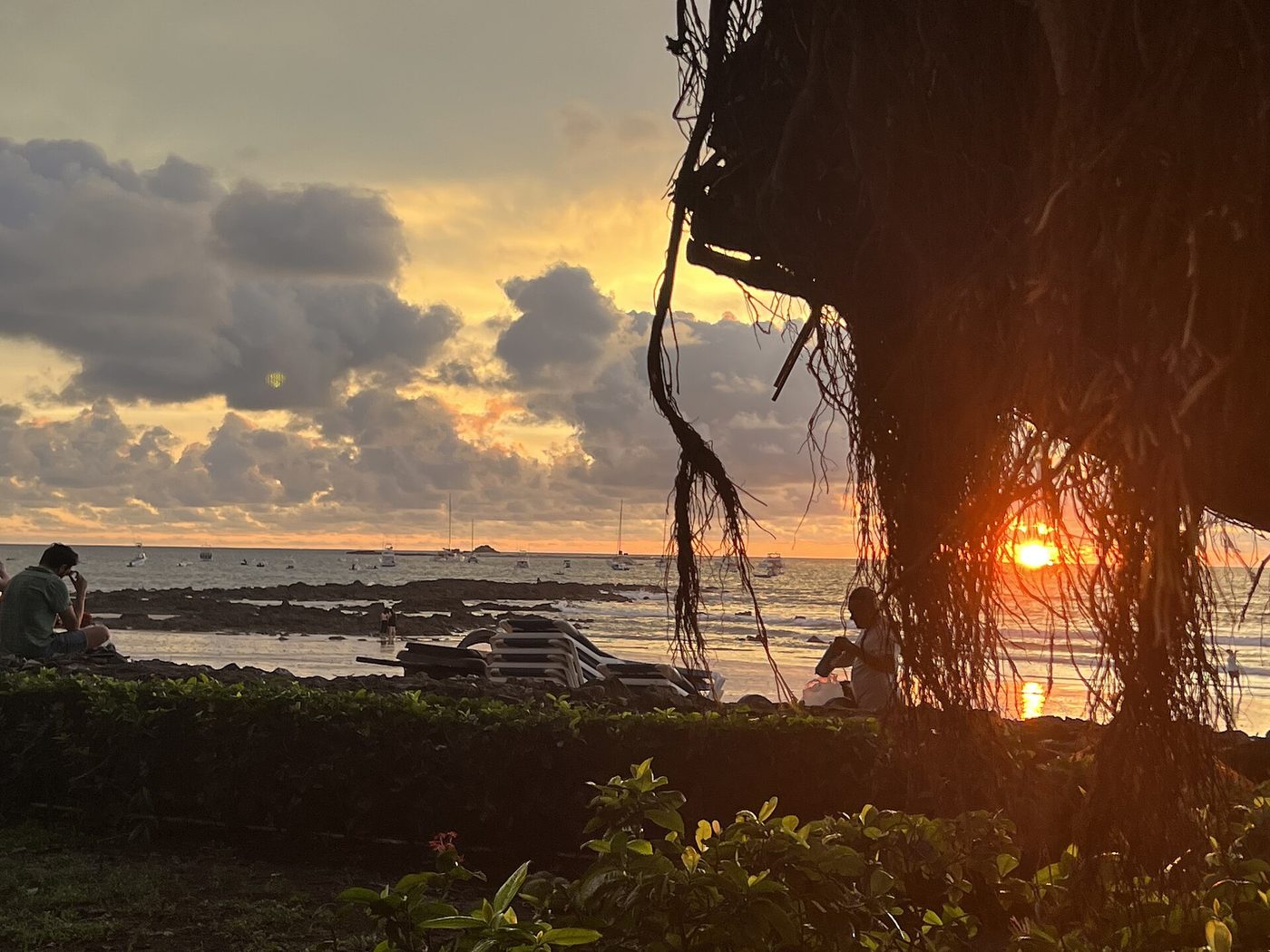
Cover photo: Christine Johnson, Pexels · Photo: Hughblaisdell, CC0, via Wikimedia Commons