
Embracing the Digital Nomad Lifestyle in Costa Rica
What remote work in Playas del Coco really looks like, from two people who made the jump.
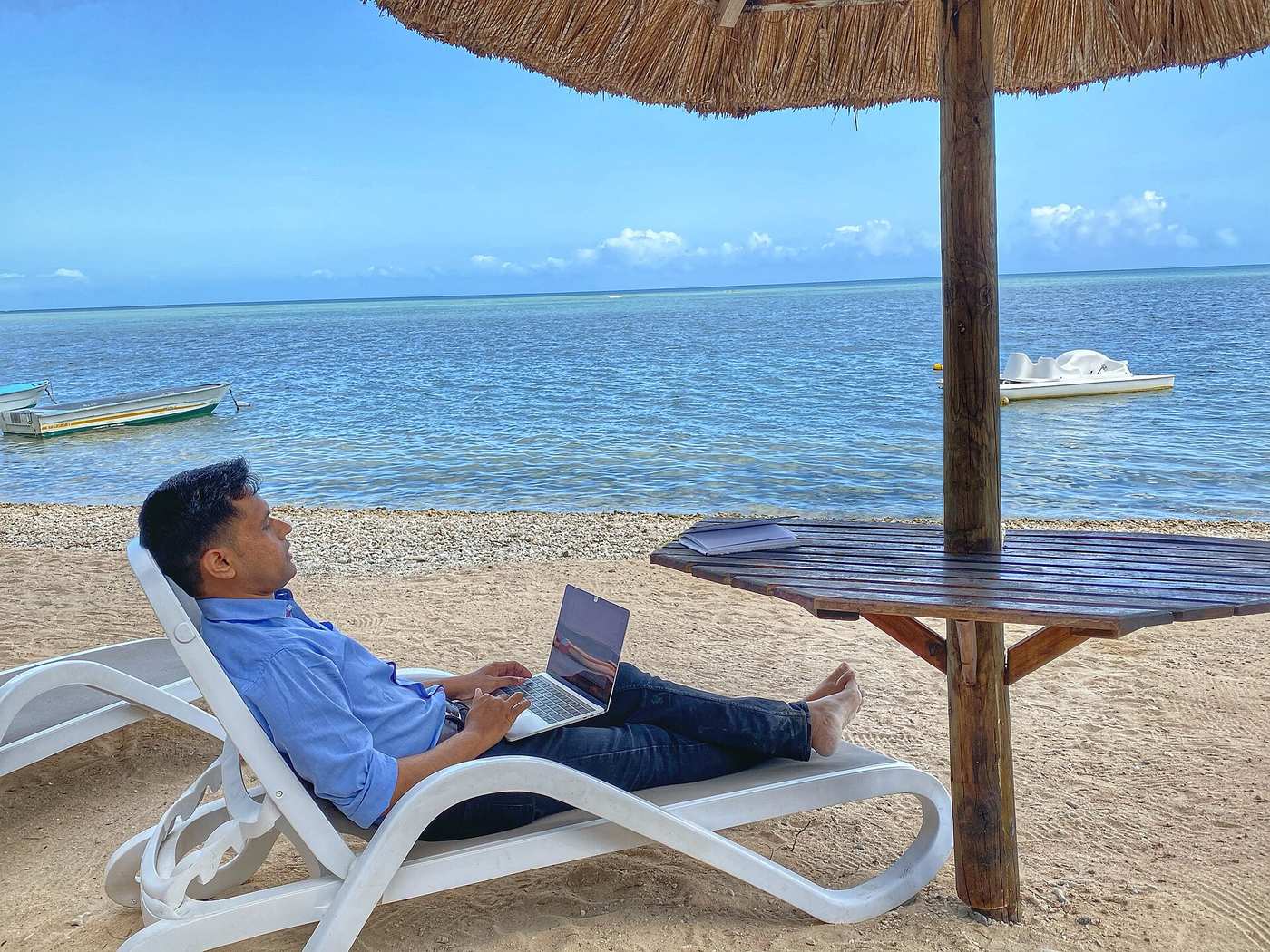
Costa Rica remains one of the easiest places in the Americas to try the digital nomad lifestyle in 2026. Visitors can now stay up to 180 days as tourists, and Law 10008 created a dedicated digital nomad stay for remote workers earning at least $3,000 a month from abroad. We work remotely here ourselves, so this guide comes from experience.
How we ended up working remotely in Costa Rica
When we (Robbie and Steve) decided to move to Costa Rica, we knew our old jobs were not coming with us. Working for a local employer is not an option as a non-resident, so the choice was simple: start or buy a business here, or work remotely for a company based outside the country.
Robbie was on board with remote work right away. Steve was skeptical. We sold the house, loaded up the dogs, and headed off to start our expat life without jobs lined up. Then, before we even reached our rental in Tamarindo, Steve landed a remote position. Robbie picked up a part-time remote marketing role shortly after, and it grew into steady, flexible work. The skeptic became the first convert.
Years later we run Expat Properties | CR from Playas del Coco, and a good share of our clients and rental guests are remote workers doing some version of what we did. The digital nomad lifestyle is not a fantasy here. It is an ordinary Tuesday.
Does Costa Rica have a digital nomad visa?
Yes. In 2021 Costa Rica passed Law 10008, the Law to Attract International Remote Workers and Service Providers, which created a special stay category for digital nomads. The rules, in plain terms:
- Income: at least $3,000 per month from sources outside Costa Rica, or $4,000 per month if you bring dependents. You prove it with bank statements.
- Length: one year, renewable for a second year if you spent at least 180 days in the country during the first.
- Insurance: a health policy that covers your whole stay, with at least $50,000 in coverage.
- Cost: the government filing fee is $100, plus translation and legal costs if you hire help.
- Tax: your foreign income is exempt from Costa Rican income tax under this category, and you can import your basic work equipment duty free.
Applications go through the immigration authority (the Direccion General de Migracion y Extranjeria), online or in person. Rules and fees change, so confirm the current requirements with a licensed Costa Rican attorney before you apply. We are not lawyers, and none of this is legal advice.
Can you just come as a tourist and work remotely?
Many people do exactly that first. Costa Rica now grants visitors from many countries, including the US and Canada, entry as tourists for up to 180 days. The officer at the airport decides how many days you actually get, so treat 180 as the maximum rather than a promise. We wrote a full post about the change: Costa Rica's 180 day tourist visa.
Two honest caveats. First, a tourist entry does not let you take a job with a Costa Rican employer. Working remotely for a foreign company while visiting is the widely accepted practice, but your employment has to stay outside the country. Second, if you fall in love with the place (it happens fast), a string of back to back tourist entries is not a long term plan. At some point you will want the digital nomad stay or a residency category. Our overview of visas in Costa Rica walks through the main options.

Is the internet in Playas del Coco good enough for remote work?
This is the question that decides everything, so here is the honest answer: yes, with a little planning. Playas del Coco is a real town with real infrastructure, not an off grid surf outpost. Fiber optic service is available from multiple providers in Coco and Ocotal, and most of the 60+ vacation rentals we manage have connections that handle video calls and cloud work without drama. Starlink is also fully operational in Costa Rica, and it has become a popular backup for hillside homes.
What we tell remote workers who book with us:
- Ask for the actual speed at the specific rental before you book. We can run a test, and we know which units have fiber and which have older connections.
- Get a local prepaid SIM or eSIM as a hotspot backup. Mobile data is inexpensive and coverage in town is good.
- Expect a few brief outages in the green season (roughly May through November) when big storms roll through. Service usually comes back quickly, but if your work cannot tolerate an hour offline, build in redundancy.
That is the honest tradeoff. Coco's connectivity is strong for a beach town, but it is still a beach town in the tropics.
What does a remote work day actually look like here?
Better than the postcard suggests, mostly because of the time zone. Costa Rica sits in the same band as North American business hours, so you can keep a normal meeting schedule with teams in the US or Canada and still have daylight left over. No 3 a.m. standups, no living a day ahead of your clients.
A typical day for the remote workers we know in Coco: an early beach walk or swim before the heat builds, focused work through the morning at home or a cafe, a break when the midday sun is strongest, more work in the afternoon, then down to the beach for sunset. This close to the equator the sun sets before 6 p.m. all year, which sounds early until you realize it pulls your whole day earlier in the best way.
"Pura vida" gets printed on a lot of T-shirts, but the practical version is real: less commuting, less rushing, more time outdoors. The flip side is that errands, repairs, and paperwork move slower than you are used to. The lifestyle asks you to trade some efficiency for a lot of calm. Most people who stay decide it is a good trade.
Where do digital nomads find community in Coco?
Coco has a large, established expat community layered on top of a working Costa Rican town, which makes it easy to build a life beyond your laptop. There are weekly meetups, beach volleyball, fishing trips, language exchanges, and a steady calendar of events around the plaza and the boardwalk. Remote workers here mostly work from home rentals and cafes rather than formal coworking spaces. If a dedicated desk scene matters to you, Tamarindo has more of it, and we will say so honestly.
What Coco offers instead is normal life infrastructure: supermarkets, banks, clinics, hardware stores, and Liberia's international airport an easy drive away. That combination is why so many remote workers who start with a one month booking end up staying much longer. For a deeper look at daily life in the area, see our expat guide to life in the Papagayo region.
What does it cost, and where should you set up?
Costa Rica is not the bargain it was fifteen years ago, and Guanacaste's beach towns sit at the higher end of the country's range. A remote worker can still live well in Coco for less than in most US coastal cities, especially by renting monthly instead of nightly. We break down real categories and tradeoffs in our post on the cost of living in Costa Rica.
Most digital nomads start with a furnished condo in a community with a pool, then decide whether to commit to something longer. That trial period matters more than any blog post. Spend a green season month here before you buy anything.
If you are planning a remote work stint in Playas del Coco or Ocotal, we can point you to rentals with verified internet and a workable desk, and give you straight answers about the town. Browse our rentals or send us a message, and we will tell you what we would book if we were in your shoes.
Frequently asked questions
How much income do you need for Costa Rica's digital nomad visa?
Law 10008 requires stable foreign income of at least $3,000 per month for an individual applicant, or $4,000 per month if you include dependents. You also need health insurance with at least $50,000 in coverage for your whole stay, and the government filing fee is $100. Requirements can change, so confirm current rules with a Costa Rican immigration attorney.
Can I work remotely in Costa Rica as a tourist?
Visitors from many countries, including the US and Canada, can now enter Costa Rica as tourists for up to 180 days, and remote workers commonly do a trial run this way. You cannot take a job with a Costa Rican employer on a tourist entry. For longer stays, the digital nomad stay or a residency category is the proper route.
Is the internet in Playas del Coco reliable enough for remote work?
Yes, for most jobs. Fiber optic service is available from multiple providers in Coco and Ocotal, and Starlink works throughout Costa Rica as a backup. Video calls and cloud work are routine here. Ask about the actual connection at a specific rental before booking, and keep a mobile hotspot handy for occasional storm outages in the green season.
Cover photo: AbhiSuryawanshi, CC BY-SA 4.0, via Wikimedia Commons · Photo: perzon seo (Flickr), CC BY 2.0, via Wikimedia Commons