Costa Rica Land for Sale: How Buying a Lot Really Works
Titled lots, survey plans, land-use letters, water and access: the checks that separate a good lot from an expensive mistake.
Buying land in Costa Rica works much like buying a home: foreigners can own titled lots outright, your attorney checks the title, and a notary records the deed. The difference is that a lot has no house to prove what is possible. Before you buy, confirm the survey plan, the land-use rules, water, power and legal road access, or the view you paid for may be hard to build on.
We sell lots from Guanacaste to the Central Pacific, and most of the problems we see with land were avoidable. This guide covers the checks we insist on before a buyer commits.
What kinds of land can a foreigner buy?
- Titled land is registered in the National Registry with a folio real number. Foreigners have the same rights as Costa Ricans, and this is what most buyers should look for.
- Concession land sits inside the maritime zone, the first 200 meters above the high-tide line. The first 50 meters are public. The next 150 are leased from the municipality, with restrictions on foreign holders. Our guide to concession versus titled property explains the difference.
- Possession rights land (derechos de posesión) has no registered title. It is cheaper for a reason. Unless you have a strong attorney and a lot of patience, skip it.
Which documents should you check before buying a lot?
- Title report from the National Registry: the owner, liens, mortgages, easements and annotations.
- Plano catastrado: the registered survey. A surveyor should walk the boundary and confirm the markers, area and access match it.
- Uso de suelo: the municipal land-use certificate, stating what you may build, the setbacks and how much of the lot you can cover.
- Water availability letter from the water provider (AyA or a local ASADA). In parts of Guanacaste this is the single most important document.
- Municipal tax certificate showing taxes are paid. As the Tico Times notes, unpaid municipal taxes stay with the property.
- HOA or community rules if the lot is in a development: architectural guidelines, fees and minimum home sizes.
What can go wrong with land in Costa Rica?
- Access: a lot with no registered public road or easement can be legally landlocked.
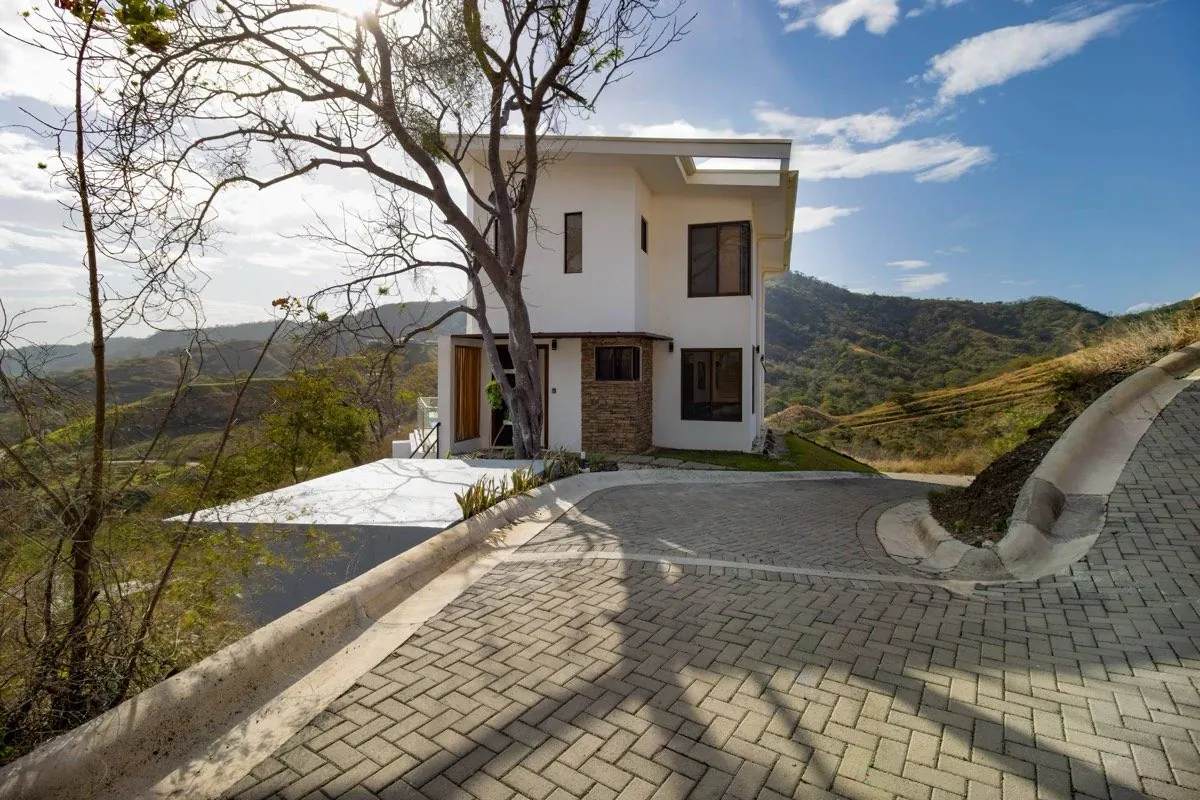
- Slope and soil: steep lots cost more to build on than the listing suggests. Budget for retaining walls and a soil study.
- Protected areas and rivers: setbacks from rivers, springs and forest can shrink the buildable area.
- Agricultural zoning: some rural land cannot be split or built on as a residence without approvals.
- Water: no letter, no permit. Never assume a well will be approved.
Should you buy a lot in a development or on its own?
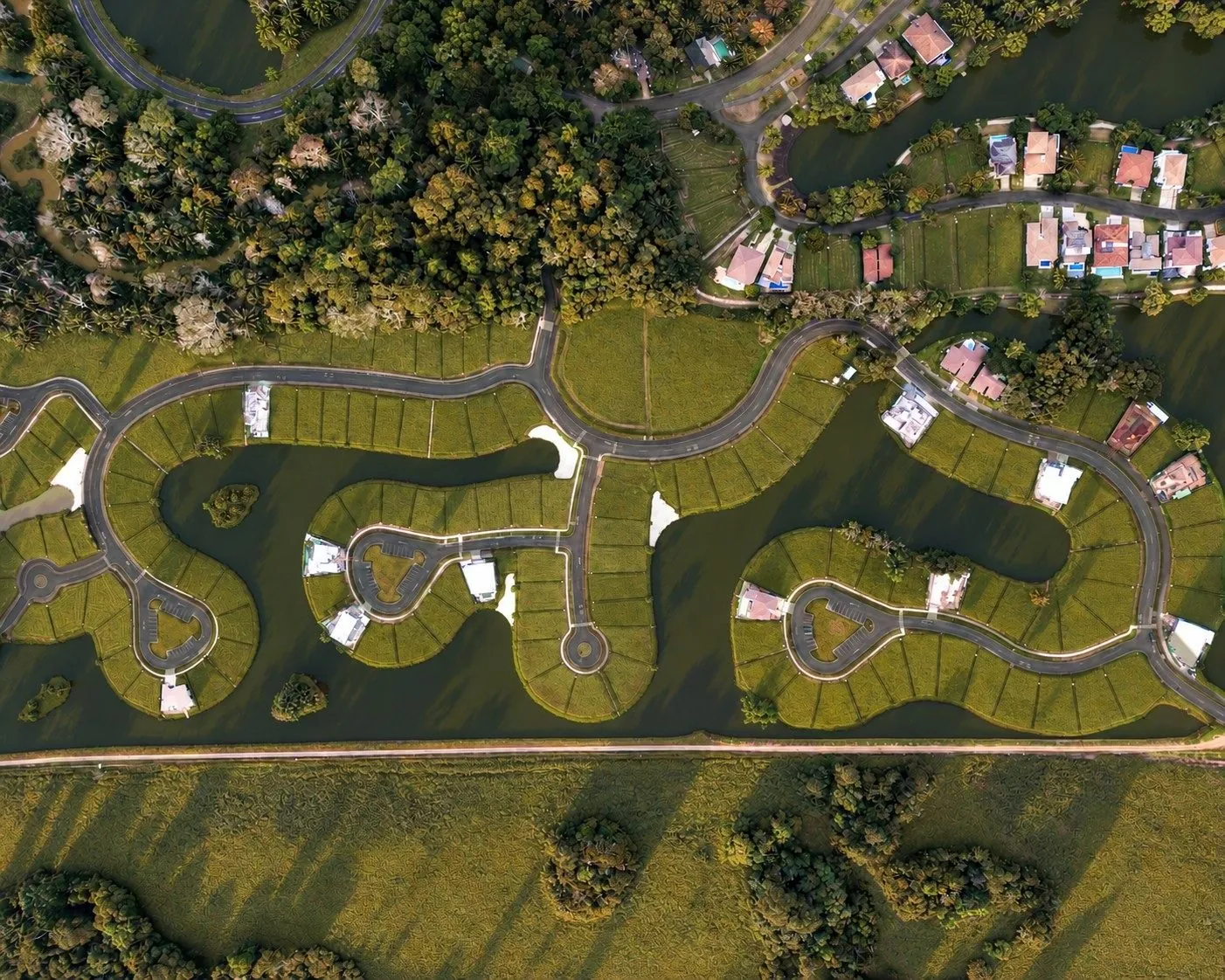
A lot in a planned community costs more per square meter, but the hard parts are usually done: roads, water, power, drainage and approved subdivisions, plus rules that protect your view and resale. A standalone lot can be cheaper and more private, but every utility and permit is your project. For first-time buyers from the United States and Canada, a development lot is usually the safer start.
A few examples we know well: build-ready lots in Guanacaste through our build program, and titled homesites at Místico on the Central Pacific, including rare titled beachfront lots behind the sand of Playa Hermosa.
What does buying a lot cost beyond the price?
Expect transfer tax, registry stamps and notary fees at closing, the same as for a home. We explain them line by line in closing costs in Costa Rica. Add a survey, a soil study if you plan to build soon, and annual property tax. Money should always move through escrow, never directly to a seller.
How long until you can build?
Plans, permits and utility connections often take several months before construction starts. Our guide to building a home in Guanacaste lays out the steps, and the same sequence applies elsewhere in the country.
If you are comparing lots, send us the listings and we will tell you what we would check first. Browse land and homes for sale or message us on WhatsApp. We are not attorneys, so always have your own Costa Rican lawyer review any purchase.
Frequently asked questions
Can foreigners buy land in Costa Rica?
Yes. Foreigners can buy titled land in Costa Rica with the same rights as citizens, in their own name or through a company, and no residency is required. The main exception is the maritime zone, the first 200 meters from the high-tide line, where land is held by concession and foreign ownership is restricted.
What is a plano catastrado?
The plano catastrado is the official registered survey plan of a property. It shows the boundaries and area recorded with the National Registry's cadastre. Your attorney and surveyor should confirm it matches the title and the markers on the ground, because boundary mismatches are one of the most common problems with land in Costa Rica.
Do I need a permit to build on a lot in Costa Rica?
Yes. Before buying, ask the municipality for a uso de suelo, a land-use certificate that states what can be built, setbacks and coverage. Building later needs plans by a licensed Costa Rican architect or engineer, a permit from the municipality, and in some cases environmental approval from SETENA.
Cover photo courtesy of Místico · Photo: Expat Properties | CR