Guanacaste's Gold Coast, Explained: From Papagayo to Tamarindo
A town by town walk down northern Guanacaste's coastline, from the resort peninsula to the surf towns, written by the people who live in the middle of it.
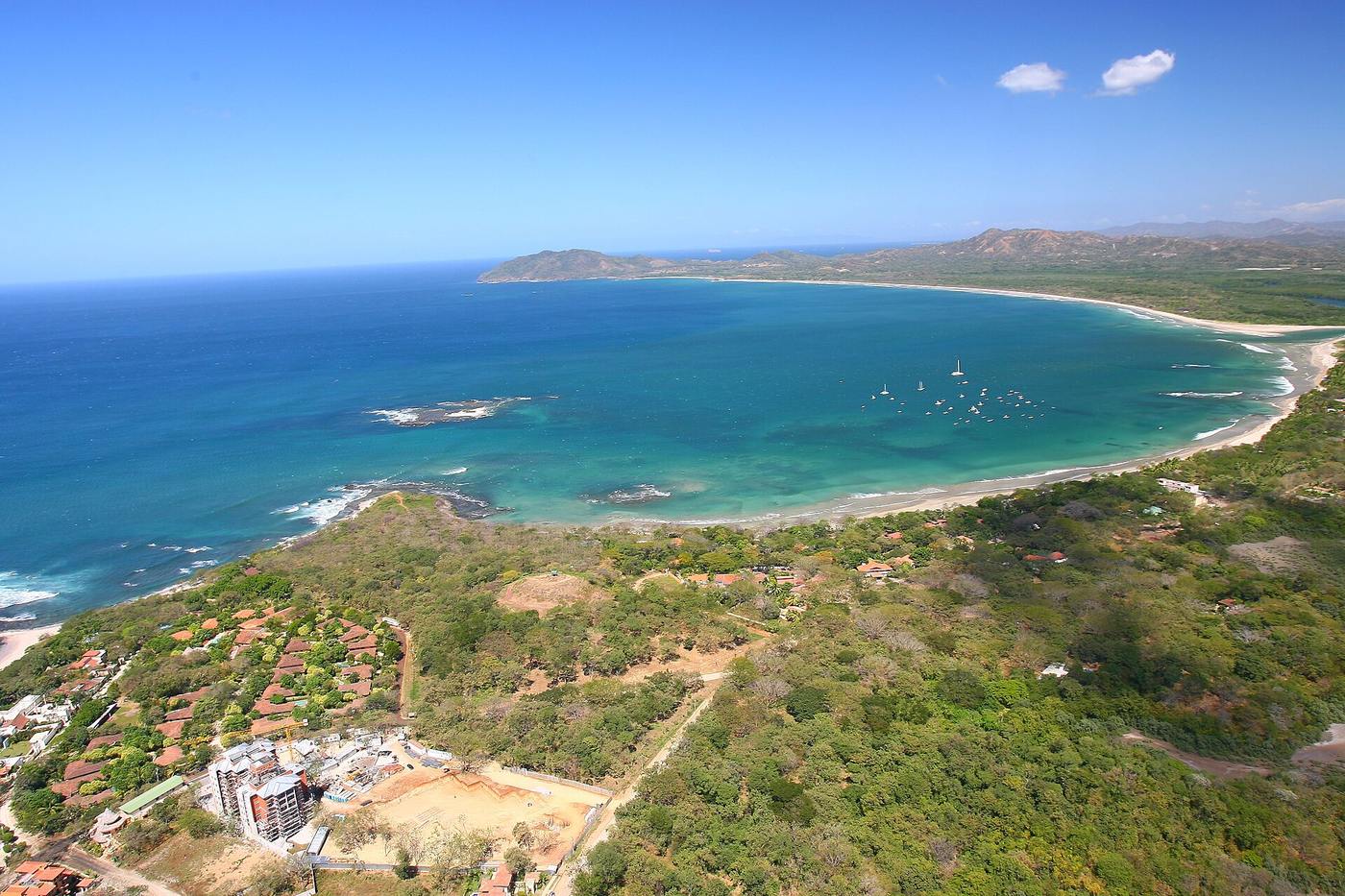
The Gold Coast of Costa Rica is the stretch of Pacific shoreline in northern Guanacaste that runs from the Papagayo Peninsula south to Tamarindo. It holds the country's densest cluster of beach towns, including Playas del Coco, Playa Hermosa, Flamingo, and Las Catalinas, all within about 90 minutes of Guanacaste Airport in Liberia.
We live and work in the middle of this coastline, and we hear the same question from almost every buyer who visits us: what actually counts as the Gold Coast, and how are the towns different? This guide walks the coast from north to south and gives you the honest version of each stop.
Why is it called the Gold Coast?
The name is a nickname, not an official region. You will not find "Gold Coast" on a Costa Rican map. It caught on for two reasons. First, the light: Guanacaste's long dry season turns the hills gold from roughly December through April, and the sunsets over the Pacific match. Second, the money: this is where Costa Rica concentrated its earliest large scale tourism investment. The government launched a development program for the Gulf of Papagayo back in 1972, decades before most of the country had paved coastal roads.
The practical reason the area took off is simpler: access. Guanacaste Airport (LIR), just west of Liberia, handled over 1.9 million passengers in 2024, with nonstop flights from cities across the United States, Canada, and Europe. From the terminal you can be at a beach bar in Playas del Coco in about half an hour. No other coastline in Costa Rica puts this many beach towns this close to an international airport.
Where does the Gold Coast start and end?
Definitions vary, and we will be upfront about that. Most people use the term for the coast from the Papagayo Peninsula down to Tamarindo, which is the stretch this guide covers. Some stretch it further south toward Avellanas and Negra, and a few apply it to the entire Guanacaste coast. The core, though, is a run of maybe 50 kilometers of coastline holding a dozen distinct beach communities, each with its own personality and price level.
Papagayo and Playa Panama: the resort end
The northern anchor is the Papagayo Peninsula, the most exclusive address in the country. The peninsula operates under a government concession that requires 70 percent of the land to remain natural, and it hosts the Four Seasons and Andaz resorts along with a private Arnold Palmer golf course. Marina Papagayo opened its first phase in 2009 with 180 slips. Real estate here is resort branded, gated, and priced accordingly, with homes routinely in the multiple millions of dollars.
Just south, Playa Panama sits on the calmest water of the whole coast. The bay is protected, the beach is long and quiet, and condo development has grown steadily. It is a good fit for buyers who want still water for swimming and paddleboarding and do not need restaurants within walking distance. We covered daily life in this area in our expat guide to the Papagayo region.
Playa Hermosa, Playas del Coco, and Ocotal: the livable middle
This is our home turf, and in our view it is the most practical part of the Gold Coast for full time living.
Playa Hermosa is the polished residential option: a curve of dark sand backed by hillside homes with some of the best sunset views anywhere on this coast. It is quiet at night, which is exactly why its owners chose it.
Playas del Coco is the workhorse of the coast and the largest town on this list. It has the banks, pharmacies, medical and dental clinics, supermarkets, hardware stores, and government offices that the smaller beach communities lack, plus a walkable main street of restaurants and a genuine year round Tico community. It is not a manicured resort village, and we would never sell it as one. It is a real town that happens to sit on a big, boat filled bay about half an hour from the airport. That mix is why so many full time expats end up here, and why we wrote a whole post on what makes Coco different from other Guanacaste beach towns.
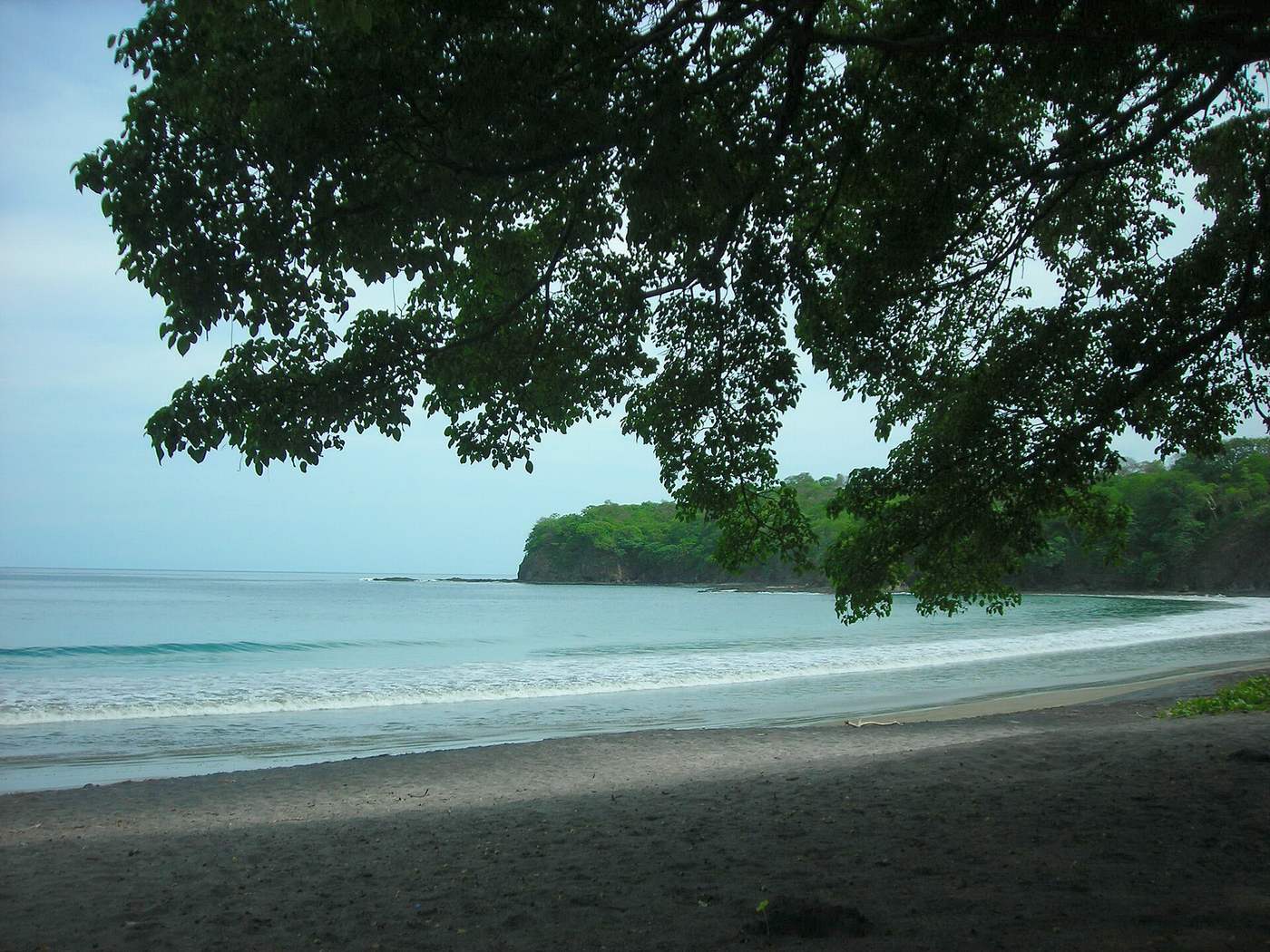
Ocotal, five minutes over the hill, is Coco's quiet sibling: a small dark sand cove known for calm water and shore diving, with condos and hillside homes but almost no commerce of its own. Owners there enjoy the silence and drive to Coco for everything else. We manage around 40 vacation rentals across Coco and Ocotal, so we watch this micro market every single week.
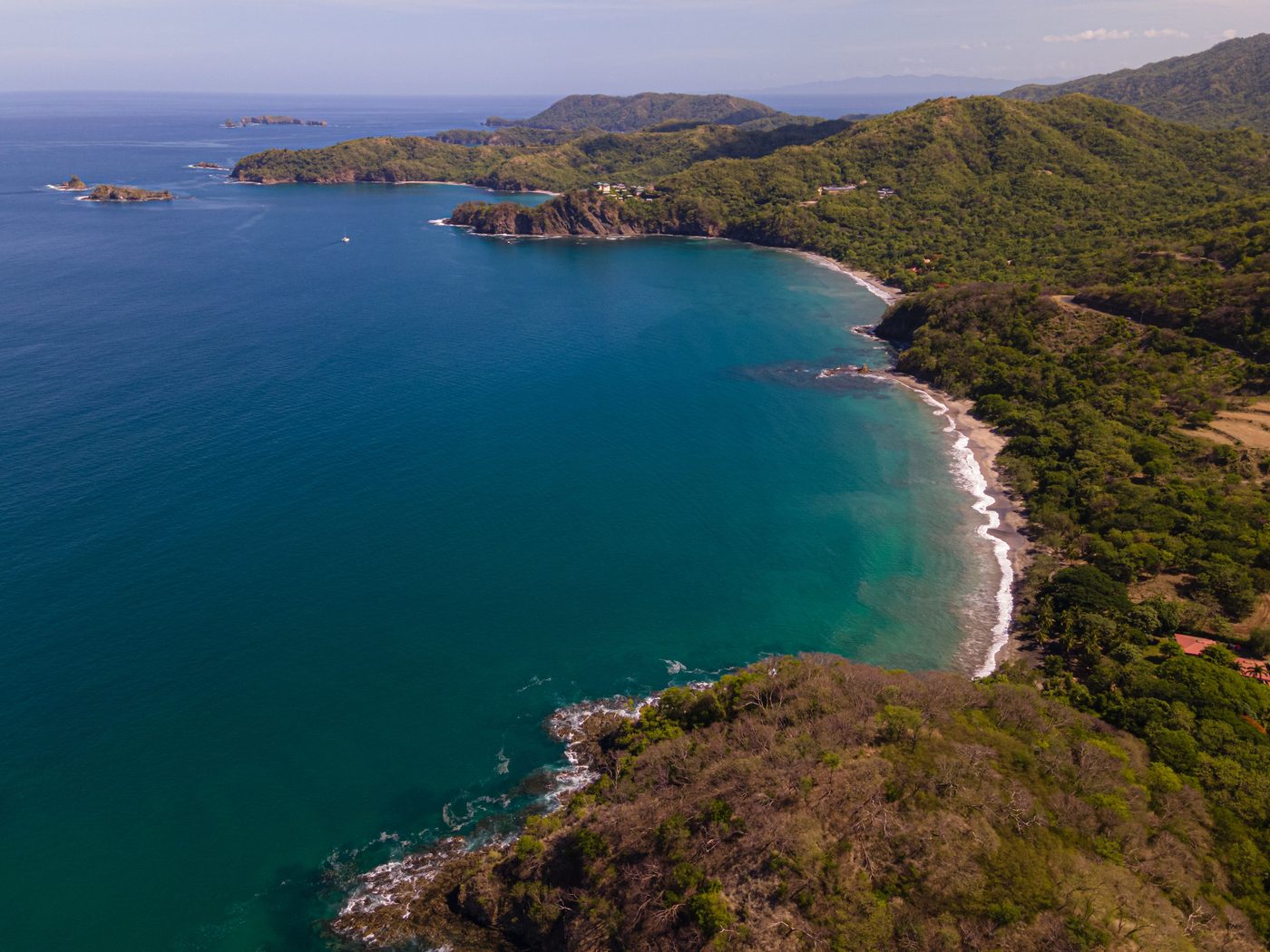
Las Catalinas, Flamingo, Potrero, and Brasilito: the quiet bays
South of Ocotal the road bends inland through Sardinal before returning to the sea at a string of smaller bays.
Las Catalinas is unlike anywhere else in Costa Rica: a car free town built from scratch since 2006 on New Urbanist principles, with cobbled lanes, plazas, and about 35 kilometers of hiking and mountain biking trails in its own forest reserve. It is beautiful and walkable, and it is also an architectural one off with pricing to match.
Playa Flamingo has long been the coast's upscale address, and it leveled up again when Marina Flamingo opened in 2023 with 92 slips and a growing commercial village around it. The marina has pushed sportfishing, yachting, and property values in equal measure. Neighboring Potrero keeps a slower, more local rhythm with a growing expat community, and Brasilito remains one of the last genuinely Tico beach villages on this stretch, sitting right next to the white sand of Playa Conchal.
Playa Grande and Tamarindo: surf, turtles, and nightlife
The southern end of the Gold Coast belongs to surfers. Playa Grande fronts Las Baulas Marine National Park, which protects the largest leatherback turtle nesting colony on the Pacific coast of the Americas. The official nesting season runs October 20 through February 15, when guided night tours are the only way onto the beach. The park is also the reason Playa Grande stays low rise and low density: development is limited, which protects both the turtles and the long term value of what does get built.
Across the estuary, Tamarindo is the busiest tourist town in Guanacaste. It earned its reputation on consistent, beginner friendly surf, and it now layers on international restaurants, nightlife, and a large seasonal crowd. The honest tradeoffs: traffic gets heavy in high season, and the town center is loud by Gold Coast standards. The drive from the airport runs about an hour and a half. For investors who want maximum short term rental demand and do not mind the bustle, it remains a strong market. For buyers who want quiet, it is the wrong choice, and we will tell you so.
How do the Gold Coast towns compare for buyers?
A few patterns hold across the whole coastline. Prices generally step down as you move away from beachfront and resort branding: Papagayo and Las Catalinas sit at the top, Flamingo and Tamarindo in the upper middle, Coco and Hermosa in the accessible middle, and inland communities like Sardinal well below all of them. Titling matters too: much of the first 200 meters from the high tide line on this coast is concession land rather than titled property, and the difference affects financing, foreign ownership percentages, and resale. We explain the details in our guide to concession vs. titled properties.
On the rental side, the whole coast follows the same calendar we see in our own portfolio: high season weeks from December through April book up months ahead, and green season pricing rewards owners who stay flexible. Actual returns vary a lot by town, property type, and management, so ask us for current numbers on a specific property rather than trusting a generic projection.
Which Gold Coast town fits you?
- Resort privacy, budget flexible: Papagayo Peninsula or Las Catalinas.
- Full time living with real services: Playas del Coco, with Hermosa or Ocotal if you want quieter nights nearby.
- Boating and sportfishing: Flamingo, with the new marina at your doorstep.
- Surf and energy: Tamarindo, accepting the crowds that come with it.
- Nature first, low density: Playa Grande or Potrero.
There is no single best town, only the best match for how you actually plan to live. We are happy to talk you through it honestly, including the parts a listing page will not tell you.
If you want to see what is on the market right now, browse our current Gold Coast property listings, or start with our Playas del Coco area guide. When you are ready, reach out through our contact page and we will help you compare towns in person.
Frequently asked questions
How far is Costa Rica's Gold Coast from the Liberia airport?
Very close, which is the region's biggest practical advantage. Playas del Coco is roughly 26 kilometers from Guanacaste Airport (LIR), about a 30 minute drive, and Playa Hermosa and Papagayo are similar. The far southern end at Tamarindo takes about an hour and a half on fully paved roads.
Which Gold Coast town is best for living full time?
For most full time residents we recommend Playas del Coco or the hills around it. It is the only beach town on this stretch with a full set of daily services: banks, clinics, supermarkets, and hardware stores. Quieter neighbors like Playa Hermosa and Ocotal put you five to ten minutes from those services.
When can you see nesting turtles on the Gold Coast?
Leatherback turtles nest at Playa Grande inside Las Baulas Marine National Park, which protects the largest leatherback nesting colony on the Pacific coast of the Americas. The official season runs October 20 through February 15, and access at night is only allowed on guided tours with park approved guides.
Cover photo: Tamarindowiki, CC BY-SA 3.0, via Wikimedia Commons · Photo: Jean Paul Montanaro, Pexels