The Ultimate Expat Guide to Life in the Papagayo Region
What it is really like to live in Playas del Coco, Hermosa, Ocotal, Panama, and Curubande, from people who do.
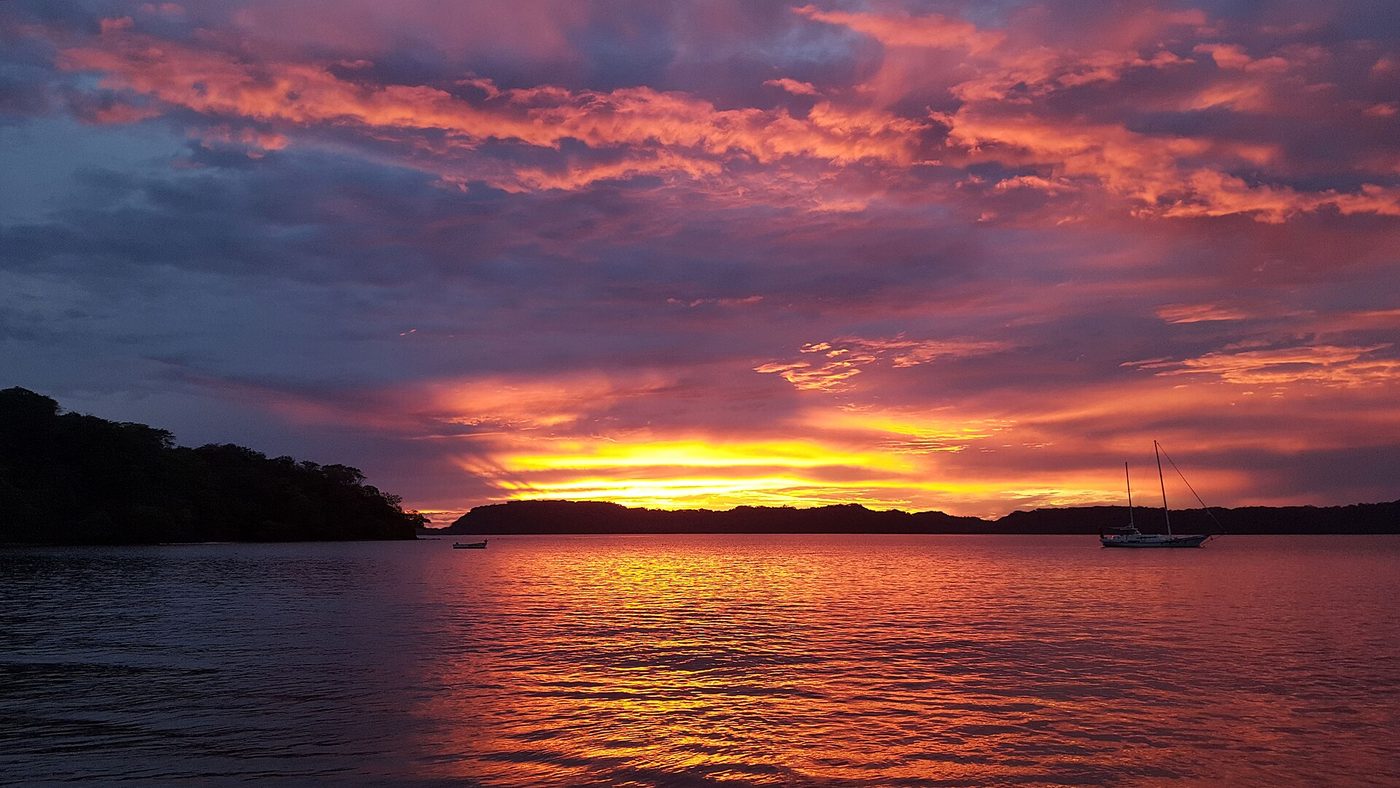
The Papagayo region is the stretch of northwest Guanacaste, Costa Rica that runs from Playas del Coco, Ocotal, Playa Hermosa, and Playa Panama out to the Papagayo Peninsula, plus inland towns like Curubandé. Expats choose it for dry, sunny weather, a short drive to Liberia's international airport, and a wide range of homes at very different price points.
What counts as the Papagayo region?
There is no official boundary sign, but when locals talk about the Papagayo region they usually mean the communities around Bahía Culebra and Coco Bay in the canton of Carrillo, plus a few neighbors:
- Playas del Coco: the biggest and busiest town, and where our office is.
- Playa Ocotal: a small, quiet cove just south of Coco.
- Playa Hermosa: a calm, residential beach town to the north.
- Playa Panama: the last village on the road toward the peninsula.
- The Papagayo Peninsula: a private resort development that includes the Four Seasons and Marina Papagayo.
- Curubandé and the inland foothills: rural communities near Rincón de la Vieja, about 15 minutes from Liberia.
That mix matters. Within a 45 minute drive you can go from a beach condo with restaurants in walking distance to a large mountain lot with volcano views. Few regions in Costa Rica offer that spread.
Why do expats choose Papagayo over other parts of Costa Rica?
The weather. Guanacaste is the driest, sunniest part of Costa Rica. The dry season runs roughly November through April with almost no rain. The green season (May through November) brings afternoon showers, greener hills, and quieter towns. If you are escaping northern winters, the timing works in your favor: the driest months line up with snow season back home.
The airport. Playas del Coco sits about 23 kilometers from Liberia International Airport (LIR), a drive of roughly 30 minutes on paved highway. Hermosa and Panama are a few minutes farther. Direct flights connect Liberia with many US and Canadian cities in high season, which makes visits from family, and quick trips home, genuinely easy. It also supports the vacation rental market, since guests land and reach their rental within the hour.
The infrastructure. This is not off-grid living. Coco has an Auto Mercado supermarket, banks, pharmacies, gyms, veterinarians, and fiber internet fast enough for full-time remote work. Liberia, 30 to 40 minutes away, adds big-box shopping, private hospitals, and government offices.
The community. Expats have been settling here for decades, so there are established social groups, volunteer organizations, pickleball leagues, and English-speaking professionals. At the same time, Coco and Sardinal remain real Costa Rican towns with schools, churches, and festivals. If you want to integrate rather than live in a bubble, you can.
Which Papagayo town is the right fit for you?
Playas del Coco: walkability and convenience
Coco is the region's service hub. You can live here without a car, walk to dinner, and choose from the widest range of housing in the area, from modest condos to hillside ocean-view homes. The tradeoff is that it is the busiest town, with nightlife near the main strip. We wrote a full comparison in what makes Playas del Coco different from other Guanacaste beach towns.
Playa Hermosa: quiet and residential
Hermosa is calmer, with a swimmable bay and established neighborhoods on the hills. It suits retirees and families who want peace but still want Coco's services ten minutes away. There is less nightlife and fewer shops, which is exactly why its residents love it.
Playa Panama and the peninsula: resort-style living
Playa Panama fronts a protected bay that is ideal for paddleboarding and swimming. Nearby, the Papagayo Peninsula is the most exclusive address in the country, with estates and branded residences at prices well above the rest of the region. Beautiful, private, and not where you go for a bargain.
Ocotal: privacy close to town
Ocotal is a small cove with dramatic hillsides, good snorkeling, and gated communities. It has no commercial center of its own, so you will drive five to ten minutes into Coco for groceries. For many owners that is the perfect balance: quiet at home, town within reach.
Curubandé: land, cooler air, and lower prices
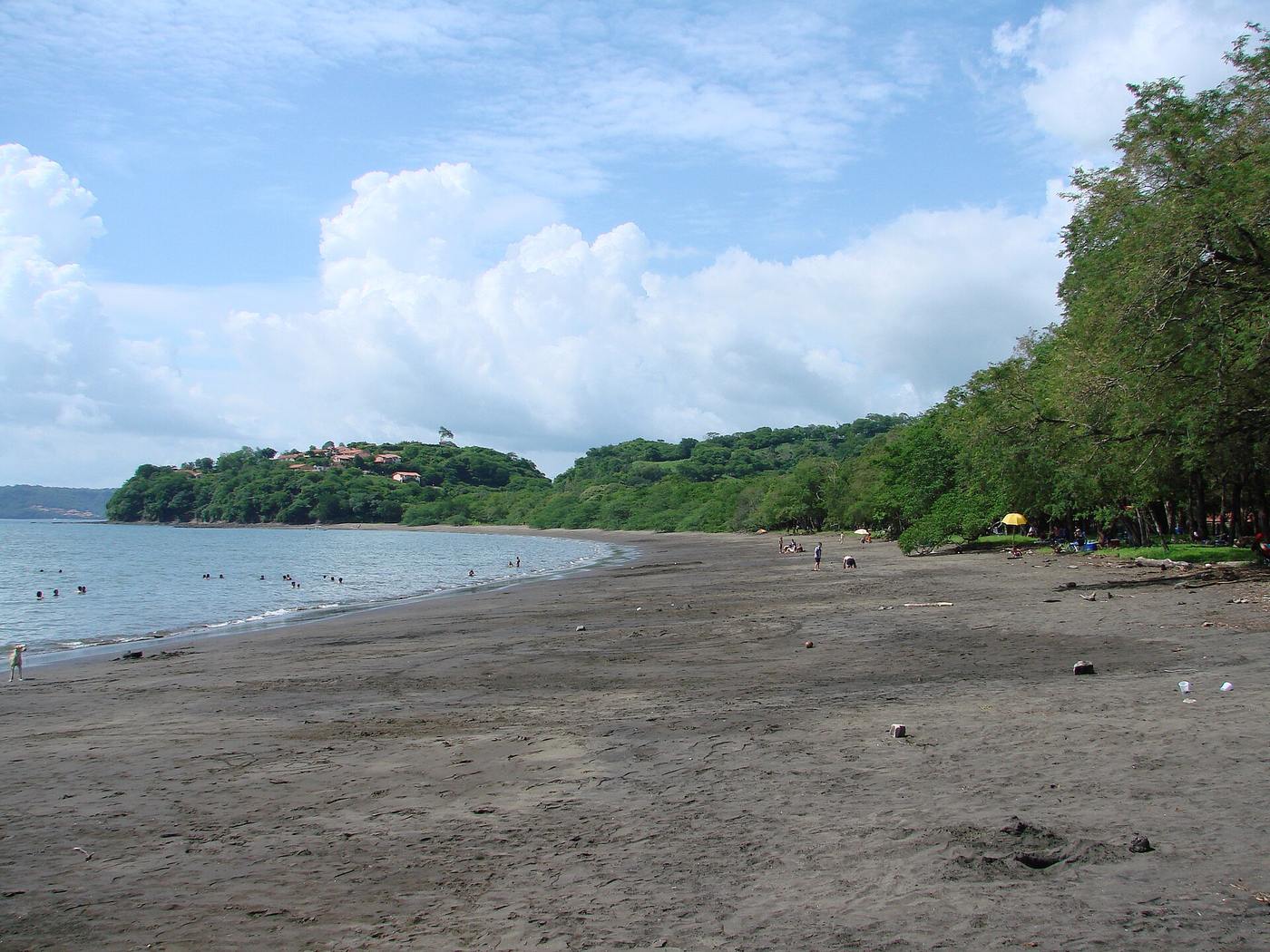
Not everyone moving to the Papagayo region wants to live on the sand. Curubandé sits inland at the base of Rincón de la Vieja volcano, about 15 minutes from Liberia and 45 minutes from the beaches. Elevation brings slightly cooler nights, lots are larger, and prices per square meter run well below the coast. Hot springs, waterfalls, and national park trails are close by. The tradeoff is distance: every beach day is a drive, and services are in Liberia rather than around the corner.
What does it cost to live in the Papagayo region?
We will be honest here rather than quote numbers that go stale. Ocean-view and walk-to-beach properties carry a premium, and coastal prices have climbed over the past decade as inventory near the water stays limited. Inland, in Curubandé and Sardinal, your money buys more land and more house. Day to day, groceries cost less if you shop like a local (ferias, national brands) and more if you fill the cart with imports. Air conditioning is usually the biggest utility line item on the coast. We break the numbers down in our post on the cost of living in Costa Rica, and we are glad to share current sale and rental comps for any town on this list, just ask.
How does healthcare work here?
For routine care there are private clinics, dentists, and pharmacies in Coco itself. Liberia, about 30 to 40 minutes away, has both private hospital facilities and the public hospital that serves the province. Legal residents join the Caja, Costa Rica's public health system, and pay a monthly contribution based on income; many expats also carry private or international insurance for faster access. For anything highly specialized, San José's private hospitals are a 3.5 to 4 hour drive or a short domestic flight away. That is a real consideration for anyone managing a serious condition.
What are your residency and visa options in 2026?
Most newcomers start on a tourist stay. Since September 2023, visitors from visa-exempt countries (including the US, Canada, and most of Europe) can be admitted for up to 180 days, at the discretion of the immigration officer. We covered the change in Costa Rica's 180-day tourist visa.
For longer-term status, the main categories in 2026 are:
- Pensionado: for retirees with a lifetime pension of at least $1,000 per month.
- Rentista: for those who can show $2,500 per month in stable income for two years, or a $60,000 deposit in a Costa Rican bank.
- Inversionista: for investors, including real estate buyers, with a qualifying investment of at least $150,000 under Law 9996. Note that the special tax incentives attached to that law were set to expire in July 2026, so the fine print matters more than ever this year.
- Digital nomad visa: for remote workers earning at least $3,000 per month ($4,000 with dependents) from sources outside Costa Rica.
Requirements, processing times, and interpretations change. Confirm the current rules with a licensed Costa Rican immigration attorney before you commit to a path; we are happy to introduce you to the ones our clients use.
What is daily life actually like, honestly?
Mornings start early because the sun does. A typical day mixes beach or pool time, errands in town, and a sunset that people still stop to watch after twenty years here. Now the honest part. March and April are hot and dusty before the rains arrive. September and October bring the heaviest rain and the quietest streets, which some residents love and others escape. Some services run on Tica time, and a little Spanish goes a long way at the bank and the mechanic. Nobody moves here for perfection; they move here because the good days heavily outnumber the frustrating ones.
Ready to see the Papagayo region for yourself?
We are Expat Properties | CR. We live in Playas del Coco, we manage 60+ vacation rentals in Coco and Ocotal, and we have helped buyers settle everywhere from beachfront condos to Curubandé acreage. Browse our current listings across the region, read about our property management service if you plan to rent your home out, or send us a message and tell us what your ideal week here looks like. We will point you to the towns that fit it.
Frequently asked questions
How far is the Papagayo region from Liberia International Airport?
Playas del Coco is about 23 kilometers from Liberia International Airport (LIR), roughly a 30 minute drive on paved highway. Playa Hermosa and Playa Panama are a few minutes farther, and Curubande is about 15 minutes from Liberia. This short transfer is one of the region's biggest advantages over the rest of coastal Costa Rica.
How much do I need to invest to qualify for Costa Rica residency?
As of 2026, the inversionista category requires a qualifying investment of at least $150,000, and real estate counts. Other routes include pensionado ($1,000 monthly pension), rentista ($2,500 monthly income or a $60,000 bank deposit), and the digital nomad visa ($3,000 monthly income). Rules change, so confirm current requirements with a licensed Costa Rican immigration attorney.
Is the Papagayo region a good place to retire?
For many retirees, yes. It offers Costa Rica's driest climate, a 30 minute airport transfer, private clinics in Coco, hospitals in Liberia, and an established English-speaking community. The tradeoffs are heat in March and April, heavy rain in September and October, and a 3.5 to 4 hour trip to San Jose for highly specialized medical care.
Cover photo: Federico Mata, CC BY 3.0, via Wikimedia Commons · Photo: Tizianok, CC BY-SA 3.0, via Wikimedia Commons