LGBTQ+ Rights and Experiences in Costa Rica
What the law actually says in 2026, and what daily life feels like for LGBTQ+ expats in a Guanacaste beach town.
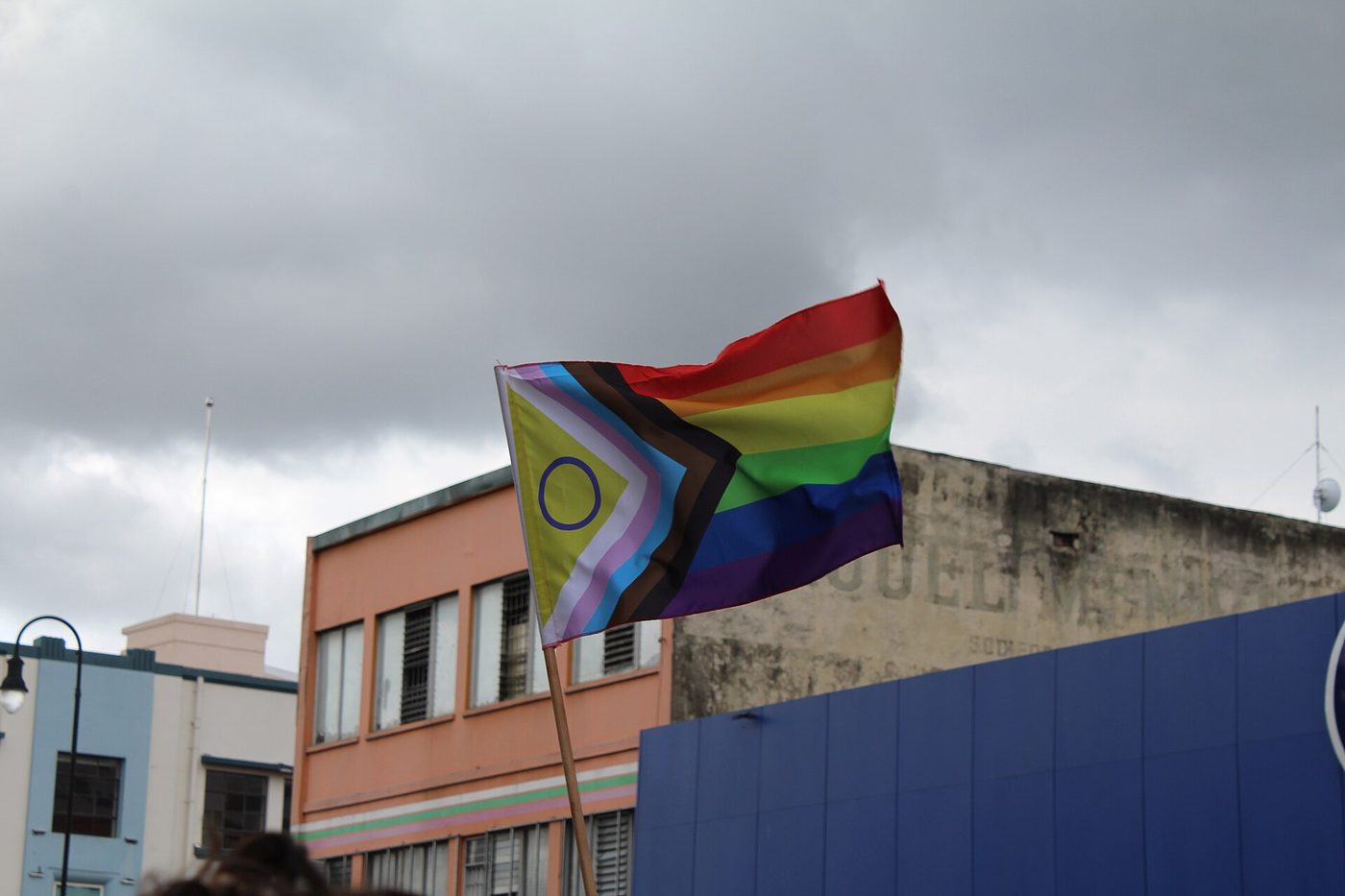
Costa Rica has the strongest legal protections for LGBTQ+ people in Central America. Same-sex marriage has been legal since May 26, 2020, married couples can adopt, discrimination is punishable under the Penal Code, and transgender residents can update their documents. In daily life, most Ticos take a live and let live approach.
We refreshed this post in 2026 because LGBTQ rights in Costa Rica come up constantly in our conversations with people thinking about moving here. It matters to us personally too. Part of our own team is openly gay and went through the move, the marriage paperwork, and the residency process here. So this is written from lived experience, not from a brochure.
How did LGBTQ+ rights in Costa Rica get to this point?
The short timeline, with the parts of the story that matter:
- 1971: Costa Rica decriminalized same-sex relations when it adopted a new Penal Code, decades earlier than many countries in the region. A leftover article on "scandalous sodomy" was formally repealed in 2002.
- January 2018: The Inter-American Court of Human Rights, which is headquartered in San José, issued an advisory opinion saying member states should extend marriage to same-sex couples.
- August 2018: Costa Rica's constitutional chamber (the Sala IV of the Supreme Court) ruled the same-sex marriage ban unconstitutional and gave lawmakers 18 months to fix it.
- May 26, 2020: The deadline passed, the ban dissolved, and Costa Rica became the first country in Central America where same-sex couples can marry, as Human Rights Watch reported that day.
- 2020: The Legislative Assembly added sexual orientation to the labor code's list of prohibited grounds for workplace discrimination, and the Penal Code was amended to punish discrimination and hate crimes based on sexual orientation.
A correction from the earlier version of this post: decriminalization happened in 1971, not 2003. We would rather fix our own record than let a wrong date keep circulating.
Is same-sex marriage fully legal in Costa Rica?
Yes. Same-sex couples marry through the same civil process as everyone else, with the same property, inheritance, and pension rights. Adoption by married same-sex couples has been legal since May 2020, and when a lesbian couple conceives through assisted insemination, the non-biological mother is recognized as a legal parent. In February 2025, the constitutional court went a step further and recognized leave rights for non-gestational mothers in same-sex couples.
Marriages performed abroad are recognized here as well. If you married in Toronto or Denver, that certificate works for Costa Rican legal purposes, including immigration, once it is properly apostilled and registered. Confirm the paperwork details with a licensed attorney, because document requirements change more often than the underlying rights do.
What protections exist against discrimination?
Since 2020, Costa Rican law prohibits workplace discrimination based on sexual orientation, and the Penal Code sets prison terms for discrimination and hate-motivated crimes that range from one to ten years depending on the offense, with longer sentences when hate is an aggravating factor in violent crimes. We are not lawyers, and enforcement is never as tidy as the statute book, so if you ever face a legal issue here, talk to a Costa Rican attorney rather than relying on a blog post, including ours.
What about gender identity and documents?
Since 2018, Costa Ricans can change the name and photo on their national ID through a simple, free procedure at the civil registry, with no surgery or court order required, and sex assigned at birth no longer appears on the ID card at all. Executive decrees the same year extended document changes to passports, licenses, and work permits, and a December 2018 order extended these rights to immigrants. Hormone replacement therapy is covered by the public health system. Procedures and wait times shift, so check the current process with the relevant institution or an attorney before you count on a timeline.
What is daily life actually like for LGBTQ+ residents?
Here is the honest, on-the-ground version. The openly gay member of our team has lived in Guanacaste for years, married, visible, and involved in the community, and reports none of the daily microaggressions that were routine back in the United States. Costa Rica is a majority Catholic country, but most people here treat religion as a private matter and extend the same courtesy to your life.
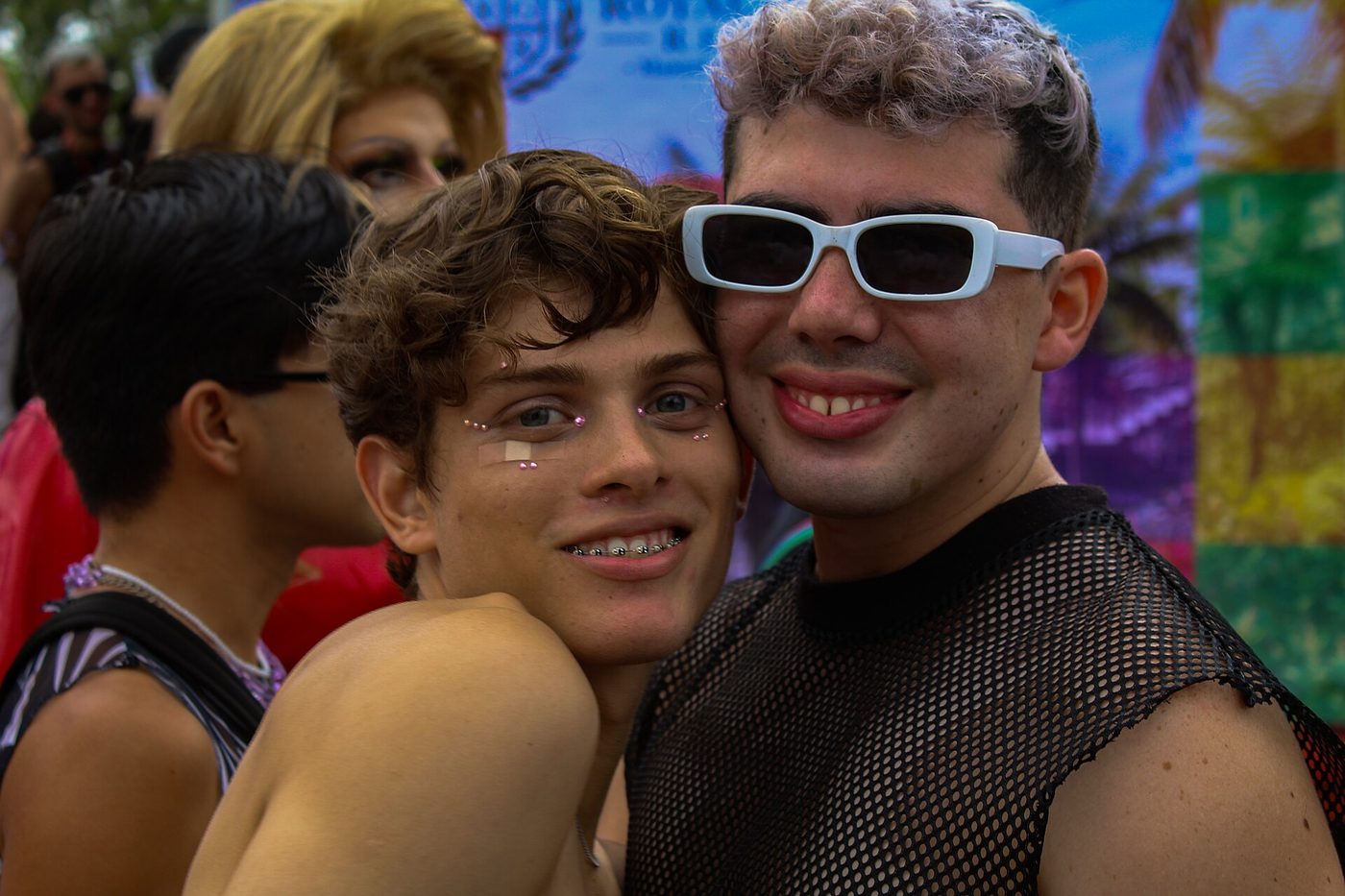
That said, we will not pretend the whole country is one big Pride parade. Attitudes are more traditional in some rural areas and among older generations, the same as anywhere. Politics also wobble: the administration that left office in 2026 skipped the symbolic gestures earlier governments had made, and activists pushed back hard. What matters is that the laws themselves held, and San José's Pride march filled the streets again in June 2026.
Where is the LGBTQ+ scene in Costa Rica?
Costa Rica has just over five million people spread across the whole country, so dedicated gay nightlife is concentrated in two places: San José, the capital, which has established gay bars and clubs and hosts the annual Pride march each June, and Manuel Antonio on the central Pacific coast, which has been a gay-friendly beach destination for decades. The official tourism board actively courts LGBTQ+ travelers and publishes its own guide at visitcostarica.com.
Outside those hubs, the scene runs on social media groups, informal meetups, and the apps, which work here the same as everywhere else. It is a smaller pond, and people are friendly in it.
What about Playas del Coco and Guanacaste?
Coco has no gay bar. We would rather tell you that plainly than oversell it. What Coco does have is one of the most international, mixed communities on the Guanacaste coast: Ticos, North Americans, and Europeans sharing the same beach bars, gyms, and school pickups. Same-sex couples live openly here, hold hands at the beachfront, and run businesses, and it is simply not a topic. If you want a big queer nightlife scene you will visit San José for a weekend; if you want a relaxed town where nobody blinks, Coco delivers. Our post on what makes Playas del Coco different covers the town's character in more depth.
Does being an LGBTQ+ couple change residency or buying property?
No. Immigration makes no distinction: a same-sex spouse qualifies for residency through marriage the same way any spouse does, and our team member's own residency process as half of a married gay couple went through without any issue related to the marriage. Property is the same story. Two men, two women, or any combination can co-own titled property with identical rights. The practical steps are in our guide on how to buy a home in Costa Rica, and if you are earlier in the process, start with what to know before moving to Costa Rica.
As always with residency and legal questions, confirm the current requirements with a licensed Costa Rican attorney. Rules on documents and processing change; the equal treatment has not.
Thinking about making the move?
We are Expat Properties | CR, we live here, and we are happy to answer the questions that do not fit in a blog post, including the personal ones. Browse our current listings, or send us a message and we will give you the straight answer, so to speak.
Frequently asked questions
Is same-sex marriage legal in Costa Rica?
Yes. Same-sex marriage has been legal since May 26, 2020, when a Supreme Court deadline dissolved the old ban, making Costa Rica the first country in Central America to allow it. Couples marry through the same civil process as anyone else, with equal property, inheritance, and adoption rights, and marriages performed abroad are recognized.
Can my same-sex spouse be included in my Costa Rica residency application?
Yes. Costa Rican immigration treats same-sex marriages exactly like any other marriage, so a same-sex spouse qualifies for the same dependent and marriage-based residency options. You will need an apostilled marriage certificate and the standard documents. Requirements change periodically, so confirm the current checklist with a licensed Costa Rican immigration attorney.
Is Playas del Coco LGBTQ+ friendly?
In our experience, yes, though it has no dedicated gay venues. Coco is a small, international beach town where same-sex couples live openly and it draws little attention. The larger scenes with gay bars and Pride events are in San José and Manuel Antonio, both reachable for a weekend trip from Guanacaste.
Cover photo: BNP-CR506, CC BY-SA 4.0, via Wikimedia Commons · Photo: BNP-CR506, CC BY-SA 4.0, via Wikimedia Commons