Liberia, Costa Rica: Why They Call It the White City
Where the nickname came from, and why this Guanacaste hub matters if you live on the beach.
If you've flown into Guanacaste, you've landed in Liberia. Most people treat it as a place to pass through on the way to the beach. That's a mistake. Liberia, Costa Rica, the White City, has a story worth knowing, and if you're thinking about living on the Gold Coast, it's the town you'll end up leaning on more than you expect.
Where "La Ciudad Blanca" comes from
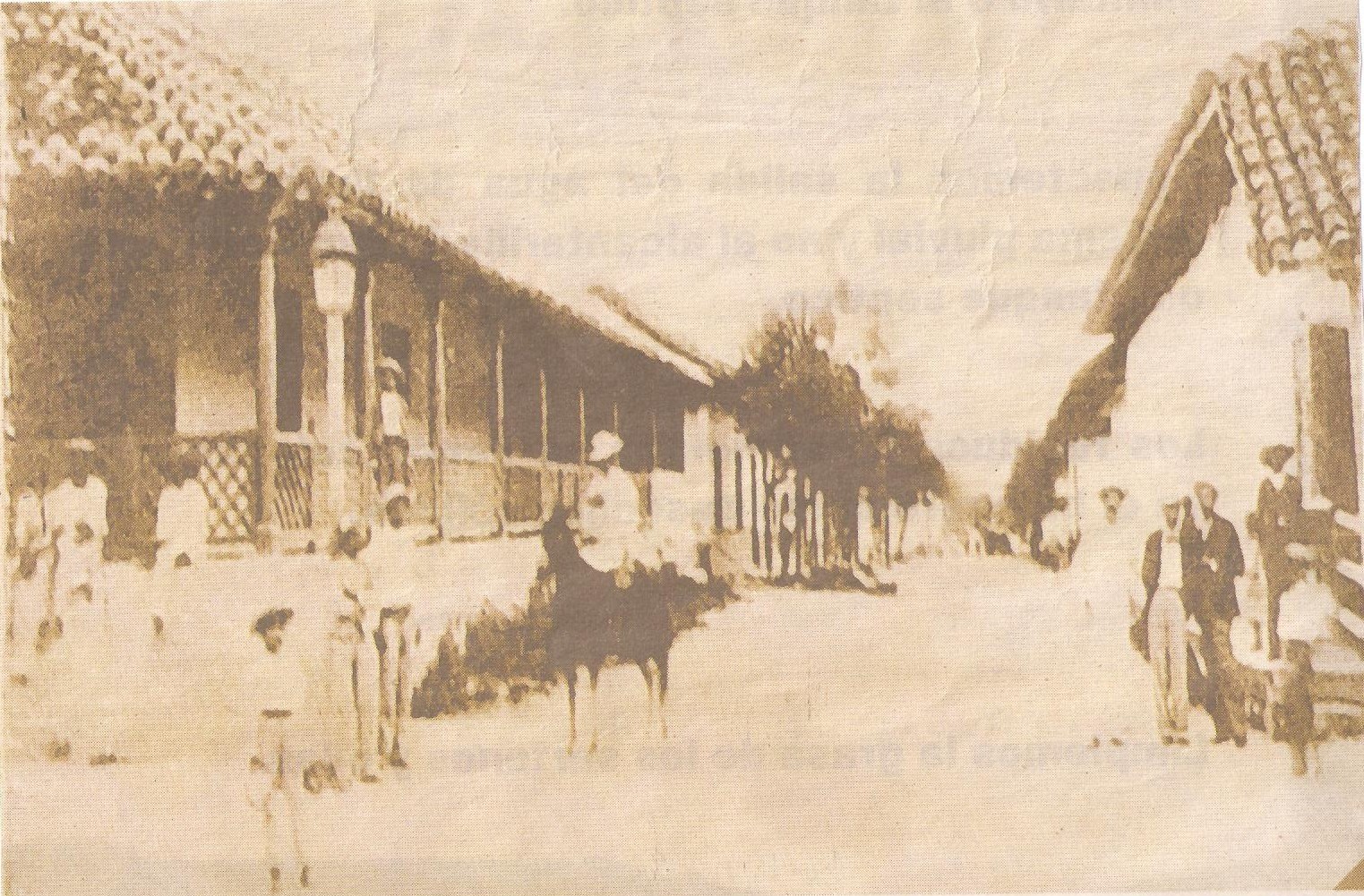
The nickname is older than the airport, the highway, and every hotel on the coast. Liberia got the name la ciudad blanca from the white gravel once used to build its roads and the whitewashed colonial houses that made up much of the city. Picture it before asphalt: pale streets under a hard dry season sun, low houses with lime-washed walls, and the whole town glowing.
The whitewash wasn't decoration. The traditional adobe homes were coated in lime to protect them from the sun, which anyone who has spent a March afternoon in Guanacaste will understand immediately. As for the gravel, some say it was hauled up from local rivers, and some of it may well have been. But you don't have to go to a riverbed to find it today. That same white stone sits in deposits all around the area, close to the surface and easy to mine, which is exactly why a young town would have used it to build its streets.
The name stuck so hard that the local football club still carries it. Municipal Liberia goes by "Los de la Ciudad Blanca," and the club often works white into its alternate kits as a nod to the city's identity.
A town that started under a tree
Liberia didn't begin as a planned city. It was founded as a hermitage on 4 September 1769 with no formal act of foundation, at the spot where the roads from Rivas, Bagaces, and Nicoya met. In colonial Costa Rica, a hermitage (ermita in Spanish) was not a hermit's hideaway. It was a small, simple chapel, the kind a rural crossroads got long before it had a proper church or a town around it. Travelers rested there, and the shade of the giant guanacaste trees sheltered both people and cattle, which is how the settlement came to be called Guanacaste.
The name "Liberia" came later. A government decree on 30 May 1854 renamed the City of Guanacaste the City of Liberia. Liberia and Guanacaste mark 25 July 1824 as their annexation day to Costa Rica, which is why the Annexation of Guanacaste holiday every July is celebrated harder here than anywhere else in the country.
Ranching shaped everything after that. Liberia grew into a major center of commerce and ranching, and you can still feel the sabanero culture at the fiestas, in the food, and in the way people talk about land.
What's left of the white roads today
The gravel streets in town are paved now, and much of the original adobe is gone. But walk the blocks around the central park and the old character is still there if you look for it: thick walls, deep doorways, and the restored stretch of Calle Real, the city's historic main street. The Museo de Guanacaste sits in the heart of Liberia and is worth an hour on a slow morning.
Go early. By eleven the sun explains the whitewash better than any history book.
Where you can still drive a white road: Curubandé
If you want to see what Liberia's streets once looked like, head out toward Curubandé. The town sits on the road up toward Rincón de la Vieja, and it still has a few of those pale gravel roads left. Drive them in the dry season and you'll get a sense of the White City before the pavement: bright dust, cattle fences, guanacaste trees, and that same white stone crunching under your tires.
It's also one of the most beautiful stretches of countryside in the province, and more of our buyers are asking about it every season. Read our full guide to living and buying in Curubandé.
Why Liberia matters if you live on the coast
Here's the part no travel guide tells you. We live in Playas del Coco, and Liberia is where life actually gets handled. It's roughly a half hour to 40 minute drive from Coco, and it's where you go for:
- The airport. Daniel Oduber International (LIR) is the reason so many of our buyers can fly in for a long weekend. Direct flights from the US and Canada changed who buys here.
- Healthcare. The regional hospital and private clinics are in Liberia.
- Big shopping days. Warehouse stores, hardware, appliances, and the errands you can't do in a beach town.
- Government paperwork. A lot of the practical side of living here runs through Liberia offices.
That's the honest trade off of beach life in Guanacaste. You get the ocean in Playas del Coco, Playa Ocotal, or Playa Hermosa, and you get a real working city close enough for a morning errand run. Buyers who understand that relationship make better decisions about where to buy.
Is Liberia itself a place to live?
Some people choose Liberia over the beach, and it makes sense for them: lower prices on average, full services, a local Tico rhythm, and the airport minutes away. It's hotter and drier than the coast and there's no ocean breeze, so it suits people who work, commute, or want city convenience more than sand.
Most of our clients land on the coast and treat Liberia as their supply town. Either way, knowing its story makes it feel less like a stop on the highway and more like part of home.
Plan your time here
If you're weighing Guanacaste and want to understand how the beach towns, Liberia, and the airport fit into daily life, that's exactly what we walk people through. We live here. We manage here.
Book a call with the Expat Properties | CR team and we'll help you figure out where you'd actually be happy living.
Frequently asked questions
Why is Liberia, Costa Rica called the White City?
Liberia earned the nickname la ciudad blanca from the white gravel once used to build its roads and the whitewashed colonial houses that made up much of the city. The traditional adobe homes were coated in lime to protect them from the Guanacaste sun, so the whole town looked pale and bright.
Where did the white gravel on Liberia's streets come from?
Some say it was hauled up from local rivers, and some of it may have been. The same white stone also sits in deposits all around the Liberia area, close to the surface and easy to mine, which made it a natural material for building the town's first streets.
When was Liberia founded, and why was it renamed?
Liberia began as a hermitage, or ermita, meaning a small, simple chapel, on 4 September 1769, where the roads from Rivas, Bagaces, and Nicoya met. The shade of the giant guanacaste trees gave the settlement its first name, Guanacaste. A government decree on 30 May 1854 renamed it the City of Liberia.
Can you still see Liberia's white roads today?
The streets in town are paved now, but the blocks around the central park still show the old character, including the restored stretch of Calle Real and the Museo de Guanacaste. To drive a real white gravel road, head out toward Curubandé on the road to Rincón de la Vieja.
How far is Liberia from Playas del Coco?
Liberia is roughly a half hour to 40 minute drive from Playas del Coco. It is where coastal residents go for the Daniel Oduber International Airport (LIR), the regional hospital and private clinics, big shopping trips, and government paperwork.
Is Liberia a good place to live?
It suits people who want city convenience: lower prices on average, full services, a local Tico rhythm, and the airport minutes away. It is hotter and drier than the coast with no ocean breeze, so most of our clients live at the beach and use Liberia as their supply town.
Historical photo, public domain, via Wikimedia Commons (reproduced in Periódico Mensaje, 2011)