Living in Harmony with Nature
What daily life with Costa Rica's biodiversity actually looks like in Guanacaste.
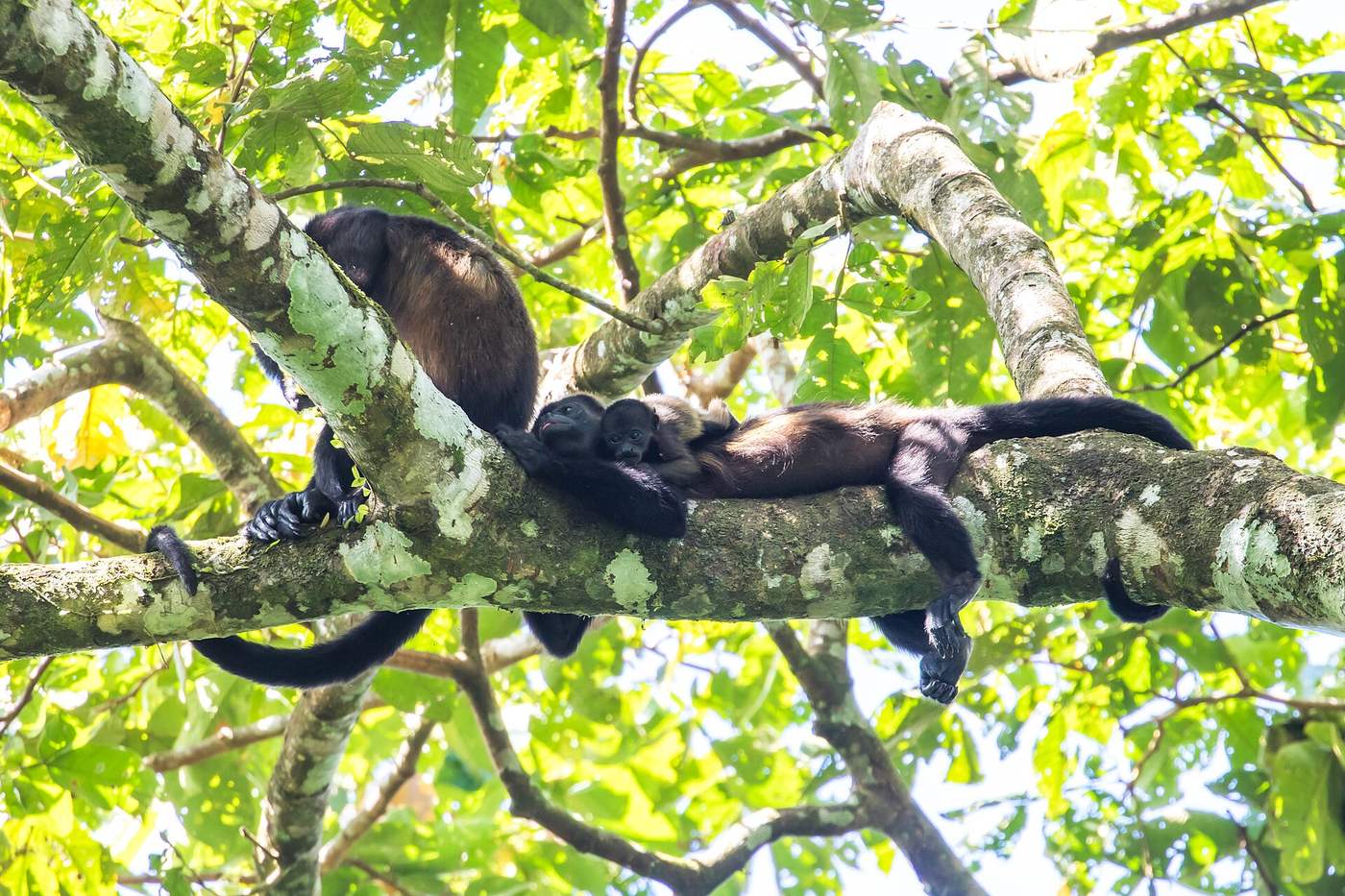
Living in harmony with nature is not a slogan in Costa Rica, it is the daily routine. The country holds roughly 5 percent of the world's known species on a tiny sliver of land, and in Guanacaste that means howler monkeys at dawn, iguanas on the pool deck, and sea turtles nesting up and down the coast.
We sell and manage homes in Playas del Coco and Ocotal, and we can tell you how most showings go. Buyers arrive with questions about prices and rental numbers. Then a troop of howlers crosses the trees behind the house, and the conversation changes. This post is our honest refresh on what living in harmony with nature here really means: the wildlife you will actually see, what grows in a garden, and the parts nobody puts in the brochure.
How biodiverse is Costa Rica, really?
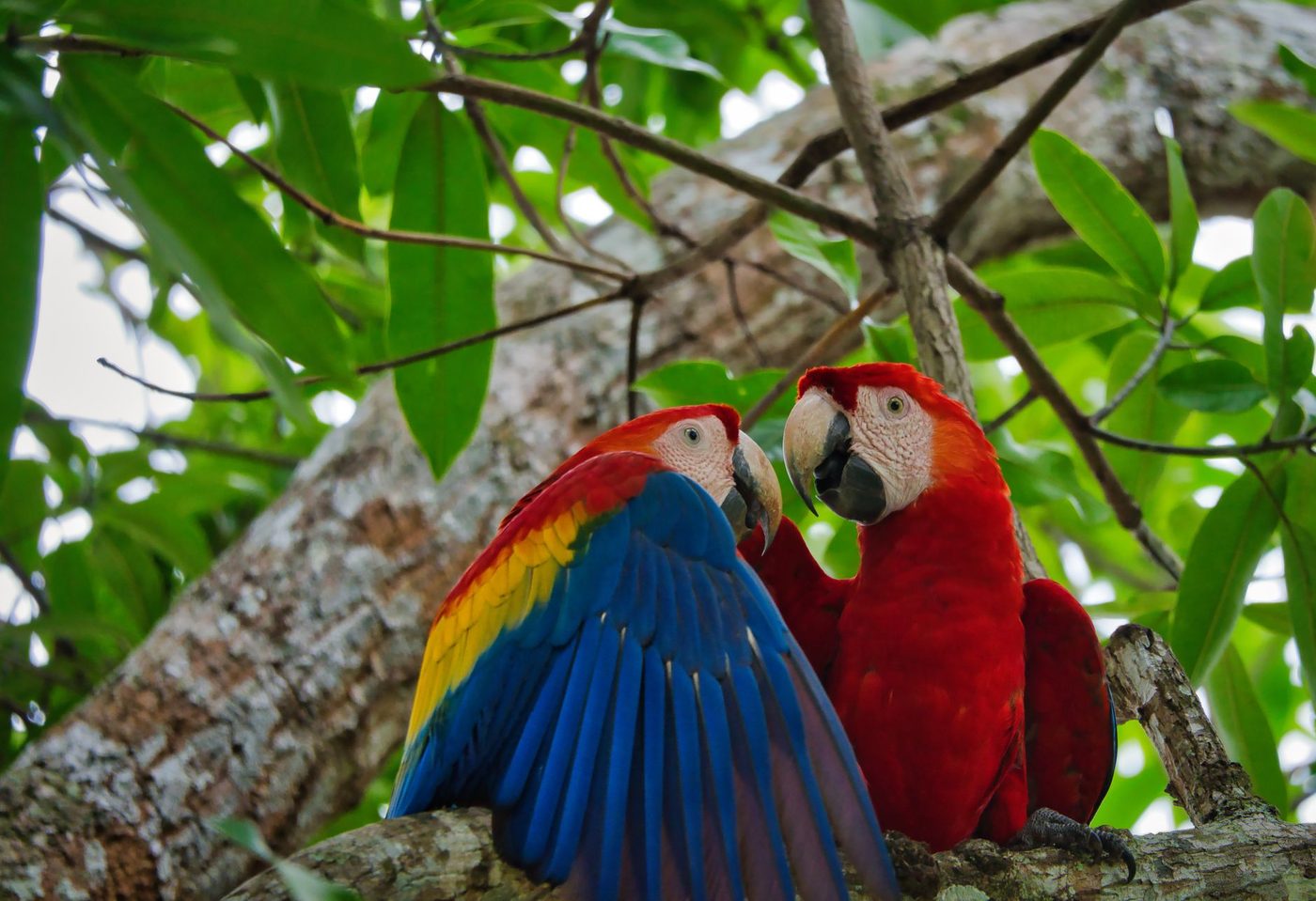
The numbers hold up to the hype. Costa Rica is home to more than 500,000 species, close to 5 percent of the species estimated to exist worldwide, on about 0.03 percent of the planet's land surface. More than 900 bird species have been recorded here, which is more than the United States and Canada combined. Four monkey species live in the country, and the mantled howler is the one you will meet in Guanacaste.
Conservation is not an afterthought either. National protected areas cover about 26 percent of the country's territory, according to the World Bank, and forest cover has recovered from a low of 40 percent in 1987 to close to 60 percent today. Costa Rica is credited as the first tropical country to reverse its own deforestation, and it received the UN's Champion of the Earth award in 2019 for that work.
What wildlife will you actually see around a home in Guanacaste?
Here is the realistic list for Coco, Ocotal, and the surrounding hills, based on what we and our owners see week to week:
- Howler monkeys. You will hear them before you see them, usually at first light. Troops move through mature trees in most neighborhoods with tree cover. They are loud, harmless, and genuinely fun neighbors.
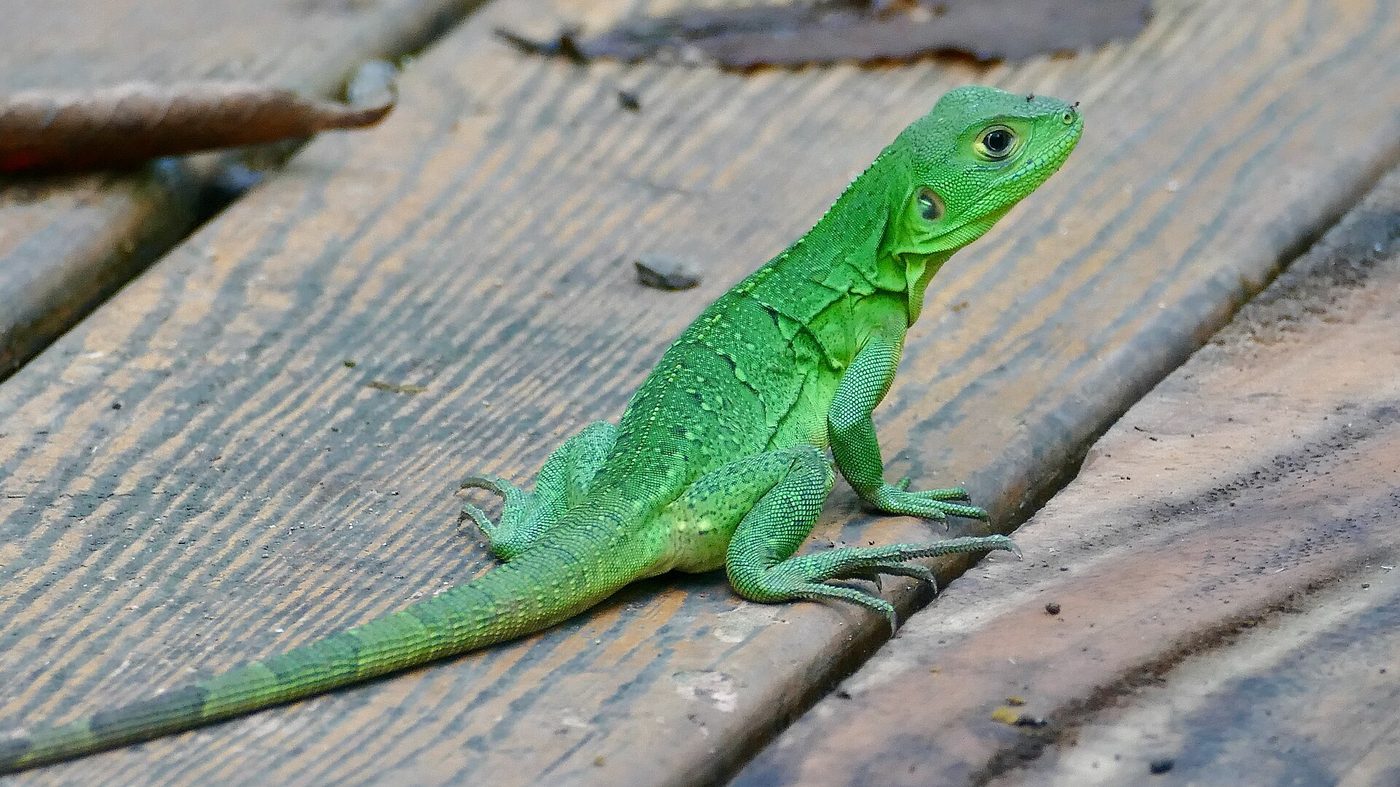
- Iguanas, ctenosaurs, and geckos. Big iguanas sunbathe on walls and pool decks. House geckos chirp at night and quietly handle your insect control.
- Birds, everywhere. White-throated magpie-jays, parakeets, orioles, motmots, and hummingbirds are daily visitors. We will be honest: toucans are not common in the dry forest around Coco. If a daily toucan is the dream, that is more of a southern Caribbean and rainforest thing.
- Coatis and squirrels. Coatis travel in curious groups near forested lots and green zones.
- Sea life. Pelicans work the bay, and sea turtles nest along this coast. Leatherback turtles nest inside the protected beaches of the Área de Conservación Guanacaste north of us, and Ostional, down the Nicoya coast, is famous for mass olive ridley nesting events.
Sloths are the one headline animal to manage expectations about. They prefer wetter forest, so around Coco a sloth sighting is a treat, not a routine. For a deeper species-by-species look, see our post on the wildlife of Guanacaste.
What grows in a Guanacaste garden?
Almost anything, in the green season. Mango, papaya, and banana trees produce fruit you can pick in your own yard. Bougainvillea and hibiscus bloom with very little care. The Guanacaste tree, the province's namesake and Costa Rica's national tree, throws shade over whole yards and feeds a small ecosystem of birds and insects.
The honest part: gardens here are planned around two seasons, not four. From roughly December through April almost no rain falls, so anything lush needs irrigation, and many owners lean on drought-tolerant native plants instead of fighting the climate. Get the plant list right and your garden becomes a hummingbird and butterfly stop with almost no maintenance.
Is Guanacaste jungle? The honest answer
No, and we would rather you hear it from us. Coastal Guanacaste is tropical dry forest, one of the rarest and most threatened forest types in Central America. In the dry season many trees drop their leaves, the hills turn gold and brown, and the landscape looks more like Africa's savannah than a rainforest postcard. Then the rains arrive around May and everything turns green within weeks.
Plenty of people, us included, consider that seasonal change a feature. The dry months bring reliable sun and calm seas. The green season brings waterfalls, dramatic skies, and lower prices. If you want to time a scouting trip around the seasons, our guide to the best time to go to Costa Rica breaks it down month by month.
How does Costa Rica protect all of this?
Guanacaste is home to one of the country's flagship conservation stories. The Área de Conservación Guanacaste, a UNESCO World Heritage Site since 1999, protects about 147,000 hectares of land and sea, including the largest remaining block of tropical dry forest in the region, with roughly 7,000 plant species and around 500 bird species inside its boundaries. It sits less than an hour north of Liberia's airport, so it is a realistic day trip from Coco.
Beyond the parks, Costa Rica pays landowners to keep forest standing through its long-running payment for environmental services program. That policy, plus the protected areas, is why the forests came back. As a property owner you feel this in small ways: mature trees are valued, many communities set aside green zones and wildlife corridors, and cutting significant trees typically requires a permit. Ask before you cut, always.
How do you live well alongside the wildlife?
A few habits make the difference between loving the nature here and fighting it:
- Never feed the monkeys. It harms their health and teaches them to raid kitchens. Enjoy them from a respectful distance.
- Keep native trees when you can. They are your shade, your birdsong, and your property value.
- Go easy on pesticides. Geckos, birds, and bats do most of the pest control for free if you let them.
- Screen and seal. Good screens and sealed food storage solve 90 percent of the everyday insect complaints we hear from new arrivals.
- Secure your trash. Coatis and raccoons are clever, and a latched bin saves everyone a bad morning.
None of this is a burden. It is the same easygoing coexistence Ticos have practiced for generations, and it is a big part of why the wildlife is still here to enjoy.
Where does that leave you?
If you want to wake up to howler monkeys and pick mangoes off your own tree, Guanacaste delivers, as long as you come with clear eyes about the dry season and the occasional gecko roommate. We live here, we manage 60+ vacation rentals in Coco and Ocotal, and we are happy to tell you exactly which neighborhoods have the tree cover and the wildlife.
Start by browsing our current listings, read up on Playas del Coco, or send Expat Properties | CR a message on WhatsApp and ask us anything, including which houses the howlers visit most.
Frequently asked questions
Will I really see monkeys in Playas del Coco?
Yes, if there are mature trees nearby. Mantled howler monkeys move through wooded neighborhoods around Coco and Ocotal regularly, and you will hear their calls at dawn even when you do not see them. White-faced capuchins appear less often in town. Lots with big trees or bordering green zones get the most visits.
Is Guanacaste rainforest or dry forest?
Coastal Guanacaste is tropical dry forest, not rainforest. From roughly December to April many trees drop their leaves and the hills turn brown and gold, then the green season rains transform everything from May onward. If you want year-round deep green and daily sloths, look at wetter regions; if you want reliable sun, Guanacaste wins.
Do I need to worry about snakes and bugs in Costa Rica?
Less than most newcomers expect. Good screens, sealed food storage, and sensible landscaping handle the vast majority of insect issues. Snakes exist but are rarely seen in beach towns like Coco; the standard advice is to watch your step on trails and keep grass trimmed. Geckos and birds do a lot of pest control for you.
Cover photo: cricketsblog, CC BY 2.0, via Wikimedia Commons · Photo: Bernard DUPONT, CC BY-SA 2.0, via Wikimedia Commons