Living in San José, Costa Rica: What Expats Should Know
Climate, neighborhoods, health care, getting around and the real trade-offs of life in Costa Rica's capital region.
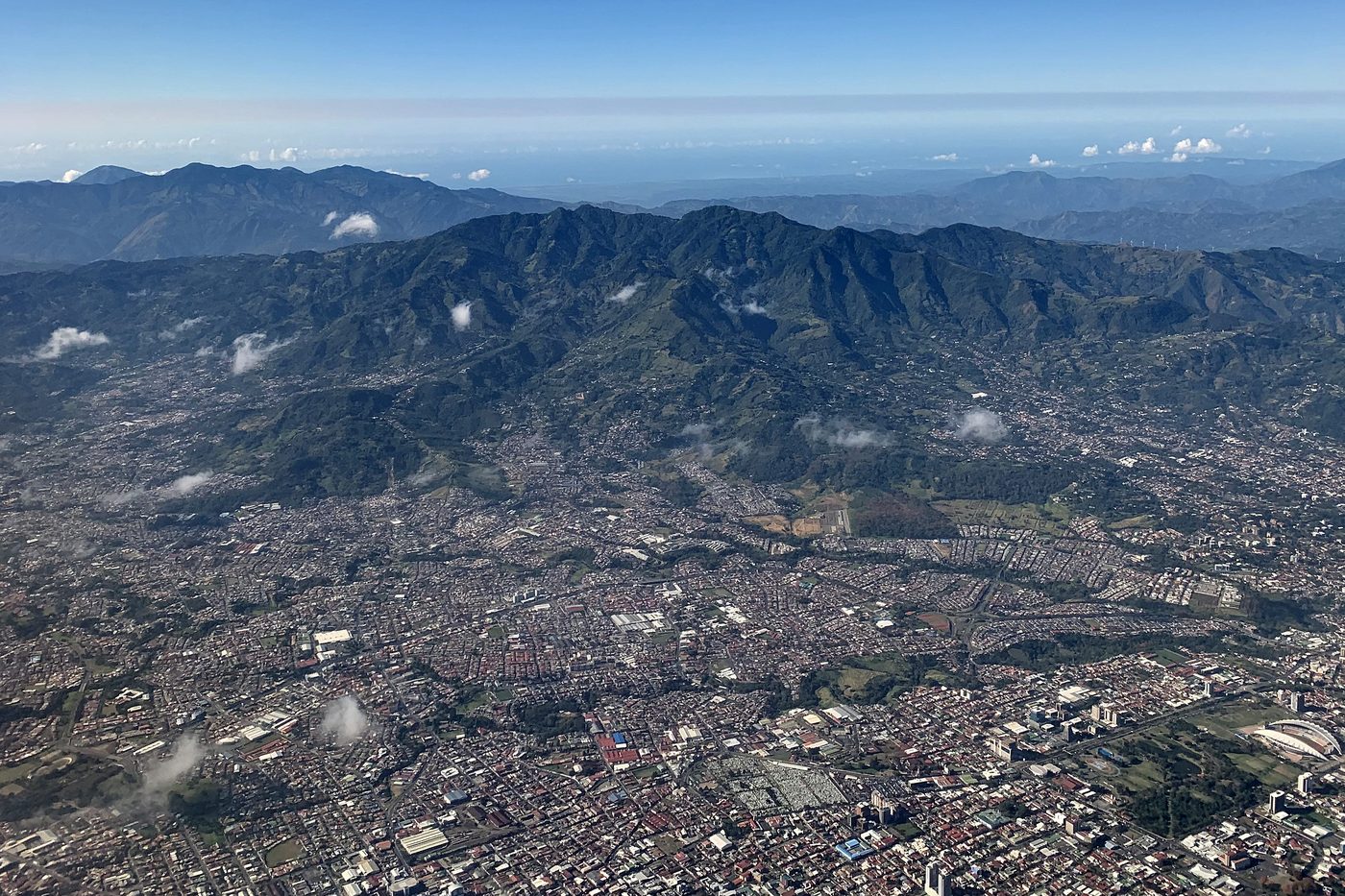
Living in San José, Costa Rica usually means living in the Central Valley around the capital, not downtown. Expats choose suburbs such as Escazú and Santa Ana or city neighborhoods like Rohrmoser and Barrio Escalante for a mild climate all year, the country's best private hospitals, international schools, culture and the main international airport, trading beach life for convenience.
Our team lives at the beach in Guanacaste, but many of our clients split their time between the city and the coast, or start in the Central Valley before buying a beach home. This guide covers what life around San José is really like, and how to decide whether it fits you.
Why do expats choose San José over the beach?
Four reasons come up again and again: health care, schools, work and flights. The country's leading private hospitals are in the San José area, along with most international schools, the embassies, the big employers and Juan Santamaría International Airport, the country's main gateway. If you need to see specialists regularly, have children in school or fly often, living near the capital simplifies life enormously.
The climate is the other draw. The Central Valley is much cooler than the coast. The tourism board's Central Valley climate guide puts the western valley at about 1,100 meters above sea level and the eastern valley at about 1,300, with a dry season from December through March and rain from May through October. Many people never install air conditioning.
Downtown San José versus the suburbs
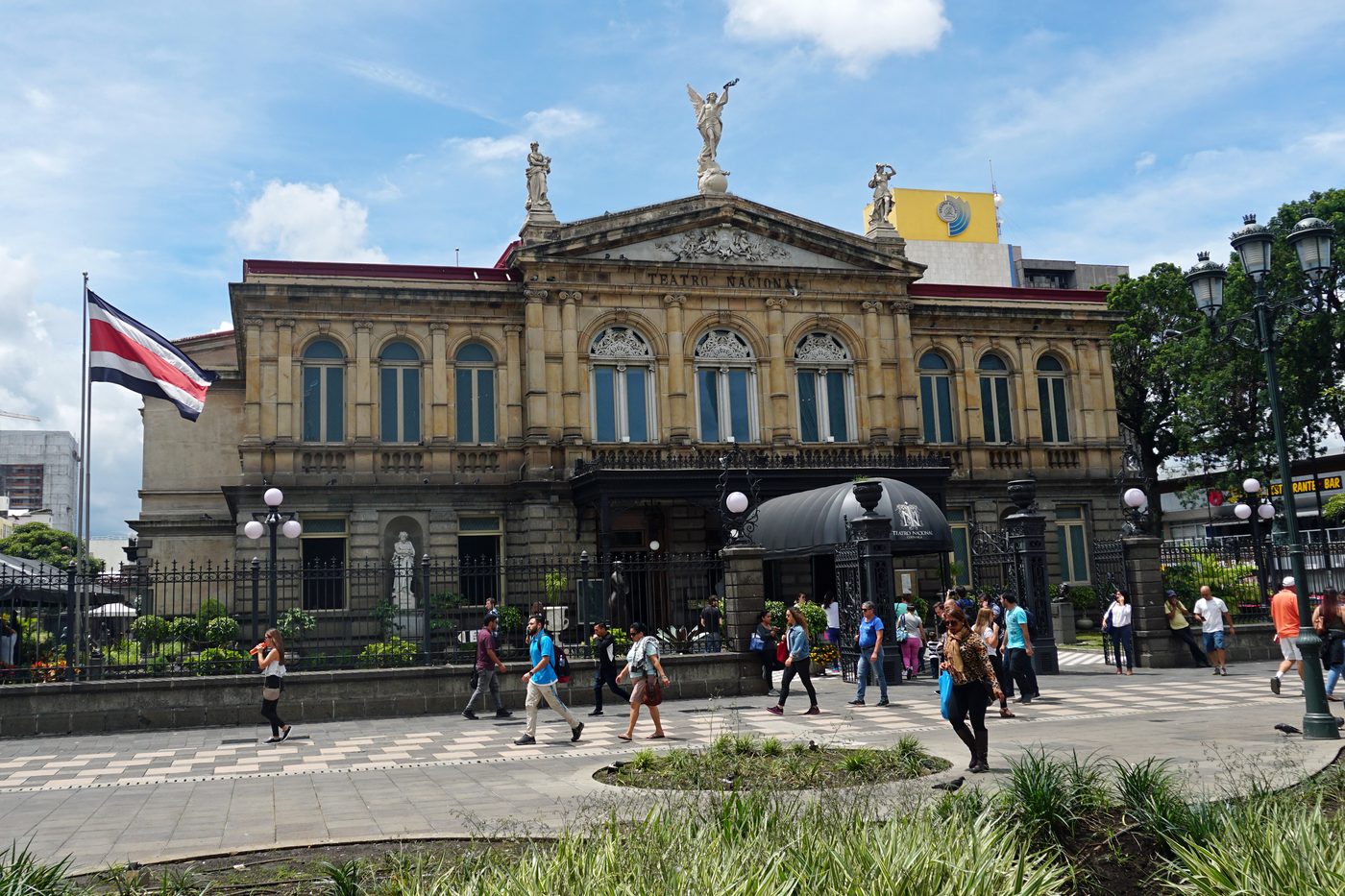
Downtown San José is the country's government and business center, with pedestrian streets, markets, museums, parks and the National Theater, one of the most beautiful buildings in Central America. Few expats live right in the center. Housing is limited, it is busy and noisy, and petty crime is more common around bus terminals and crowded streets.
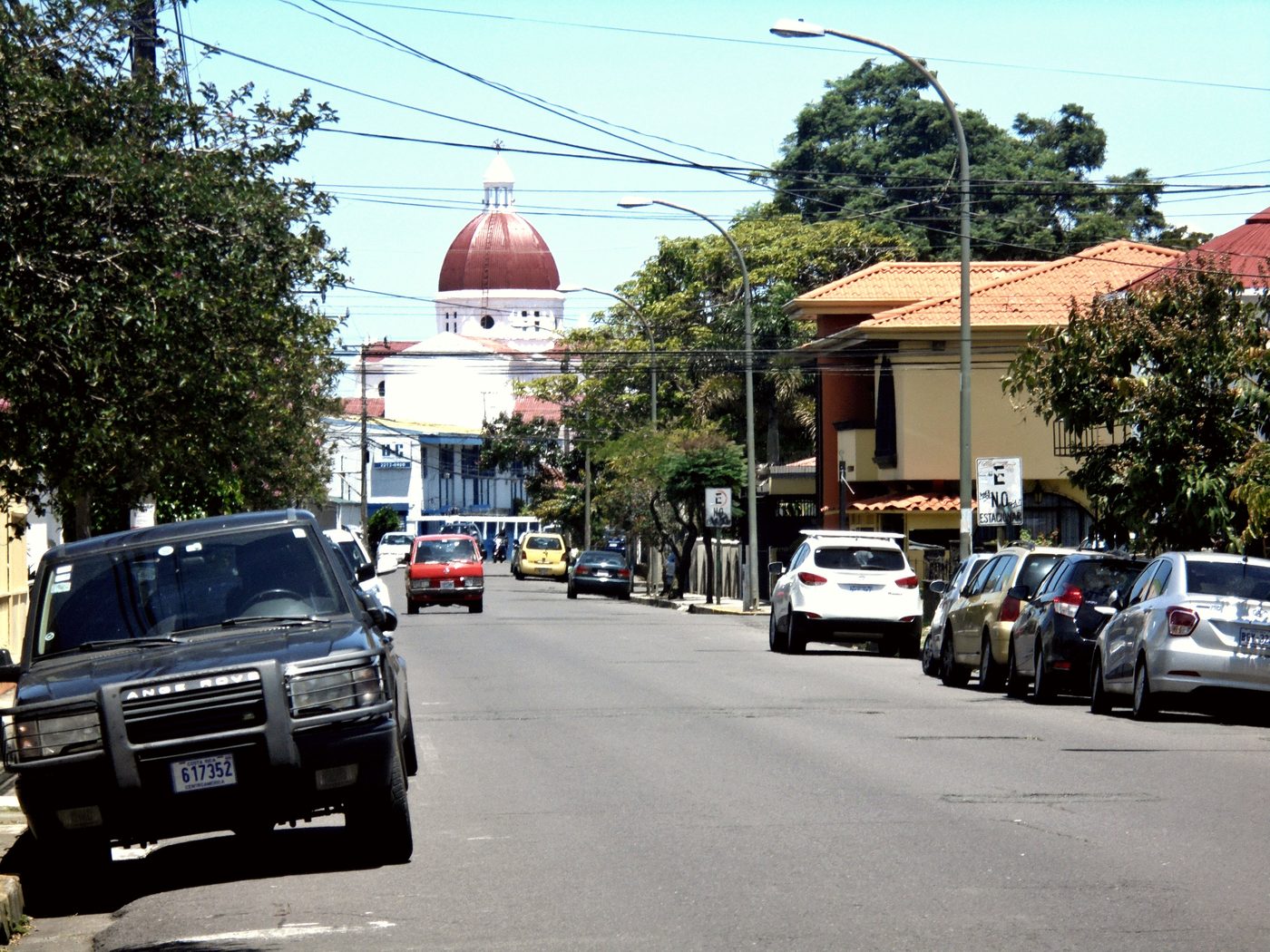
Instead, people live in the ring of neighborhoods and suburbs around it, each with a distinct personality. We review each one in detail, with pros and trade-offs, in our San José neighborhood guide. The short version:
- Escazú: upscale, English-friendly, with Hospital CIMA, major malls, international schools and the country's biggest concentration of North American expats.
- Santa Ana: just west of Escazú, sunnier and drier, suburban, on the highway to the Pacific beaches.
- Rohrmoser and La Sabana: established residential streets, embassies and the city's largest park.
- Barrio Escalante and Los Yoses: walkable, historic and home to San José's best-known restaurant district.
- Curridabat and San Pedro: younger and more Costa Rican, around the University of Costa Rica.
If you are deciding between the two western favorites, read our comparison of Escazú and Santa Ana.
Health care around San José
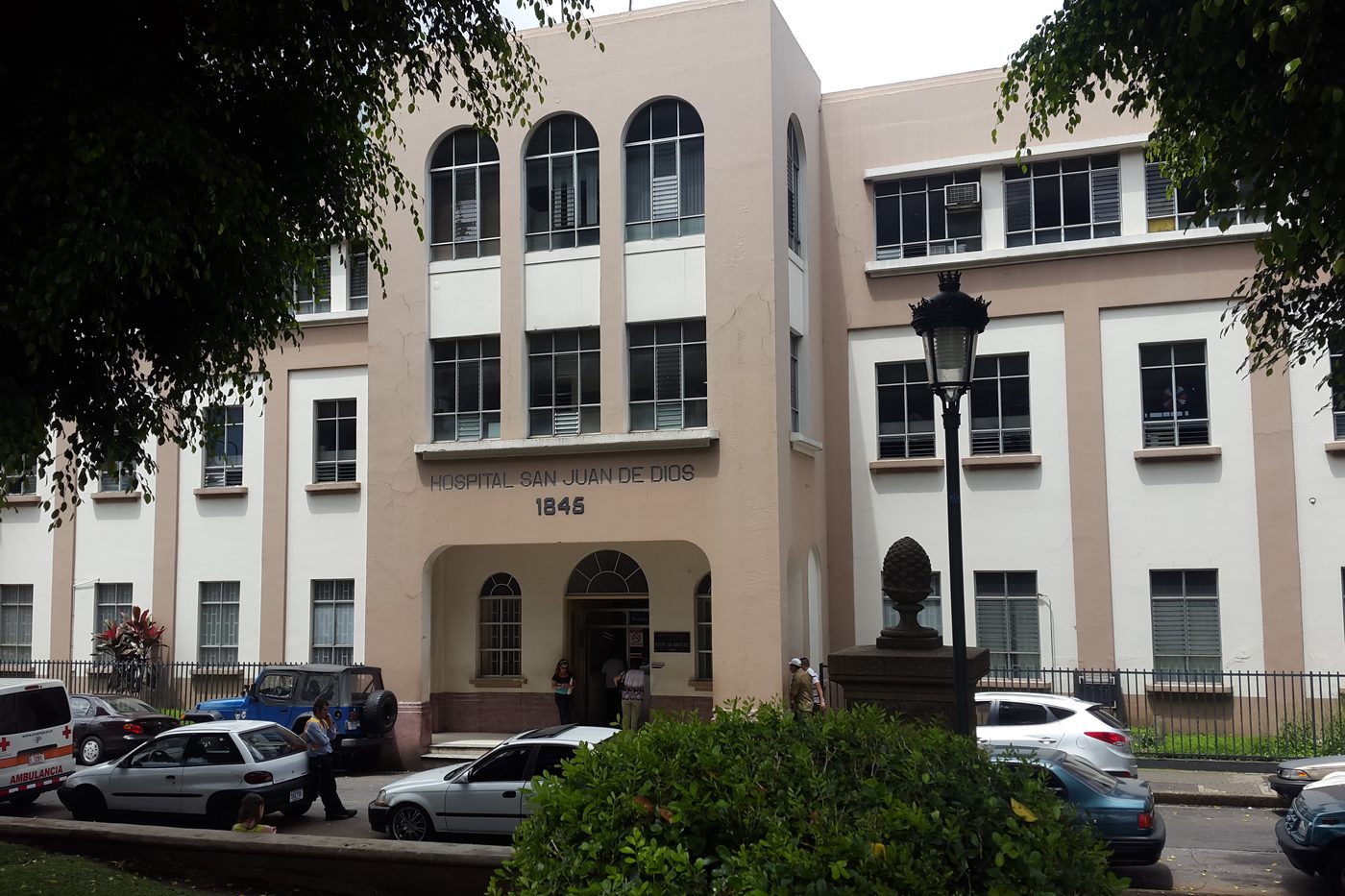
This is the single biggest reason retirees live near the capital. Costa Rica has a public system run by the CCSS, known as the Caja, with large national hospitals in San José, and a strong private sector. Hospital CIMA in Escazú is accredited by Joint Commission International, and Hospital Clínica Bíblica has held the same accreditation since 2007, according to La República. Our guide to private hospitals in San José covers the options, and our article on health insurance in Costa Rica explains how the Caja and private insurance fit together.
Getting around: traffic is the real cost
If there is one complaint every San José resident shares, it is traffic. The road network has not kept up with growth, and rush hour can turn a short drive into a long one. Choose your neighborhood based on where you will go most often: work, school, the hospital you prefer, or the road to the beach.
Route 27, the toll highway from San José toward the Pacific, is a good example. It is the fastest way to the Central Pacific beaches, but it runs over capacity at peak times, and as of April 2026 the planned expansion had been scaled back to a first phase between Escazú and Atenas, with no start date. Ride-hailing apps and taxis are widely used, and many residents of walkable neighborhoods like Barrio Escalante manage without a car.
Culture, food and weekends
San José is where Costa Rica's cultural life happens: theater, concerts, museums of gold, jade and national history, galleries and a fast-growing restaurant scene. Barrio Escalante's restaurant row is the best-known example, and our Barrio Escalante guide is a good place to start. Weekends are for coffee farms and volcanoes in the hills around the valley, or the beach. The Central Pacific beaches at Jacó and Playa Hermosa are roughly an hour and a half from the western suburbs, which is why so many city residents also own on that coast.
What does it cost to live in San José?
It depends almost entirely on the neighborhood. Escazú and Santa Ana are among the most expensive areas in the country, while the east side and the suburbs farther out cost less. Day to day, the city has the most competition and choice in Costa Rica, from local farmers markets to imported goods. You will usually spend less on electricity than at the beach, since many homes need little or no air conditioning, and more on cars and time in traffic. For a broader view, see our honest answer to whether Costa Rica is still cheap.
Residency, paperwork and the capital
Living near San José also makes paperwork easier. Immigration, many government offices, banks' main branches, notaries and most embassies are in or around the capital, so residency appointments, document legalizations and bank visits are a short drive instead of a long trip. If you are planning residency, our guides to the pensionado visa, rentista residency and the digital nomad visa explain the main paths. Always confirm current requirements with a licensed immigration attorney.
Schools and families
The Central Valley has the widest choice of international and bilingual schools in the country, with American, British, IB and bilingual Costa Rican programs. Many are in the western suburbs around Escazú and Santa Ana, and others are spread across the valley. Because traffic is the hidden cost of city life, families usually choose the school first and the neighborhood second, so the daily school run stays short.
Is San José safe?
Like any capital, it depends on the area. Petty theft is the most common problem, particularly downtown, around bus terminals and in crowded places. The residential neighborhoods expats choose are generally calm, and most buyers prefer buildings or communities with security. Use ride-hailing apps or taxis at night, keep your phone out of sight on quiet streets and never leave valuables visible in a parked car.
City, beach, or both?
Many of our buyers end up with both: a base near San José for health care, school or work, and a beach home for weekends and high season, often rented out the rest of the year. If that sounds like you, the Central Pacific is the closest coast, and Guanacaste is a short flight to Liberia away.
Expat Properties | CR helps buyers compare where to live and where to invest. Tell us how you want to split your time, and we will help you work out the right combination.
Frequently asked questions
Is San José, Costa Rica a good place for expats to live?
For many people, yes, especially those who need regular medical care, international schools, frequent flights or city culture. Most expats live in the suburbs and neighborhoods around downtown, such as Escazú, Santa Ana, Rohrmoser or Barrio Escalante, rather than in the center itself, and enjoy a mild climate all year.
What is the weather like in San José, Costa Rica?
Mild and spring-like. The Central Valley sits at roughly 1,100 to 1,300 meters above sea level, so it is far cooler than the coast. The dry season runs from about December to March or April, and the rainy season from May to October or November, with a short dry spell around late June.
Where do most expats live in San José?
Escazú is the best-known expat area, popular with families and retirees for its private hospital, international schools and malls. Santa Ana is sunnier and more relaxed. Rohrmoser suits people who want city living near La Sabana Park, and Barrio Escalante and San Pedro attract younger expats who want restaurants, culture and walkability.
Cover photo: Mariordo (Mario Roberto Durán Ortiz), CC BY-SA 4.0, via Wikimedia Commons · Photo: Mariordo (Mario Roberto Durán Ortiz), CC BY-SA 4.0, via Wikimedia Commons