Rentista Residency: Costa Rica's Income-Based Visa
How to qualify for Costa Rica residency with steady income instead of a pension or a property purchase.
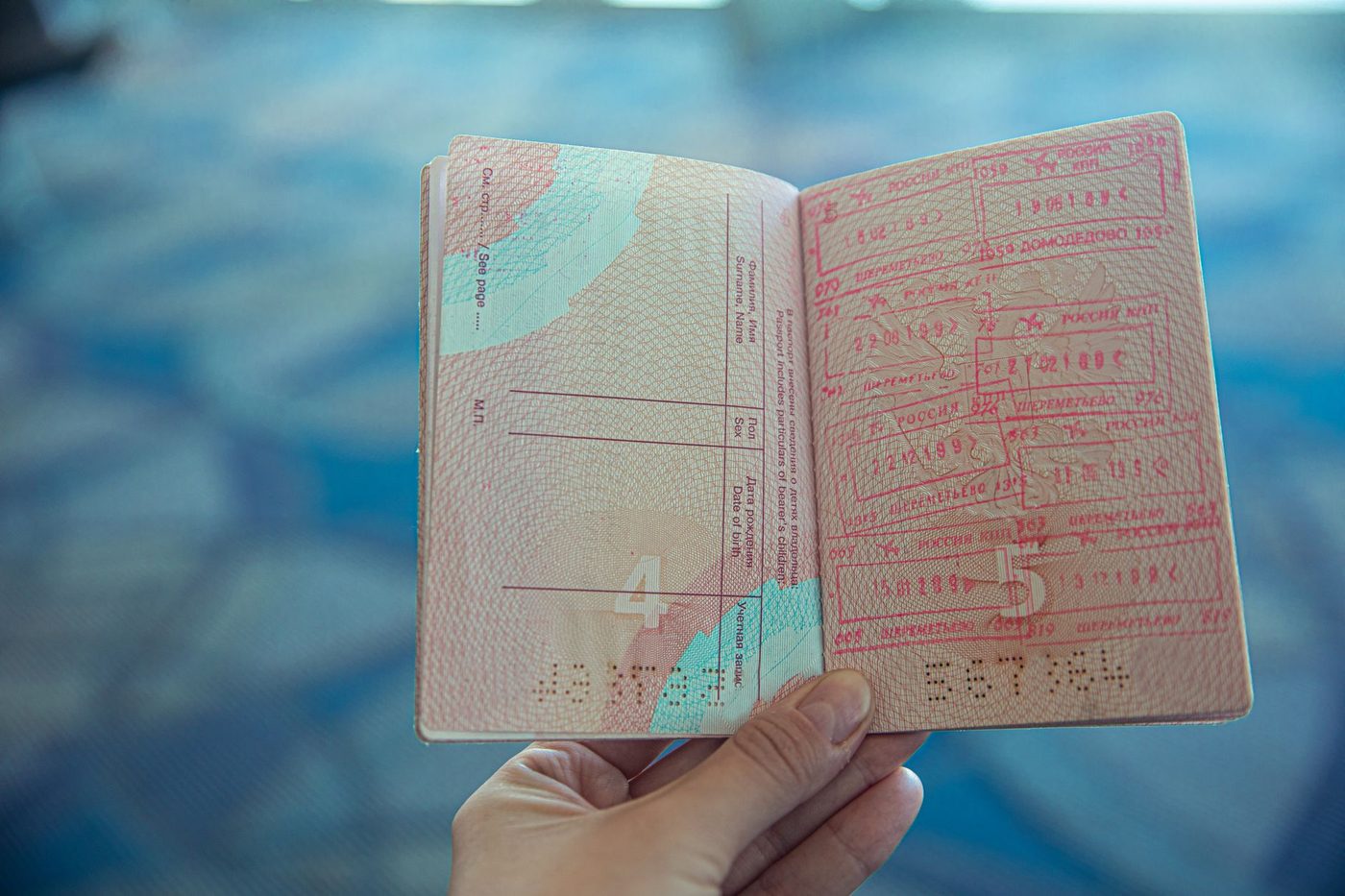
The rentista visa is Costa Rica's income-based residency. To qualify, you show stable income of at least US$2,500 per month, guaranteed for two years, or you place a US$60,000 deposit in an approved Costa Rican bank. It is a temporary residency that renews, and after three years you can apply for permanent residency.
We meet a lot of people in Playas del Coco who want to move here but do not fit the two residency routes everyone talks about. They are not retired, so a pension-based application is off the table. They are not ready to invest US$150,000 either. The rentista visa in Costa Rica exists for exactly this group: people with steady income who simply want to live here legally. It completes the residency trilogy we have been writing about, alongside the pensionado visa and the inversionista path.
What is the rentista visa?
Rentista means "person of income" in Spanish. The category is one of Costa Rica's temporary residency options, aimed at foreigners who can support themselves without taking a local job. Unlike the pensionado category, the money does not need to come from a pension. Unlike the inversionista category, you do not need to buy anything. You just need to prove the income will keep arriving.
Who actually uses it? In our experience around Coco and Ocotal, rentista applicants tend to be working-age expats: people living on investment income, savings, business distributions from back home, or remote earnings they can structure as guaranteed income. Families with school-age kids use it. So do early retirees in their 40s and 50s who left work before their pensions started paying.
What are the Costa Rica rentista requirements in 2026?
There are two ways to meet the financial test, and you only need one of them:
- The income route. Prove a stable income of at least US$2,500 per month, guaranteed for a minimum of two years. In practice this usually means a formal letter from a bank or financial institution confirming it will pay you that amount monthly. Guides such as Investing Costa Rica confirm the US$2,500 figure, and immigration attorneys report that banks have become stricter about how the income is documented.
- The deposit route. Place US$60,000 in a Costa Rican bank, structured so you can withdraw US$2,500 per month over two years. This is the cleaner path for people whose income is real but hard to certify, such as freelancers or business owners with variable months.
Beyond the money, the document list looks like most Costa Rican residency applications: a police clearance certificate from your home country, a birth certificate, a marriage certificate if it applies, all apostilled and translated into Spanish by a certified translator. You file with the Dirección General de Migración y Extranjería, Costa Rica's immigration authority. Requirements change, so treat this as a map, not legal advice, and hire a good immigration attorney before you start collecting paperwork. The same advice we give about property closings in our post on hiring a good lawyer in Costa Rica applies double to residency files.
Rentista, pensionado, or inversionista: which one fits you?
Here is the honest comparison, using the figures cited by current residency guides:
- Pensionado: US$1,000 per month from a pension, retirement fund, or Social Security. The cheapest route by far, but the income must come from a pension source. We cover it in detail in our pensionado residency guide.
- Rentista: US$2,500 per month guaranteed for two years, or the US$60,000 deposit. The route for people with income but no pension.
- Inversionista: a qualifying investment of at least US$150,000, which real estate can satisfy. We walk through it in our residency by investment post.
There is also the digital nomad visa, which requires US$3,000 per month for individuals or US$4,000 for families, but it is a shorter-term permit rather than a residency track. If you are still weighing categories, our older overview of visas in Costa Rica is a useful starting point.
The tradeoff is straightforward. Rentista asks for two and a half times the pensionado income, or it ties up US$60,000 in a bank account earning little. What you get in exchange is flexibility: no pension needed, no property purchase required, and a clear path to permanent status.
Can you work in Costa Rica as a rentista?
Not as an employee. Rentista residents cannot take a salaried job with a Costa Rican employer. You can own a business here and receive its income, and you can keep earning from sources outside the country. For most of the expats we know in Coco, that distinction does not bite: their income already comes from abroad, or from a business they own rather than a paycheck.
One cost people forget to budget: the Caja. Enrollment in Costa Rica's public health system, the CCSS, is mandatory for residents. Contributions are based on your declared income, and guides currently estimate typical payments between US$60 and US$300 per month. Confirm your number with an accountant before you apply, because it recurs every month for as long as you hold residency.
What happened to the Law 9996 incentives?
You may have read about Law 9996, the 2021 law that gave investors, rentistas, and pensionados duty-free household goods, vehicle import breaks, and other perks. That incentive window ran for five years from the law's publication on July 14, 2021, and it closed in July 2026. The rentista category itself is not going anywhere. What changed is that new applicants should no longer count on the special import and tax benefits unless the government extends them. Plan your budget as if they are gone, and treat anything you recover as a bonus.
How does rentista residency lead to permanent residency?
Rentista status is temporary residency. You maintain it, renew it, and keep your Caja payments current. After three years of temporary residency you can apply for permanent residency, which removes the salaried-work restriction and drops the income-proof requirement at renewal. Many people treat rentista as exactly that: a three-year bridge to permanent status. Presence rules and renewal details shift over time, so have your attorney confirm how much time you need to spend in the country each year to keep your file clean.
Does the rentista visa make sense if you are moving to Guanacaste?
We think it is the most practical route for working-age movers, and we see it used successfully here. A couple with US$2,500 in reliable monthly income can rent a condo in Coco, put the kids in school, and live a full life while the residency clock runs. If you are still deciding whether to rent first or buy right away, our post on renting vs. buying property in Costa Rica lays out how we think about that sequence, and our guide to the cost of living in Costa Rica helps you test whether US$2,500 per month actually covers your lifestyle. In Coco, for a couple without debt, it generally can, though beach-town extras add up faster than people expect.
One more honest note: the rentista route does not require you to buy property, and we would never tell you it does. Plenty of our rentista neighbors rented for years before buying, and some never buy at all. That said, if ownership is part of your plan, the money you would park in a US$60,000 deposit sometimes works harder as part of a down payment, and at US$150,000 the inversionista category starts to compete. Run both numbers before you choose a lane.
If Playas del Coco is on your shortlist, we are happy to help you think it through. Browse our current listings to see what homes and condos cost here, or send us a message and tell us what your move looks like. We live here, we have watched neighbors and clients go through this process for years, and we will give you a straight answer about whether Coco fits yours.
Frequently asked questions
How much income do you need for the rentista visa in Costa Rica?
You need to prove a stable income of at least US$2,500 per month, guaranteed for a minimum of two years. Most applicants document this with a formal letter from a bank or financial institution. The income does not need to come from a pension, which is what separates rentista from the pensionado category. Confirm current requirements with a licensed immigration attorney before applying.
Can I use savings instead of monthly income for rentista residency?
Yes. Instead of proving US$2,500 in monthly income, you can deposit US$60,000 in an approved Costa Rican bank, structured so you can withdraw US$2,500 per month over two years. This route suits freelancers and business owners whose real income is hard to certify. Ask an immigration attorney which banks currently accept these deposits and how they must be set up.
Can rentista residents work in Costa Rica?
Not as salaried employees. Rentista is a temporary residency that lets you live in Costa Rica, own a business, and receive business or foreign income, but it does not authorize local employment. After three years of temporary residency you can apply for permanent residency, which removes the work restriction. You must also enroll in the Caja, Costa Rica's public health system.
Cover photo: Ekaterina Belinskaya, Pexels · Photo: Robert Rexach www.mkt3000.com, Public domain, via Wikimedia Commons