Military Abolition Day in Costa Rica
Why December 1 celebrates the year Costa Rica traded its army for schools, parks, and peace.
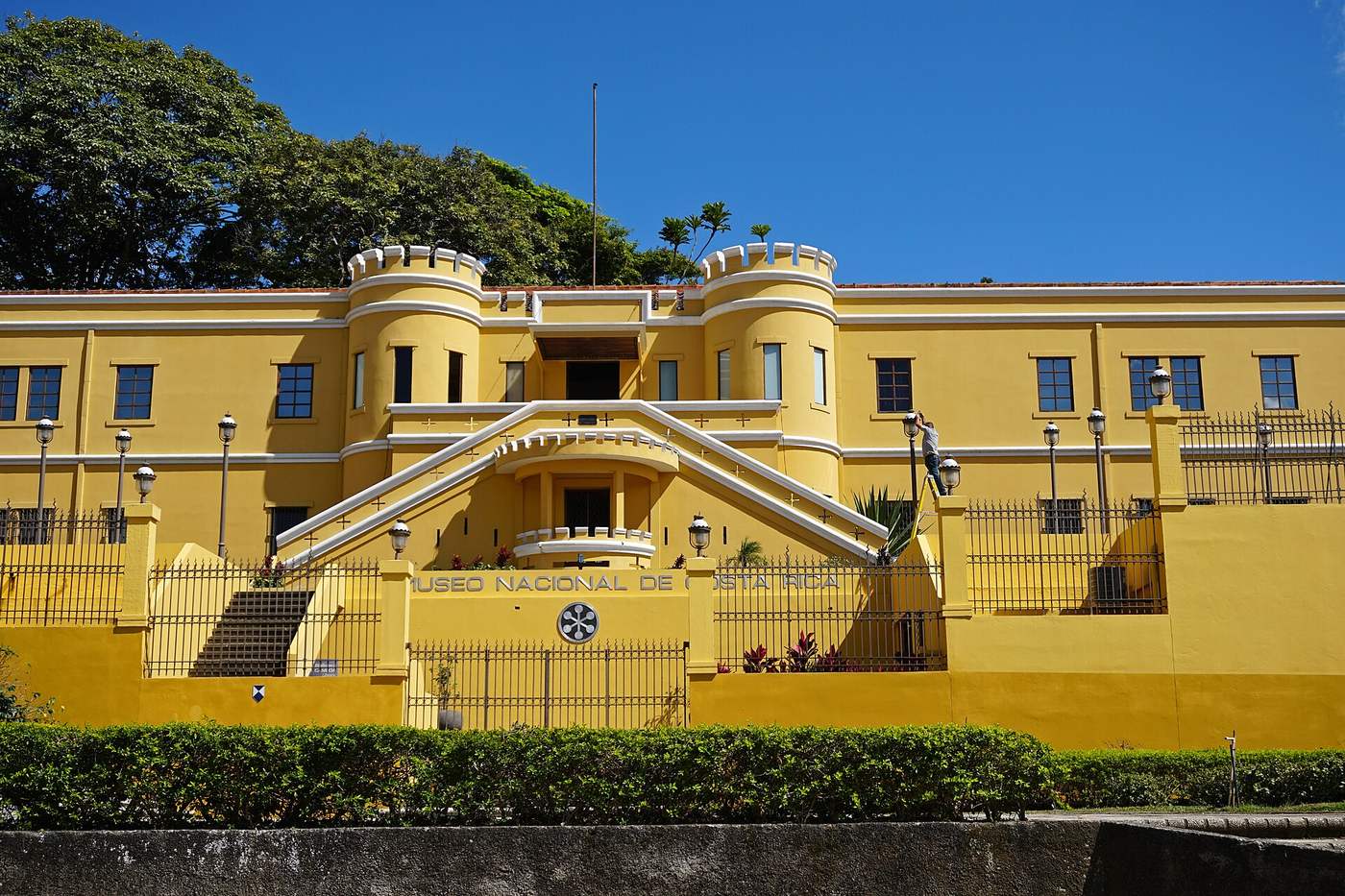
Military Abolition Day in Costa Rica falls on December 1 each year. It commemorates December 1, 1948, when José Figueres Ferrer dissolved the country's army at the Bellavista Barracks in San José. Since 2020 it has been an official national holiday, and the money once spent on soldiers still goes to schools, healthcare, and national parks.
We get asked about this holiday a lot, usually with a raised eyebrow. A country with no army? For more than 75 years? It sounds like a slogan, but it is written into the Constitution, and it shapes daily life here in ways you feel quickly once you move to Guanacaste. Here is the real story behind Military Abolition Day in Costa Rica, updated with what the holiday looks like in 2026.
Why did Costa Rica abolish its army?
The short answer: a civil war ended, and the winner gave up his own strongest weapon.
In 1948, Costa Rica fought a brief civil war after a disputed presidential election. José Figueres Ferrer led the winning side and headed the founding junta of the Second Republic. On December 1, 1948, at the Bellavista Barracks in San José, he announced the permanent dissolution of the armed forces. In the famous symbolic act, he swung a sledgehammer into the fortress wall. According to the World Future Council's account of the abolition, Figueres declared:
"The Regular Army of Costa Rica today gives the key to its military base to the schools."
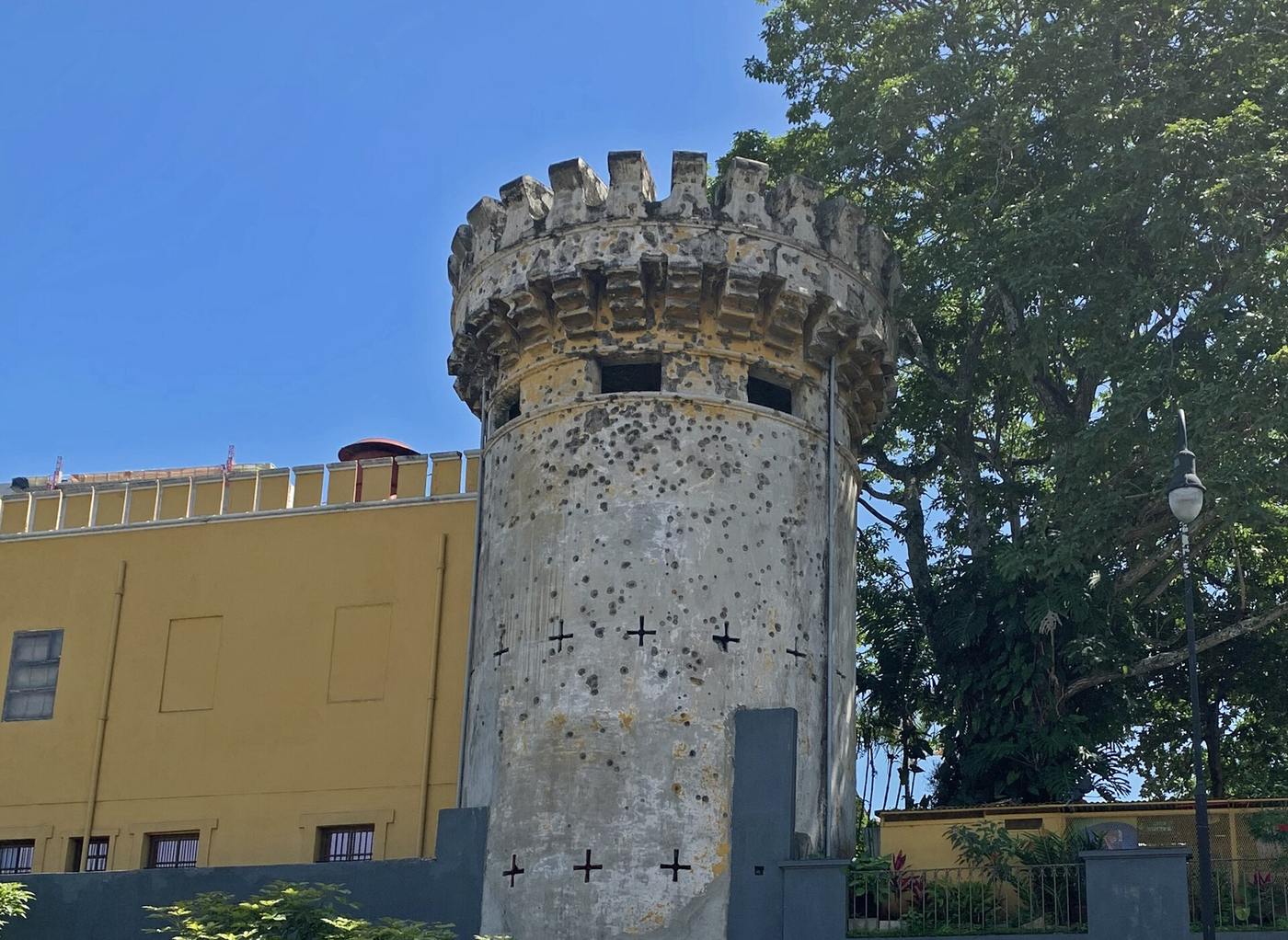
He meant it literally. The Bellavista Barracks were handed over to become the Museo Nacional de Costa Rica, the National Museum, which still occupies the old fortress today. You can visit it in downtown San José and see the bullet marks on the turrets from 1948.
The reasoning was practical as much as idealistic. A standing army had been the tool of coups across Latin America. Removing it protected the young democracy from its own soldiers, and it freed up the budget for things a small country actually needed: classrooms, clinics, and roads.
What does the Constitution actually say?
The decision became permanent law in the Constitution of 1949. Article 12 states plainly: "The Army as a permanent institution is abolished." The same article allows police forces for public order and permits military forces to be organized only under a continental agreement or for national defense, and always subordinate to civilian power.
So Costa Rica is not undefended or lawless. It has a national police force, the Fuerza Pública, plus coast guard and border police. What it does not have is a permanent military, military spending, a draft, or generals with political ambitions. That distinction has held through every regional conflict since 1949.
Is December 1 an official holiday in Costa Rica?
Yes, and this is newer than many people realize. For decades, December 1 was commemorated with ceremonies but was not a legal holiday. That changed with Law 9803, signed on May 19, 2020, at the National Museum itself. The law added Army Abolition Day to the Labor Code's list of holidays, replacing the October 12 holiday, and directed the government to organize official celebrations across the country each year.
Two practical details worth knowing:
- It is a "non-mandatory pay" holiday under Costa Rican labor law, which affects how employers handle pay for staff who work that day. If you employ anyone here, ask your accountant how to apply it.
- Between 2020 and 2024, a separate law temporarily moved several holidays to Mondays to encourage domestic tourism. That window has closed, so the holiday is now observed on December 1 itself. In 2026, that is a Tuesday.
What did Costa Rica do with the money instead?
This is the part of the story that holds up under scrutiny. Skipping seven decades of military budgets let a small country fund things most of its neighbors could not.
- Education. The junta handed the army's headquarters "to the schools" in 1948, and public education has been the budget priority ever since. Costa Rica consistently invests a larger share of its economy in education than most countries in the region.
- Healthcare. The Caja, Costa Rica's universal public health system, covers citizens and legal residents nationwide. It is a big reason life expectancy here rivals wealthier countries.
- Environment. Costa Rica's national conservation system protects about 26 percent of the country's land area. And according to The Tico Times, the country closed 2025 with 98.6 percent of its electricity generated from renewable sources, after more than a decade above 95 percent.
- Diplomacy. President Óscar Arias won the Nobel Peace Prize for his work on the Central American peace plan, and Costa Rica remains a go-to mediator in regional disputes.
The old claim you sometimes read, that Costa Rica protects "the highest percentage of land in the world," does not hold up. About a quarter of the territory is protected, which is remarkable, but a few countries protect more. Costa Rica does not need inflated numbers. The real ones are impressive enough.
How do Ticos celebrate Military Abolition Day?
Do not expect fireworks on the scale of Independence Day in September. December 1 is a quieter, more reflective civic date. Typical celebrations include:
- An official ceremony at the National Museum in San José, often with the president and schoolchildren rather than any parade of weapons
- School activities in the weeks beforehand, where kids learn why the country chose teachers over soldiers
- Municipal concerts, exhibitions, and cultural events in towns around the country
Here in Playas del Coco, the date lands right as the rains taper off and the December holiday season begins, so it blends into the general start-of-summer mood: banks and government offices closed, families at the beach, festival season warming up.
What does a country without an army mean for expats?
More than you might think. When our clients ask why Costa Rica attracts so much North American investment compared with other tropical destinations, the 1948 decision is a quiet part of the answer.
No army has meant no coups and no military governments for over 75 years, an unbroken run of democratic transfers of power that is rare anywhere. That stability is why banks lend here, why title insurance exists here, and why foreigners can own titled property outright with the same rights as citizens. It also explains some of the culture: the "pura vida" attitude people fall in love with is easier to sustain in a country that put its money into parks and schools.
To be honest about the tradeoffs: no military budget does not mean unlimited money for everything else. Roads in Guanacaste can be rough, bureaucracy can be slow, and petty crime exists like anywhere. We tell clients the truth about all of it. But living in a country that celebrates the day it disarmed itself, rather than its military victories, does change the feel of daily life. We notice it every December 1.
If Costa Rica's particular brand of peace and stability appeals to you, come see it for yourself. Browse our current listings in Playas del Coco and Ocotal, read more about life in Coco, or send us a message. We are happy to talk through what living here is really like, holidays included.
Frequently asked questions
When is Military Abolition Day in Costa Rica?
December 1 every year. It marks December 1, 1948, when José Figueres Ferrer dissolved the army at the Bellavista Barracks in San José. Since Law 9803 was signed in 2020, it has been an official national holiday, observed on the date itself. In 2026, December 1 falls on a Tuesday.
Does Costa Rica really have no military at all?
Correct. Article 12 of the 1949 Constitution abolishes the army as a permanent institution. Costa Rica does maintain a national police force (the Fuerza Pública), coast guard, and border police for security. It simply has no standing army, no draft, and no military budget, a status unchanged for over 75 years.
Is December 1 a paid day off in Costa Rica?
It is a legal holiday, but classified as a non-mandatory pay holiday under the Labor Code, which changes how employers compensate staff who work that day. Banks, schools, and government offices generally close. If you run a business or employ staff in Costa Rica, confirm the current payroll treatment with your accountant.
Cover photo: Mariordo (Mario Roberto Durán Ortiz), CC BY-SA 4.0, via Wikimedia Commons · Photo: Mariordo (Mario Roberto Duran Ortiz), CC BY-SA 4.0, via Wikimedia Commons