Visas in Costa Rica
A 2026 guide to tourist entry, residency options, and the digital nomad permit, from our team in Playas del Coco.
Visas in Costa Rica fall into two groups. Visitors from the United States, Canada, and most of Europe need no visa at all and can be granted up to 180 days as tourists. Staying long term means applying for residency, most often the Pensionado, Rentista, or Inversionista categories, or using the digital nomad permit.
We are Expat Properties | CR, a real estate and vacation rental company in Playas del Coco. We are not immigration lawyers, and this is not legal advice. But almost every buyer we work with asks the same visa questions, so here is the plain-language version, updated for 2026, with links to official sources.
Do you need a visa just to visit Costa Rica?
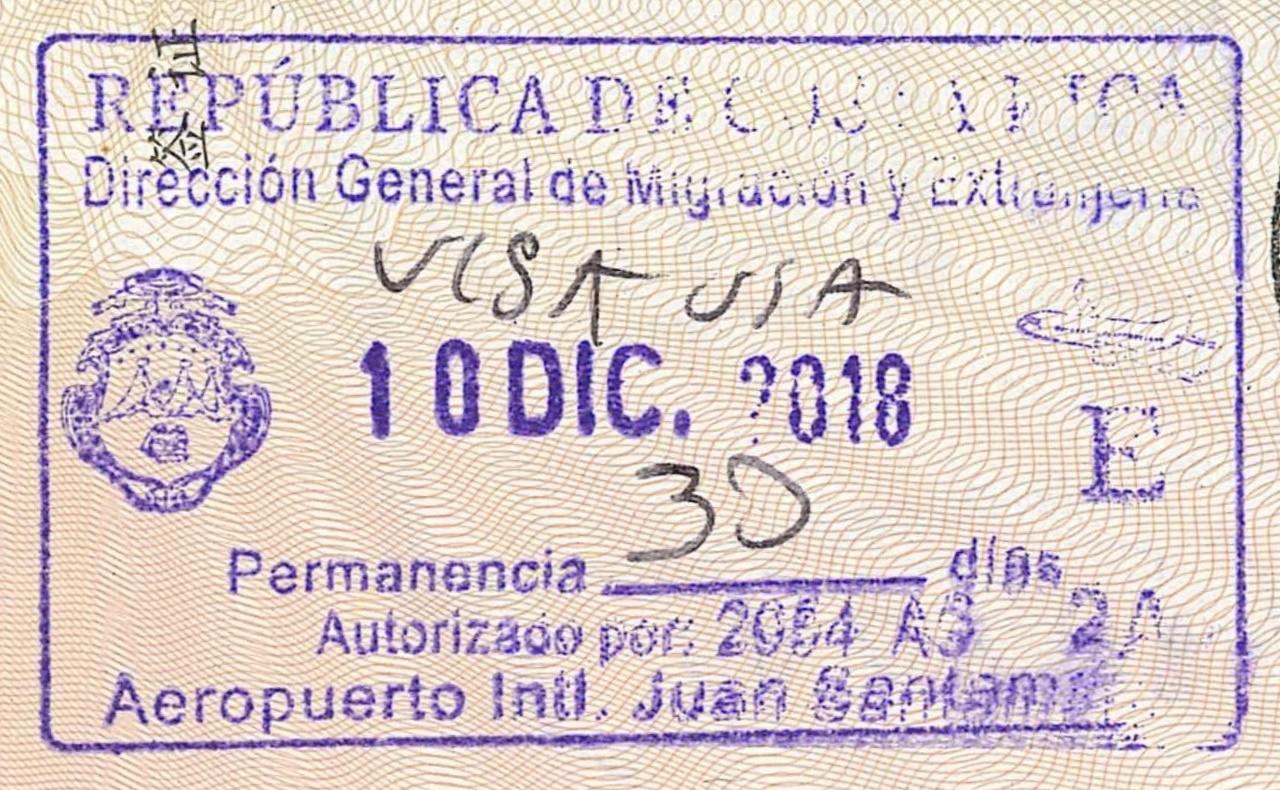
If you hold a US or Canadian passport, no. According to the US State Department, a visa is not required for stays under 180 days. You do need a passport valid for the length of your stay and proof of onward travel, such as a return ticket. Two things to keep in mind:
- The 180 days is a maximum, not a promise. The immigration officer at the airport decides how many days you get, so check the stamp or entry record before you leave the counter.
- Overstaying brings fines and can complicate future entries. It is not worth it.
Plenty of part-time residents simply visit on tourist entries for years. That works for a vacation home you visit a few months at a time, and we wrote more about it when the rule changed in our post on the 180-day tourist visa. What a tourist entry cannot do is build toward residency, and daily life without a residency card (a DIMEX) has friction: opening a full bank account is harder, and you cannot join the public health system.
Can you drive on a foreign license the whole time?
Yes, and this is a change worth knowing about. For years, tourists could only drive on a foreign license for 90 days, even when their entry stamp allowed 180. A law that took effect in May 2024 fixed this: you may now drive on your home license for your entire authorized stay. The old advice about crossing a border every 90 days just to keep driving legally is out of date.
What is the Pensionado residency?
Pensionado is the classic retiree route and usually the simplest. You must show a lifetime pension of at least 1,000 US dollars per month from a stable source, such as US Social Security or a government or private pension. It grants temporary residency for you, with your spouse and minor children as dependents. You must enroll in the Caja, the public health system, and pay monthly contributions based on your declared income. We cover the lifestyle side in our guide to retiring in Costa Rica.
What is the Rentista residency?
Rentista is for people with income but no pension, including many who are still working remotely or living on investments. There are two ways to qualify: prove a stable income of 2,500 US dollars per month guaranteed for at least two years, or deposit 60,000 US dollars in an approved Costa Rican bank and draw it down monthly. Like Pensionado, it is a temporary residency category that covers your immediate family and requires Caja enrollment.

How does the Inversionista (investor) residency work?
This is the one most of our buyers use. Invest at least 150,000 US dollars in Costa Rica, in real estate, a business, or certain approved projects, and you can apply for temporary residency as an investor. The threshold was lowered from 200,000 dollars by Law 9996 in 2021, and a single condo or home in Playas del Coco above that number can qualify, provided it is registered in your personal name.
One important 2026 update: the special tax perks that Law 9996 offered new residents (import duty exemptions on household goods and vehicles, plus a reduced property transfer tax) were only available for the law's first five years, a window that closed on July 14, 2026. People who obtained those benefits in time keep them for ten years. The 150,000 dollar investment threshold itself is still the figure cited by immigration practitioners as of this writing, but with the incentive window now closed, confirm the current threshold with an immigration attorney before you commit. Our post on why a good lawyer matters explains how the legal side of a purchase works here.
What about the digital nomad visa?
Costa Rica has a remote worker permit aimed at people employed by companies or clients outside the country. Per the official tourism board requirements, you must show foreign-source income of at least 3,000 US dollars per month, or 4,000 dollars if you bring dependents, and pay a 100 dollar application fee. It is granted for one year and can be renewed for a second. It does not lead to permanent residency, but it is a clean way to test life here for a year or two without committing capital.
What are the other paths: work, study, and family?
A Costa Rican employer can sponsor a work visa, though approvals favor roles that locals cannot easily fill, so this is the least common route among the expats we meet. Students enrolled at a recognized institution can obtain student residency. Marrying a Costa Rican citizen opens a family route, and having a child born in Costa Rica qualifies parents for permanent residency. Costa Rica also maintains refugee protections. Each of these has its own paperwork and timelines, so treat this list as a map, not a manual.
Which option fits most expats we meet in Coco?
After years of watching neighbors and clients go through this, the pattern is consistent. Retirees with a pension take Pensionado. Buyers who purchase a home or condo above the investment threshold take Inversionista, often starting the application right after closing. Younger remote workers either stay on tourist entries with a few trips home each year or use the digital nomad permit first.
Be realistic about the process. Gathering apostilled documents from home takes weeks, and approval commonly takes six months to a year depending on the category and backlog. Temporary residency categories generally require you to stay enrolled in the Caja and can lead to permanent residency after three years, which removes the work restrictions that come with Pensionado and Rentista status. A licensed immigration attorney will keep the file moving; this is not a process we recommend doing alone, and we are happy to share the professionals our clients have used.
If the residency math points you toward the investor route, that is where we can genuinely help. Browse our current listings in Coco and Ocotal, read our step-by-step guide on how to buy a home in Costa Rica, or message us on WhatsApp with your situation and we will point you in the right direction.
Frequently asked questions
How long can Americans stay in Costa Rica without a visa?
US and Canadian passport holders can enter Costa Rica visa-free as tourists for up to 180 days. The exact number of days is set by the immigration officer at entry, so check your stamp. You need a passport valid for your stay and proof of onward travel. Tourist time does not count toward residency.
How much income do I need for residency in Costa Rica?
As of 2026, Pensionado requires a lifetime pension of 1,000 US dollars per month. Rentista requires 2,500 dollars per month guaranteed for two years, or a 60,000 dollar bank deposit. The digital nomad permit requires 3,000 dollars per month of foreign income. Confirm current figures with an immigration attorney before applying.
Does buying property in Costa Rica qualify me for residency?
It can. An investment of at least 150,000 US dollars in real estate held in your personal name currently supports an Inversionista temporary residency application. Many of our buyers in Playas del Coco use this route. Rules and thresholds can change, especially after Law 9996's incentive window closed in July 2026, so verify with an attorney.
Cover photo: ButcherC, CC BY-SA 4.0, via Wikimedia Commons · Photo: Spikezz, CC BY-SA 4.0, via Wikimedia Commons