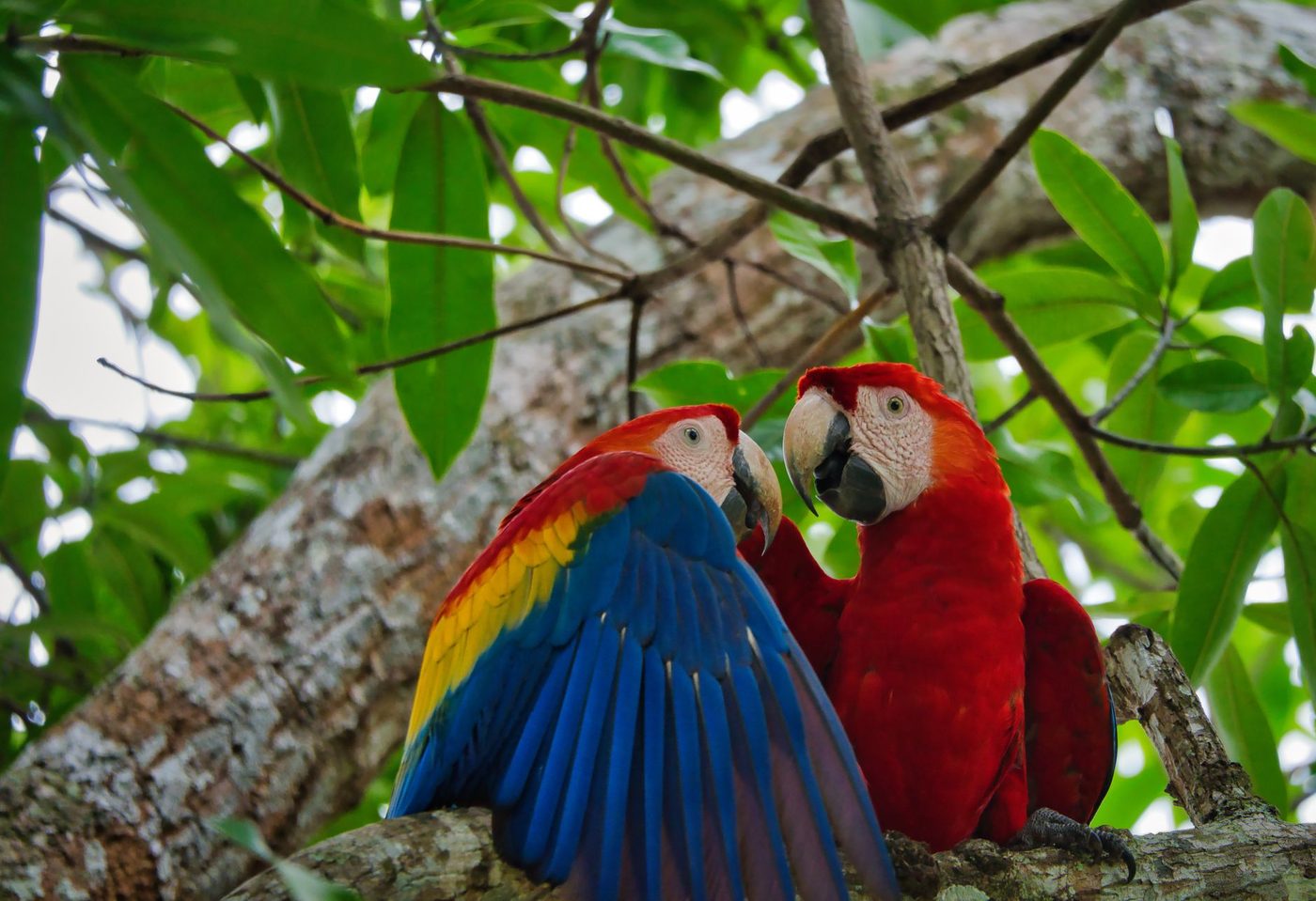
Sardinal and Coco: The Story of Guanacaste's Fastest-Changing District
How one Guanacaste district went from cattle town to coastal boom, and what its growth means for buyers.
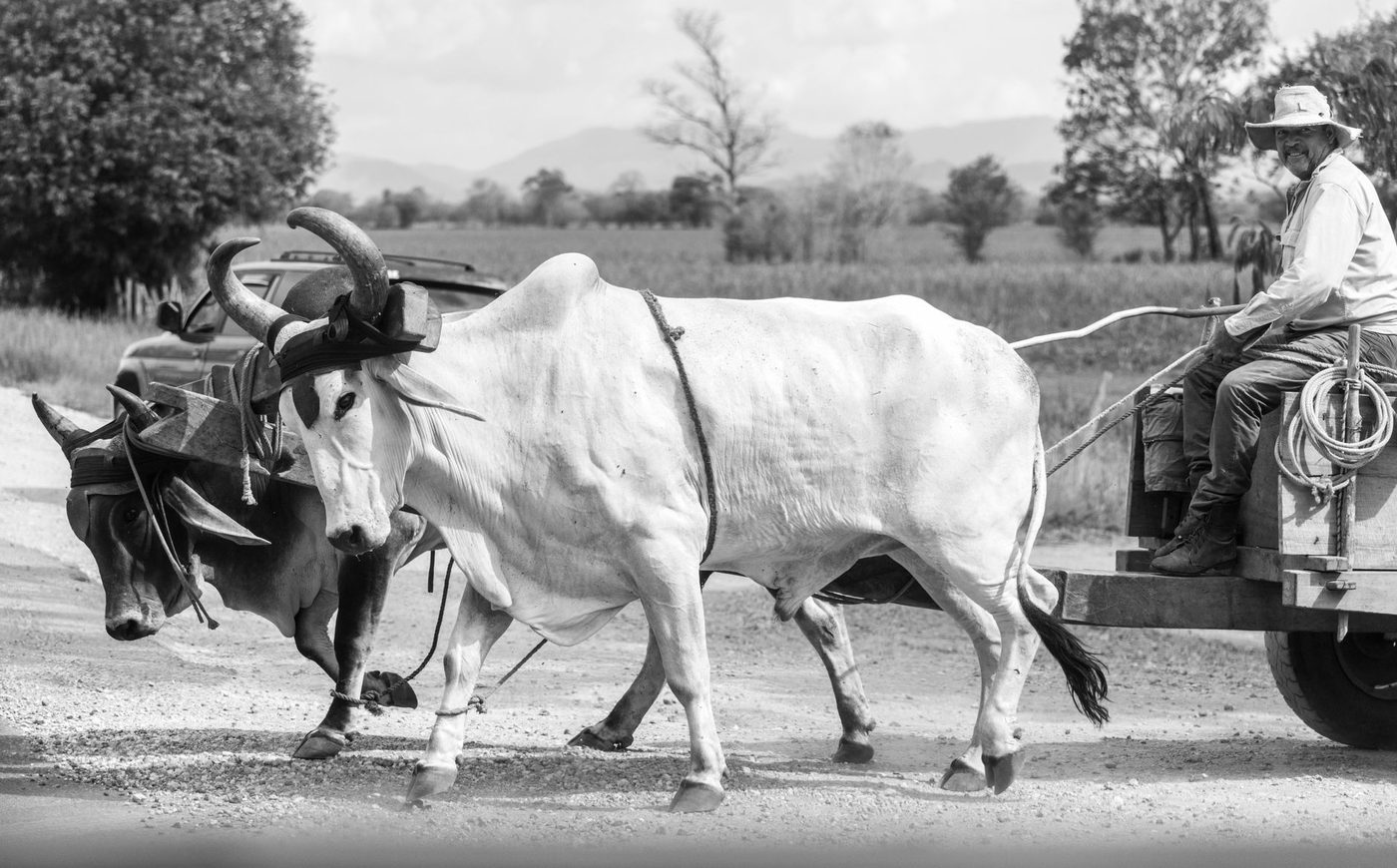
Sardinal, Costa Rica is the coastal district of the Carrillo canton in Guanacaste that contains Playas del Coco, Ocotal, and Playa Hermosa. Its population grew from 14,912 people at the 2011 census to roughly 21,000 in the national statistics institute's 2022 estimates, growth of about 40 percent in eleven years. That pace has reshaped daily life here.
We live and work inside this district. Our office sits in Playas del Coco, and most of the homes we sell and the vacation rentals we manage are within Sardinal's boundaries. So this is not an abstract story for us. It is the story of our own backyard, and it explains a lot about why the area looks and feels the way it does in 2026.
What exactly is the Sardinal district?
Costa Rica divides itself into provinces, cantons, and districts. Sardinal is one of four districts in the canton of Carrillo, in the province of Guanacaste, alongside Filadelfia (the canton seat), Palmira, and Belen. The district covers about 261 square kilometers, running from the inland agricultural town of Sardinal all the way to the Pacific.
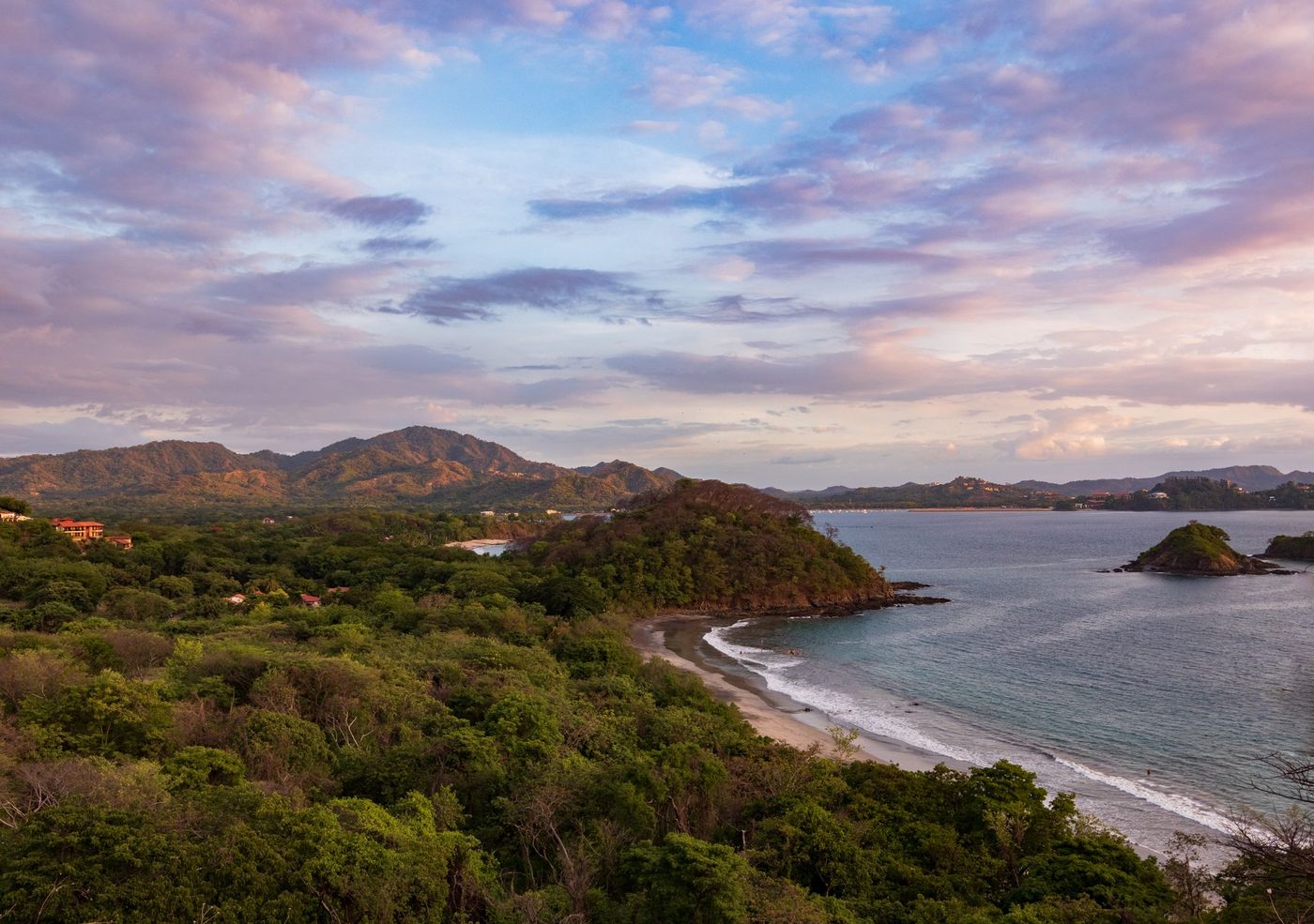
That geography surprises people. When visitors say "Coco," they are talking about one town inside a much larger district. Sardinal the district includes the beach towns of Playas del Coco, Ocotal, and Playa Hermosa, plus inland communities like Artola, Matapalo, Libertad, San Blas, Obandito, and Zapotal. Sardinal the town is the district's administrative center, a working Tico town a short drive inland from the coast, with a church, a plaza, a soccer field, and streets that still feel agricultural.
The whole district sits about 32 kilometers from Liberia, which matters more than any other single fact. Liberia's international airport put this stretch of coast within a single flight of Houston, Toronto, and New York, and the district has been absorbing that reality ever since. We covered the beach town side of that story in our post on the history of Playas del Coco.
How fast is Sardinal actually growing?
The numbers are striking for rural Costa Rica. At the 2011 national census, Sardinal district had 14,912 residents, already the most populous district in Carrillo. The INEC 2022 population and housing estimates, published at the district level in late 2023, put Sardinal at roughly 21,000 people. That is an increase of around 40 percent in a little over a decade, and it means this one district now holds more than four out of every ten residents of the entire canton.
The official figures also undercount what you feel on the ground, because they measure residents, not visitors. In high season, the population of the coastal strip swells well beyond the census numbers as vacationers, part-year owners, and workers from other parts of Costa Rica and Nicaragua arrive. Construction crews, restaurant staff, property managers, tour operators: much of Guanacaste's coastal economy runs through this district.
Growth here really means two different stories running side by side. On the coast, condominium communities, hotels, and vacation homes have multiplied around Coco, Ocotal, and Playa Hermosa. Inland, Sardinal town has grown too, but it remains a Costa Rican town first: Spanish-speaking, family-oriented, with cattle pasture and melon fields still on its edges. Ten minutes of driving takes you between the two worlds.
Why is water the fight everyone here remembers?
You cannot tell Sardinal's story honestly without the aqueduct. In 2008, a group of coastal developers agreed to help finance an expansion of the aqueduct that carries water from the Sardinal aquifer down to El Coco and Ocotal. Many residents of Sardinal town pushed back hard. Their fear was simple: that water pumped toward hotels and condos on the coast would leave their own community short.
The conflict ran for more than a decade. In 2009, Costa Rica's Constitutional Court annulled the project's environmental viability study and stopped construction. The water authority came back years later with new hydrogeological studies, the court allowed the project to proceed in 2017 after finding the studies sufficient, and there were tense protests in Sardinal town that December. The expanded Sardinal-El Coco-Ocotal aqueduct was finally inaugurated on March 1, 2019, delivering 70 liters per second with a 2,500 cubic meter storage tank, serving a population of around 34,000 people plus visitors, as reported by La Nacion.
We think both sides of that fight deserve respect. The protesters were not against progress; they were asking who benefits from a shared aquifer in one of Costa Rica's driest provinces. The answer the country eventually reached, more study and more infrastructure before more growth, is roughly the right one. And the episode left a permanent lesson for anyone buying here: in Guanacaste, water is the gating factor. A property without confirmed water availability is a very different asset from one with it, which is why a water availability letter is a core part of due diligence, and why a good lawyer matters so much in a Costa Rica purchase.
What does the growth look like on the ground in 2026?
Drive the district today and the change is easy to read. The road from Sardinal town to Coco passes new residential projects where there was pasture a decade ago. Coco's downtown has grown from a fishing village main street into a full-service town: supermarkets, banks, clinics, dozens of restaurants. Ocotal and Playa Hermosa have filled in with homes and condos on their hillsides. You can read more about what the beach town offers day to day on our Playas del Coco area page.
What has not changed is just as important. Sardinal town remains affordable, local, and largely unbothered by tourism. There is no beach bar scene there and no souvenir shop. For some buyers that is exactly the point. Land and homes around Sardinal town and the inland villages cost meaningfully less than anything comparable on the coast, and you are still 15 to 20 minutes from the sand. It is a similar value story to the one we described in Curubande, near Liberia: real Costa Rica living, close to everything.
Should you buy in Sardinal district?
Here is our honest read on Sardinal Guanacaste real estate, from a team that lives in it.
The coast (Coco, Ocotal, Playa Hermosa) is the established play. Titled condos and homes, a deep vacation rental market, walkable services, and the largest expat community in the region. You pay for that maturity, and high season brings traffic and noise to central Coco. It is not a sleepy village anymore, and we will not pretend otherwise.
Inland Sardinal is the value play. Larger lots, lower prices, cooler evenings a little off the coast, and genuine Tico community life. The tradeoffs are real: you will want a car, Spanish helps a great deal, and rental demand is thinner than at the beach. For land purchases especially, confirm water availability in writing before you fall in love with a view. We currently list properties in and around Sardinal town, from homesites to homes with ocean and volcano views, so we can show you both worlds in a single afternoon.
What comes next for Guanacaste's fastest-changing district?
Nothing in the data suggests the growth stops. The airport keeps adding routes, remote work keeps sending North Americans south, and the district keeps building. The open question is the one Sardinal town raised back in 2008: whether infrastructure, above all water, keeps pace with construction. We expect that tension to define the next decade here, and we think buyers who understand it will make better decisions than buyers who ignore it.
If you want to see the district for yourself, we are happy to be your guides. Browse our current listings in Coco, Ocotal, and Sardinal, or send us a message and tell us what you are looking for. We will give you the same straight answers we gave you here.
Looking to buy? Browse current Playas del Coco real estate from our local team.
Frequently asked questions
Is Playas del Coco part of Sardinal?
Yes. Playas del Coco is a town inside the Sardinal district of the Carrillo canton, in Guanacaste province. The district also includes Ocotal, Playa Hermosa, and inland communities such as Artola, Matapalo, and Sardinal town itself, which is the district's administrative center a short drive inland from the coast.
How many people live in Sardinal, Costa Rica?
The 2011 national census counted 14,912 residents in Sardinal district. INEC's 2022 district-level estimates put the population at roughly 21,000, about 40 percent higher. It is the most populous of Carrillo canton's four districts, and the real number of people present swells well beyond that during high season.
Why was the Sardinal aqueduct controversial?
In 2008, developers helped finance an expansion of the aqueduct carrying water from the Sardinal aquifer to El Coco and Ocotal. Residents feared coastal growth would drain their supply, and courts halted the project in 2009. After new studies and a 2017 court ruling, the expanded aqueduct was inaugurated in March 2019.
Cover photo: Samuel Sweet, Pexels · Photo: Jean Paul Montanaro, Pexels