The History of Playas del Coco, Costa Rica
How a quiet Guanacaste fishing beach became one of Costa Rica's best known expat towns.
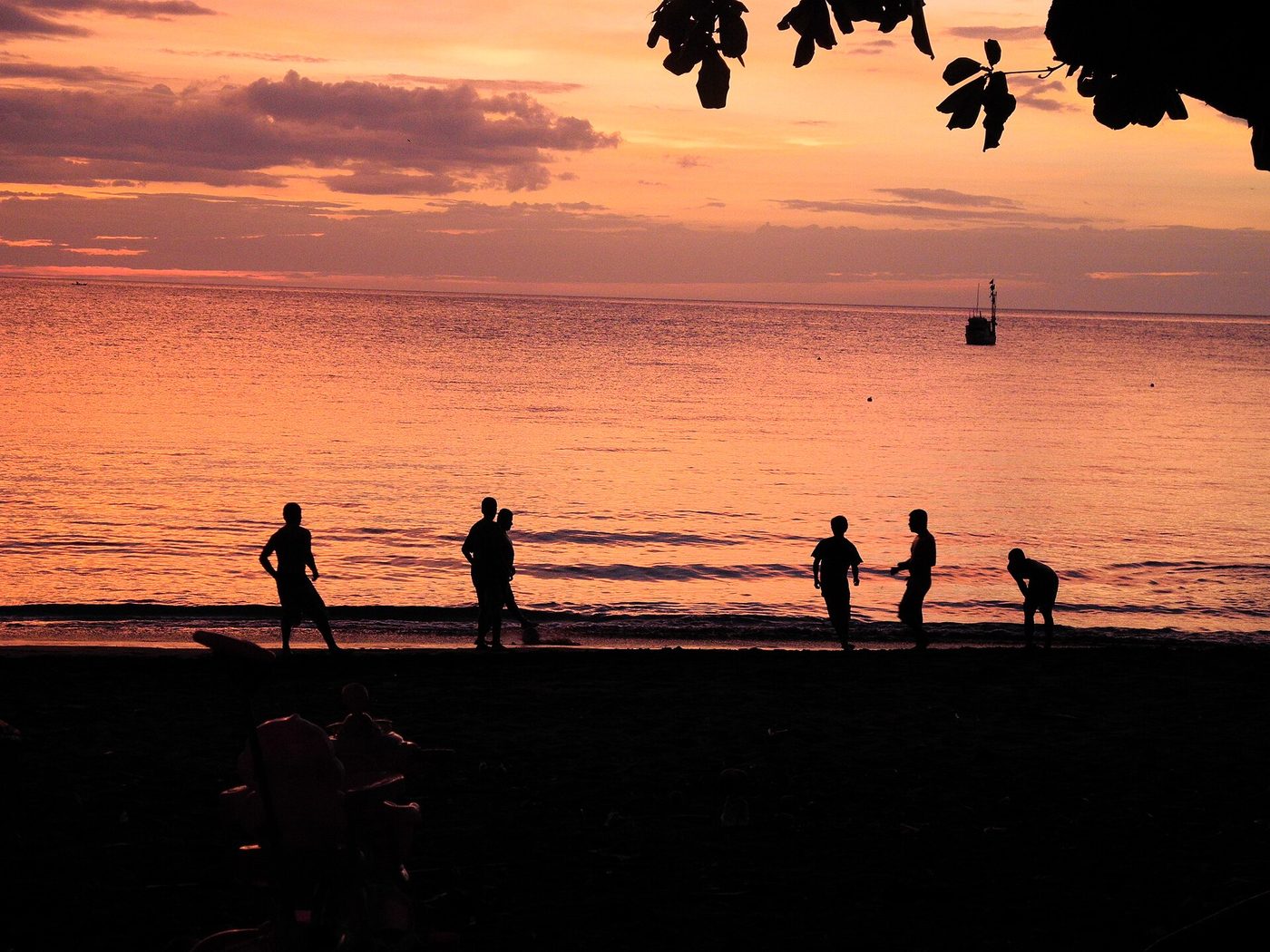
The history of Playas del Coco runs from Chorotega territory, to a pearl diving and fishing settlement in the mid 1800s, to a weekend beach town for Costa Rican families by the 1930s, to the tourism boom that followed Liberia's international airport in 1995. Today Coco is one of Guanacaste's most established expat and vacation rental towns.
We live and work here, so we hear the old stories from neighbors, boat captains, and longtime residents. This guide pulls those threads together with sources you can check, so you can understand how Coco became what it is before you decide whether it belongs in your future.
Who lived here before Coco was a beach town?
Long before anyone sold a beachfront lot, the Nicoya peninsula and the Guanacaste coast were home to the Chorotega, one of the most developed Indigenous cultures in this part of Central America. They fished these waters, farmed corn and beans, and made pottery in a style their descendants still produce by hand in villages like Guaitil, about an hour and a half south of Coco. If you buy a piece of local ceramic art at a Coco gift shop today, there is a good chance it comes from that living tradition.
The Spanish arrived in the 1500s and folded the region into the colonial Partido de Nicoya, which was administered separately from the rest of what became Costa Rica. On July 25, 1824, the people of Nicoya voted to join Costa Rica, a decision the whole country still celebrates every year as Guanacaste Day. We wrote about that holiday, and why expats embrace it, in our Guanacaste Day post.
Through all of this, the beach itself stayed quiet. Liberia and Nicoya were the towns that mattered. Coco was a curve of dark sand with good fishing and no road.
How did El Coco get its name?
Local histories trace the first permanent settlement to 1856, when a fisherman and boat builder named Agapito Barrera arrived by sea, built a house near where the plaza stands today, and planted rows of coconut palms along the beach. He called his home El Coco, and the name stuck. Costa Ricans still say El Coco as often as Playas del Coco.
For the next several decades the town lived from the ocean. Pearl diving was the first real industry: divers worked the oyster beds of the bay with nothing but held breath and bare hands. That era ended abruptly around 1932, when pearl oysters died off along the Pacific coast, and fishing became the backbone of the local economy instead. A caution on all of this: Coco's early records are thin, and these details come down through local historians and oral tradition, so treat the exact dates as heritage rather than certified fact.
When did Costa Rican families start vacationing in Coco?
By the 1930s, Coco had become a modest domestic vacation spot. Families came over from Liberia by oxcart during the dry season full moons, a tradition remembered as Las Lunas de Marzo, and filled the beach with bonfires and marimba music. Through the mid 1900s this was the rhythm: a working fishing town most of the year, a lively Tico beach escape during the holidays.
Infrastructure came slowly. For decades the roads were dirt, and the town ran on small sodas, open fishing boats, and family guesthouses. Local accounts say the road into Coco was finally paved in 1978, which made it one of the easiest beaches to reach in all of Guanacaste. That head start still shapes the town today: Coco developed services, schools, and a year-round economy while most neighboring beaches were still at the end of a rough track.
What changed when Liberia's airport went international?
The turning point came in October 1995, when Daniel Oduber Quirós International Airport in Liberia, renamed Guanacaste Airport in 2021, was re-inaugurated as an international airport. Suddenly the closest established beach town to an international runway was Coco, about 23 kilometers and roughly a half hour drive away on paved roads.
Direct flights from the United States and Canada turned Guanacaste into Costa Rica's second tourism gateway, and Coco grew fast. Banks, clinics, supermarkets, and reliable internet followed the visitors. Condominium construction surged around 2006 and 2007, which is when many of the communities we work in every day, including Las Palmas, Pacifico, and the Coco Bay hillside, took shape or accelerated.
Growth brought tradeoffs, and we will not pretend otherwise. Coco stopped being a sleepy village a long time ago. High season brings traffic, full restaurants, and construction noise in some neighborhoods. What Coco kept is what matters most: a real Costa Rican town at its core, with a plaza, a church, public schools, and a working waterfront.
What does Playas del Coco look like in 2026?
Administratively, Coco sits in the Sardinal district of the canton of Carrillo, about 25 kilometers from Liberia, and the Municipality of Carrillo ranks it among the country's leading tourism destinations for diving, sport fishing, snorkeling, and sailing.
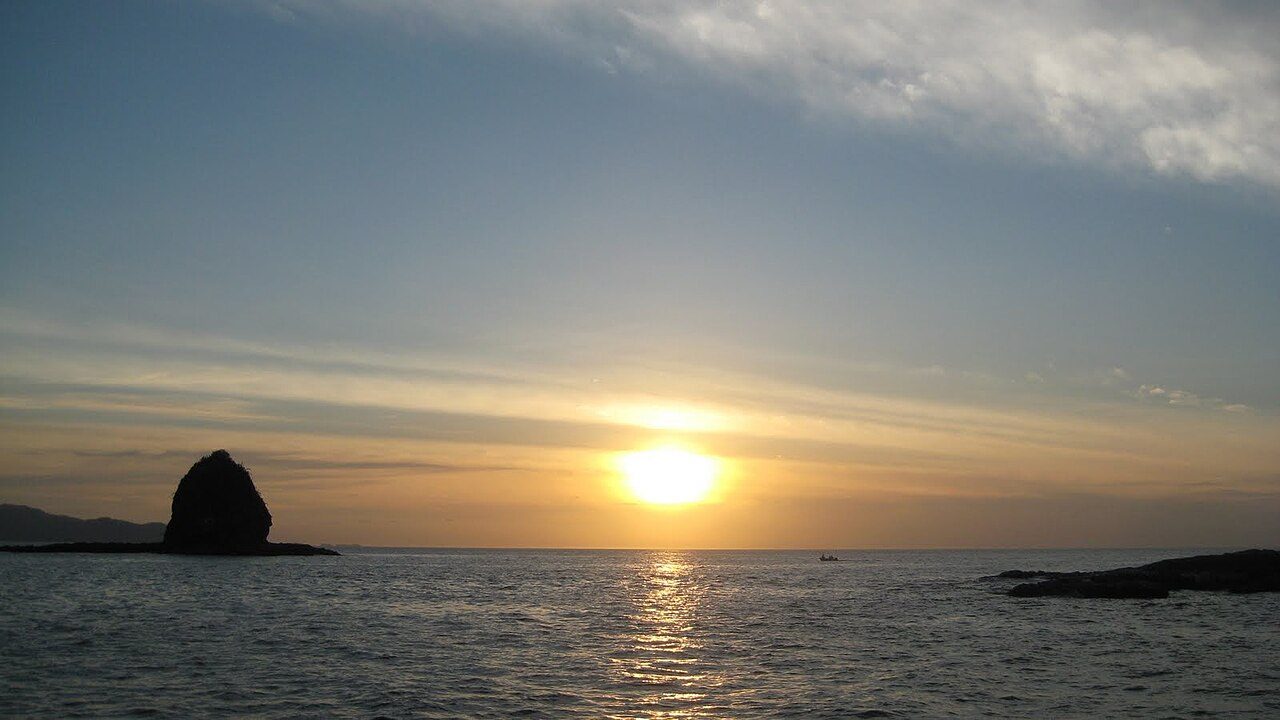
On the ground, it is a genuine mix. Pangas still anchor in the bay, and fishermen still head out before dawn. The beachfront walkway fills every evening with Tico families, retirees, tour vendors, and kids playing soccer on the sand. You will hear Spanish, English, and French in the same supermarket line, and the town supports everything from traditional sodas to craft beer and sushi.
Honesty matters here, so we will say what Coco is not. The sand is gray brown, not white. The bay is calm rather than dramatic, so surfers drive to other breaks. If you want an isolated jungle beach, this is the wrong town. What Coco offers instead is walkability, services, an easy airport run, and community. We compared it with the neighboring beach towns in what makes Playas del Coco different, and covered the wider coastline in our Papagayo region guide.
Why does Coco's history matter if you are buying here?
Because the town's past explains the market's present. The history of Playas del Coco is a story of early access: the first paved road, the closest airport, the earliest condo wave. That is why Coco has depth that newer resort areas lack. You will find an established rental market, condo associations with nearly two decades of track record from the 2006 to 2007 building wave, titled property with long paper trails, and a local economy that keeps running through green season.
It also means variety. Older condos near the beach often sell at lower price points than new construction, while the hillsides keep adding modern ocean view homes. Both can make sense, for different buyers. If you are starting your search, our step by step guide on how to buy a home in Costa Rica is the place to begin.
We are Expat Properties | CR. We live in Coco, we manage 60+ vacation rentals here and in Ocotal, and we have watched the latest chapter of this town's history happen in real time. Browse our current listings, learn more about the town itself, or send us a message. We will answer honestly, including telling you when Coco is not the right fit.
Ready to see what is on the market? Explore our homes, condos and lots in Playas del Coco, every one walked in person by our team.
Frequently asked questions
When was Playas del Coco founded?
Local histories date the first permanent settlement to 1856, when fisherman Agapito Barrera built a home near today's plaza and planted the coconut palms that gave El Coco its name. The region itself was Chorotega territory for centuries before that, and it joined Costa Rica with the rest of the Partido de Nicoya by vote in 1824.
Was Playas del Coco really a fishing village?
Yes. Pearl diving and artisanal fishing were the town's first industries. The pearl oyster beds collapsed around 1932, but fishing carried the local economy for decades afterward. It never fully left: pangas still anchor in the bay, sport fishing and dive charters run daily, and you can still buy the morning catch near the beach.
How far is Playas del Coco from Liberia airport?
About 23 kilometers, which works out to roughly a 30 minute drive on paved roads, Routes 21 and 151. Guanacaste Airport (LIR) has direct flights from many US and Canadian cities, and that short airport run is one of the main reasons Coco grew into the busy expat and vacation town it is today.
Cover photo: LeonidasB, CC BY-SA 4.0, via Wikimedia Commons · Photo: Seabirdsailing, CC BY-SA 4.0, via Wikimedia Commons