The Gold Coast Coffee Guide: Cafes Worth Leaving the Beach For
A resident's guide to the cafes of Playas del Coco and the coffee culture behind them.
Playas del Coco has a small but genuine cafe scene. For cafes in Playas del Coco, start with Café Corazón near the beach for breakfast and strong coffee, then Java Coffee for waffles and smoothie bowls. Add a handful of local coffee shops and Tico bakeries, and you can drink very well here.
We will be honest up front: Coco is a beach town, not a specialty coffee capital. If you want ten roasters within walking distance, San José wins. What Coco offers is something we like more. Good coffee, served without fuss, a short walk from the sand, in a country that takes its beans as seriously as any place on earth. Here is our guide, written from the town where we live and work.
Why does coffee matter so much in Costa Rica?
Coffee built this country. Production began in 1779 in the Central Valley, and the first recorded export left for Chile in 1832. In 1843 a ship captain named William Le Lacheur carried Costa Rican coffee directly to the United Kingdom, opening the British market, and the money that flowed back helped fund much of the young nation's early development. You can read the full story in the well sourced history of coffee production in Costa Rica.
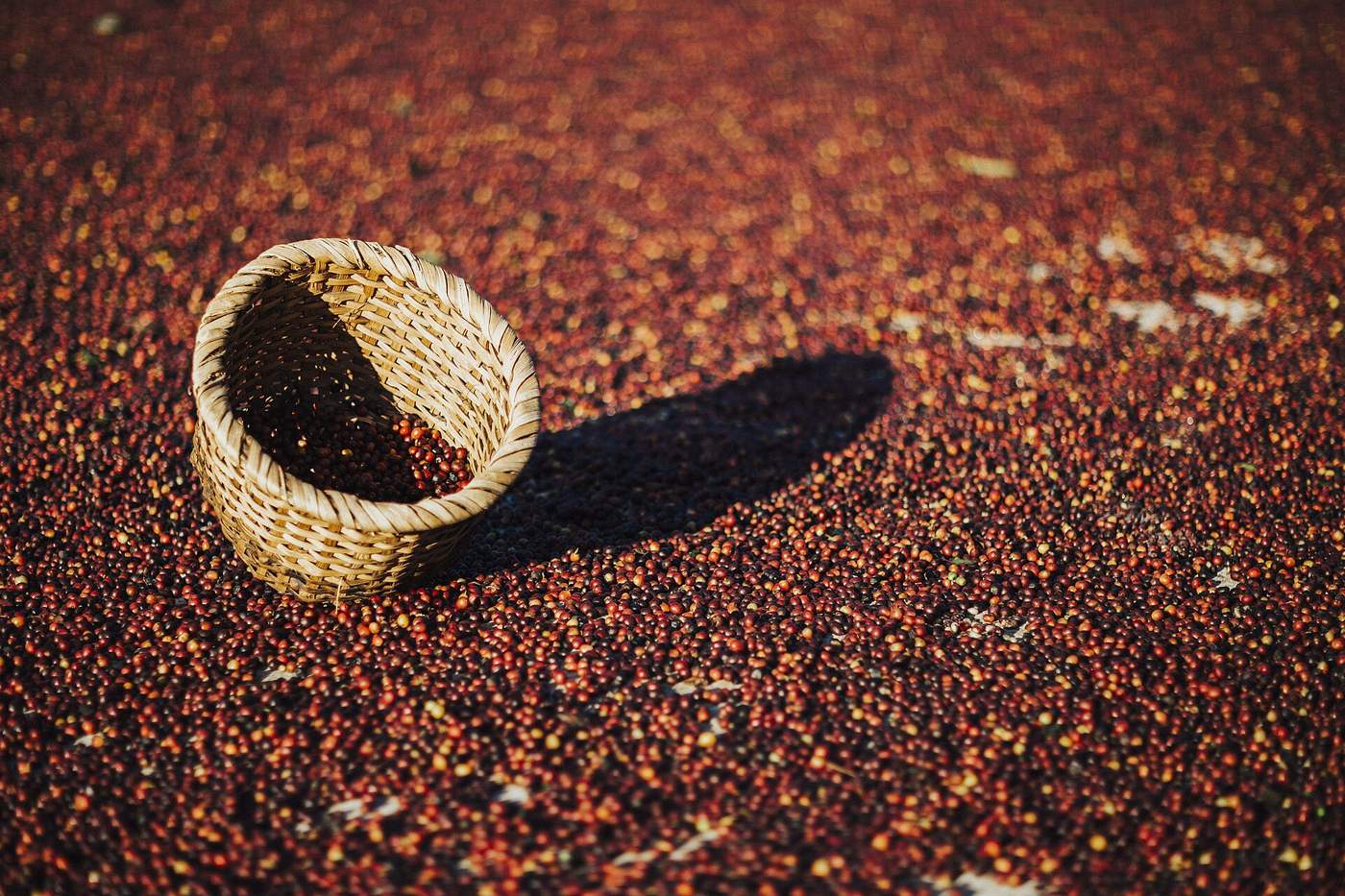
That history still shapes daily life. Costa Rica officially recognizes eight coffee growing regions, and Guanacaste is one of them, although most of the province's coffee grows in the higher inland country, not along the coast. So when you order a cup in Coco, there is a decent chance the beans came from a farm a few hours away rather than a container ship. That is a luxury most beach towns in the world simply do not have.
Which cafes in Playas del Coco do we recommend first?
Café Corazón
At the beach end of the main street, Café Corazón is the closest thing Coco has to a classic breakfast cafe. The coffee is strong, the omelets and waffles are reliable, and the smoothies use actual fruit, which sounds like a low bar until you have traveled enough to know it is not. The travel site Two Weeks in Costa Rica lists it among their favorite spots in town, and we agree. Their guide lists hours of 8 a.m. to 4 p.m., closed Wednesdays, but small town hours shift with the seasons, so check before you build a morning around it.
Java Coffee
A few blocks back from the beach, at the corner of Avenida Las Palmas and La Chorrera, Java Coffee is the neighborhood cafe many of our rental guests end up adopting. The menu runs from hot and iced coffees to acai bowls, bagels, and salads, and the thick Belgian waffles have ended more than one diet we know of. It sits in a residential part of town, which makes it a natural stop if you are staying in one of the condo communities rather than on the main strip.
What other coffee spots are on the Coco map?
Beyond the two names above, community map listings show several more cafes in Playas del Coco worth knowing about, along with the bakeries that keep the town fed:
- Ticoffia, a small local coffee shop in the center of town.
- Wanna Coffee CR, a dedicated coffee shop pouring Costa Rican beans.
- Caffè Saicaf, an Italian leaning cafe stop.
- Yummy Café, a casual spot for coffee and something sweet.
- Panadería Tico's Bakery, the kind of local bakery where fresh bread and cheap, honest coffee go together.
A word of honesty here: cafes in a beach town open, close, move, and change names faster than any guide can track. We pulled these names from the OpenStreetMap community map of Coco and our own time in town, but hours and ownership change. If a specific cafe matters to your morning, message us and we will tell you what is actually open this season. This is one of the quiet advantages of working with people who live in Playas del Coco full time.
How do Ticos actually drink their coffee?
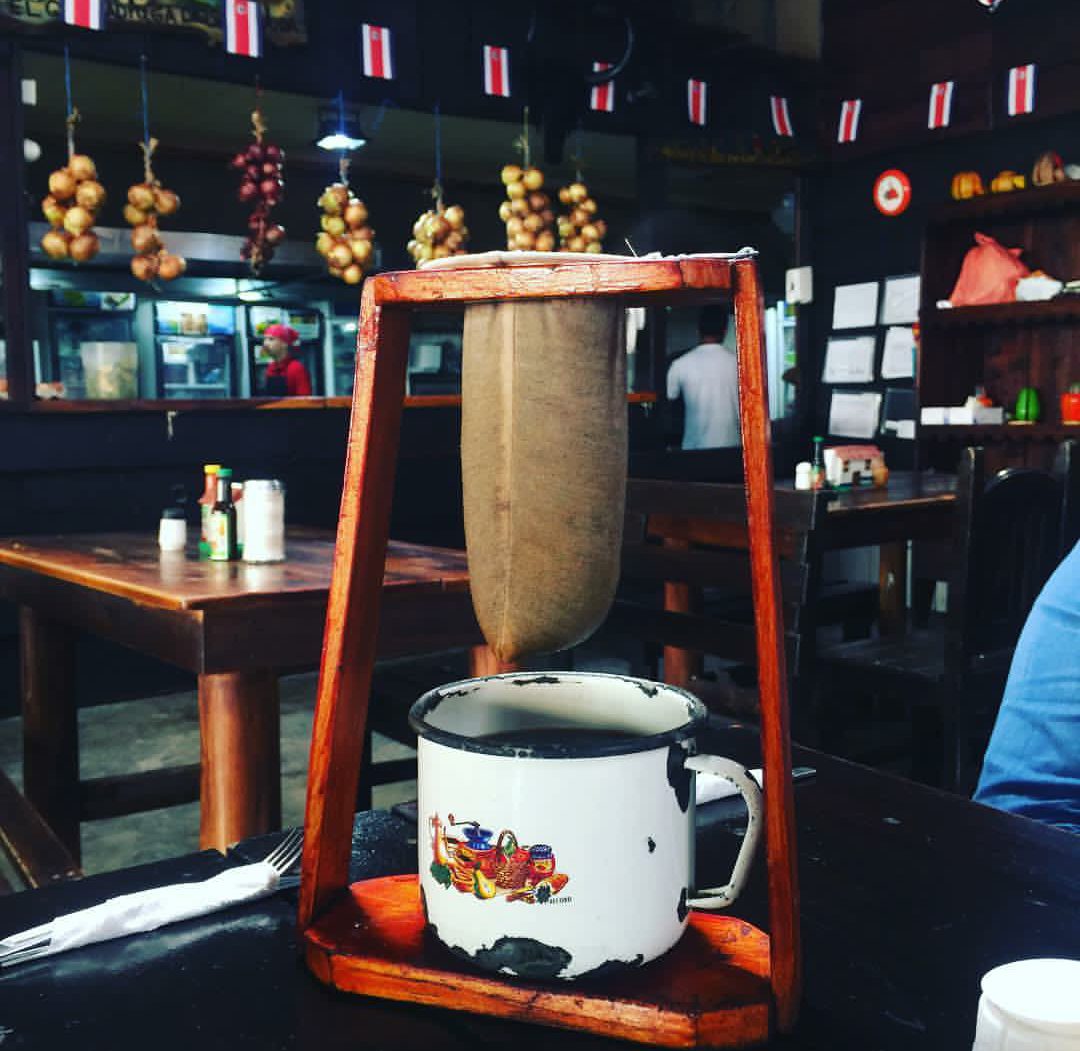
If you want to drink coffee like a local, learn two words: chorreador and cafecito. The chorreador is Costa Rica's traditional brewing method, a simple wooden stand holding a cloth filter that hot water passes through slowly. No pump, no pressure, no pods. The result is a clean, mellow cup, and many Tico households still brew this way every morning. You will find chorreador brewed coffee at traditional sodas (small family restaurants) more often than at the newer cafes.
Cafecito is the afternoon coffee break, usually somewhere around 3 p.m., taken with something small and sweet. It is less a caffeine delivery system than a social institution, the Costa Rican cousin of British tea time. Get invited to a neighbor's cafecito and you have officially arrived. We wrote more about these day to day rhythms in our guide to life in the Papagayo region.
Is the coffee actually good, or just close to the beach?
Both, with caveats. The baseline is high because the raw material is high. Costa Rica has spent two centuries treating coffee as a point of national pride, and even an unremarkable cup in Coco is usually made from decent Costa Rican beans. What you will not always find is third wave precision: single origin pour overs, roast dates on the bag, baristas who want to discuss fermentation. A few spots lean that direction, but this is not Melbourne.
Our advice is to stop comparing and start adapting. Order a café con leche, sit somewhere with a fan and a view of the street, and let the morning take twenty minutes longer than it would back home. That pace is a feature of this town, not a bug, and it is a big part of what makes Playas del Coco different from the more polished resort corridors nearby.
What does the cafe scene mean if you are thinking of moving here?
More than you might expect. When our buyers shortlist neighborhoods, the practical questions are always the same: how far to the supermarket, the clinic, the beach, and, for a surprising number of people, the nearest good coffee. Remote workers ask about cafes with reliable wifi. Retirees ask where the regulars sit. A town's cafes are a fair proxy for its social life, and Coco's answer is reassuring: small, friendly, walkable, and not trying to impress anyone.
The cafe habit is also cheap here by North American standards, which fits the broader picture we describe in our post on the cost of living in Costa Rica. A daily coffee out is a sustainable ritual, not a splurge, and for many of the expats we manage rentals for it becomes the anchor of the whole morning.
Ready to make the coffee walk your daily routine?
The best way to test a town is to live a normal week in it: coffee in the morning, beach in the afternoon, dinner somewhere you can walk home from. We manage 60+ vacation rentals in Coco and Ocotal, so if you want to try that week before you commit to anything bigger, we can set you up, and when you are ready to look at ownership you can browse our current listings or send us a message. We are happy to argue about the best waffle in town while we drive you around.
Frequently asked questions
Are there good coffee shops in Playas del Coco?
Yes. Playas del Coco has a small but solid cafe scene. Café Corazón near the beach and Java Coffee on Avenida Las Palmas are the two we recommend first, and smaller spots like Ticoffia, Wanna Coffee CR, and local bakeries round out the town. Hours change seasonally, so confirm before you go.
Is coffee grown in Guanacaste, Costa Rica?
Yes. Guanacaste is one of Costa Rica's eight officially recognized coffee growing regions, though the farms sit in the higher inland areas rather than on the coast. The famous high altitude regions like Tarrazú are elsewhere in the country, but Guanacaste grown beans are a real and local product.
What is a chorreador?
A chorreador is Costa Rica's traditional coffee maker: a wooden stand that holds a cloth filter, through which hot water drips slowly over the grounds. It produces a clean, mellow cup and is still used in many Costa Rican homes and sodas. It also makes a practical, inexpensive souvenir.
Cover photo: Aleat88, CC BY-SA 4.0, via Wikimedia Commons · Photo: MRod1014, CC BY-SA 4.0, via Wikimedia Commons